
 EN
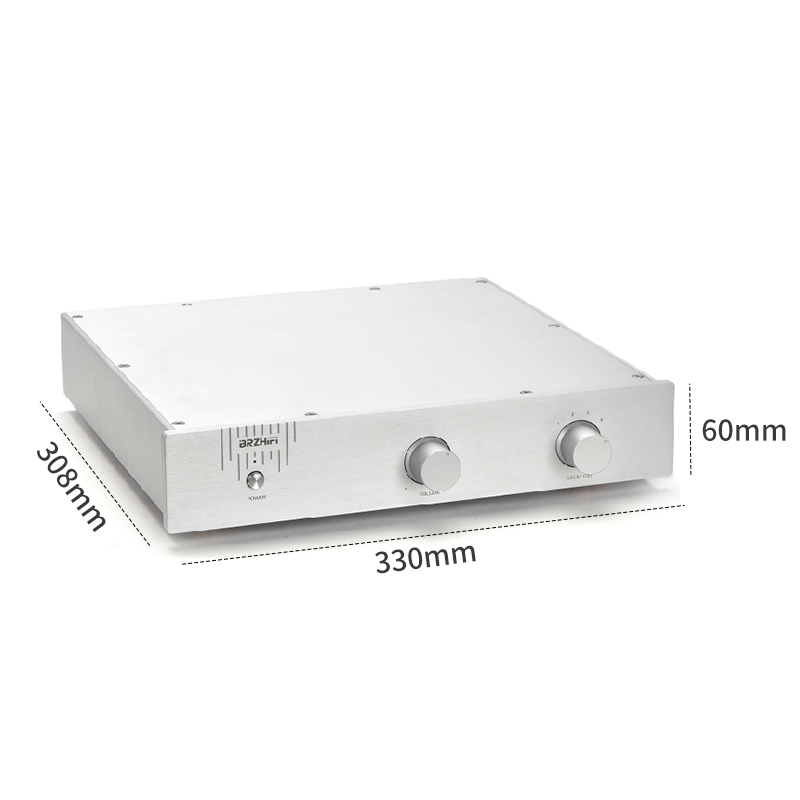
Selecting a high-end preamp is one of the most critical decisions in building a sophisticated audio system. The preamp serves as the control center and signal amplifier in your audio chain, making its quality directly impact the sound you hear. Before ordering a high-end preamp, understanding the key comparison factors ensures you invest in equipment that truly matches your system goals, listening preferences, and technical requirements. This guide walks you through the essential specifications and performance criteria that distinguish exceptional preamp models from ordinary alternatives.
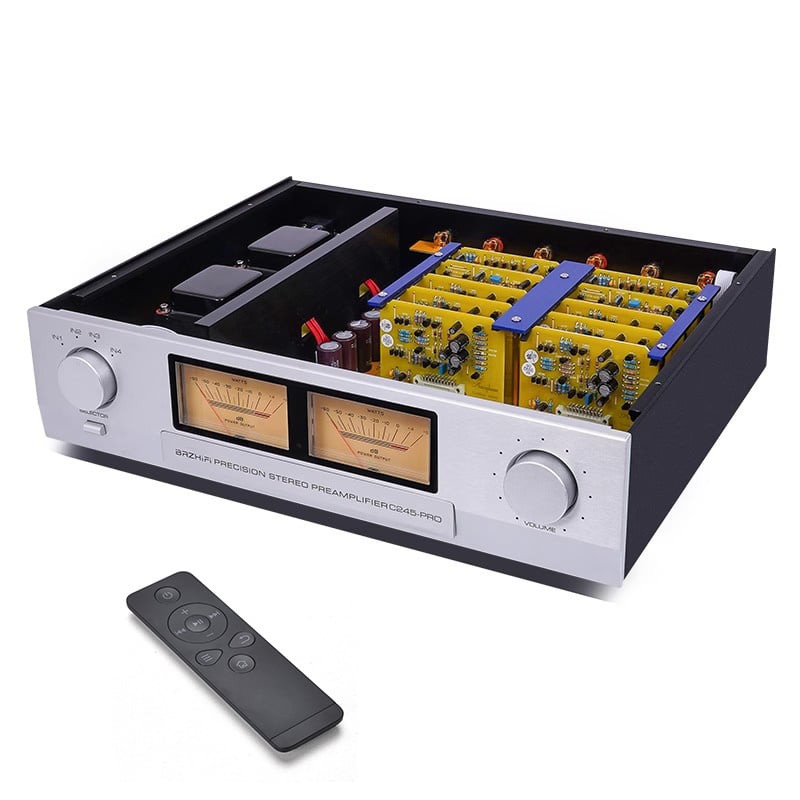
A high-end preamp isn't simply a volume control device—it's the foundation upon which your entire audio experience rests. When evaluating different preamp options, you must compare multiple dimensions simultaneously: signal path architecture, gain staging capabilities, input and output configurations, and the quality of internal components. The right preamp amplifies your source signals while introducing minimal distortion, preserving every detail your music contains. Getting this decision right requires knowledge of what makes one preamp sonically superior to another.
Understand the Preamp Signal Path Architecture
Signal Path Quality and Component Grade
The internal signal path of a preamp determines how faithfully it reproduces audio. When comparing preamp models, examine whether the design uses balanced or unbalanced circuitry, tube or solid-state amplification, or a hybrid approach. A high-end preamp with a fully balanced signal path typically offers superior noise rejection and dynamic range compared to unbalanced designs. The preamp's internal wiring, capacitors, and resistors directly influence signal fidelity. Premium preamp manufacturers use military-grade components, exotic dielectrics, and carefully matched circuits to minimize signal degradation. Before ordering a preamp, request detailed schematics or technical documentation that reveals the component quality inside your candidate preamp.
Gain Structure and Headroom
Proper gain staging is essential in any audio system, and your preamp plays the central role. Compare how different preamp designs handle gain, particularly regarding headroom and noise floor interaction. A superior preamp offers sufficient gain to work with low-output sources while maintaining low noise characteristics. When evaluating a preamp for your system, confirm that the preamp's gain range accommodates your specific source components—whether streaming devices, turntables, or line-level outputs. Inadequate preamp gain forces you to operate amplifiers at unsafe levels, while excessive preamp gain creates noise. The ideal preamp provides flexibility without compromise.
Evaluate Input and Output Specifications
Connector Types and Configuration Options
A high-end preamp must accommodate your source components through appropriate input types. When comparing preamp options, verify that the preamp includes balanced XLR inputs, unbalanced RCA inputs, or both. Some audiophiles prioritize a preamp with dedicated tape inputs, a second preamp section, or direct input bypassing. Additionally, confirm that the preamp offers sufficient output options—balanced main outputs, unbalanced monitor outputs, or subwoofer pre-outputs. A versatile preamp accommodates future system expansion without requiring replacement. Before purchasing a preamp, inventory every source component and confirm compatibility. This prevents discovering after ordering that your chosen preamp lacks necessary connections.
Impedance Matching and Loading Specifications
Output impedance and input impedance specifications significantly affect how your preamp performs in your specific system. Compare the preamp's output impedance against your power amplifier's input impedance requirements. A preamp with low output impedance maintains signal integrity across longer cable runs and various amplifier types. Similarly, the preamp's input impedance affects compatibility with source components—particularly moving magnet or moving coil cartridges if you have analog playback. High-end preamp manufacturers provide complete impedance specifications because these values directly impact sonic performance. Request this technical data before ordering, and verify compatibility with all current and planned equipment.
Assess Audio Quality and Performance Metrics
Noise Figure and Distortion Specifications
Measurable performance metrics provide crucial comparison points between preamp candidates. Total harmonic distortion (THD), signal-to-noise ratio (SNR), and noise figure indicate how clean and transparent the preamp reproduces signals. A high-end preamp typically achieves THD below 0.1% and SNR exceeding 100dB. These specifications reveal how far the preamp maintains silence before audible noise emerges. When comparing preamp specifications, prioritize transparency and low noise characteristics over raw power. The preamp operates at signal level, not speaker level, so tremendous power output matters less than minimizing introduced noise and distortion. Request independent measurements or trusted reviews before ordering a specific preamp model.
Frequency Response and Phase Linearity
The preamp's frequency response and phase linearity directly influence tonal balance and imaging precision in your system. Compare preamp frequency response curves to confirm the preamp maintains flat response across the audible spectrum without unexpected peaks or coloration. Phase linearity—how the preamp handles different frequencies—affects soundstage presentation and detail clarity. Some high-end preamp designs intentionally introduce subtle coloration for musical character, while others aim for absolute transparency. Before purchasing, determine whether you prefer a preamp with neutral character or one that imparts identifiable sonic personality. This alignment between preamp design philosophy and your listening preferences ensures satisfaction long after ordering.
Compare Control Features and User Interface
Volume Control Technology and Precision
The volume control mechanism used in a preamp affects both sonic quality and usability. Premium preamp designs employ stepped attenuators with precision resistor networks rather than continuous potentiometers. A high-quality preamp volume control maintains perfect channel balance across the entire range, crucial for imaging accuracy. When comparing preamp models, determine whether the preamp offers remote volume control via infrared or network connection. Some audiophiles value the preamp's direct knob feel, while others prioritize convenience of wireless control. The preamp's automation capabilities—programmable input selection, startup settings, and stored presets—enhance daily usability without compromising sound quality.
Display Options and Operational Transparency
A well-designed preamp interface communicates system status clearly without introducing visual noise into your listening room. Compare the preamp's display options: LED indicators, LCD screens, or minimalist designs. Some audiophiles prefer a preamp with extensive information display showing input selection, volume level, and operational status. Others favor a preamp with minimal visual presence to reduce potential electromagnetic interference. Before ordering, consider how the preamp's interface aligns with your personal preferences and system aesthetics. The ideal preamp combines intuitive operation with uncluttered design, serving function without distraction.
FAQ
What is the most important specification when selecting a preamp?
The most critical preamp specification depends on your system priorities, but noise performance consistently ranks highest. A preamp with low noise floor preserves detail from every source, while transparency in the signal path ensures your music reproduction remains true to source. Additionally, verify that the preamp's input and output configurations match your system—incompatible connectors eliminate even the finest preamp from consideration. Balance measured performance specifications with practical compatibility and personal listening preferences when evaluating your preamp choice.
Should I choose a tube or solid-state preamp?
Both tube and solid-state preamp designs offer legitimate advantages. Tube preamp designs often provide warmer midrange coloration and perceived musicality, while solid-state preamp architecture typically delivers greater transparency and lower noise floors. Your preamp choice depends on your source components, amplifier characteristics, and personal sonic preferences. Some listeners prefer a preamp with tube character to balance analytical solid-state components, while purists select a preamp prioritizing transparency. Audition different preamp types if possible, or research experienced listener feedback about your specific preamp candidates before ordering.
Can a preamp improve my existing audio system?
A high-quality preamp can dramatically improve your existing system if current equipment lacks proper signal management. If you're currently using integrated amplifier's basic volume control or an inferior preamp, upgrading to a dedicated high-end preamp reveals additional detail and dynamic range from your existing sources and speakers. A preamp upgrade particularly benefits systems with multiple source components or long cable runs where signal degradation becomes problematic. Evaluate your current preamp's noise figure and distortion against superior models to determine whether upgrading your preamp delivers meaningful improvement worth the investment in your audio system.