
 EN
EN
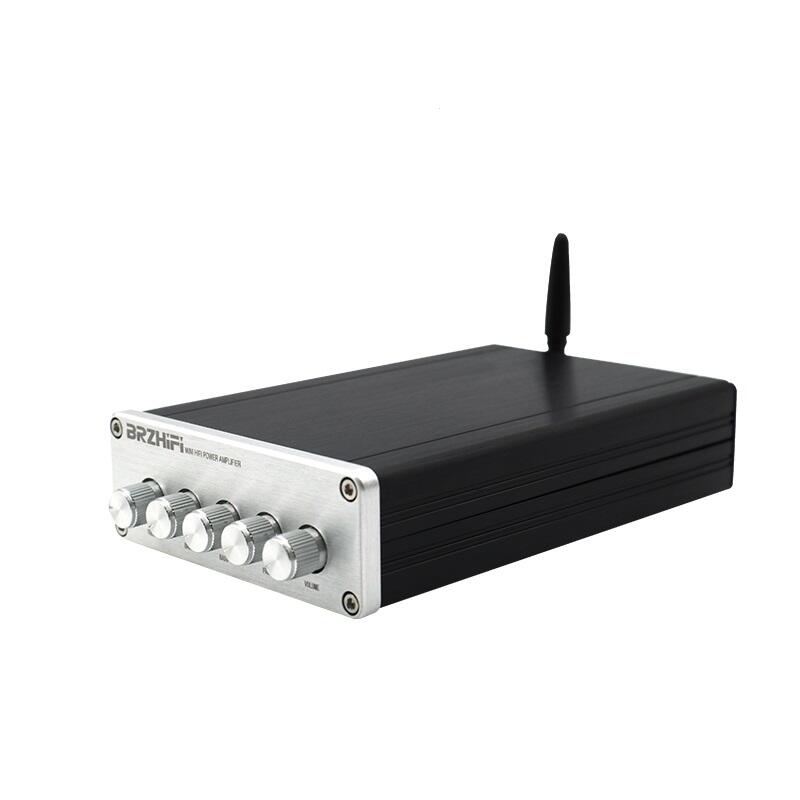
Bulk purchasing decisions for audio equipment require careful consideration of technical specifications, quality standards, and cost-effectiveness. When evaluating a cheap class d amplifier for large-scale procurement, buyers must balance budget constraints with performance requirements to ensure successful project outcomes. Understanding the critical evaluation criteria helps procurement professionals make informed decisions that minimize risks while maximizing value for their audio system installations.
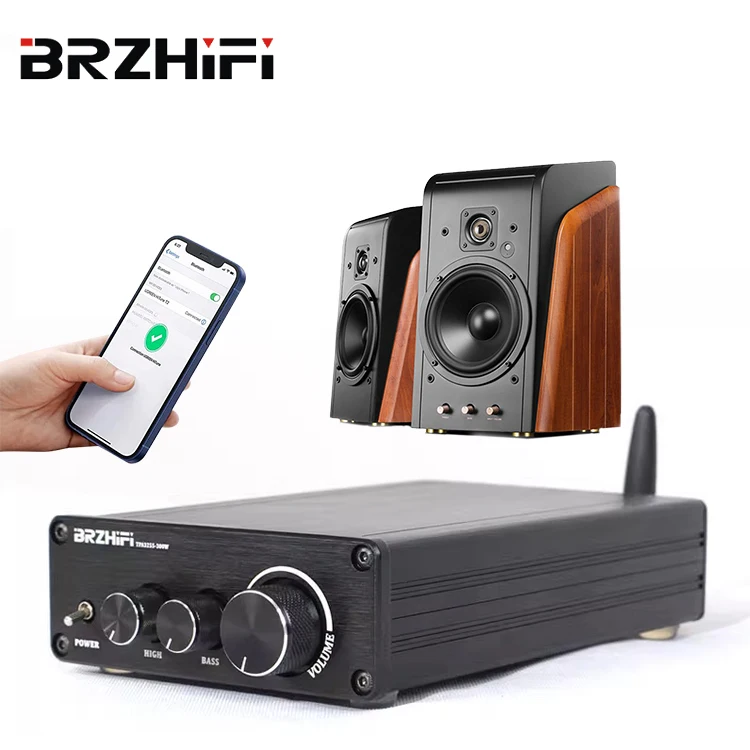
The modern market offers numerous options for affordable amplification solutions, making it essential for buyers to develop systematic evaluation approaches. Quality variations among manufacturers can significantly impact long-term reliability and customer satisfaction. Establishing clear assessment protocols ensures consistent purchasing decisions across multiple procurement cycles and helps maintain standardized performance levels throughout audio installations.
Professional buyers understand that initial cost savings must be weighed against potential maintenance expenses and replacement frequencies. A well-chosen cheap class d amplifier can deliver excellent value when properly evaluated, while poor selection decisions may result in increased operational costs and system downtime. Strategic purchasing requires comprehensive understanding of both technical specifications and market dynamics affecting amplifier performance and reliability.
Technical Specifications Analysis
Power Output and Efficiency Ratings
Power specifications represent the fundamental performance characteristic that determines amplifier suitability for specific applications. Bulk buyers should verify continuous power ratings rather than peak or maximum specifications, as continuous ratings provide realistic performance expectations under normal operating conditions. Understanding the relationship between power output and load impedance helps ensure proper matching with speaker systems and prevents overdriving or underutilization scenarios.
Efficiency ratings directly impact operational costs and thermal management requirements in large-scale installations. A quality cheap class d amplifier typically achieves efficiency ratings above 85 percent, significantly reducing power consumption compared to traditional linear amplifiers. Higher efficiency translates to lower electricity bills and reduced cooling requirements, making these factors particularly important for venues with multiple amplifier installations or continuous operation schedules.
Total harmonic distortion measurements provide insight into audio quality and amplifier design sophistication. Professional-grade specifications typically maintain THD levels below 0.1 percent at rated output, ensuring clean audio reproduction across various input signals. Buyers should request detailed distortion specifications across the entire power range rather than single-point measurements to understand real-world performance characteristics.
Input and Output Connectivity Options
Modern audio systems require flexible connectivity options to accommodate diverse source equipment and installation scenarios. Comprehensive input options including analog, digital, and wireless connectivity ensure compatibility with existing equipment and future system expansions. Evaluating connector quality and accessibility helps prevent installation complications and maintenance difficulties in deployed systems.
Output configuration flexibility allows single amplifier models to serve multiple application types, reducing inventory complexity for bulk buyers. Multiple output impedance options enable optimization for different speaker loads, while protection circuits prevent damage from incorrect connections. Understanding output capabilities helps buyers select amplifiers that provide maximum versatility across various installation scenarios.
Signal processing features such as equalization, crossover functions, and digital signal processing capabilities can eliminate the need for additional external equipment. Integrated processing reduces system complexity and potential failure points while providing cost savings through component consolidation. Buyers should evaluate whether built-in processing features meet their specific application requirements or if external processing remains necessary.
Build Quality and Reliability Assessment
Component Quality and Manufacturing Standards
Internal component quality significantly affects long-term reliability and performance consistency across production batches. Examining capacitor types, transformer specifications, and circuit board quality provides insight into manufacturer commitment to durability and performance standards. High-quality components typically cost more initially but provide superior reliability and longer service life in demanding applications.
Manufacturing standards and quality control processes vary significantly among cheap class d amplifier producers, making supplier evaluation crucial for bulk purchasing success. Requesting information about quality assurance procedures, testing protocols, and defect rates helps assess manufacturing consistency. Suppliers with documented quality management systems typically provide more reliable products and better customer support throughout the product lifecycle.
Thermal management design affects both performance stability and component longevity in continuous operation scenarios. Adequate heat sinking, ventilation design, and thermal protection circuits prevent performance degradation and premature failure. Buyers should evaluate cooling system adequacy for their intended operating environments and duty cycles to ensure reliable operation.
Warranty Coverage and Support Services
Warranty terms reflect manufacturer confidence in product reliability and provide important protection for bulk purchasing investments. Comprehensive warranty coverage should include parts, labor, and shipping costs for repair or replacement services. Understanding warranty limitations and exclusions helps buyers assess true ownership costs and plan for potential service requirements.
Technical support availability and quality directly impact installation success and ongoing operational efficiency. Suppliers providing comprehensive documentation, installation guidance, and troubleshooting resources reduce deployment risks and minimize technical complications. Evaluating support responsiveness and expertise levels helps ensure adequate assistance when needed.
Replacement part availability and service network coverage affect long-term maintenance capabilities and system uptime. Suppliers maintaining adequate spare part inventories and authorized service centers provide better support for deployed systems. Understanding service infrastructure helps buyers plan maintenance strategies and assess total ownership costs over extended operational periods.
Performance Testing and Validation
Audio Quality Evaluation Methods
Systematic audio quality testing provides objective performance data for comparing different amplifier options and validating manufacturer specifications. Frequency response measurements reveal tonal characteristics and bandwidth limitations that affect audio reproduction accuracy. Testing should include measurements at various power levels to understand performance consistency across the operating range.
Dynamic range and signal-to-noise ratio measurements indicate amplifier ability to reproduce quiet passages while maintaining clean output at higher levels. These specifications particularly impact applications requiring wide dynamic range reproduction such as music playback or speech reinforcement systems. A quality cheap class d amplifier should maintain excellent signal-to-noise ratios across all input sensitivity settings.
Stability testing under various load conditions ensures reliable operation with different speaker configurations and impedance variations. Testing with reactive loads simulates real-world speaker behavior and reveals potential stability issues not apparent with simple resistive loads. Understanding amplifier behavior under challenging load conditions prevents field failures and compatibility problems.
Environmental and Stress Testing
Operating temperature range testing validates amplifier performance under environmental conditions typical of intended installation locations. Temperature cycling tests reveal thermal stress effects on performance stability and component reliability. Buyers should ensure amplifier specifications match environmental requirements for their specific installation scenarios.
Vibration and shock resistance testing determines suitability for mobile applications or installations subject to mechanical stress. Transportation and installation handling can subject equipment to significant mechanical forces that may affect reliability. Understanding mechanical durability helps prevent damage during deployment and operation in challenging environments.
Electromagnetic compatibility testing ensures proper operation in environments with radio frequency interference or other electronic equipment. Poor EMC performance can cause audio interference or operational instability in complex electronic environments. Verifying EMC compliance helps prevent operational problems and ensures regulatory compliance in commercial installations.
Cost Analysis and Value Assessment
Total Cost of Ownership Calculation
Initial purchase price represents only one component of total ownership costs over the amplifier lifecycle. Operating expenses including power consumption, maintenance requirements, and replacement frequencies significantly impact long-term costs. Calculating total cost of ownership enables accurate comparison between different cheap class d amplifier options and supports informed purchasing decisions.
Energy efficiency directly affects operational costs in installations with continuous or high-duty-cycle operation. Comparing power consumption specifications at typical operating levels reveals potential electricity cost differences over multi-year operational periods. Higher efficiency models may justify premium pricing through reduced operational expenses and environmental benefits.
Maintenance and repair costs vary significantly among manufacturers and product quality levels. Reliable amplifiers require minimal maintenance while poor-quality units may need frequent service or early replacement. Evaluating reliability history and warranty claim rates provides insight into likely maintenance expenses and system availability.
Volume Pricing and Procurement Strategies
Volume pricing negotiations can significantly reduce per-unit costs for large quantity purchases while providing additional value through extended warranties or enhanced support services. Understanding supplier pricing structures and minimum quantities helps optimize order sizing for maximum cost efficiency. Strategic timing of purchases may also provide opportunities for additional savings.
Standardization on specific models or manufacturers provides benefits including reduced inventory complexity, simplified training requirements, and enhanced service efficiency. Bulk buyers should consider standardization benefits when evaluating different cheap class d amplifier options and supplier relationships. Long-term supplier partnerships may provide additional advantages including priority support and product development input.
Payment terms and financing options affect cash flow and total project costs for large purchases. Suppliers offering favorable payment terms or financing arrangements may provide competitive advantages beyond unit pricing. Understanding all financial aspects helps optimize purchasing decisions and project budgeting accuracy.
Supplier Evaluation and Selection
Manufacturer Reputation and Track Record
Supplier reputation and industry experience provide important indicators of product quality and business stability for bulk purchasing relationships. Established manufacturers typically maintain consistent quality standards and provide reliable customer support throughout product lifecycles. Researching supplier history, customer references, and industry recognition helps assess partnership potential.
Manufacturing capacity and quality control capabilities affect supplier ability to fulfill large orders while maintaining consistent quality standards. Understanding production capabilities and quality assurance processes helps ensure successful order fulfillment and product consistency. Suppliers with documented quality management systems typically provide more reliable products and services.
Financial stability and business continuity planning affect long-term supplier viability and support availability. Evaluating supplier financial health and business continuity plans helps ensure ongoing parts availability and service support throughout amplifier lifecycles. Stable suppliers provide better assurance of long-term business relationships and product support.
Customer Service and Technical Support
Responsive customer service and knowledgeable technical support significantly impact purchasing experience and ongoing operational success. Suppliers providing comprehensive pre-sales consultation, installation support, and ongoing technical assistance reduce deployment risks and operational complications. Evaluating support quality and availability helps ensure adequate assistance when needed.
Documentation quality and availability affect installation efficiency and troubleshooting capabilities for technical staff. Comprehensive user manuals, specification sheets, and application guides reduce training requirements and support costs. Suppliers providing detailed documentation and training resources typically support more successful deployments and reduced support requirements.
Service response times and resolution effectiveness directly impact system availability and operational continuity. Understanding supplier service capabilities and commitments helps plan maintenance strategies and assess operational risk levels. Suppliers with comprehensive service networks and rapid response capabilities provide better assurance of minimal downtime.
FAQ
What power specifications should bulk buyers prioritize when evaluating cheap class D amplifiers?
Bulk buyers should focus on continuous power ratings rather than peak specifications, as continuous ratings provide realistic performance expectations for normal operation. RMS power output at specific impedance loads gives accurate capability assessment for speaker matching. Additionally, efficiency ratings above 85 percent ensure lower operational costs and reduced cooling requirements in large installations.
How can buyers verify the build quality of budget-priced class D amplifiers?
Build quality assessment requires examining internal component specifications, manufacturing standards documentation, and thermal management design. Request information about capacitor types, circuit board quality, and quality control processes from suppliers. Physical inspection of sample units can reveal construction quality, while warranty terms often reflect manufacturer confidence in reliability and durability.
What connectivity features are essential for modern amplifier installations?
Essential connectivity includes multiple analog inputs, digital input options, and wireless capabilities for maximum compatibility. Output flexibility with multiple impedance options enables optimization for various speaker loads. Built-in signal processing features such as equalization and crossover functions can eliminate additional equipment needs while reducing system complexity and potential failure points.
How should bulk buyers calculate total cost of ownership for amplifier purchases?
Total cost calculation must include initial purchase price, operational expenses such as power consumption, maintenance costs, and expected replacement frequency. Energy efficiency specifications help estimate electricity costs over multi-year periods. Reliability history and warranty claim rates provide insight into maintenance expenses, while supplier support quality affects operational efficiency and troubleshooting costs.
Table of Contents
- Technical Specifications Analysis
- Build Quality and Reliability Assessment
- Performance Testing and Validation
- Cost Analysis and Value Assessment
- Supplier Evaluation and Selection
-
FAQ
- What power specifications should bulk buyers prioritize when evaluating cheap class D amplifiers?
- How can buyers verify the build quality of budget-priced class D amplifiers?
- What connectivity features are essential for modern amplifier installations?
- How should bulk buyers calculate total cost of ownership for amplifier purchases?