
 EN
EN
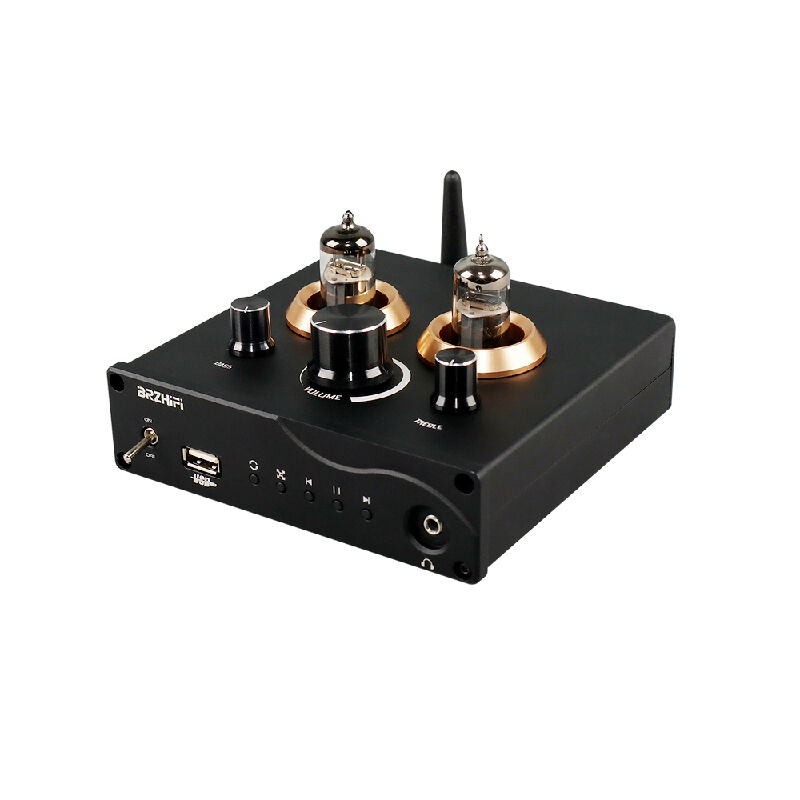
When B2B buyers evaluate partnerships with audio equipment suppliers, understanding what to expect from a professional hifi digital amplifiers manufacturer becomes crucial for making informed purchasing decisions. The amplifier manufacturing landscape has evolved significantly, with digital technology revolutionizing how professional audio systems deliver superior sound quality and reliability. Modern businesses require amplifier solutions that combine cutting-edge technology with proven manufacturing excellence to meet demanding commercial applications.
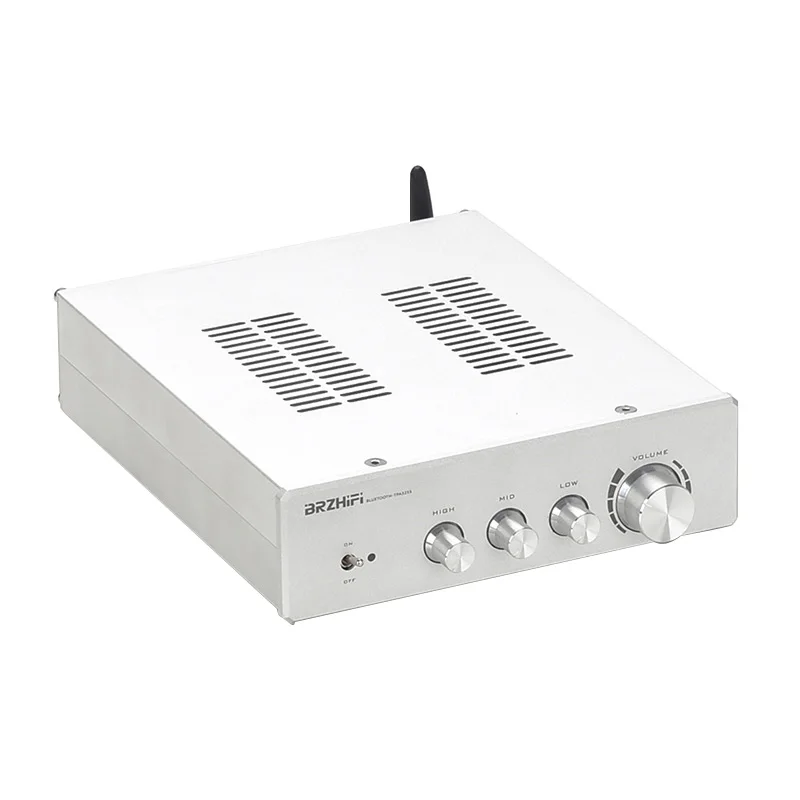
Professional amplifier procurement involves multiple technical considerations that extend beyond basic specifications. B2B buyers must evaluate manufacturers based on their engineering capabilities, quality control processes, and ability to deliver consistent performance across diverse operational environments. A reputable hifi digital amplifiers manufacturer should demonstrate expertise in advanced circuit design, thermal management, and signal processing technologies that ensure optimal audio reproduction.
The complexity of modern audio systems requires manufacturers to provide comprehensive support throughout the entire product lifecycle. This includes pre-sales technical consultation, custom configuration options, and post-installation maintenance services. Understanding these expectations helps buyers establish productive partnerships that deliver long-term value and operational success.
Manufacturing Excellence and Quality Standards
Production Facility Capabilities
A professional hifi digital amplifiers manufacturer should operate state-of-the-art production facilities equipped with precision manufacturing equipment and automated testing systems. Modern amplifier production requires controlled environments that maintain consistent temperature and humidity levels to ensure component reliability and performance consistency. Advanced manufacturers invest in automated surface-mount technology systems that enable precise component placement and soldering processes.
Quality control measures must be integrated throughout every production stage, from incoming component inspection to final product testing. Professional manufacturers implement statistical process control methods that monitor key performance indicators and identify potential quality issues before they impact finished products. This systematic approach ensures that every amplifier meets specified performance criteria and reliability standards.
Manufacturing scalability represents another critical factor for B2B buyers who may require varying order quantities or customized configurations. Established manufacturers maintain flexible production lines that can accommodate both large-scale orders and specialized requirements without compromising quality or delivery schedules.
Certification and Compliance Standards
International certification compliance demonstrates a hifi digital amplifiers manufacturer's commitment to quality and safety standards. Professional manufacturers should hold relevant certifications including CE marking for European markets, FCC approval for North American applications, and RoHS compliance for environmental regulations. These certifications validate that products meet stringent electromagnetic compatibility and safety requirements.
ISO quality management system certification provides additional assurance of consistent manufacturing processes and continuous improvement initiatives. Manufacturers with ISO 9001 certification demonstrate systematic approaches to quality management that reduce defect rates and enhance customer satisfaction levels.
Environmental compliance extends beyond basic regulatory requirements to include sustainable manufacturing practices and responsible material sourcing. Leading manufacturers implement green production initiatives that minimize environmental impact while maintaining product quality and performance standards.
Technical Innovation and Design Capabilities
Digital Signal Processing Technology
Advanced digital signal processing capabilities distinguish professional amplifier manufacturers from basic equipment suppliers. Modern hifi digital amplifiers incorporate sophisticated DSP algorithms that optimize audio reproduction, eliminate distortion, and provide enhanced system flexibility. Professional manufacturers invest in research and development programs that advance digital amplification technology and improve overall system performance.
Class D amplification technology represents a significant advancement in amplifier design, offering superior efficiency and reduced heat generation compared to traditional analog designs. Expert manufacturers understand the complexities of switching amplifier design and implement advanced modulation schemes that minimize electromagnetic interference while maximizing audio fidelity.
Thermal management systems integrated into amplifier designs ensure reliable operation under demanding conditions. Professional manufacturers employ advanced cooling technologies including heat sinks, forced-air cooling, and intelligent thermal monitoring systems that prevent overheating and extend component lifespan.
Customization and Engineering Support
Professional hifi digital amplifiers manufacturer capabilities should include custom engineering services that address specific application requirements. This may involve modifying standard designs to meet unique power requirements, implementing specialized connectivity options, or developing completely custom solutions for specialized applications.
Engineering support services provide valuable assistance during system design and integration phases. Experienced manufacturers offer technical consultation that helps buyers select appropriate amplifier configurations, optimize system performance, and troubleshoot potential compatibility issues before installation.
Prototyping capabilities enable manufacturers to develop and test custom solutions before full-scale production. This iterative design process ensures that final products meet all specified requirements and perform reliably in intended applications.
Supply Chain Management and Reliability
Component Sourcing and Quality Control
Reliable component sourcing represents a fundamental aspect of professional amplifier manufacturing that directly impacts product quality and availability. Established manufacturers maintain relationships with certified component suppliers who provide consistent quality and reliable delivery schedules. This includes sourcing high-grade capacitors, precision resistors, and advanced semiconductor devices that ensure optimal amplifier performance.
Incoming inspection processes verify that all components meet specified tolerances and quality standards before integration into finished products. Professional manufacturers implement comprehensive testing protocols that identify potential component defects and prevent quality issues from propagating through production processes.
Supply chain diversification strategies help manufacturers maintain production continuity during component shortages or supply disruptions. Leading hifi digital amplifiers manufacturer companies maintain relationships with multiple suppliers for critical components and maintain strategic inventory levels that buffer against supply chain volatility.
Production Planning and Delivery Performance
Effective production planning systems enable manufacturers to meet delivery commitments while maintaining quality standards. Professional manufacturers implement enterprise resource planning systems that coordinate material requirements, production scheduling, and quality control processes to ensure timely order fulfillment.
Delivery performance metrics provide objective measures of manufacturer reliability and customer service quality. B2B buyers should evaluate manufacturers based on on-time delivery rates, order accuracy levels, and responsiveness to urgent requirements or schedule changes.
Inventory management practices affect both product availability and cost structures. Professional manufacturers balance inventory investment with customer service requirements, maintaining adequate stock levels for standard products while managing lead times for custom configurations.
Technical Support and Customer Service
Pre-Sales Engineering Consultation
Comprehensive pre-sales support distinguishes professional hifi digital amplifiers manufacturer companies from basic equipment suppliers. Expert manufacturers provide detailed technical consultation that helps buyers understand product capabilities, evaluate system compatibility, and select optimal configurations for specific applications.
Application engineering services assist buyers in designing complete audio systems that integrate amplifiers with other system components. This includes power calculations, impedance matching analysis, and thermal considerations that ensure optimal system performance and reliability.
Product demonstrations and evaluation programs allow buyers to test amplifier performance in actual operating conditions before making purchasing commitments. Professional manufacturers facilitate these evaluation opportunities and provide technical support throughout testing periods.
Post-Sales Support and Maintenance
Ongoing technical support ensures that customers achieve optimal performance from their amplifier investments. Professional manufacturers provide multiple support channels including telephone consultation, email assistance, and online technical resources that address installation questions and troubleshooting requirements.
Maintenance programs help extend amplifier lifespan and maintain performance standards over time. These may include preventive maintenance procedures, replacement part availability, and repair services that minimize system downtime and operational disruption.
Training programs educate customer personnel on proper amplifier operation, maintenance procedures, and troubleshooting techniques. This knowledge transfer reduces support requirements and improves overall system reliability.
Cost Considerations and Value Proposition
Total Cost of Ownership Analysis
Professional B2B buyers evaluate amplifier purchases based on total cost of ownership rather than initial purchase price alone. A reputable hifi digital amplifiers manufacturer should provide transparent pricing that reflects the true value of advanced engineering, quality construction, and comprehensive support services.
Energy efficiency characteristics significantly impact operational costs over amplifier lifespan. Modern Class D amplification technology offers superior efficiency compared to traditional designs, resulting in reduced power consumption and lower cooling requirements that decrease total operating expenses.
Reliability factors affect maintenance costs and system availability. Higher-quality amplifiers from established manufacturers typically exhibit longer service intervals and reduced failure rates that minimize maintenance expenses and operational disruptions.
Return on Investment Factors
Performance advantages delivered by professional-grade amplifiers often justify premium pricing through improved system capabilities and enhanced user satisfaction. Superior audio quality, advanced features, and reliable operation contribute to positive return on investment calculations.
Scalability considerations affect long-term value propositions. Professional manufacturers design amplifier systems that accommodate future expansion requirements and technology upgrades without requiring complete system replacement.
Warranty provisions and service commitments provide additional value that protects investment security. Comprehensive warranty coverage and responsive service support reduce ownership risks and ensure consistent system performance throughout the product lifecycle.
Partnership and Relationship Management
Communication and Responsiveness
Effective communication represents a cornerstone of successful manufacturer-customer relationships in professional audio markets. Leading hifi digital amplifiers manufacturer companies maintain dedicated account management teams that understand customer requirements and provide personalized service support.
Response time commitments for technical inquiries and support requests demonstrate manufacturer commitment to customer success. Professional manufacturers establish service level agreements that define expected response times and resolution procedures for various types of customer issues.
Regular communication initiatives keep customers informed about product developments, technical updates, and industry trends that may affect their operations. This proactive approach helps customers make informed decisions about system upgrades and technology adoption.
Long-Term Partnership Development
Strategic partnerships between manufacturers and customers create mutual benefits that extend beyond individual transactions. Professional manufacturers invest in understanding customer business requirements and develop solutions that support long-term operational success.
Collaborative product development opportunities allow customers to influence manufacturer roadmaps and contribute to next-generation product designs. This collaboration ensures that new products address real market needs and provide meaningful performance improvements.
Preferred customer programs may provide benefits including priority support access, advance product notifications, and special pricing considerations for volume purchases or long-term commitments.
FAQ
What certifications should I expect from a professional amplifier manufacturer?
Professional hifi digital amplifiers manufacturer companies should hold relevant safety and performance certifications including CE marking for European compliance, FCC approval for North American markets, and RoHS environmental compliance. ISO 9001 quality management certification provides additional assurance of consistent manufacturing processes and quality control systems.
How important is customization capability when selecting an amplifier manufacturer?
Customization capabilities become increasingly important as system requirements become more specialized. Professional manufacturers should offer engineering support for modified configurations, custom connectivity options, and specialized performance requirements. This flexibility ensures that amplifier solutions align with specific application needs rather than forcing customers to compromise on system design.
What level of technical support should I expect during implementation?
Comprehensive technical support should include pre-sales consultation for system design, installation guidance, and ongoing operational support. Professional manufacturers provide multiple support channels including direct engineering contact, online resources, and training programs that ensure successful system integration and optimal long-term performance.
How can I evaluate the reliability of a potential amplifier manufacturer?
Manufacturer reliability can be assessed through several factors including production facility capabilities, quality certifications, customer references, and warranty terms. Request information about manufacturing processes, quality control procedures, and delivery performance metrics. Customer testimonials and case studies provide valuable insights into real-world performance and support quality from established hifi digital amplifiers manufacturer companies.
Table of Contents
- Manufacturing Excellence and Quality Standards
- Technical Innovation and Design Capabilities
- Supply Chain Management and Reliability
- Technical Support and Customer Service
- Cost Considerations and Value Proposition
- Partnership and Relationship Management
-
FAQ
- What certifications should I expect from a professional amplifier manufacturer?
- How important is customization capability when selecting an amplifier manufacturer?
- What level of technical support should I expect during implementation?
- How can I evaluate the reliability of a potential amplifier manufacturer?