
 EN
EN
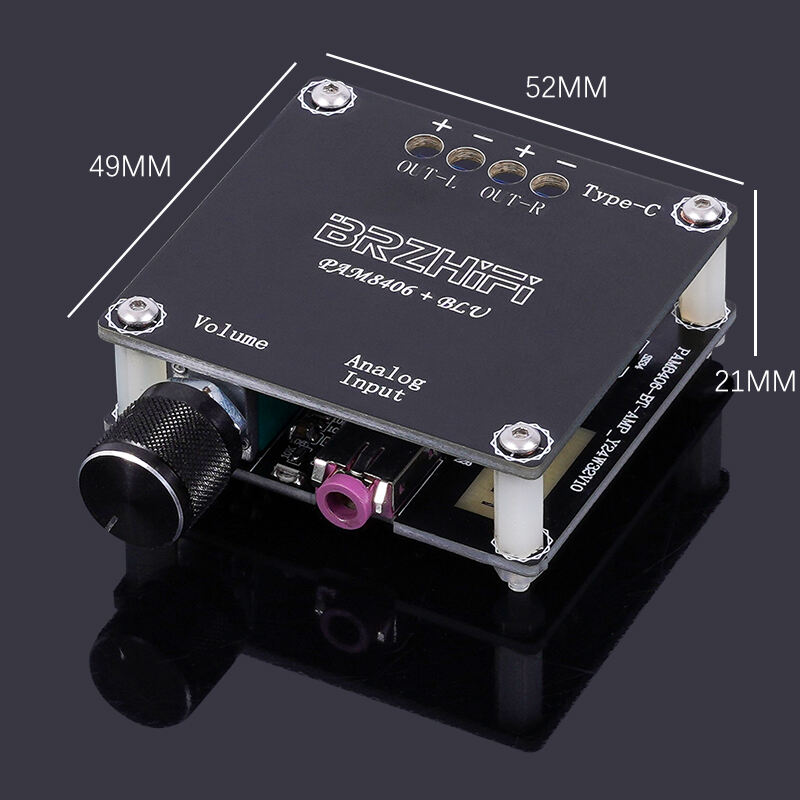
Selecting the right digital power amplifier requires careful consideration of multiple technical and performance factors that directly impact audio quality and system compatibility. Modern digital amplification technology has revolutionized the audio industry by delivering exceptional efficiency, reduced heat generation, and superior sound reproduction compared to traditional analog amplifiers. Understanding the key selection criteria ensures you make an informed decision that meets your specific audio requirements while maximizing long-term performance and reliability.
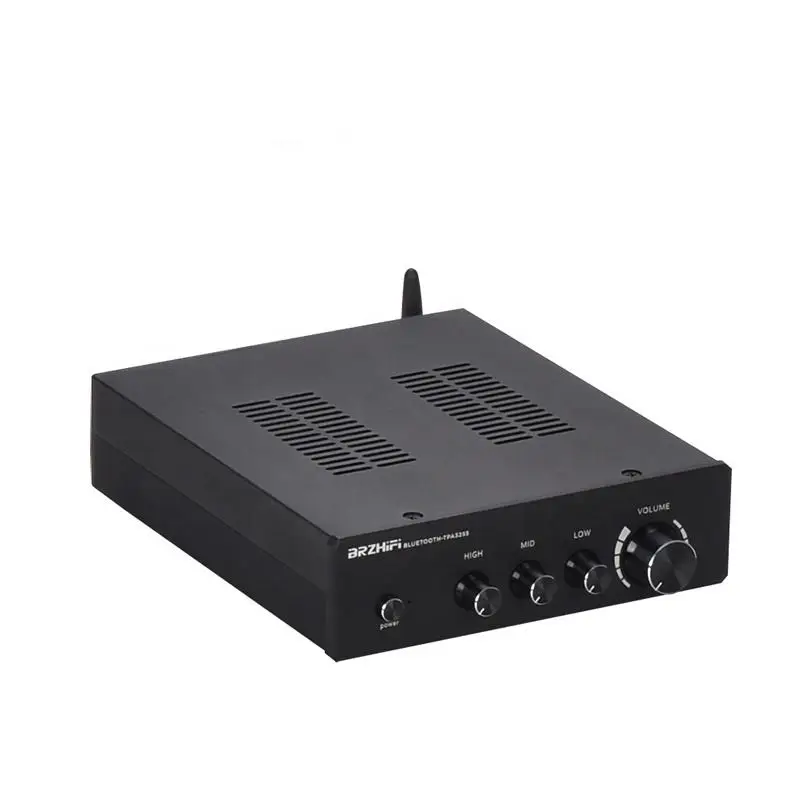
The evolution of digital amplification technology has created new standards for audio performance, making it essential to evaluate amplifiers based on contemporary metrics rather than outdated analog benchmarks. Professional audio engineers and enthusiasts increasingly rely on digital power amplifiers for their superior signal processing capabilities, reduced distortion characteristics, and enhanced dynamic range. These advantages stem from advanced Class D topology and sophisticated digital signal processing algorithms that optimize power delivery while maintaining exceptional audio fidelity across various listening conditions.
Power Output and Efficiency Specifications
Understanding RMS Power Ratings
Root Mean Square power ratings provide the most accurate measurement of a digital power amplifier's continuous output capability. Unlike peak power specifications that represent momentary maximum output, RMS ratings indicate sustained power delivery over extended periods without thermal stress or performance degradation. When evaluating a digital power amplifier, examine RMS ratings at specific impedance levels, typically 4 ohms and 8 ohms, as these directly correlate with real-world speaker compatibility and performance expectations.
Professional-grade digital amplifiers often specify power ratings across multiple impedance loads, providing flexibility for various speaker configurations. Higher-end models may deliver 300-600 watts per channel into 4-ohm loads while maintaining clean, distortion-free output. This specification becomes particularly important when matching amplifiers to demanding speakers that require substantial power reserves for dynamic peaks and transient response.
Efficiency and Thermal Management
Digital power amplifiers typically achieve efficiency ratings between 85-95%, significantly higher than traditional Class AB amplifiers that average 50-70% efficiency. This improved efficiency translates to reduced heat generation, lower electricity consumption, and enhanced reliability during extended operation. Advanced switching power supply designs and optimized Class D output stages contribute to these impressive efficiency figures while maintaining excellent audio performance.
Thermal management becomes crucial for maintaining consistent performance, especially in professional installations or high-volume listening environments. Quality digital amplifiers incorporate sophisticated heat dissipation systems, including aluminum heat sinks, variable-speed cooling fans, and thermal protection circuits that prevent damage from excessive temperatures. These features ensure reliable operation while preserving the amplifier's long-term performance characteristics.
Audio Quality and Signal Processing Features
Total Harmonic Distortion and Signal-to-Noise Ratio
Total Harmonic Distortion measurements reveal how accurately a digital power amplifier reproduces input signals without introducing unwanted harmonics or artifacts. Premium digital amplifiers achieve THD ratings below 0.1% across their operating bandwidth, ensuring transparent signal reproduction that preserves musical detail and spatial information. Lower distortion figures indicate superior circuit design and component quality, particularly in the output filtering and power supply sections.
Signal-to-noise ratio specifications measure the amplifier's ability to distinguish between desired audio signals and background noise floor. Digital amplifiers typically achieve SNR ratings exceeding 100dB, providing exceptionally quiet operation that reveals subtle musical details without audible hiss or interference. This specification becomes particularly important for critical listening applications where background noise could compromise the listening experience.
Digital Signal Processing Capabilities
Modern digital power amplifiers often incorporate advanced DSP features that enhance versatility and performance optimization. These may include parametric equalization, crossover filtering, time delay compensation, and dynamic range processing. Such features allow users to tailor the amplifier's response characteristics to specific room acoustics, speaker properties, or personal preferences without requiring external processing equipment.
Professional-oriented models may offer sophisticated room correction algorithms, speaker protection systems, and automatic gain control functions. These intelligent features protect connected speakers from damage while optimizing system performance across various operating conditions. Digital signal processing also enables precise phase and timing adjustments that can significantly improve stereo imaging and soundstage presentation.
Connectivity and Integration Options
Input Configuration and Format Support
Comprehensive input connectivity ensures seamless integration with various source components and system configurations. Quality digital power amplifiers provide multiple analog inputs, including balanced XLR and unbalanced RCA connections, accommodating professional and consumer audio equipment. Digital inputs such as optical, coaxial, and USB connections enable direct digital signal processing without analog conversion stages that could introduce noise or distortion.
High-resolution audio format support has become increasingly important as music streaming and digital audio sources continue to evolve. Advanced digital amplifiers can process PCM signals up to 192kHz/24-bit resolution and may support DSD formats for ultra-high-fidelity playback. This capability ensures compatibility with current and future digital audio sources while maximizing the potential of high-resolution recordings.
Network and Wireless Connectivity
Modern digital power amplifiers increasingly incorporate network connectivity features that enable remote control, streaming capabilities, and system integration. Wi-Fi and Ethernet connections allow for wireless audio streaming from smartphones, tablets, and network-attached storage devices. Bluetooth support with advanced codecs like aptX HD or LDAC ensures high-quality wireless audio transmission without significant compression artifacts.
Smart home integration capabilities enable digital amplifiers to function as part of comprehensive automation systems. Voice control compatibility, smartphone app control, and integration with popular streaming services expand usability while maintaining focus on audio performance. These features transform the digital power amplifier from a simple playback device into a versatile entertainment hub that adapts to modern lifestyle requirements.
Build Quality and Component Selection
Circuit Design and Component Quality
Premium digital power amplifiers utilize high-quality components throughout their signal path, including low-noise operational amplifiers, precision resistors, and high-grade capacitors. The power supply design significantly impacts overall performance, with switched-mode supplies offering excellent regulation and efficiency when properly implemented. Linear power supplies in critical signal sections may provide additional noise reduction and improved dynamic response.
Output filtering circuits play a crucial role in digital amplifier performance, removing switching artifacts while preserving audio bandwidth. Quality implementations use carefully selected inductors and capacitors in multi-stage filter networks that maintain phase linearity and minimize group delay variations. These components directly influence the amplifier's ability to accurately reproduce complex musical passages and maintain timing precision across the audio spectrum.
Chassis Construction and Shielding
Robust chassis construction protects internal components while minimizing electromagnetic interference that could affect audio performance. Aluminum or steel enclosures provide excellent shielding properties and heat dissipation characteristics essential for stable operation. Internal component layout and grounding schemes significantly impact noise performance and long-term reliability in digital power amplifiers.
Attention to mechanical details such as connector quality, control feel, and overall fit-and-finish often reflects the manufacturer's commitment to performance and reliability. Professional-grade digital amplifiers feature reinforced connection points, gold-plated contacts, and vibration-resistant component mounting that ensures consistent performance throughout the product's operational lifetime.
Performance Testing and Measurement Considerations
Frequency Response and Bandwidth
Accurate frequency response measurement reveals how consistently a digital power amplifier reproduces audio signals across the entire audible spectrum. Quality amplifiers maintain flat response from 20Hz to 20kHz with minimal deviation, ensuring neutral reproduction of all musical content. Extended bandwidth capability beyond the audible range may indicate superior circuit design and component quality that benefits overall performance.
Phase response characteristics become particularly important for stereo imaging and soundstage accuracy. Linear phase response maintains proper timing relationships between different frequency components, preserving the original recording's spatial information. Digital power amplifiers with well-designed output filtering can achieve excellent phase linearity while maintaining adequate switching artifact suppression.
Dynamic Range and Transient Response
Dynamic range measurements indicate the amplifier's ability to reproduce both quiet passages and loud peaks without compression or distortion. Premium digital amplifiers achieve dynamic range exceeding 110dB, providing sufficient headroom for even the most demanding musical content. This specification becomes particularly important when reproducing orchestral music, live recordings, or other content with wide dynamic variations.
Transient response characteristics determine how accurately the amplifier reproduces sudden changes in signal level or frequency content. Fast slew rates and minimal settling time ensure precise reproduction of percussive instruments, vocal sibilants, and other transient musical elements. These parameters directly influence the amplifier's ability to maintain rhythmic precision and musical timing accuracy during complex passages.
Practical Installation and Usage Factors
Size, Weight, and Mounting Options
Physical dimensions and weight considerations affect installation flexibility and system integration possibilities. Compact digital power amplifiers offer space-saving advantages for desktop systems or installations with limited rack space. Conversely, larger units may provide better heat dissipation, additional connectivity options, or higher power output capabilities that justify their increased footprint.
Mounting options such as rack ears, desktop feet, or wall-mount brackets expand installation possibilities while ensuring proper ventilation and accessibility. Professional installations often require specific mounting configurations that maintain adequate airflow while providing secure, vibration-resistant mounting. These considerations become particularly important in permanent installations or mobile applications where reliability and accessibility are paramount.
User Interface and Control Systems
Intuitive control interfaces enhance daily usability while providing access to advanced configuration options. Front-panel displays, rotary controls, and status indicators should provide clear feedback about operating conditions and settings. Remote control capabilities, whether through dedicated handsets or smartphone applications, add convenience for systems where the amplifier is not easily accessible.
Menu systems and configuration options should balance simplicity with functionality, allowing both novice users and audio professionals to optimize performance for their specific requirements. Clear documentation and setup guidance ensure users can fully utilize the digital power amplifier's capabilities while avoiding configuration errors that might compromise performance or damage connected equipment.
FAQ
What makes digital power amplifiers more efficient than analog amplifiers
Digital power amplifiers achieve superior efficiency through Class D switching technology that rapidly switches the output transistors between fully on and fully off states. This switching operation minimizes power loss as heat, typically achieving 85-95% efficiency compared to 50-70% for traditional Class AB amplifiers. The switching power supply and advanced output filtering further contribute to this efficiency advantage while maintaining excellent audio quality.
How important is the switching frequency in digital power amplifier selection
Switching frequency directly impacts both audio performance and electromagnetic interference characteristics in digital power amplifiers. Higher switching frequencies, typically 400kHz or above, push switching artifacts well above the audible range, simplifying output filter design and reducing audible interference. However, very high switching frequencies may increase power consumption and electromagnetic emissions, requiring careful balancing during amplifier design and selection.
Do digital power amplifiers require special speaker cables or connections
Digital power amplifiers do not require special speaker cables beyond standard audio-grade wiring appropriate for the power levels and distances involved. However, proper cable selection remains important for maintaining low resistance and minimizing electromagnetic interference pickup. Quality speaker cables with adequate conductor size and good shielding characteristics will optimize performance regardless of amplifier type.
Can digital power amplifiers damage speakers more easily than analog amplifiers
Digital power amplifiers do not inherently pose greater risk to speakers than analog amplifiers when properly designed and operated within specifications. Modern digital amplifiers often include sophisticated speaker protection systems that monitor current, temperature, and impedance to prevent damage from overcurrent, short circuits, or thermal overload. These protection features may actually provide better speaker protection than traditional analog amplifiers lacking such intelligent monitoring systems.
Table of Contents
- Power Output and Efficiency Specifications
- Audio Quality and Signal Processing Features
- Connectivity and Integration Options
- Build Quality and Component Selection
- Performance Testing and Measurement Considerations
- Practical Installation and Usage Factors
-
FAQ
- What makes digital power amplifiers more efficient than analog amplifiers
- How important is the switching frequency in digital power amplifier selection
- Do digital power amplifiers require special speaker cables or connections
- Can digital power amplifiers damage speakers more easily than analog amplifiers