
 EN
EN
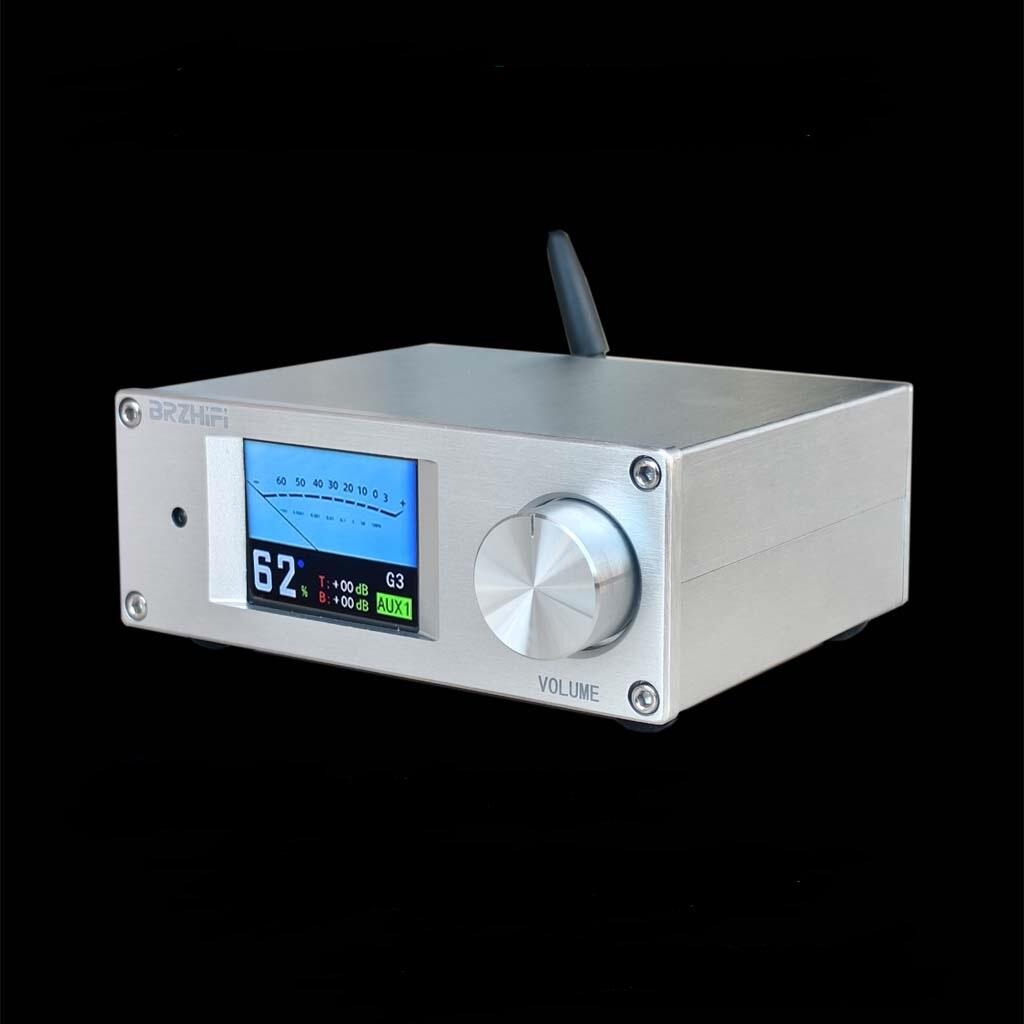
The world of high-fidelity audio has evolved dramatically over the past few decades, with enthusiasts constantly seeking ways to optimize their listening experience. Among the most significant developments in this realm has been the rise of modular audio systems, particularly hifi separates, which offer unprecedented flexibility for audiophiles looking to build and customize their perfect sound setup. Unlike all-in-one systems that lock users into predetermined configurations, hifi separates allow for individual component selection, incremental upgrades, and personalized audio chains that can evolve with changing preferences and technological advancements.
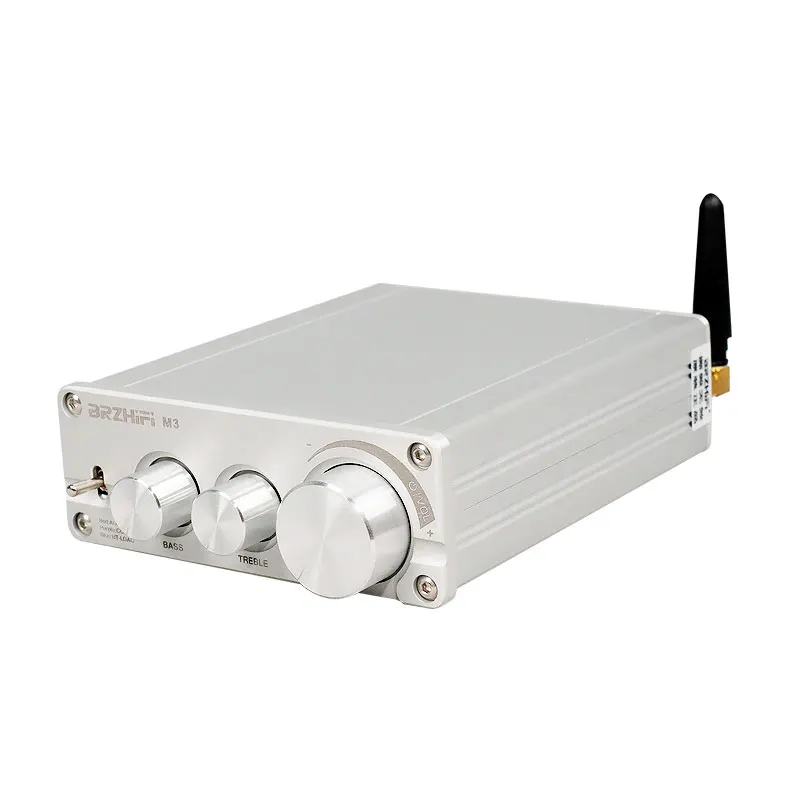
The modular approach to audio system design represents a fundamental shift away from traditional integrated solutions. When audiophiles choose hifi separates, they gain the ability to match components based on specific performance characteristics, budget considerations, and acoustic preferences. This flexibility extends beyond initial purchase decisions, creating opportunities for systematic improvements over time without requiring complete system replacements. The modular philosophy recognizes that audio reproduction involves multiple distinct processes, each benefiting from specialized engineering and dedicated circuitry.
Understanding the advantages of modular systems requires examining how they differ from integrated alternatives. While compact all-in-one units offer convenience and space efficiency, they often compromise on performance potential and upgrade pathways. Modular systems, built around hifi separates components, distribute functions across multiple dedicated units, allowing each to excel at its specific role while maintaining compatibility with a broader ecosystem of compatible products.
Component Independence and Performance Optimization
Specialized Function Distribution
The core principle behind hifi separates lies in the recognition that different audio functions benefit from specialized design approaches. Preamplifiers require different circuit topologies and power supply characteristics than power amplifiers, while digital-to-analog converters demand isolation from electromagnetic interference that might not affect other components. By separating these functions into dedicated units, engineers can optimize each component without compromise, resulting in superior overall system performance.
This specialization extends to physical considerations as well. Power amplifiers generate significant heat and benefit from robust cooling systems and substantial chassis construction, while sensitive analog circuits in preamplifiers require careful shielding and vibration isolation. When these functions are combined in integrated amplifiers, design compromises become inevitable, potentially limiting the performance ceiling of the entire system.
The modular approach also enables manufacturers to focus their expertise on specific component categories. Companies specializing in digital audio processing can dedicate resources to advancing DAC technology, while amplifier specialists concentrate on power delivery and driver compatibility. This focused development approach often results in superior components compared to those found in integrated solutions where resources must be divided across multiple functions.
Power Supply Isolation
One of the most significant technical advantages of hifi separates involves power supply isolation. Different audio components have vastly different power requirements and noise sensitivities. Digital circuits in sources and processors can introduce switching noise that affects sensitive analog stages, while power amplifiers draw substantial current that can cause voltage fluctuations affecting other components.
By housing components in separate chassis with dedicated power supplies, modular systems eliminate these interactions. Each component receives clean, stable power optimized for its specific requirements. This isolation contributes to lower noise floors, improved dynamic range, and enhanced detail retrieval throughout the audio chain. The result is often audible improvements in clarity, soundstage definition, and overall musical engagement.
Advanced hifi separates systems may employ multiple power supplies within individual components, further isolating different circuit sections. This approach, while adding complexity and cost, can yield substantial performance benefits that justify the investment for serious audiophiles seeking the highest possible sound quality from their systems.
Incremental Upgrade Pathways
Component-Level Improvements
Perhaps the most compelling advantage of modular audio systems lies in their upgrade flexibility. Rather than replacing entire systems, users can improve performance by upgrading individual components based on priorities, budget availability, and technological developments. This approach allows for gradual system evolution while preserving investments in components that continue to meet performance requirements.
The upgrade process with hifi separates typically follows logical progressions based on component impact and cost considerations. Many enthusiasts begin with source improvements, recognizing that downstream components cannot recover information lost at the beginning of the signal chain. Digital sources, in particular, have seen rapid technological advancement, making periodic upgrades both beneficial and economically justified.
Amplification upgrades often provide the most dramatic improvements in system capability. hifi separates amplification systems allow users to upgrade preamplifiers and power amplifiers independently, optimizing each for specific requirements. This flexibility enables system tuning for different speaker loads, room acoustics, and listening preferences without wholesale component replacement.
Technology Integration
The rapid pace of technological development in audio reproduction means that new features and capabilities regularly emerge. Modular systems excel at incorporating these advances through selective component upgrades rather than complete system replacement. Digital audio standards, streaming protocols, and room correction technologies can be added or updated by replacing specific components while retaining other system elements.
This technological flexibility proves particularly valuable in the digital audio realm, where format support and streaming capabilities evolve continuously. A well-designed modular system can adapt to new high-resolution formats, streaming services, and connectivity options through targeted upgrades to source components or digital processors, preserving investments in amplification and speakers that may remain current for many years.
The modular approach also facilitates experimentation with different technologies and approaches. Users can evaluate alternative component designs, topologies, or brands without committing to complete system changes. This experimentation capability often leads to deeper understanding of audio reproduction principles and more satisfying long-term system development.
Customization and System Matching
Component Synergy Optimization
Building a system from hifi separates enables careful attention to component matching and synergy. Different components exhibit varying sonic characteristics, and thoughtful selection can create systems that emphasize desired attributes while minimizing unwanted colorations. This level of customization is simply impossible with integrated solutions where component interactions are predetermined by manufacturers.
Impedance matching between components represents one critical aspect of system optimization. Preamplifier output impedances must be compatible with power amplifier input characteristics to ensure proper signal transfer and frequency response. Similarly, power amplifier capabilities must align with speaker requirements to achieve optimal dynamics and control. Modular systems allow precise matching of these parameters for maximum performance.
Beyond technical specifications, component matching involves subjective considerations of sonic character and musical presentation. Some users prefer the warmth and richness associated with tube electronics, while others prioritize the precision and control of solid-state designs. Modular systems enable mixing and matching of different technologies to create personalized sonic signatures that reflect individual preferences and listening priorities.
Scalability and Future Planning
The scalable nature of modular systems provides significant advantages for users whose requirements may evolve over time. Initial systems can be configured for specific budgets, room sizes, or listening preferences, with planned upgrade paths that accommodate changing circumstances. This scalability extends to both performance and complexity dimensions, allowing systems to grow in sophistication as user knowledge and requirements develop.
Room acoustics play a crucial role in system performance, and modular configurations can be optimized for specific listening environments. Components with different gain structures, output capabilities, and tonal characteristics can be selected to complement room acoustics and speaker placements. As users relocate or modify listening rooms, component substitutions can re-optimize system performance without requiring complete rebuilds.
The long-term value proposition of hifi separates becomes apparent when considering system evolution over many years. Individual components can be upgraded, repaired, or replaced independently, extending overall system life and preserving investments in components that continue to perform adequately. This approach often proves more economical than periodic replacement of integrated systems, while delivering superior performance and customization capabilities.
Economic Considerations and Value Proposition
Investment Protection
While initial investment in quality hifi separates may exceed integrated alternatives, the modular approach often provides superior long-term value through investment protection and upgrade flexibility. When specific components become obsolete or fail, replacement costs are limited to individual units rather than entire systems. This characteristic becomes particularly valuable for high-end systems where component replacement costs can be substantial.
Quality audio components typically retain resale value better than integrated systems, providing additional economic benefits during upgrade cycles. Enthusiasts can often recoup significant portions of component costs when upgrading, effectively reducing net upgrade expenses. This resale characteristic is particularly pronounced for components from established manufacturers with strong reputations for build quality and longevity.
The ability to spread upgrade costs over time represents another economic advantage of modular systems. Rather than saving for complete system replacement, users can plan incremental improvements that provide immediate benefits while building toward longer-term performance goals. This approach makes high-performance audio more accessible to enthusiasts with limited budgets who can build exceptional systems gradually.
Cost-Performance Optimization
Modular systems enable strategic allocation of budget resources based on component impact and individual priorities. Users can invest heavily in components that provide the greatest performance benefits while selecting more modest options for functions that have less influence on overall system quality. This targeted approach often yields better performance per dollar than integrated solutions with predetermined component allocations.
The competitive marketplace for individual audio components benefits users through pricing pressure and innovation incentives. Component manufacturers must compete on specific performance metrics rather than overall system convenience, typically resulting in better value propositions for performance-oriented buyers. This competition extends to used equipment markets, where component modularity enables access to high-quality previously-owned equipment at attractive prices.
Understanding component hierarchy and upgrade priorities helps users maximize the impact of available resources. Source components and speakers typically provide the most significant performance influences, while cable upgrades and accessories offer more subtle improvements. Modular systems enable logical upgrade progressions that prioritize high-impact improvements while deferring lower-priority enhancements until resources permit.
Technical Implementation Considerations
System Integration Complexity
While hifi separates offer substantial advantages, they also introduce complexity considerations that integrated systems avoid. Proper component matching requires understanding of electrical specifications, impedance relationships, and gain structures that may challenge inexperienced users. However, this complexity often leads to deeper understanding of audio principles and more satisfying long-term engagement with the hobby.
Cable selection and routing become more complex in modular systems, requiring additional interconnect cables, power cords, and often more elaborate equipment racks or furniture. These requirements add to system costs and setup complexity but also provide additional opportunities for performance optimization through careful cable selection and equipment isolation techniques.
System troubleshooting can be more challenging with multiple components, requiring systematic approaches to isolate problems and identify failing elements. However, this complexity is often offset by the ability to isolate and replace individual components rather than sending entire integrated units for service, potentially reducing downtime and service costs.
Environmental and Placement Factors
Multiple chassis in hifi separates systems require more space than compact integrated alternatives, potentially impacting placement options in smaller rooms or installations with limited equipment storage. However, this requirement can be mitigated through strategic component selection, with some manufacturers offering compact component lines that maintain modular advantages while minimizing space requirements.
Heat generation and ventilation requirements vary among different component types, with power amplifiers typically requiring the most attention to thermal management. Modular systems allow optimal placement of heat-generating components while isolating temperature-sensitive elements, potentially improving both performance and component longevity compared to integrated solutions where thermal management must accommodate all functions simultaneously.
Electrical isolation between components can be optimized in modular systems through strategic placement and dedicated power distribution. Components with different ground requirements or noise characteristics can be physically separated and powered independently, reducing interaction effects that might compromise performance in integrated designs. This flexibility becomes particularly valuable in challenging electrical environments or installations with multiple digital sources.
FAQ
What are the main advantages of choosing hifi separates over integrated amplifiers
The primary advantages include superior performance through specialized component design, upgrade flexibility allowing individual component improvements, better power supply isolation reducing noise and interference, and customization options that enable system optimization for specific preferences and requirements. Separates also typically offer better long-term value through component-level serviceability and resale value retention.
How do modular audio systems handle different room acoustics and speaker requirements
Modular systems excel at room adaptation through component selection tailored to specific acoustic environments and speaker characteristics. Users can choose preamplifiers with appropriate gain structures, power amplifiers matched to speaker impedance and sensitivity requirements, and processing components with room correction capabilities. This flexibility enables optimization for various listening spaces without requiring complete system replacement when rooms or speakers change.
What should beginners consider when building their first modular hifi system
Beginners should focus on understanding component hierarchy and interaction principles, starting with high-impact elements like sources and speakers before addressing amplification and accessories. Learning impedance matching basics, gain structure principles, and cable requirements helps ensure proper system integration. Many manufacturers offer component families designed for optimal compatibility, simplifying initial system building while preserving upgrade flexibility for future enhancement.
How does the upgrade path typically progress in modular audio systems
Most upgrade paths begin with source improvements, recognizing that downstream components cannot recover information lost at input stages. Digital sources often provide immediate benefits due to rapid technological advancement, followed by amplification upgrades that can dramatically improve system dynamics and control. Speaker upgrades typically represent the final major step, as they interact most directly with room acoustics and personal preferences. Cable and accessory upgrades generally provide subtle refinements best addressed after major components reach desired performance levels.
Table of Contents
- Component Independence and Performance Optimization
- Incremental Upgrade Pathways
- Customization and System Matching
- Economic Considerations and Value Proposition
- Technical Implementation Considerations
-
FAQ
- What are the main advantages of choosing hifi separates over integrated amplifiers
- How do modular audio systems handle different room acoustics and speaker requirements
- What should beginners consider when building their first modular hifi system
- How does the upgrade path typically progress in modular audio systems