
 EN
EN
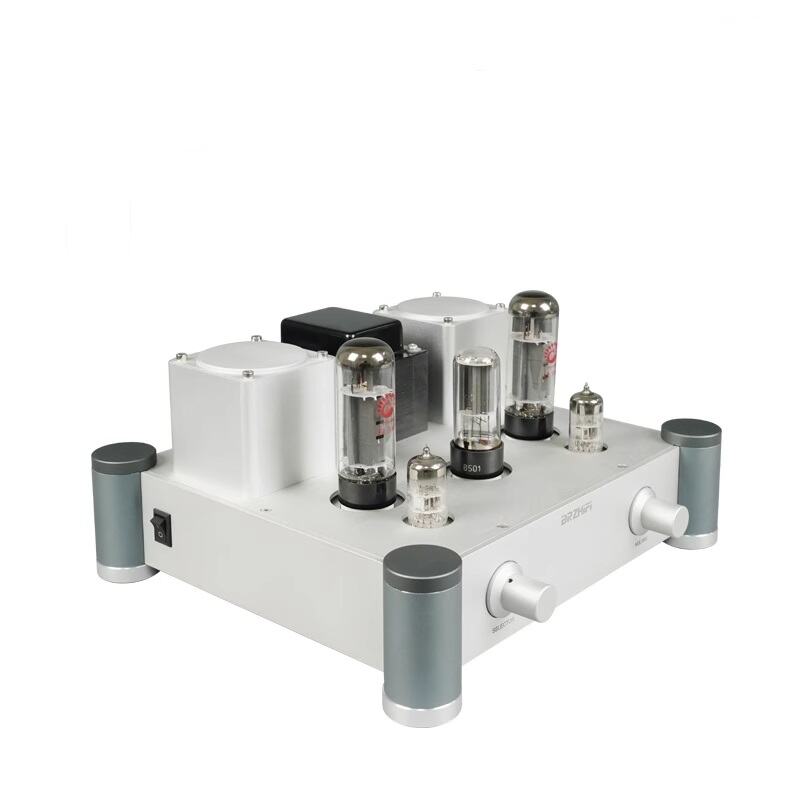
Audio enthusiasts and professionals understand that exceptional sound quality depends on multiple components working in perfect harmony. Among these critical elements, the amplifier stands as the powerhouse that transforms weak audio signals into robust, clear sound waves that can drive speakers effectively. A high-quality hifi amp serves as the bridge between your audio source and speakers, ensuring that every nuance of your favorite music is reproduced with stunning accuracy and control.
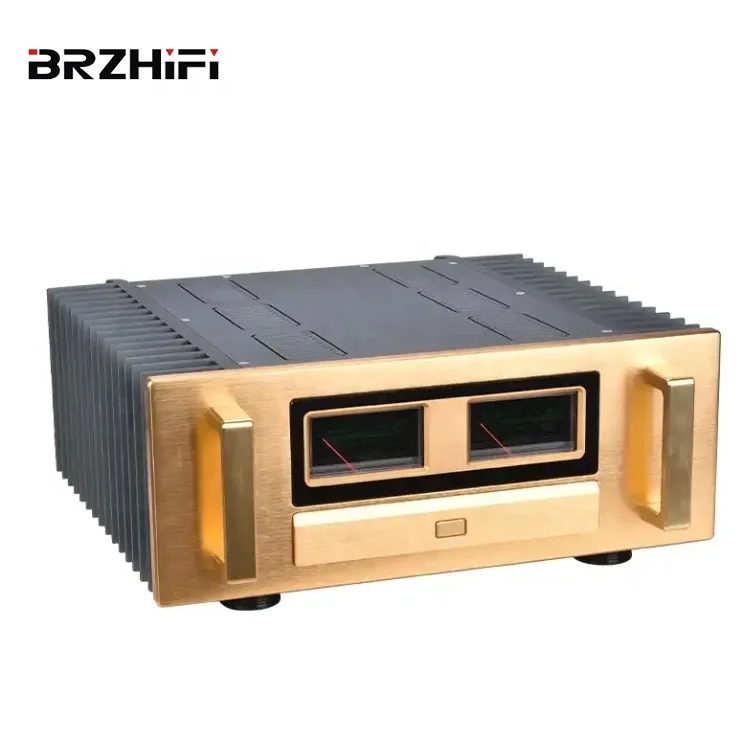
The fundamental role of an amplifier extends far beyond simple volume control, encompassing signal processing, impedance matching, and dynamic range management. Modern audio systems demand precision and reliability, characteristics that distinguish premium amplification equipment from basic consumer electronics. Understanding how amplifiers contribute to sound clarity helps audiophiles make informed decisions when building their ideal listening environments.
Professional audio applications require amplifiers that maintain signal integrity while providing sufficient power to drive various speaker configurations. The relationship between amplifier design and sound quality involves complex electrical engineering principles that directly impact the listening experience. Contemporary hifi amp technology incorporates advanced circuitry designs that minimize distortion while maximizing dynamic response across the entire frequency spectrum.
Understanding Amplifier Signal Processing
Input Signal Handling and Conditioning
The journey of audio signal processing begins when weak electrical signals from sources like CD players, turntables, or digital audio converters enter the amplifier's input stage. This initial phase determines how accurately the amplifier will reproduce the original audio information. High-quality amplifiers employ sophisticated input circuits that preserve signal integrity while providing appropriate gain staging for optimal performance.
Input impedance matching plays a crucial role in preventing signal reflections and ensuring maximum power transfer from the source device. Professional-grade amplifiers feature multiple input options with varying impedance characteristics to accommodate different source equipment. The input conditioning stage also includes filtering circuits that eliminate unwanted noise and interference that could compromise sound quality.
Advanced hifi amp designs incorporate balanced input configurations that reduce common-mode noise and provide superior rejection of electromagnetic interference. These balanced inputs utilize differential amplification techniques that enhance signal-to-noise ratios, particularly important in professional recording and monitoring applications. The quality of input signal handling directly influences the amplifier's ability to maintain transparency throughout the entire audio chain.
Gain Structure and Dynamic Range Management
Proper gain structure ensures that audio signals maintain optimal levels throughout the amplification process without introducing distortion or limiting dynamic range. The amplifier's gain stages must be carefully designed to handle both quiet passages and sudden dynamic peaks without compromising clarity. This balance requires precise engineering of voltage and current amplification circuits that respond accurately to varying input conditions.
Dynamic range management involves maintaining the full spectrum of audio information from the quietest whispers to the loudest musical crescendos. Premium amplifiers achieve this through careful attention to power supply design, circuit topology, and component selection. The ability to reproduce wide dynamic ranges without compression or distortion distinguishes high-performance audio equipment from standard consumer electronics.
Modern amplifier designs often incorporate automatic gain control and protection circuits that prevent overload conditions while maintaining optimal performance levels. These intelligent systems monitor signal levels continuously and adjust internal parameters to ensure consistent sound quality across varying input conditions. Such sophisticated management systems contribute significantly to the amplifier's role in maintaining sound clarity and control.
Power Delivery and Speaker Control
Output Stage Design and Efficiency
The output stage represents the heart of any amplifier, where small signal voltages are transformed into the substantial power levels required to drive loudspeakers effectively. Different output stage topologies, including Class A, Class AB, and Class D designs, each offer unique advantages in terms of efficiency, sound quality, and thermal management. The choice of output stage topology significantly influences the amplifier's sonic character and practical performance.
Class A amplifiers provide the highest linearity and lowest distortion but operate with limited efficiency, making them ideal for critical listening applications where sound quality takes precedence over power consumption. These designs maintain constant bias current through the output devices, ensuring smooth signal reproduction without crossover distortion. Many audiophiles prefer Class A designs for their natural, uncolored sound reproduction capabilities.
Power efficiency becomes increasingly important in professional applications where multiple amplifiers operate simultaneously for extended periods. Class D amplifiers achieve high efficiency through switching topologies that minimize heat generation while delivering substantial power output. Modern hifi amp designs often incorporate sophisticated switching circuits that maintain excellent sound quality while providing practical operational advantages.
Speaker Impedance Matching and Protection
Effective speaker control requires precise impedance matching between the amplifier output and speaker load characteristics. Different speaker designs present varying impedance curves across the frequency spectrum, and the amplifier must maintain stable operation regardless of these load variations. Quality amplifiers feature robust output stages capable of driving complex reactive loads without compromising performance or reliability.
Protection circuits safeguard both the amplifier and connected speakers from potentially damaging conditions such as short circuits, thermal overload, or DC offset voltages. These protection systems must respond quickly to dangerous conditions while avoiding false triggering that could interrupt normal operation. Advanced protection circuits monitor multiple parameters simultaneously and provide graduated responses to different threat levels.
Speaker damping factor, determined by the amplifier's output impedance relative to speaker impedance, directly affects bass response and overall control. Higher damping factors provide tighter bass reproduction and improved transient response, particularly important for accurate musical reproduction. Premium hifi amp designs typically achieve high damping factors through careful attention to output stage design and power supply implementation.
Frequency Response and Harmonic Control
Bandwidth Extension and Linearity
Exceptional sound clarity requires amplifiers capable of reproducing the complete audio frequency spectrum with uniform response characteristics. The ideal amplifier would provide perfectly flat frequency response from the lowest bass frequencies to the highest treble harmonics without introducing phase shifts or amplitude variations. Real-world designs approach this ideal through careful circuit design and component selection optimized for wide bandwidth operation.
Extended bandwidth capability ensures that all musical information reaches the speakers without filtering or coloration. Many premium amplifiers provide response extending well beyond the nominal 20Hz to 20kHz audio range, recognizing that musical harmonics and transient information often contain energy at higher frequencies. This extended bandwidth capability contributes to the sense of airiness and detail that characterizes high-quality audio reproduction.
Phase linearity throughout the frequency range maintains proper timing relationships between different frequency components, preserving the spatial and temporal characteristics of the original recording. Amplifiers with excellent phase response reproduce complex musical passages with proper instrumental placement and natural acoustic spacing. These characteristics become particularly important in critical listening environments and professional monitoring applications.
Distortion Minimization Techniques
Harmonic distortion introduces unwanted frequency components that can mask subtle musical details and create listening fatigue over extended periods. Modern hifi amp designs employ various techniques to minimize distortion, including negative feedback, feed-forward correction, and careful bias point selection. The goal is to maintain the amplifier's transparency while providing adequate power output for demanding applications.
Intermodulation distortion occurs when multiple frequencies interact within the amplifier circuitry, creating sum and difference frequencies not present in the original signal. This type of distortion can be particularly objectionable because it creates harmonically unrelated components that the ear perceives as harshness or grain. High-quality amplifiers minimize intermodulation through optimized circuit topologies and careful component matching.
Transient intermodulation distortion affects the amplifier's ability to respond accurately to sudden signal changes, impacting the reproduction of percussion instruments and other dynamic musical elements. Advanced amplifier designs incorporate high-speed circuits with wide bandwidth capability to maintain accuracy during rapid signal transitions. This attention to transient response contributes significantly to the amplifier's ability to reproduce music with natural dynamics and timing.
Thermal Management and Reliability
Heat Dissipation and Component Protection
Effective thermal management ensures consistent performance and long-term reliability in demanding audio applications. Amplifiers generate significant heat during operation, and this thermal energy must be efficiently removed to prevent component degradation and performance drift. Professional-quality amplifiers incorporate sophisticated cooling systems including heat sinks, forced air ventilation, and thermal monitoring circuits.
Component temperature affects numerous electrical parameters including transistor gain, resistor values, and capacitor characteristics. Premium amplifier designs account for these thermal effects through careful component selection and thermal compensation circuits that maintain stable performance across varying operating conditions. Temperature monitoring systems provide early warning of potential thermal issues before they can impact sound quality or reliability.
Thermal protection circuits prevent amplifier damage during extreme operating conditions while minimizing false triggering that could interrupt normal operation. These systems typically monitor multiple temperature points throughout the amplifier and implement graduated responses ranging from gentle current limiting to complete shutdown when necessary. Such protection systems are essential for maintaining reliable operation in professional installations and demanding home audio applications.
Power Supply Stability and Regulation
The power supply forms the foundation of amplifier performance, providing clean, stable DC voltages that enable consistent signal amplification. Quality power supplies feature substantial energy storage capacity through large filter capacitors and robust transformer designs capable of delivering peak current demands without voltage sag. These characteristics directly influence the amplifier's ability to reproduce dynamic musical passages with authority and control.
Voltage regulation maintains consistent performance despite variations in AC line voltage and loading conditions. Premium hifi amp designs often incorporate active regulation circuits that provide superior regulation compared to simple filter capacitor arrangements. These regulated supplies improve sound quality by reducing power supply modulation effects that can introduce unwanted artifacts into the audio signal path.
Power supply noise rejection prevents AC line interference and switching artifacts from contaminating the audio signal. Multiple stages of filtering and regulation work together to eliminate noise components that could compromise sound clarity. Advanced designs may incorporate separate power supplies for different amplifier sections, further reducing cross-contamination between circuits and maintaining optimal signal-to-noise ratios.
Integration with Audio Systems
Source Compatibility and Signal Path Optimization
Modern audio systems incorporate diverse source components including digital streaming devices, traditional analog sources, and computer-based audio systems. The amplifier must interface seamlessly with these various sources while maintaining signal integrity throughout the reproduction chain. Input flexibility and signal path optimization ensure that every source component can achieve its full potential when connected to a quality amplifier.
Digital audio integration requires careful attention to timing relationships and signal conversion processes. Many contemporary amplifiers include digital inputs with high-quality D/A converters optimized for audiophile applications. These integrated solutions eliminate the need for external conversion while maintaining the signal quality advantages of digital audio transmission. Proper implementation of digital interfaces reduces system complexity while improving overall performance.
Signal path length and component count directly influence sound quality through reduced opportunities for interference and signal degradation. Minimalist signal paths with high-quality components throughout provide the most transparent audio reproduction. Premium hifi amp designs prioritize signal path purity while providing necessary functionality for practical system integration and operation.
Room Acoustics and Environmental Considerations
The amplifier's performance interacts significantly with room acoustics and environmental factors that influence the overall listening experience. Speaker placement, room dimensions, and acoustic treatment all affect how amplifier characteristics translate into perceived sound quality. Understanding these interactions helps optimize amplifier selection and system configuration for specific listening environments.
Environmental factors including temperature, humidity, and electromagnetic interference can impact amplifier performance and longevity. Professional installations often require amplifiers capable of operating reliably in challenging conditions while maintaining consistent sound quality. Proper ventilation, grounding, and shielding become critical factors in achieving optimal performance from high-quality audio equipment.
System integration considerations extend beyond electrical compatibility to include mechanical installation requirements and operational convenience. Rack-mount options, remote control capabilities, and monitoring features enhance the amplifier's utility in professional and high-end residential applications. These practical considerations complement the amplifier's primary role in sound reproduction while supporting efficient system operation and maintenance.
FAQ
How does amplifier power rating relate to sound quality?
Amplifier power rating indicates the maximum continuous power output capability, but higher wattage doesn't automatically guarantee better sound quality. The relationship between power and sound quality depends on factors including circuit design, component quality, and how well the amplifier's power capabilities match the speaker requirements. A well-designed lower-power hifi amp often outperforms a poorly designed high-power unit in terms of clarity, detail, and musical accuracy. The key is selecting an amplifier with adequate power reserve to handle dynamic peaks without stress while maintaining excellent performance at normal listening levels.
What causes amplifier distortion and how can it be minimized?
Amplifier distortion results from nonlinearities in the circuit topology, component limitations, and operating the amplifier beyond its optimal range. Common sources include crossover distortion in push-pull output stages, thermal effects in semiconductor devices, and power supply inadequacies during high current demands. Distortion can be minimized through careful circuit design including appropriate bias settings, high-quality components with wide operating margins, robust power supply implementation, and proper thermal management. Premium amplifiers employ sophisticated circuit topologies and feedback systems specifically designed to maintain linearity across the full operating range.
Why do different amplifier classes sound different?
Different amplifier classes employ varying circuit topologies and operating principles that influence their sonic characteristics. Class A amplifiers maintain constant bias current for maximum linearity but operate with low efficiency, typically producing warm, smooth sound reproduction. Class AB designs balance efficiency with sound quality through push-pull operation, offering good performance with practical power consumption. Class D amplifiers use switching techniques for high efficiency but require sophisticated filter designs to maintain sound quality. Each topology presents trade-offs between efficiency, heat generation, and sonic characteristics, leading to the distinctive sound signatures associated with different amplifier classes.
How important is amplifier-speaker matching for optimal performance?
Proper amplifier-speaker matching is crucial for achieving optimal sound quality, system reliability, and component longevity. The amplifier must provide adequate power to drive the speakers to desired levels without strain while maintaining stable operation into the speaker's impedance characteristics. Underpowered amplifiers can produce distortion when pushed beyond their limits, potentially damaging speakers through clipped waveforms. Conversely, overpowered amplifiers pose risks if operated carelessly but provide superior dynamic range and headroom when used appropriately. The ideal match considers not only power ratings but also impedance compatibility, damping factor requirements, and the dynamic characteristics of both components working together as a system.