
 EN
EN
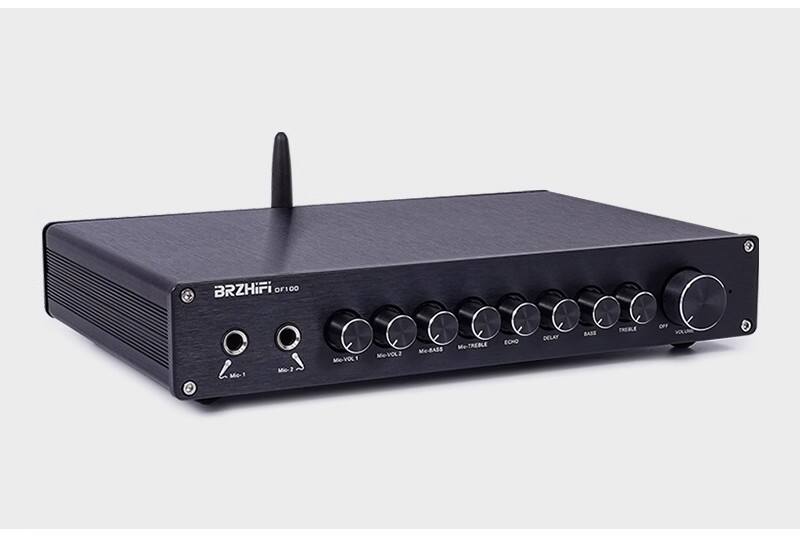
Selecting the right amplifier requires careful consideration of power ratings and impedance matching to achieve optimal audio performance. A quality hifi amp serves as the cornerstone of any serious audio system, transforming low-level signals into powerful outputs that drive speakers with precision and clarity. Understanding how power and impedance work together helps audiophiles make informed decisions that maximize their investment in high-quality audio equipment. The relationship between these technical specifications directly impacts sound quality, system efficiency, and long-term component reliability.
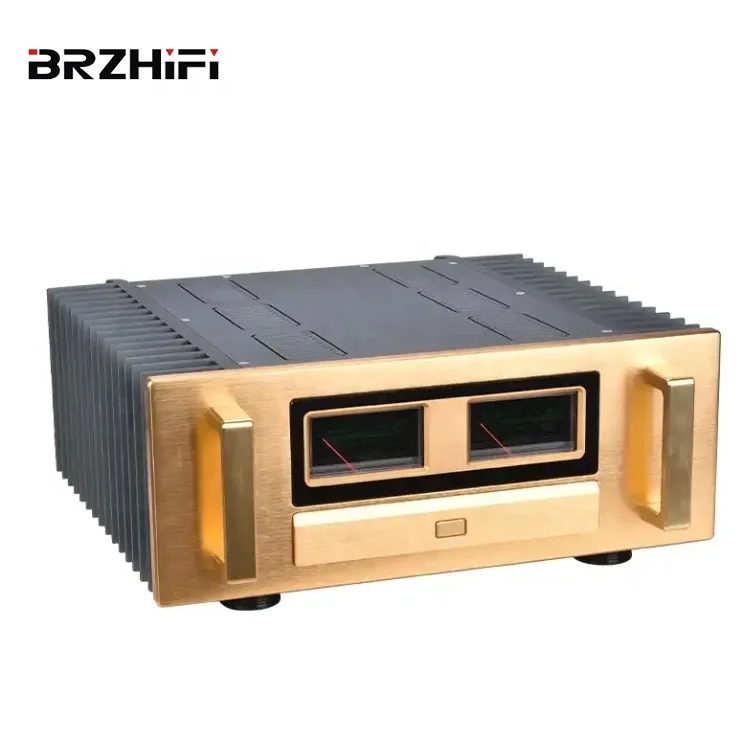
Modern audio enthusiasts face numerous challenges when selecting amplification equipment, particularly when matching power requirements with speaker specifications. A well-chosen hifi amp must deliver adequate power reserves while maintaining impedance compatibility across the entire frequency spectrum. Professional audio engineers emphasize that proper amplifier selection involves analyzing both continuous power output and peak power handling capabilities. The complexity of modern speaker designs requires amplifiers capable of delivering clean, distortion-free power across varying impedance loads.
Understanding Power Requirements in Audio Systems
RMS Power vs Peak Power Specifications
RMS power ratings provide the most accurate measurement of an amplifier's continuous output capability, representing the sustained power delivery under normal operating conditions. Unlike peak power measurements, which indicate maximum instantaneous output, RMS specifications help determine whether a hifi amp can handle demanding musical passages without distortion. Professional audio applications typically require amplifiers with RMS ratings that exceed speaker power handling by at least twenty-five percent to ensure adequate headroom. This power reserve prevents clipping distortion during dynamic musical peaks and maintains audio clarity across all listening levels.
Peak power specifications, while impressive in marketing materials, offer limited practical value for system design and component matching. A quality hifi amp demonstrates its superiority through consistent RMS power delivery rather than brief peak power bursts. Audio engineers recommend focusing on continuous power ratings when evaluating amplifier performance, particularly for critical listening applications. Understanding the distinction between these power measurements prevents common purchasing mistakes and ensures optimal system performance.
Power Scaling and Dynamic Range Considerations
Dynamic range requirements vary significantly between different musical genres and listening environments, influencing amplifier power selection decisions. Classical music reproduction demands substantial power reserves to handle orchestral crescendos, while jazz and acoustic performances may require less power but greater attention to low-level detail. A versatile hifi amp must provide excellent performance across this entire dynamic spectrum, maintaining sonic accuracy at both whisper-quiet passages and full-scale fortissimo sections. Power scaling capabilities determine how effectively an amplifier adapts to varying musical demands.
Modern amplifier designs incorporate sophisticated power management systems that optimize efficiency while preserving audio quality. These systems automatically adjust bias settings and output stage operation based on signal demands, ensuring optimal performance across different power levels. Advanced hifi amp designs utilize intelligent power scaling to maintain excellent signal-to-noise ratios regardless of output level. This technology enables consistent audio performance from background listening to concert-level volumes.
Impedance Matching Fundamentals
Speaker Impedance Characteristics
Speaker impedance varies considerably across the audio frequency spectrum, creating complex loading conditions that challenge amplifier design and performance. Nominal impedance ratings provide only approximate guidelines, as actual impedance measurements can fluctuate from two ohms to twenty ohms depending on frequency and driver characteristics. A capable hifi amp must maintain stable output voltage and current delivery despite these impedance variations to ensure consistent frequency response. Understanding impedance curves helps predict amplifier-speaker compatibility and prevents potential performance issues.
Multiple driver configurations create particularly challenging impedance loads, especially in complex crossover networks that combine woofers, midrange drivers, and tweeters. These multi-way designs can present impedance minima at crossover frequencies, requiring amplifiers with robust current delivery capabilities. Professional audio designers emphasize the importance of selecting a hifi amp with adequate current capacity to handle these demanding impedance characteristics. Proper impedance matching ensures optimal power transfer and prevents amplifier stress under difficult loading conditions.
Amplifier Output Impedance Effects
Output impedance characteristics significantly influence an amplifier's ability to control speaker drivers and maintain accurate frequency response across different loading conditions. Low output impedance designs provide superior damping factor performance, enabling precise woofer control and extended bass response. A quality hifi amp typically exhibits output impedance values below 0.1 ohms, ensuring excellent speaker damping and minimizing frequency response variations. Higher output impedance can lead to loose bass response and reduced transient accuracy.
The relationship between amplifier output impedance and speaker impedance determines overall system damping factor, which directly affects bass control and transient response. Professional audio applications require damping factors exceeding one hundred to achieve optimal speaker control and frequency response linearity. Modern hifi amp designs incorporate negative feedback techniques and low-impedance output stages to maximize damping factor performance. These design approaches ensure precise speaker control across the entire audio spectrum.
Power and Impedance Interaction Effects
Current Delivery Capabilities
Current delivery capacity determines an amplifier's ability to drive low-impedance speakers and handle dynamic musical passages effectively. Ohm's law dictates that power delivery increases as speaker impedance decreases, requiring amplifiers with substantial current reserves for optimal performance. A robust hifi amp must provide adequate current to maintain voltage swing across varying impedance loads without approaching current limiting thresholds. Insufficient current capacity leads to dynamic compression and reduced audio quality during demanding musical passages.
Peak current requirements can exceed continuous ratings by significant margins during transient musical events, necessitating amplifier designs with substantial current reserves. Power supply design plays a crucial role in current delivery capability, with larger transformers and filter capacitors enabling superior transient performance. Professional audio engineers recommend selecting a hifi amp with current capacity that exceeds calculated requirements by at least fifty percent for optimal performance margins. This approach ensures consistent audio quality across all listening conditions and speaker combinations.
Thermal Management and Stability
Power dissipation increases dramatically when driving low-impedance speakers, creating thermal management challenges that affect amplifier reliability and performance. Heat generation becomes particularly problematic during sustained high-power operation, requiring effective cooling systems and thermal protection circuits. A well-designed hifi amp incorporates adequate heat sinking and thermal monitoring to prevent performance degradation and component damage. Proper thermal management ensures consistent performance across extended listening sessions.
Thermal stability affects amplifier bias settings and output stage operation, potentially causing performance drift as component temperatures change. Advanced amplifier designs utilize temperature compensation techniques to maintain stable operating parameters regardless of thermal conditions. Quality hifi amp manufacturers implement comprehensive thermal protection systems that prevent overheating while maintaining audio performance. These protection systems monitor multiple temperature points and adjust operation accordingly to prevent damage and ensure reliability.
Practical Selection Guidelines
System Integration Considerations
Successful amplifier integration requires careful analysis of existing system components and listening room characteristics to ensure optimal performance matching. Room acoustics, speaker placement, and listening preferences all influence amplifier selection decisions beyond basic power and impedance specifications. A thoughtfully chosen hifi amp complements existing system components while providing room for future upgrades and modifications. System synergy between amplifier, speakers, and source components determines overall audio quality and listening satisfaction.
Cable impedance and connection quality significantly impact amplifier-speaker interface performance, particularly in high-current applications and long cable runs. Professional installations emphasize the importance of matching cable characteristics to amplifier output impedance and speaker requirements. Quality connections and appropriate cable selection ensure optimal power transfer and minimize signal degradation. These considerations become increasingly important as system complexity and performance expectations increase.
Future-Proofing and Flexibility
Amplifier selection should account for potential system modifications and upgrades that may occur over time, ensuring continued compatibility with evolving equipment choices. Future speaker upgrades or additional zone requirements may demand different power and impedance characteristics than current system configurations. A versatile hifi amp provides adequate power reserves and impedance compatibility margins to accommodate reasonable system changes. This forward-thinking approach protects equipment investments and maintains upgrade flexibility.
Multi-channel and bridging capabilities extend amplifier utility and provide options for system expansion without complete equipment replacement. Modern hifi amp designs often incorporate multiple operating modes and configuration options to accommodate various system requirements. These features enable single amplifier platforms to serve multiple applications and adapt to changing system needs. Flexibility in amplifier design ensures long-term value and system adaptability as audio preferences evolve.
FAQ
What power rating should I choose for my speakers?
Select an amplifier with RMS power rating that matches or slightly exceeds your speaker's power handling capacity, typically within 25-50% above speaker ratings. A quality hifi amp with adequate power reserves prevents clipping distortion and ensures clean audio reproduction across all listening levels. Consider your listening habits and room size when determining power requirements, as larger spaces and higher listening levels demand greater power capacity.
How does speaker impedance affect amplifier selection?
Speaker impedance directly influences amplifier power delivery and current requirements, with lower impedance speakers demanding higher current capacity from the amplifier. Most hifi amp designs perform optimally with 4-8 ohm speakers, though some specialized models handle 2-ohm loads effectively. Always verify that your chosen amplifier can drive your speakers' impedance safely without overheating or current limiting.
Can I use a high-power amplifier with low-power speakers?
Yes, using a high-power amplifier with lower-power speakers is generally safe and often beneficial, provided you control listening levels appropriately. A powerful hifi amp operating at lower levels typically produces cleaner audio with less distortion than a smaller amplifier pushed to its limits. The key is maintaining reasonable volume levels and avoiding amplifier clipping, which can damage speakers regardless of power ratings.
What happens if impedance matching is incorrect?
Incorrect impedance matching can lead to reduced power transfer, frequency response irregularities, and potential amplifier instability or damage in extreme cases. A mismatched hifi amp may struggle to control speakers properly, resulting in loose bass response and reduced dynamic range. Severe impedance mismatches can cause amplifiers to overheat, enter protection mode, or suffer component damage during high-level operation.