
 EN
EN
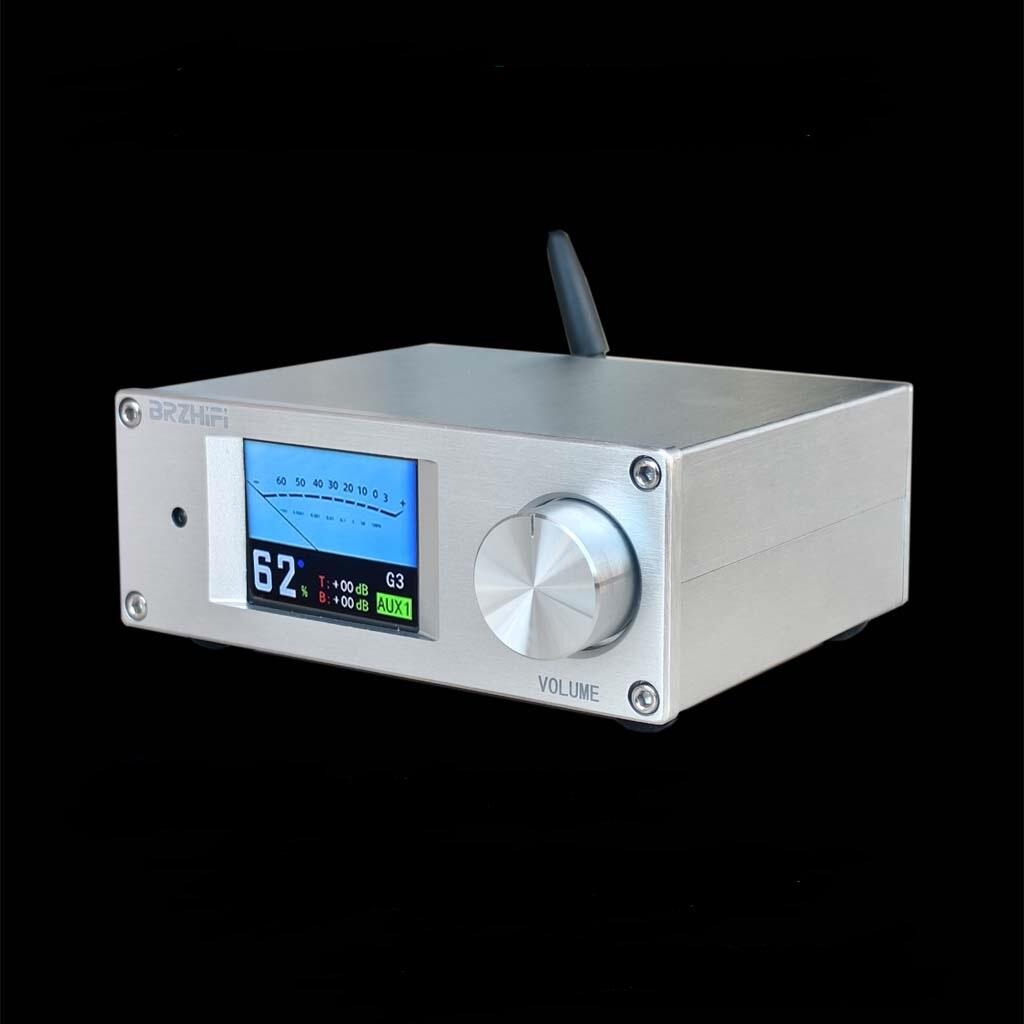
Modern audio equipment manufacturing requires rigorous production standards to deliver consistent, high-quality amplifiers that meet consumer expectations. A professional stereo amplifier factory must implement comprehensive quality control measures throughout every stage of the manufacturing process, from component sourcing to final testing protocols. These standards ensure that each amplifier unit performs reliably while maintaining the acoustic fidelity that audiophiles and professionals demand in today's competitive market.

Production consistency in amplifier manufacturing depends on establishing clear protocols that address material selection, assembly procedures, and performance validation. Every stereo amplifier factory operating at industrial scale must balance efficiency with precision to produce units that deliver consistent power output, frequency response, and thermal management across entire production runs.
Quality Control Frameworks in Amplifier Production
Component Specification Standards
The foundation of consistent amplifier production begins with establishing strict component specifications that every stereo amplifier factory must follow. Passive components like resistors, capacitors, and inductors require tolerance ratings typically within one to five percent variance to ensure predictable circuit behavior. Active components including transistors, operational amplifiers, and integrated circuits must meet specific gain, bandwidth, and distortion parameters before acceptance into production inventory.
Incoming inspection protocols verify that all electronic components meet established criteria through statistical sampling and batch testing procedures. These verification steps prevent defective components from entering the assembly line, where their failure could compromise entire production runs and damage the stereo amplifier factory reputation for reliability.
Material traceability systems track component origins, manufacturing dates, and batch numbers throughout the production cycle. This documentation enables rapid identification and isolation of problematic components if quality issues emerge during testing or field operation, protecting both manufacturer liability and customer satisfaction.
Assembly Line Standardization
Standardized assembly procedures ensure that every technician in the stereo amplifier factory follows identical steps when building amplifier circuits. Work instructions specify component placement sequences, soldering techniques, and connection methodologies to minimize variation between individual units. These procedures include detailed diagrams showing proper component orientation, lead trimming requirements, and solder joint specifications.
Environmental controls within the assembly area maintain consistent temperature, humidity, and cleanliness levels that affect soldering quality and component handling. Proper environmental management prevents thermal stress on sensitive components and reduces contamination that could cause long-term reliability issues in finished amplifiers.
Tool calibration schedules ensure that all measurement equipment, soldering stations, and assembly fixtures maintain accuracy throughout production cycles. Regular calibration prevents drift in critical parameters that could gradually compromise assembly quality without immediate detection during routine inspection processes.
Performance Testing Protocols
Electrical Specification Validation
Every amplifier produced in a professional stereo amplifier factory undergoes comprehensive electrical testing to verify compliance with design specifications. Power output measurements confirm that amplifiers deliver rated wattage across specified impedance loads while maintaining acceptable distortion levels. Frequency response testing ensures flat amplitude response across the audio spectrum with minimal phase shift or group delay variations.
Signal-to-noise ratio measurements verify that amplifiers maintain adequate dynamic range by measuring the difference between maximum clean output and residual noise floor. These measurements require precision test equipment and controlled acoustic environments to achieve repeatable results that accurately reflect real-world performance characteristics.
Thermal testing protocols evaluate amplifier performance under sustained high-power operation to verify adequate heat dissipation and thermal protection systems. Temperature cycling tests simulate extended operation periods and verify that amplifiers maintain stable performance as internal temperatures rise during normal operation cycles.
Reliability and Burn-in Testing
Extended burn-in periods allow the stereo amplifier factory to identify early component failures before products reach customers. Typically lasting 24 to 72 hours, burn-in testing operates amplifiers at elevated temperatures while monitoring for parameter drift, unexpected noise, or component degradation that indicates potential field failures.
Accelerated aging tests subject sample units to temperature cycling, humidity exposure, and vibration stress to predict long-term reliability under normal operating conditions. Statistical analysis of test results helps establish confidence intervals for product lifespan and warranty coverage while identifying potential design improvements for future product revisions.
Failure analysis procedures investigate any units that fail testing protocols to determine root causes and implement corrective actions. This feedback loop helps the stereo amplifier factory continuously improve manufacturing processes and prevent recurring quality issues that could affect customer satisfaction or regulatory compliance.
Manufacturing Process Documentation
Standard Operating Procedures
Comprehensive documentation systems capture every aspect of amplifier production processes within the stereo amplifier factory environment. Standard operating procedures detail each manufacturing step with specific parameters, acceptance criteria, and corrective action requirements when deviations occur. These documents serve as training materials for new employees and reference guides for experienced technicians.
Process control charts track key manufacturing metrics including defect rates, rework percentages, and test yields over time. Statistical process control methods identify trends that indicate potential quality issues before they significantly impact production output or customer satisfaction levels.
Change control procedures ensure that any modifications to manufacturing processes receive proper engineering review and approval before implementation. This systematic approach prevents unauthorized changes that could compromise product quality while maintaining traceability for regulatory compliance and continuous improvement initiatives.
Traceability and Record Keeping
Serial number systems enable complete traceability from raw materials through final shipment for every amplifier produced in the stereo amplifier factory. Database systems link component batch numbers, assembly personnel, test results, and shipping information to support warranty claims and field failure analysis when necessary.
Electronic work orders capture real-time production data including assembly times, test measurements, and quality inspection results. This information enables rapid identification of production anomalies and provides data for continuous improvement analysis and capacity planning decisions.
Calibration records document the accuracy and maintenance history of all test equipment used in production and quality control processes. Regular calibration schedules ensure measurement accuracy while maintaining compliance with industry standards and regulatory requirements for electronic equipment manufacturing.
Supplier Quality Management
Vendor Qualification Programs
Rigorous supplier qualification ensures that every stereo amplifier factory receives consistent, high-quality components from approved vendors. Qualification processes evaluate supplier manufacturing capabilities, quality systems, and financial stability before establishing supply relationships. Site audits verify that suppliers maintain appropriate facilities, equipment, and personnel to support consistent component delivery.
Supplier performance metrics track delivery reliability, quality levels, and responsiveness to engineering changes or production volume fluctuations. Regular performance reviews identify suppliers requiring improvement support or potential replacement to maintain production schedule adherence and quality objectives.
Component qualification testing verifies that parts from new suppliers meet all electrical, mechanical, and environmental requirements before approval for production use. This testing includes accelerated life testing, thermal cycling, and electrical stress testing to ensure long-term reliability under operational conditions.
Incoming Material Inspection
Statistical sampling plans determine appropriate inspection levels for different component types based on supplier history, component criticality, and cost considerations. High-reliability components may require 100 percent inspection, while standard commercial parts undergo sample testing based on established acceptance quality levels.
Automated test equipment speeds incoming inspection processes while maintaining measurement accuracy for critical parameters. Vision systems verify component markings, orientation, and physical dimensions, while electrical testing confirms electrical specifications before components enter inventory for production use.
Non-conforming material procedures ensure proper handling and disposition of components that fail incoming inspection. Quarantine systems prevent defective parts from entering production while investigation and corrective action processes address root causes with suppliers to prevent recurrence.
Continuous Improvement Implementation
Data Analysis and Trending
Advanced data analytics help the stereo amplifier factory identify improvement opportunities by analyzing production metrics, quality trends, and customer feedback patterns. Statistical process control methods detect subtle changes in manufacturing processes before they impact product quality or customer satisfaction levels significantly.
Predictive maintenance programs use equipment performance data to optimize maintenance schedules and prevent unexpected downtime that could disrupt production schedules. Condition monitoring systems track critical equipment parameters including temperature, vibration, and power consumption to predict maintenance requirements accurately.
Customer feedback analysis correlates field performance issues with manufacturing data to identify process improvements that enhance product reliability. This closed-loop feedback system enables continuous refinement of production standards and quality control measures based on real-world performance experience.
Technology Integration and Automation
Manufacturing execution systems integrate production planning, quality control, and inventory management functions to optimize overall stereo amplifier factory efficiency. Real-time data collection enables immediate response to quality issues while maintaining complete production traceability for regulatory compliance and continuous improvement analysis.
Automated assembly equipment reduces human variability in critical manufacturing steps while maintaining flexibility for product variations and engineering changes. Robotic systems provide consistent component placement accuracy and soldering quality that improves overall product reliability and reduces manufacturing costs.
Advanced testing systems incorporate artificial intelligence algorithms to detect subtle performance anomalies that traditional testing methods might miss. Machine learning capabilities enable continuous refinement of test parameters and acceptance criteria based on field performance data and customer feedback patterns.
Regulatory Compliance and Certification
International Standards Adherence
Modern stereo amplifier factory operations must comply with various international standards including ISO 9001 quality management systems, IEC safety standards, and electromagnetic compatibility requirements. Compliance verification requires regular internal audits, external certification reviews, and continuous monitoring of regulatory changes that could impact manufacturing processes.
Environmental compliance includes RoHS restrictions on hazardous substances, WEEE recycling requirements, and energy efficiency standards that affect component selection and manufacturing processes. Compliance management systems track regulatory requirements across different market regions and ensure appropriate documentation for product certification and customs clearance.
Product safety testing verifies compliance with electrical safety standards including insulation resistance, ground continuity, and protection against electrical hazards. Safety compliance requires ongoing verification throughout production cycles and immediate corrective action when test results indicate potential safety risks.
Documentation and Audit Preparedness
Comprehensive quality management systems maintain all documentation required for regulatory compliance, customer audits, and certification renewals. Document control procedures ensure that current revisions of all procedures, specifications, and work instructions remain accessible to production personnel while maintaining historical records for traceability purposes.
Internal audit programs evaluate compliance with established procedures and identify opportunities for process improvement before external audits or customer evaluations. Regular audit schedules ensure continuous compliance monitoring while preparing personnel for external assessment activities.
Corrective and preventive action systems address non-conformances identified through internal audits, customer complaints, or regulatory inspections. Systematic root cause analysis and corrective action implementation prevent recurrence while demonstrating continuous improvement commitment to customers and regulatory authorities.
FAQ
How do production standards affect amplifier sound quality consistency?
Production standards directly impact sound quality by ensuring consistent component selection, precise assembly techniques, and thorough testing protocols. A professional stereo amplifier factory implementing rigorous quality control measures produces amplifiers with minimal unit-to-unit variation in frequency response, distortion levels, and power output characteristics. These standards prevent the acoustic variations that could compromise listening experience across different production batches.
What role does component traceability play in amplifier manufacturing quality?
Component traceability enables rapid identification and resolution of quality issues by linking specific parts to individual amplifier units throughout the manufacturing process. When field failures occur, traceability systems help the stereo amplifier factory quickly identify affected production batches and implement targeted corrective actions. This capability minimizes customer impact while providing valuable feedback for supplier quality improvement and design optimization efforts.
How often should manufacturing equipment be calibrated in amplifier production?
Equipment calibration frequency depends on usage intensity, environmental conditions, and measurement accuracy requirements, but typically ranges from monthly to annually for different instrument types. Critical test equipment in a stereo amplifier factory requires more frequent calibration to maintain measurement accuracy, while assembly tools may need less frequent verification. Regular calibration schedules ensure consistent measurement accuracy while maintaining compliance with quality system requirements and industry standards.
What testing parameters are most critical for amplifier quality verification?
The most critical testing parameters include power output accuracy, total harmonic distortion levels, frequency response flatness, and signal-to-noise ratio measurements. These parameters directly affect perceived audio quality and must remain within tight specifications across all production units. A comprehensive stereo amplifier factory testing program also includes thermal performance evaluation, protection circuit verification, and long-term stability testing to ensure reliable operation under various operating conditions and environmental stresses.
Table of Contents
- Quality Control Frameworks in Amplifier Production
- Performance Testing Protocols
- Manufacturing Process Documentation
- Supplier Quality Management
- Continuous Improvement Implementation
- Regulatory Compliance and Certification
-
FAQ
- How do production standards affect amplifier sound quality consistency?
- What role does component traceability play in amplifier manufacturing quality?
- How often should manufacturing equipment be calibrated in amplifier production?
- What testing parameters are most critical for amplifier quality verification?