
 EN
EN
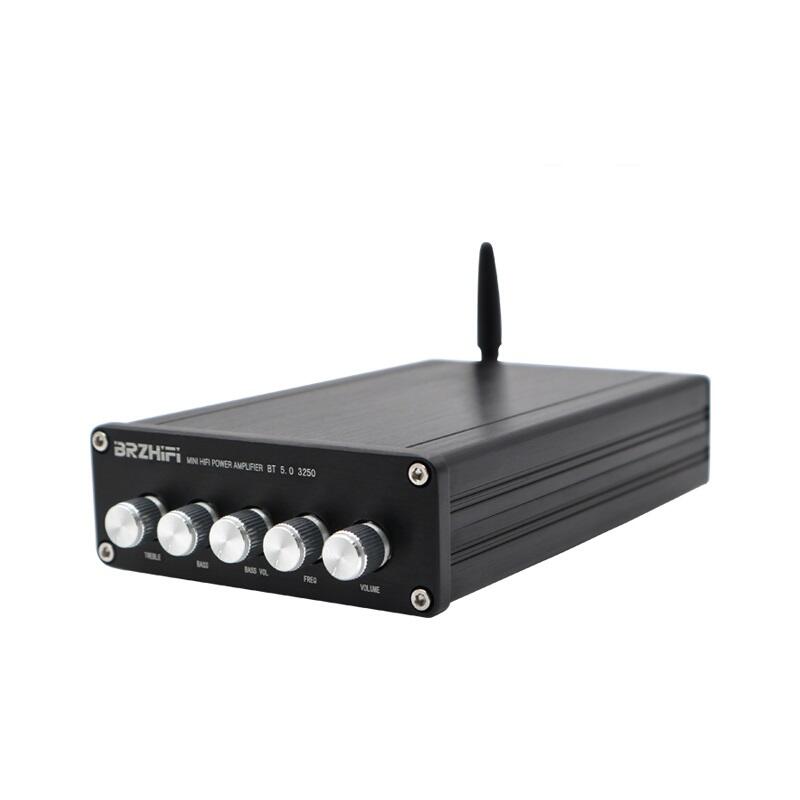
The global audio equipment manufacturing landscape has evolved dramatically over the past decade, with Original Equipment Manufacturer (OEM) partnerships becoming a cornerstone of the industry. When businesses seek to develop custom audio products, partnering with an experienced stereo amplifier factory represents one of the most strategic decisions they can make. These specialized manufacturing facilities possess the technical expertise, production capabilities, and quality control systems necessary to transform conceptual audio designs into market-ready products that meet stringent performance standards and commercial requirements.
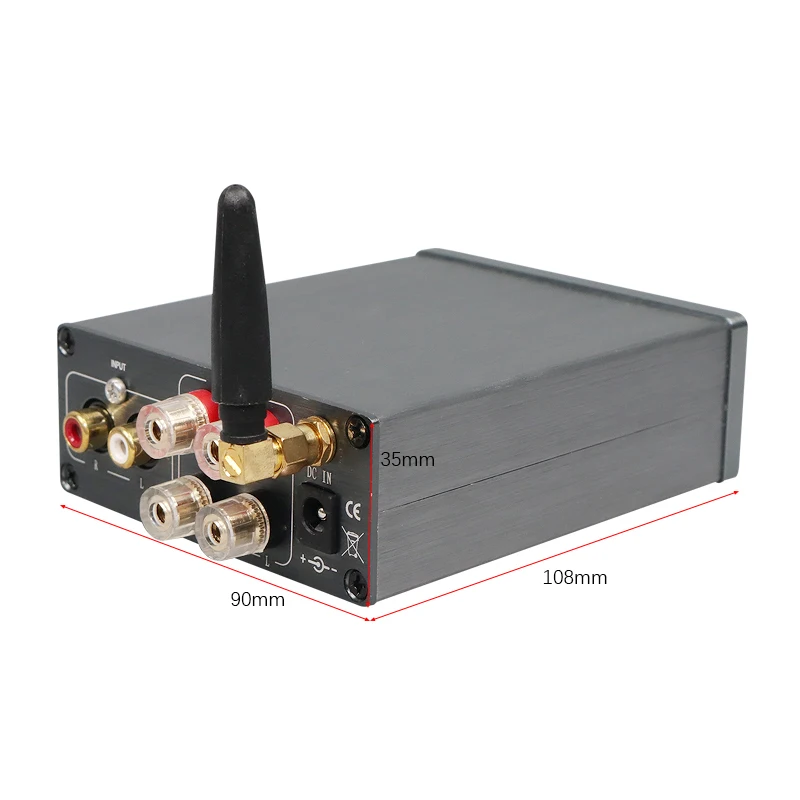
Modern stereo amplifier factory operations have adapted to accommodate increasingly complex OEM requirements, ranging from small-batch boutique audio equipment to large-scale consumer electronics production. The manufacturing process involves sophisticated coordination between engineering teams, production specialists, and quality assurance departments to ensure every amplifier meets both technical specifications and market expectations. Understanding how these facilities operate provides valuable insights for businesses considering OEM partnerships and helps explain why professional manufacturing relationships are essential for successful audio product development.
Understanding OEM Manufacturing Processes in Audio Production
Initial Design Consultation and Technical Requirements
The OEM process begins when clients approach a stereo amplifier factory with their product concepts and technical specifications. During initial consultations, factory engineers work closely with client teams to understand power output requirements, frequency response characteristics, input/output configurations, and physical design constraints. This collaborative approach ensures that manufacturing capabilities align with design aspirations while maintaining realistic production timelines and cost parameters. Factory teams often provide valuable feedback on component availability, manufacturing feasibility, and potential design optimizations that can improve both performance and production efficiency.
Technical documentation plays a crucial role during this phase, as stereo amplifier factory engineers must translate conceptual designs into detailed manufacturing specifications. This process involves creating comprehensive schematic diagrams, component lists, PCB layout designs, and mechanical drawings that guide the entire production process. Quality factories maintain extensive databases of component suppliers, allowing them to recommend alternatives when specific parts become unavailable or cost-prohibitive, ensuring production continuity without compromising audio quality or functionality.
Prototype Development and Testing Phases
Once initial designs are finalized, the stereo amplifier factory typically proceeds with prototype development, creating small quantities of test units that demonstrate core functionality and performance characteristics. These prototypes undergo rigorous testing procedures, including frequency response analysis, total harmonic distortion measurements, signal-to-noise ratio evaluations, and thermal performance assessments. Prototype testing allows both factory teams and clients to identify potential issues before full-scale production begins, reducing the risk of costly manufacturing delays or quality problems.
The iteration process during prototype development often reveals opportunities for performance improvements or cost reductions that benefit the final product. Experienced factory engineers may suggest circuit modifications, component upgrades, or assembly technique refinements that enhance audio quality while maintaining manufacturing efficiency. This collaborative refinement process demonstrates the value of partnering with an established stereo amplifier factory that possesses both technical expertise and practical manufacturing experience.
Quality Control Systems and Manufacturing Standards
Component Sourcing and Supplier Management
Professional stereo amplifier factory operations maintain stringent component sourcing protocols that ensure consistent quality and reliable supply chains. These facilities typically work with certified suppliers who provide components meeting specific quality standards and delivery schedules. Quality control begins at the component level, with incoming inspection procedures that verify electrical characteristics, physical dimensions, and marking accuracy before parts enter production inventories. This systematic approach helps prevent defective components from compromising finished product quality.
Supply chain management represents a critical aspect of OEM manufacturing success, particularly for complex products like stereo amplifiers that contain numerous electronic components. Factory procurement teams maintain relationships with multiple suppliers for critical components, ensuring production continuity even when supply disruptions occur. Additionally, experienced facilities often maintain strategic inventory levels of key components, allowing them to respond quickly to urgent orders or unexpected demand fluctuations without compromising delivery commitments.
Production Line Quality Assurance Procedures
During actual production, a well-managed stereo amplifier factory implements comprehensive quality assurance procedures at multiple stages of the assembly process. These procedures typically include in-process inspections during PCB assembly, functional testing after initial assembly completion, and final quality verification before packaging. Each testing stage serves specific purposes, from verifying correct component placement and soldering quality to confirming overall electrical performance and mechanical assembly integrity.
Statistical process control methods help factory quality teams identify trends and potential issues before they impact large production quantities. By tracking key performance indicators such as defect rates, test failure patterns, and rework requirements, quality managers can implement corrective actions that maintain production efficiency while ensuring consistent product quality. This data-driven approach to quality management helps stereo amplifier factory operations meet strict delivery schedules while maintaining the high standards expected by OEM clients.
Customization Capabilities and Design Flexibility
Mechanical Design and Enclosure Options
Modern stereo amplifier factory facilities offer extensive customization options for mechanical design and enclosure specifications, allowing OEM clients to create products that align with their brand identity and market positioning. These customization capabilities extend beyond simple cosmetic modifications to include functional design elements such as heat sink configurations, connector layouts, control interface designs, and overall form factor optimization. Factory design teams work closely with clients to develop enclosure solutions that balance aesthetic appeal, thermal management requirements, and manufacturing efficiency.
The ability to accommodate custom mechanical designs represents a significant advantage of working with an experienced stereo amplifier factory rather than attempting in-house manufacturing or working with general electronics contractors. Specialized audio manufacturing facilities possess the tooling capabilities, machining equipment, and finishing processes necessary to create professional-quality enclosures that meet both functional requirements and aesthetic standards. This comprehensive approach ensures that finished products reflect the quality and attention to detail that discerning audio customers expect.
Electronic Circuit Modifications and Performance Tuning
Circuit customization represents another area where stereo amplifier factory expertise provides significant value to OEM clients. Experienced factory engineers can modify amplifier topologies, adjust frequency response characteristics, implement custom input/output configurations, and optimize power supply designs to meet specific performance requirements. These modifications often require extensive knowledge of analog circuit design principles, component interactions, and manufacturing constraints that may not be available within client organizations.
Performance tuning during the development process allows stereo amplifier factory teams to optimize designs for specific applications or market segments. For example, amplifiers designed for professional audio applications may emphasize low distortion and high power output, while consumer-oriented products might prioritize cost effectiveness and compact size. This application-specific optimization demonstrates how experienced manufacturing partners can enhance product competitiveness through technical expertise and market knowledge.
Production Scaling and Capacity Management
Flexible Manufacturing Systems and Volume Adaptation
Successful stereo amplifier factory operations maintain flexible manufacturing systems that can accommodate varying production volumes and changing market demands. These systems typically incorporate modular production line configurations, cross-trained personnel, and adaptable tooling that allows efficient transitions between different product types and production quantities. This flexibility proves particularly valuable for OEM clients who may experience seasonal demand variations or require rapid response to market opportunities.
Capacity planning represents a critical aspect of stereo amplifier factory management, as facilities must balance equipment utilization, workforce requirements, and inventory levels to meet client delivery commitments while maintaining operational efficiency. Advanced factories often employ sophisticated production planning software that optimizes scheduling across multiple product lines and client orders, ensuring optimal resource utilization and delivery performance. This systematic approach to capacity management helps maintain competitive pricing while meeting strict delivery deadlines.
Supply Chain Coordination and Logistics Management
Effective supply chain coordination becomes increasingly important as production volumes increase and delivery schedules become more demanding. Professional stereo amplifier factory operations maintain comprehensive logistics management systems that coordinate component deliveries, production schedules, and finished goods shipments to ensure smooth operations throughout the manufacturing process. These systems often include real-time inventory tracking, automated reorder systems, and integrated shipping management that minimizes delays and reduces operational costs.
International shipping and customs management represent additional considerations for stereo amplifier factory operations serving global OEM clients. Experienced facilities maintain relationships with freight forwarders, customs brokers, and logistics providers that facilitate efficient international shipments while ensuring compliance with relevant regulations and documentation requirements. This comprehensive approach to logistics management helps OEM clients focus on their core business activities while ensuring reliable product delivery to their markets.
Technology Integration and Innovation Support
Advanced Manufacturing Technologies and Automation
Leading stereo amplifier factory facilities continuously invest in advanced manufacturing technologies that improve production efficiency, quality consistency, and cost competitiveness. These technologies often include automated PCB assembly equipment, computer-controlled testing systems, and sophisticated quality monitoring devices that enhance manufacturing capabilities while reducing labor requirements. Automation integration requires careful planning and significant capital investment, but provides long-term benefits through improved consistency and reduced production costs.
The adoption of Industry 4.0 principles in stereo amplifier factory operations enables real-time production monitoring, predictive maintenance scheduling, and data-driven process optimization. These advanced systems provide valuable insights into production efficiency, quality trends, and equipment performance that help factory managers make informed decisions about process improvements and capacity investments. OEM clients benefit from these technological advances through improved product quality, shorter lead times, and more competitive pricing.
Research and Development Collaboration
Forward-thinking stereo amplifier factory operations often maintain dedicated research and development capabilities that support innovation and product advancement for their OEM clients. These R&D functions may include circuit design laboratories, acoustic testing facilities, and prototype development workshops that enable collaborative product development initiatives. Such facilities allow factory teams to contribute technical expertise and manufacturing insights during the early stages of product development, potentially accelerating time-to-market and improving final product quality.
Collaborative research and development relationships between stereo amplifier factory teams and OEM clients often result in breakthrough innovations that benefit both parties. Factory engineers bring practical manufacturing experience and component knowledge that complements client design expertise, creating synergistic partnerships that drive technological advancement in the audio industry. These collaborative relationships often extend beyond individual projects to encompass ongoing technology development initiatives that maintain competitive advantages in rapidly evolving markets.
FAQ
What minimum order quantities do most stereo amplifier factories require for OEM projects
Most professional stereo amplifier factory operations establish minimum order quantities based on production setup costs, component procurement requirements, and manufacturing efficiency considerations. Typical minimum orders range from 100 to 500 units for initial production runs, though some facilities may accommodate smaller quantities for prototype development or market testing purposes. These minimum quantities help factories achieve cost-effective production while maintaining quality standards and delivery performance that OEM clients expect.
How long does the typical OEM development process take from concept to production
The complete OEM development timeline at a stereo amplifier factory typically ranges from 8 to 16 weeks, depending on design complexity, customization requirements, and testing procedures. This timeline includes initial consultation and specification development, prototype creation and testing, design refinement iterations, tooling preparation, and initial production setup. Experienced factories can often compress these timelines for urgent projects, though adequate development time generally results in better final products and smoother production launches.
What certifications and compliance standards do professional factories maintain
Reputable stereo amplifier factory operations typically maintain multiple certifications and compliance standards that demonstrate their commitment to quality and regulatory requirements. Common certifications include ISO 9001 quality management systems, CE marking for European markets, FCC compliance for North American sales, and RoHS environmental compliance for global distribution. These certifications provide OEM clients with confidence that their products will meet regulatory requirements in target markets while maintaining consistent quality standards.
How do factories handle intellectual property protection and confidentiality
Professional stereo amplifier factory operations implement comprehensive intellectual property protection protocols that safeguard client designs and proprietary information throughout the manufacturing process. These protocols typically include non-disclosure agreements, restricted access to design documentation, secure data management systems, and controlled production environments that prevent unauthorized disclosure of sensitive information. Experienced factories understand that intellectual property protection represents a fundamental requirement for successful OEM partnerships and invest accordingly in security measures and personnel training.
Table of Contents
- Understanding OEM Manufacturing Processes in Audio Production
- Quality Control Systems and Manufacturing Standards
- Customization Capabilities and Design Flexibility
- Production Scaling and Capacity Management
- Technology Integration and Innovation Support
-
FAQ
- What minimum order quantities do most stereo amplifier factories require for OEM projects
- How long does the typical OEM development process take from concept to production
- What certifications and compliance standards do professional factories maintain
- How do factories handle intellectual property protection and confidentiality