
 EN
EN
When searching for audio equipment online, finding the cheapest amplifier that delivers quality performance requires careful consideration of multiple factors. The digital marketplace offers countless options, from budget-friendly models to premium units, making the selection process both exciting and overwhelming. Understanding key specifications, compatibility requirements, and performance characteristics will help you make an informed decision that balances cost-effectiveness with audio excellence. Whether you're building a home theater system or upgrading your stereo setup, the right amplifier can transform your listening experience without breaking your budget.
Understanding Amplifier Types and Categories
Integrated vs Power Amplifiers
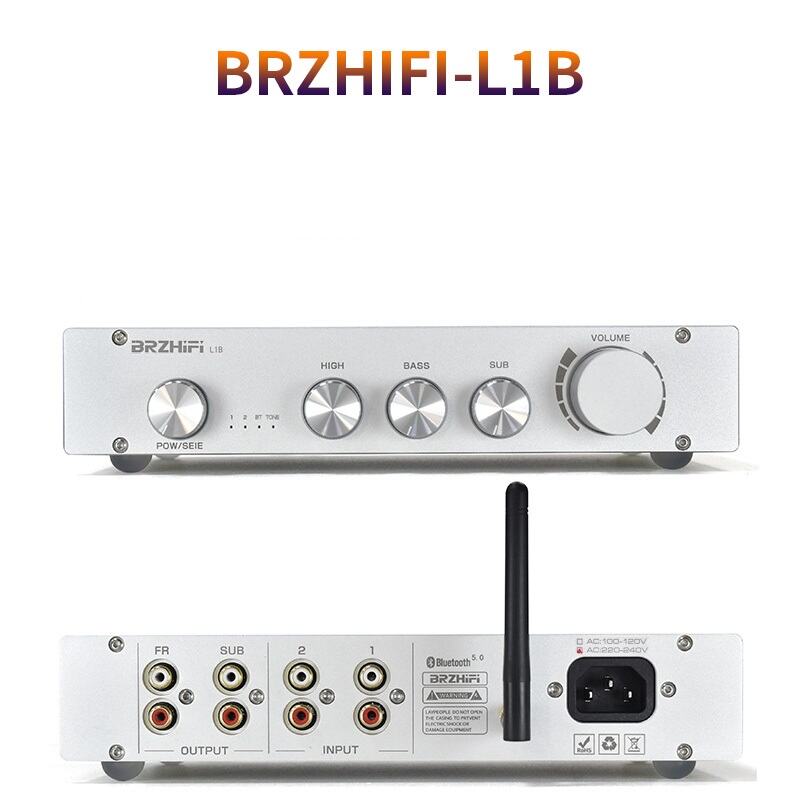
Integrated amplifiers combine preamplification and power amplification in a single unit, making them ideal for those seeking convenience and value. These units typically include volume controls, input switching, and sometimes tone controls, providing everything needed to drive speakers from various audio sources. Power amplifiers, on the other hand, focus solely on amplifying signals and require a separate preamplifier or audio source with volume control. When shopping for the cheapest amplifier option, integrated models often provide better value for beginners and casual listeners.
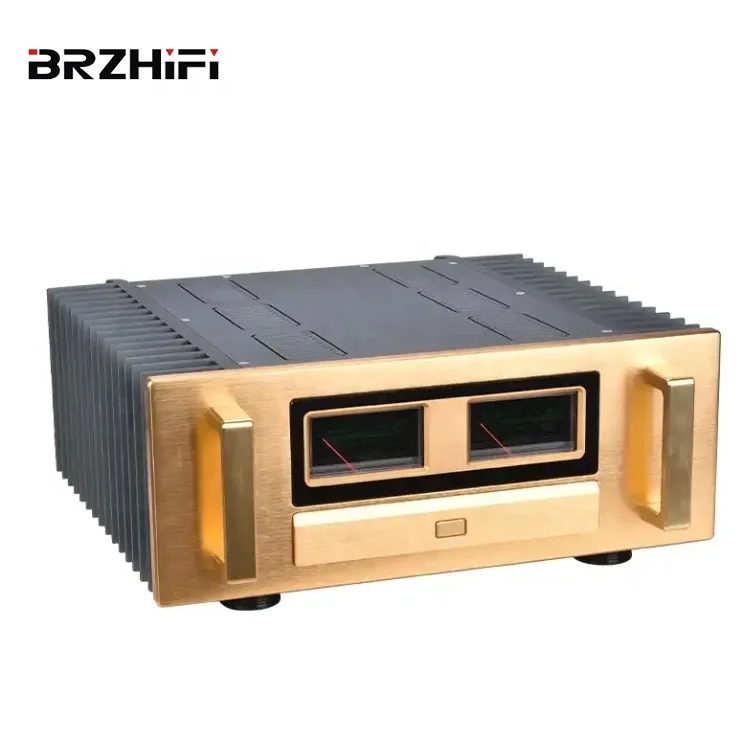
Power amplifiers excel in dedicated audio systems where maximum performance is prioritized over convenience. They typically offer superior power delivery and lower distortion compared to integrated units at similar price points. However, the additional cost of a separate preamplifier must be factored into your budget considerations. Professional audio applications often favor power amplifiers for their flexibility and performance characteristics.
Class A, AB, and D Amplifier Technologies
Class A amplifiers represent the pinnacle of audio fidelity, operating with transistors conducting continuously throughout the entire signal cycle. This design eliminates crossover distortion but generates significant heat and consumes considerable power. While Class A amplifiers traditionally command premium prices, some manufacturers now offer budget-friendly options that make this technology more accessible to cost-conscious consumers.
Class AB amplifiers strike a balance between performance and efficiency, switching between Class A operation for small signals and Class B for larger signals. This hybrid approach reduces heat generation while maintaining good audio quality. Class D amplifiers use switching technology to achieve exceptional efficiency, making them popular in compact and portable applications. When evaluating the cheapest amplifier options, Class AB and Class D designs often provide the best combination of performance and affordability.
Power Requirements and Speaker Matching
Calculating Adequate Power Output
Determining the appropriate power output for your amplifier involves understanding your speakers' sensitivity ratings and your listening preferences. Speaker sensitivity, measured in decibels per watt at one meter, indicates how efficiently speakers convert amplifier power into sound. Higher sensitivity speakers require less power to achieve the same volume levels, allowing you to consider lower-powered amplifiers without sacrificing performance. This relationship becomes crucial when budget constraints limit your options to the cheapest amplifier models available.
Room size and acoustic characteristics significantly influence power requirements. Larger rooms and acoustically challenging environments demand more power to achieve satisfying volume levels. Additionally, music genres with wide dynamic ranges benefit from amplifiers with substantial headroom, preventing distortion during loud passages. Consider your typical listening levels and peak requirements when evaluating different amplifier power ratings within your budget range.
Impedance Matching Considerations
Speaker impedance, typically rated at 4, 6, or 8 ohms, must be compatible with your amplifier's output specifications. Most amplifiers provide different power ratings depending on the connected load impedance, with lower impedance speakers drawing more current from the amplifier. Ensure your chosen amplifier can safely drive your speakers' impedance without overheating or triggering protection circuits. This compatibility check becomes especially important when purchasing the cheapest amplifier options, as budget models may have limited impedance flexibility.
Multiple speaker configurations require careful impedance calculations to prevent damage to both amplifiers and speakers. Series wiring increases total impedance while parallel wiring decreases it. Understanding these relationships helps you design safe and effective speaker systems that maximize your amplifier's performance potential. Consulting impedance charts or using online calculators can simplify these calculations for complex configurations.
Connectivity and Input Options
Analog Input Requirements
Modern amplifiers offer various analog input options to accommodate different audio sources. RCA line inputs remain the most common connection type, suitable for CD players, turntables with built-in preamps, and other line-level sources. Some amplifiers include dedicated phono inputs with RIAA equalization curves for direct turntable connections, eliminating the need for external phono preamps. When shopping for budget options, ensure your cheapest amplifier choice includes the necessary inputs for your current and planned audio sources.
XLR balanced inputs, while less common in budget amplifiers, provide superior noise rejection for professional audio equipment and high-end sources. These connections maintain signal integrity over longer cable runs and reduce susceptibility to electromagnetic interference. If your audio system includes professional-grade components, prioritize amplifiers with balanced inputs even if they cost slightly more than the absolute cheapest amplifier alternatives.
Digital Connectivity Features
Digital inputs expand your amplifier's versatility by accepting signals directly from digital sources without requiring external digital-to-analog converters. Optical and coaxial digital inputs accommodate CD players, streaming devices, and computer audio interfaces. USB inputs enable direct connection to computers and mobile devices, often supporting high-resolution audio formats. While these features may increase costs slightly, they can eliminate the need for additional equipment, potentially making a feature-rich amplifier more economical than the cheapest amplifier plus separate converters.
Wireless connectivity options like Bluetooth and Wi-Fi have become increasingly common in modern amplifiers. These features enable streaming from smartphones, tablets, and network-attached storage devices without physical connections. Consider your usage patterns and convenience preferences when weighing the value of wireless features against pure audio performance in budget-conscious decisions.
Build Quality and Reliability Factors
Construction Materials and Design
Amplifier construction quality directly impacts long-term reliability and performance consistency. Heavy-gauge steel chassis provide better electromagnetic shielding and structural rigidity compared to lightweight plastic housings. Internal component quality varies significantly between budget and premium models, but even the cheapest amplifier options can deliver satisfactory performance when properly engineered. Examine product specifications and user reviews to assess build quality indicators like weight, materials, and component sourcing.
Thermal management systems play crucial roles in amplifier longevity and performance stability. Adequate heatsinking, ventilation, and internal airflow prevent overheating that can degrade components and trigger protective shutdowns. Budget amplifiers may compromise on thermal design to reduce costs, so pay attention to operating temperature specifications and user feedback regarding heat generation during extended use.
Warranty Coverage and Support
Manufacturer warranty terms provide insight into expected product reliability and company confidence in their designs. Longer warranty periods typically indicate higher build quality and better component selection, even in budget product categories. Compare warranty coverage between different cheapest amplifier options, as this protection can significantly impact total cost of ownership if repairs become necessary. International warranty coverage becomes important for imported products purchased through online retailers.
Technical support availability and quality vary dramatically between manufacturers and distributors. Established audio companies typically provide better documentation, troubleshooting resources, and customer service compared to generic brands. Consider the value of reliable support when evaluating budget alternatives, especially if you're new to audio equipment or anticipate needing assistance with setup and operation.
Performance Specifications and Measurements
Distortion and Noise Characteristics
Total Harmonic Distortion (THD) measurements indicate how faithfully an amplifier reproduces input signals without adding unwanted harmonic content. Lower THD values generally correlate with cleaner sound reproduction, though the audible significance of small differences remains debatable among audio enthusiasts. When comparing the cheapest amplifier options, focus on THD measurements at typical listening levels rather than maximum power output, as distortion often increases significantly as amplifiers approach their limits.
Signal-to-noise ratio (SNR) measurements quantify an amplifier's ability to reproduce quiet passages without audible background noise. Higher SNR values indicate better performance in this regard, with values above 90dB generally considered acceptable for most applications. Frequency response measurements show how evenly an amplifier reproduces different frequencies, with flatter responses typically preferred for accurate sound reproduction.
Dynamic Range and Headroom
Dynamic range capabilities determine an amplifier's ability to handle sudden volume changes and transient peaks without distortion or clipping. This characteristic becomes particularly important for music with wide dynamic ranges, such as classical orchestral pieces or live recordings. Budget amplifiers may compromise dynamic range to achieve lower costs, but carefully engineered cheapest amplifier models can still deliver satisfactory performance for most listening applications.
Power supply design significantly influences dynamic performance, with larger transformers and filter capacitors generally providing better transient response. Linear power supplies typically offer superior performance compared to switching supplies, though switching designs enable more compact and efficient amplifier packages. Evaluate power supply specifications when comparing budget alternatives, as this component often separates good performers from mediocre ones in the same price category.
Online Shopping Considerations
Retailer Reputation and Policies
Selecting reputable online retailers becomes crucial when purchasing audio equipment, particularly when seeking the cheapest amplifier deals. Established retailers typically offer better customer service, return policies, and warranty support compared to unknown sellers. Research retailer reviews, ratings, and business practices before making purchase decisions, especially for significant investments or unfamiliar brands. Consider factors like shipping costs, return procedures, and customer service responsiveness when comparing total purchase value.
Payment security and fraud protection mechanisms vary between online platforms and payment methods. Use secure payment systems that offer buyer protection and dispute resolution services. Avoid retailers that only accept untraceable payment methods or request unusual personal information. Document your purchases with screenshots and confirmation emails to facilitate potential warranty claims or returns.
Shipping and Handling Considerations
Audio equipment requires careful packaging to prevent damage during shipping, particularly for heavy amplifiers with sensitive internal components. Verify that sellers use appropriate packaging materials and shipping methods for fragile electronics. Insurance coverage becomes important for valuable purchases, providing financial protection against shipping damage or loss. Factor shipping costs and delivery timeframes into your total purchase decision when comparing cheapest amplifier options from different sellers.
International shipping introduces additional complexities including customs duties, import taxes, and extended delivery times. Research your country's import requirements and potential additional costs before purchasing from overseas sellers. Some products may require different power connections or voltage specifications for international use, necessitating additional adapters or modifications.
FAQ
What power rating should I look for in a budget amplifier
The appropriate power rating depends on your speakers' sensitivity and room size. For average-sensitivity speakers (87-90dB) in medium-sized rooms, 20-50 watts per channel typically provides adequate performance. Higher sensitivity speakers can work well with lower-powered amplifiers, while inefficient speakers may require 75+ watts for satisfying volume levels. Consider your peak listening requirements and leave some headroom for dynamic passages when selecting from the cheapest amplifier options available.
Are expensive amplifiers always better than budget models
Price doesn't always correlate directly with audio performance, though more expensive amplifiers typically offer better build quality, features, and specifications. Many budget amplifiers provide excellent sound quality for their price point, making them suitable for casual listening and entry-level systems. Focus on specifications that matter for your application rather than price alone, as some cheapest amplifier models deliver surprising performance when matched appropriately with speakers and sources.
How important is brand reputation when buying online
Brand reputation becomes particularly important for online purchases where you cannot physically examine products before buying. Established manufacturers typically provide better warranty support, documentation, and long-term parts availability. However, some lesser-known brands offer excellent value propositions with comparable performance at lower prices. Research user reviews and professional evaluations to assess actual performance rather than relying solely on brand recognition when seeking the cheapest amplifier deals.
What should I do if my online amplifier purchase arrives damaged
Document any shipping damage with photos before unpacking completely, then contact the seller immediately to report the problem. Most reputable retailers will arrange return shipping and replacement or refund processing. Keep all original packaging materials until you confirm the product works properly, as returns often require original packaging. Purchase from sellers with clear return policies and good customer service ratings to simplify potential damage claims and resolution processes.