
 EN
EN
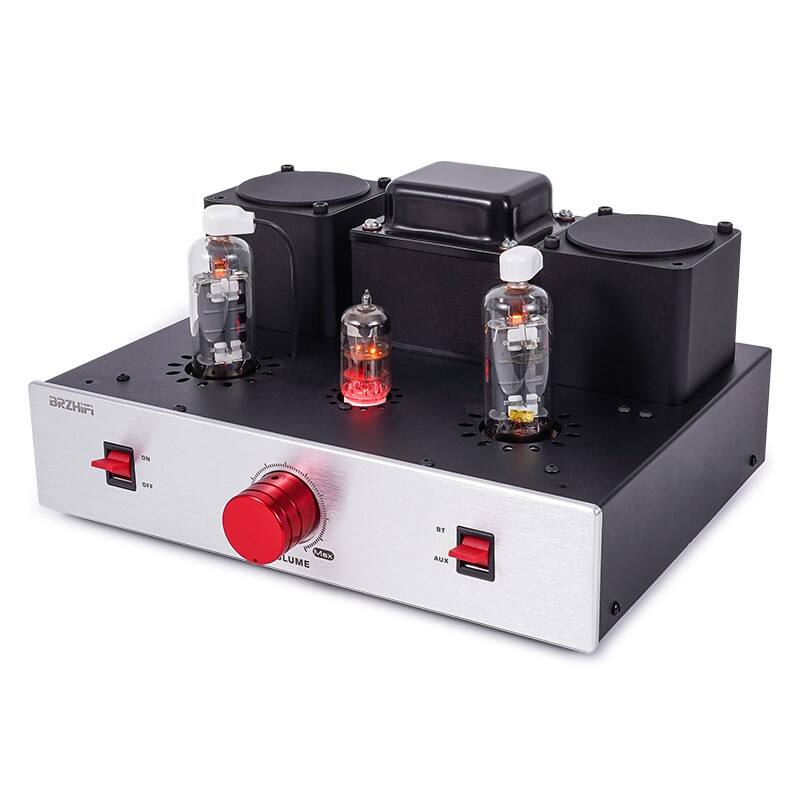
Desktop audio setups have evolved significantly over the past decade, with enthusiasts seeking compact yet high-quality solutions that deliver exceptional sound without overwhelming limited workspace. A mini tube amplifier represents the perfect intersection of vintage warmth and modern convenience, offering audiophiles the ability to experience the coveted tube sound signature in environments where space is at a premium. These compact powerhouses bring the sonic characteristics that made vacuum tube technology legendary while addressing the practical constraints of contemporary desktop configurations.
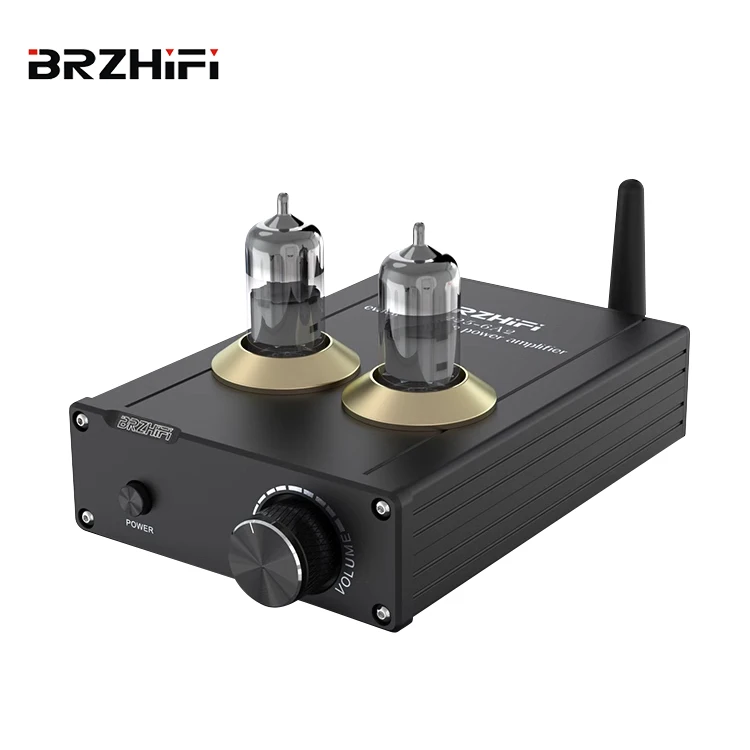
The resurgence of desktop audio culture has created unprecedented demand for equipment that balances performance with practicality. Modern professionals and students spend countless hours at their desks, making audio quality an essential component of their daily experience. A well-chosen mini tube amplifier can transform mundane computer speakers or headphones into a gateway for rediscovering favorite music with newfound depth and character. The warm, harmonically rich sound signature that defines tube amplification becomes particularly appealing when contrasted against the often sterile presentation of digital audio chains.
Understanding the unique advantages of tube amplification technology helps explain why these compact units have captured the attention of desktop audio enthusiasts worldwide. Unlike solid-state alternatives, tube amplifiers introduce subtle harmonic distortion that many listeners find musically pleasing, creating a sense of presence and dimensionality that enhances the listening experience. This characteristic becomes especially valuable in desktop environments where listeners typically sit in near-field positions, allowing them to appreciate the nuanced sonic improvements that tube technology provides.
Desktop Integration and Space Optimization
Compact Design Advantages
The physical footprint of a mini tube amplifier makes it ideally suited for desktop integration, typically measuring no larger than a standard textbook while delivering surprising power output. Modern manufacturers have mastered the art of miniaturization without compromising essential tube circuitry, creating units that fit comfortably alongside monitors, keyboards, and other desktop essentials. The compact nature of these amplifiers allows users to position them optimally for both aesthetic appeal and functional accessibility, often serving as attractive conversation pieces that showcase the warm glow of illuminated vacuum tubes.
Strategic placement options for desktop tube amplifiers include positioning them as centerpiece elements that complement existing workspace aesthetics while maintaining easy access to volume controls and input selections. The visual appeal of glowing tubes creates an ambiance that many users find conducive to focused work or relaxed listening sessions. Unlike larger amplifiers that require dedicated shelving or floor space, a mini tube amplifier can be seamlessly integrated into existing desk configurations without necessitating significant reorganization or additional furniture investments.
Cable Management and Connectivity
Effective cable management becomes crucial when incorporating tube amplification into desktop environments, and modern mini tube amplifier designs address these concerns through thoughtful input and output arrangements. Most contemporary units feature rear-panel connectivity that keeps cables organized and out of sight, while front-panel controls remain easily accessible for daily operation. The shorter signal paths typical in desktop setups actually complement tube amplifier characteristics, minimizing potential interference while maximizing the benefits of tube coloration and dynamics.
Integration with computer audio systems requires careful consideration of impedance matching and signal levels, areas where quality tube amplifiers excel through their typically robust input stages and flexible gain structures. Many desktop users appreciate the ability to connect multiple sources simultaneously, whether streaming from computers, phones, or dedicated digital audio players. The natural compression and saturation characteristics of tube circuits often improve the presentation of heavily compressed digital music files, making them particularly valuable for users who primarily consume streaming audio content.
Power Output and Efficiency Considerations
Wattage Requirements for Desktop Applications
Desktop listening environments typically require modest power output levels, making low-wattage tube amplifiers perfect candidates for these applications. Most desktop speakers operate efficiently with power levels between 10-50 watts per channel, well within the capabilities of modern mini tube amplifier designs. The power requirements for near-field listening differ significantly from those needed for room-filling applications, allowing smaller tube amplifiers to deliver satisfying volume levels while operating within their optimal performance ranges.
The relationship between amplifier power and speaker efficiency becomes particularly important in desktop configurations where users often select compact bookshelf speakers or studio monitors. A well-designed mini tube amplifier can drive these speakers to satisfying levels while maintaining the dynamic headroom necessary for musical peaks and transients. The natural compression characteristics of tube circuits actually complement desktop listening, providing consistent volume levels that work well in office or study environments where extreme dynamics might be inappropriate.
Heat Generation and Ventilation
Thermal management represents a critical consideration when selecting tube amplification for desktop use, as vacuum tubes generate heat during normal operation. Modern mini tube amplifier designs incorporate efficient heat dissipation strategies that make them suitable for desktop placement without creating uncomfortable working conditions. Proper ventilation around the amplifier ensures optimal tube life while preventing heat buildup that could affect nearby electronic equipment or create uncomfortable ambient temperatures.
The heat output from contemporary small tube amplifiers typically remains manageable in well-ventilated desktop environments, often producing less thermal energy than high-performance computer processors or monitors. Users should maintain adequate clearance around ventilation openings and avoid enclosing amplifiers in tight spaces or poorly ventilated furniture. The warm operating temperature of tubes actually contributes to their sonic characteristics, but proper thermal management ensures reliable operation and extended component life in desktop applications.
Sound Quality and Performance Characteristics
Frequency Response and Tonal Balance
The frequency response characteristics of tube amplifiers offer distinct advantages in desktop listening environments where users typically sit within a few feet of their speakers. The gentle roll-off in extreme high frequencies that characterizes many tube designs can actually benefit desktop setups by reducing listener fatigue during extended listening sessions. This natural high-frequency attenuation complements the often bright characteristics of computer speakers and monitors, creating a more balanced and enjoyable listening experience for extended periods.
Midrange performance represents perhaps the most significant advantage of tube amplification in desktop applications, where vocals and acoustic instruments benefit from the natural warmth and presence that define quality tube circuits. The harmonic richness that tubes impart to midrange frequencies becomes particularly apparent in near-field listening, allowing users to appreciate subtleties in vocal texture and instrumental timbre that might be masked in larger listening environments. This enhanced midrange character makes tube amplifiers particularly appealing for users who frequently listen to jazz, classical, or acoustic music genres.
Dynamic Range and Headroom
Dynamic performance in desktop applications benefits from the natural compression characteristics of tube circuits, which provide consistent listening levels while preserving musical dynamics. The soft clipping behavior of overdriven tubes creates a more forgiving response to digital peaks and compressed source material, common challenges in computer-based audio systems. This characteristic allows users to maintain comfortable listening levels without sacrificing musical engagement or detail resolution, particularly important in work environments where volume levels must remain moderate.
The headroom capabilities of modern mini tube amplifier designs accommodate the dynamic requirements of desktop listening while providing sufficient reserve power for musical peaks. Unlike solid-state amplifiers that exhibit harsh clipping characteristics when overdriven, tube circuits gracefully transition into saturation, providing audible warnings of approaching limits while maintaining musical integrity. This forgiving nature makes tube amplifiers particularly suitable for users who may not have extensive experience with audio equipment setup and operation.
Source Compatibility and Input Options
Digital Source Integration
Modern desktop audio systems rely heavily on digital sources, making input flexibility a crucial consideration when selecting tube amplification. Contemporary mini tube amplifier designs often incorporate multiple input options, including analog line inputs for connecting external DACs or CD players, and sometimes integrated digital-to-analog conversion for direct computer connection. The analog processing capabilities of tube circuits complement digital source material by adding harmonic complexity and natural compression that can improve the presentation of heavily processed recordings.
The interface between digital sources and tube amplification requires careful attention to gain staging and impedance matching to achieve optimal results. Many desktop users appreciate the ability to connect smartphones, tablets, and laptops directly to their amplifiers, making Bluetooth connectivity and USB inputs valuable features in modern designs. The natural smoothing effect of tube processing often improves the sound quality of compressed audio files and streaming services, making these amplifiers particularly valuable for users who primarily consume digital media.
Analog Source Connections
Despite the prevalence of digital sources in desktop environments, analog input capabilities remain important for users who incorporate turntables, tape decks, or other traditional audio components into their desktop systems. The inherent compatibility between analog sources and tube amplification creates synergistic combinations that showcase the strengths of both technologies. Phono input capabilities, either integrated or via external preamps, allow desktop users to enjoy vinyl playback through compact systems without requiring separate amplification components.
The multiple input switching capabilities of modern tube amplifiers enable users to seamlessly transition between various source components throughout their listening sessions. This flexibility proves particularly valuable in desktop environments where users might switch between computer audio for work-related activities and dedicated music sources for recreational listening. The ability to maintain separate gain settings for different sources enhances user convenience while ensuring optimal performance across diverse input types and signal levels.
Maintenance and Longevity in Desktop Environments
Tube Life and Replacement Considerations
The operational environment of desktop systems generally favors extended tube life due to moderate power demands and typically stable operating conditions. Most mini tube amplifier applications in desktop settings operate tubes well within their design parameters, potentially extending service life compared to high-power applications. The controlled environment of indoor desktop use, with relatively stable temperatures and protection from vibration, creates optimal conditions for vacuum tube longevity and consistent performance over time.
Tube replacement procedures in desktop amplifiers are typically straightforward, designed for user serviceability without requiring extensive technical expertise. The compact nature of these amplifiers often simplifies access to tube sockets while their lower power operation reduces the complexity of bias adjustments and matching requirements. Regular tube maintenance involves periodic cleaning of tube pins and sockets, monitoring for signs of degradation, and eventual replacement when performance begins to deteriorate, processes that most desktop users can accomplish with basic tools and instructions.
Environmental Factors and Protection
Desktop environments present unique challenges and advantages for tube amplifier operation, requiring consideration of factors such as dust accumulation, electromagnetic interference, and thermal cycling. The controlled indoor environment typically provides protection from humidity extremes and temperature fluctuations that can affect tube performance, while regular computer use often ensures consistent air circulation that benefits tube cooling. However, desktop environments may expose amplifiers to higher levels of electromagnetic interference from computers, monitors, and wireless devices.
Protective measures for desktop tube amplifiers include proper positioning away from strong electromagnetic sources, regular cleaning to prevent dust accumulation on tubes and ventilation openings, and power conditioning to protect against electrical surges and noise. The compact size of these amplifiers makes it practical to cover them when not in use, protecting tubes and circuitry from dust and accidental contact. Proper grounding and shielding become particularly important in desktop environments where multiple electronic devices operate in close proximity.
Cost-Effectiveness and Value Proposition
Budget Considerations and Performance Scaling
The cost-effectiveness of mini tube amplifier solutions in desktop applications compares favorably to alternative amplification options when considering both initial investment and long-term ownership costs. Entry-level tube amplifiers suitable for desktop use often cost less than high-end solid-state alternatives while providing distinctive sonic characteristics that justify their premium over basic amplification solutions. The scalable nature of tube amplifier performance allows users to upgrade components gradually, starting with basic units and enhancing performance through tube rolling, component upgrades, or speaker improvements.
Value assessment must consider the total system cost including amplification, speakers, sources, and accessories required for complete desktop audio systems. Mini tube amplifier systems often require fewer additional components compared to separates-based approaches, potentially reducing overall system complexity and cost while delivering comparable or superior performance. The longevity of well-designed tube amplifiers, combined with their upgrade potential and strong resale values, often makes them economically attractive choices for users planning long-term desktop audio investments.
Performance Per Dollar Analysis
When evaluating performance per dollar in desktop applications, mini tube amplifier options often excel in areas that matter most to near-field listening experiences. The midrange warmth and natural dynamics that characterize tube amplification provide sonic benefits that are difficult to quantify purely through specifications but significantly enhance listening enjoyment. These subjective improvements often justify the premium that tube amplifiers command over basic solid-state alternatives, particularly for users who spend significant time listening to music during work or study sessions.
Comparative analysis should consider not only initial purchase price but also operational costs, upgrade potential, and expected service life when evaluating tube amplifier investments. The ability to modify sonic characteristics through tube selection provides ongoing value that solid-state alternatives cannot match, allowing users to fine-tune their systems over time without requiring complete component replacement. This flexibility, combined with the inherent appeal and potential collectibility of tube equipment, often results in strong value retention that benefits users who eventually upgrade or change their systems.
FAQ
What power output is ideal for a desktop mini tube amplifier?
For desktop applications, a mini tube amplifier with 15-30 watts per channel typically provides sufficient power for most bookshelf speakers and near-field monitors. The close listening distance in desktop setups means that moderate power levels can achieve satisfying volume levels while allowing the amplifier to operate in its optimal performance range. Higher power ratings may be unnecessary and could lead to the amplifier operating inefficiently at low volume levels where tube characteristics are less pronounced.
How much desk space does a typical mini tube amplifier require?
Most mini tube amplifier units occupy approximately 12-16 inches in width, 8-10 inches in depth, and 4-6 inches in height, making them comparable in footprint to a large textbook or small laptop. Additional clearance of 2-3 inches on all sides is recommended for proper ventilation and heat dissipation. The compact size allows placement alongside standard desktop equipment without requiring dedicated furniture or significant workspace reorganization, making them practical choices for most desk configurations.
Do mini tube amplifiers generate too much heat for desktop use?
Modern mini tube amplifier designs generate modest amounts of heat that are generally acceptable for desktop environments with adequate ventilation. The heat output is typically comparable to a high-performance computer processor or large monitor, rarely creating uncomfortable ambient temperatures when properly positioned. Maintaining clear airflow around the amplifier and avoiding enclosed spaces ensures optimal operating temperatures while preventing heat-related performance issues or reduced component life.
Can a mini tube amplifier improve the sound quality of computer speakers?
A quality mini tube amplifier can significantly enhance the performance of computer speakers by providing cleaner power delivery, improved dynamics, and the characteristic warmth and harmonic richness associated with tube amplification. The natural compression and subtle distortion that tubes introduce often improves the presentation of compressed digital audio files and streaming content, making music more engaging and less fatiguing during extended listening sessions. However, the speakers themselves remain the primary limiting factor in overall system performance, so pairing a tube amplifier with quality bookshelf speakers or studio monitors will yield the most dramatic improvements.