
 EN
EN
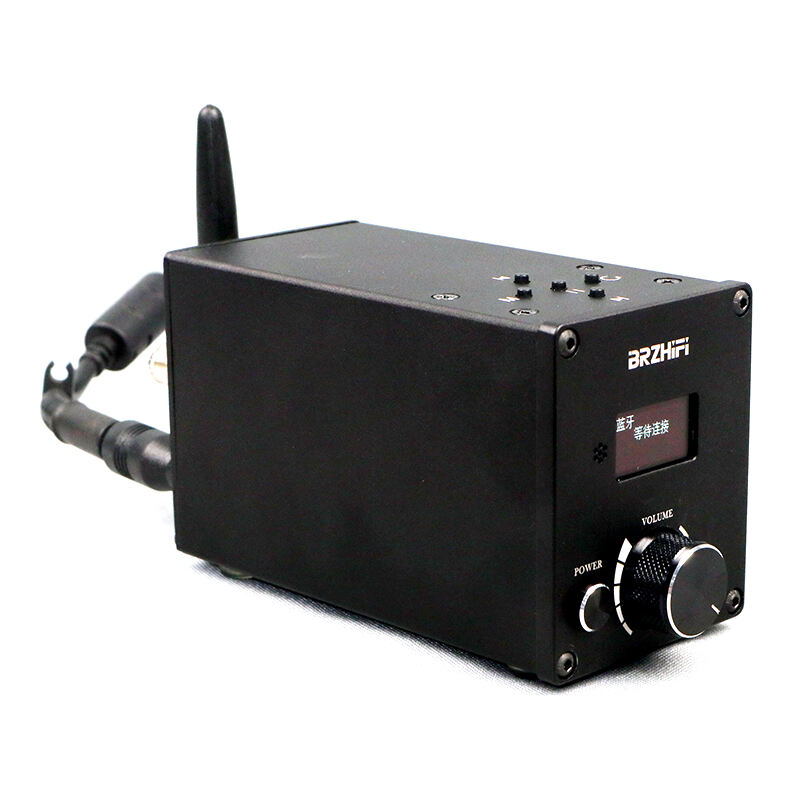
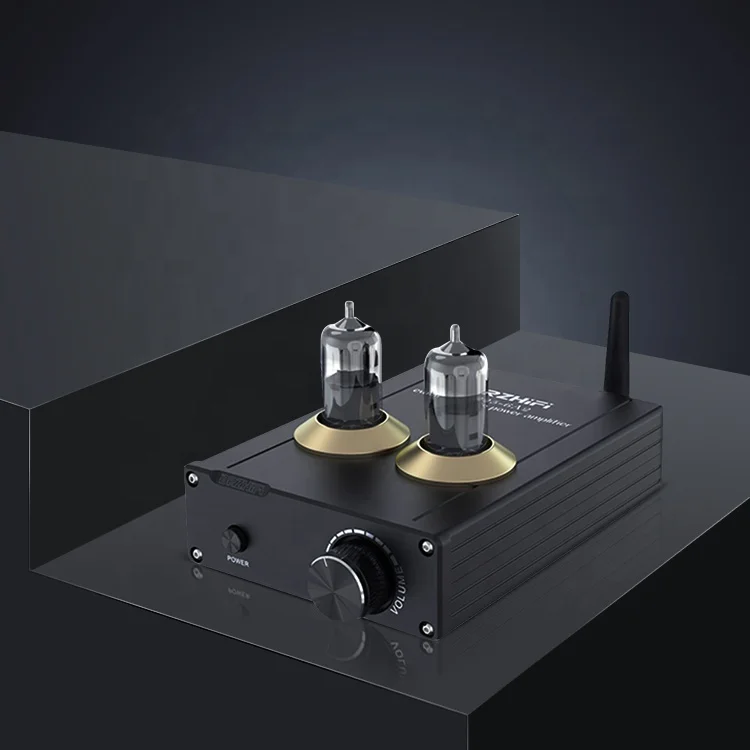
Entry-level tube amplifiers have experienced a remarkable resurgence in recent years, attracting both audiophiles and casual music enthusiasts seeking the distinctive warmth and character that vacuum tube technology provides. Understanding what to expect from these affordable audio components is crucial for making an informed purchase decision. The best budget tube amp delivers a unique sonic signature that differs significantly from solid-state alternatives, offering harmonic richness and natural compression that many listeners find appealing. When exploring entry-level options, it's important to establish realistic expectations regarding power output, build quality, and overall performance characteristics that define this price segment.
Understanding Tube Amplifier Fundamentals
Basic Operating Principles
Tube amplifiers operate using vacuum tubes to amplify electrical signals, creating a fundamentally different sound character compared to transistor-based designs. The best budget tube amp typically employs either single-ended triode or push-pull configurations, each offering distinct sonic advantages. Single-ended designs provide exceptional midrange clarity and harmonic richness, while push-pull circuits deliver greater power output and improved frequency response. The vacuum tubes generate heat during operation, which contributes to the characteristic warm-up period these amplifiers require before reaching optimal performance. This thermal behavior also influences the dynamic response and tonal qualities that define tube sound.
The amplification process in tube circuits involves controlling electron flow through vacuum-sealed glass envelopes, creating natural compression and harmonic distortion that many listeners find musically pleasing. Entry-level models often utilize common tube types such as 12AX7 preamp tubes and EL84 or 6V6 power tubes, which offer good performance at reasonable replacement costs. Understanding these fundamental principles helps establish appropriate expectations for what the best budget tube amp can realistically deliver in terms of power, dynamics, and overall sonic character.
Circuit Topology Considerations
Entry-level tube amplifiers typically feature simplified circuit designs that prioritize cost-effectiveness while maintaining essential tube characteristics. Most budget models employ basic preamp and power amp sections with minimal negative feedback, resulting in the open, dynamic sound quality associated with vacuum tube technology. The circuit topology directly influences the amplifier's tonal balance, with some designs emphasizing midrange warmth while others provide more extended frequency response. Component quality in budget amplifiers often represents compromises in areas such as transformers, capacitors, and resistors, which can affect long-term reliability and sonic refinement.
Power supply design plays a crucial role in determining the overall performance characteristics of the best budget tube amp options. Entry-level models frequently utilize solid-state rectification rather than tube rectification to reduce costs and improve reliability. While this approach may sacrifice some of the traditional tube sound character, it provides more stable operation and reduces maintenance requirements. The output transformer quality significantly impacts bass response and overall dynamics, with budget models typically featuring smaller transformers that may limit low-frequency extension and maximum power delivery.
Performance Expectations and Limitations
Power Output Characteristics
Entry-level tube amplifiers typically deliver modest power outputs ranging from 5 to 25 watts per channel, which may seem limited compared to solid-state alternatives but can provide adequate volume levels with efficient speakers. The best budget tube amp designs optimize their limited power through careful impedance matching and efficient circuit topologies. Tube amplifiers exhibit different power delivery characteristics than transistor designs, with their natural compression allowing them to sound louder than their rated wattage might suggest. However, users should understand that these amplifiers work best with speakers rated at 88dB sensitivity or higher for optimal performance in typical listening rooms.
The dynamic behavior of tube amplifiers differs significantly from solid-state designs, with gradual compression occurring as power limits are approached rather than harsh clipping. This characteristic allows the best budget tube amp to maintain musical integrity even when driven beyond its comfort zone, though extended high-volume operation may reduce tube lifespan. Peak power capabilities are generally limited, making these amplifiers most suitable for moderate listening levels and smaller to medium-sized rooms. Understanding these power limitations helps users select appropriate speakers and set realistic volume expectations for their listening applications.
Frequency Response Characteristics
Budget tube amplifiers often exhibit frequency response characteristics that emphasize midrange warmth while potentially rolling off at the frequency extremes. The best budget tube amp typically provides excellent midrange reproduction with natural-sounding vocals and instruments, though deep bass extension may be limited by transformer quality and circuit design constraints. High-frequency response can vary significantly between models, with some designs offering crisp treble reproduction while others may sound somewhat rolled-off or warm in the upper registers. These frequency response characteristics contribute to the overall tonal balance and musical character that defines each amplifier's sound signature.
The interaction between tube amplifiers and speakers creates complex impedance relationships that can significantly affect frequency response. Entry-level models may exhibit more pronounced variations in response across different speaker loads compared to higher-end designs with better output transformers and more sophisticated circuit topologies. Users should consider these characteristics when matching amplifiers with speakers, as the combination significantly influences the overall system sound quality. The best budget tube amp options typically provide reasonably flat response within their operating bandwidth, though perfection across all frequencies should not be expected at this price point.
Build Quality and Component Considerations
Construction Standards
Entry-level tube amplifiers employ cost-effective construction methods that may include printed circuit boards, stamped metal chassis, and basic component selections to achieve attractive pricing. The best budget tube amp manufacturers focus resources on critical areas such as tube sockets, transformers, and basic circuit integrity while making compromises in areas like chassis thickness, connector quality, and cosmetic finishing. These construction approaches can still result in reliable, good-sounding amplifiers when executed properly, though users should expect less robust build quality compared to premium models. Understanding these construction realities helps set appropriate expectations for durability and long-term performance.
Component quality in budget tube amplifiers represents careful balancing between performance and cost, with manufacturers selecting parts that provide adequate functionality without premium pricing. Electrolytic capacitors, resistors, and other passive components may not offer the same longevity or sonic refinement as high-end alternatives, but they typically provide years of reliable service when operated within design parameters. The best budget tube amp designs incorporate adequate ventilation and thermal management to ensure component longevity despite cost constraints. Users should be prepared for eventual component replacement as part of normal maintenance, particularly for electrolytic capacitors after extended use.
Tube Selection and Maintenance
Budget tube amplifiers typically ship with basic production tubes that provide acceptable performance while keeping costs manageable. The best budget tube amp models often allow for tube rolling, enabling users to experiment with different tube brands and types to customize the sound character. Common tube types used in entry-level amplifiers include readily available options such as 12AU7, 12AX7, EL84, and 6V6, which offer reasonable replacement costs and widespread availability. Understanding tube characteristics and replacement procedures is essential for maintaining optimal performance over time.
Tube maintenance requirements should be considered as an ongoing cost factor when evaluating entry-level amplifiers. Power tubes typically require replacement every 2000 to 5000 hours of operation, while preamp tubes may last significantly longer. The best budget tube amp designs provide easy access to tubes for replacement and may include bias adjustment controls for power tube replacement. Users should budget for periodic tube replacement and consider learning basic maintenance procedures to minimize service costs. Quality aftermarket tubes can often provide significant sonic improvements over stock tubes, making tube rolling an attractive upgrade path for budget-conscious enthusiasts.
Matching Amplifiers with Speakers
Speaker Compatibility Factors
Selecting appropriate speakers for use with entry-level tube amplifiers requires careful consideration of efficiency ratings, impedance characteristics, and power handling capabilities. The best budget tube amp performs optimally with speakers rated at 88dB sensitivity or higher, as lower-efficiency speakers may not achieve adequate volume levels with limited amplifier power output. Impedance matching is equally important, with most tube amplifiers offering multiple output taps to accommodate different speaker impedances. Understanding these matching principles ensures optimal power transfer and prevents amplifier stress that could reduce tube lifespan or compromise performance.
Speaker characteristics significantly influence the overall system sound when paired with tube amplifiers, as the amplifier's output impedance interacts with speaker impedance variations across the frequency spectrum. This interaction can result in frequency response modifications that may enhance or detract from the overall musical presentation. The best budget tube amp designs typically work well with a wide range of speaker types, though some combinations may prove more synergistic than others. Users should consider auditioning different speaker options to find combinations that provide the desired tonal balance and dynamic performance within their budget constraints.
Room Acoustics and Positioning
Entry-level tube amplifiers work best in appropriately sized listening environments where their limited power output can provide adequate volume levels without strain. Room dimensions, acoustic treatments, and furniture placement all influence how effectively the best budget tube amp can fill the space with music. Smaller to medium-sized rooms typically provide the best match for these amplifiers, allowing their dynamic characteristics and tonal qualities to be fully appreciated. Understanding room acoustics helps users optimize speaker placement and listening positions to maximize the performance potential of their tube amplifier investment.
Positioning considerations extend beyond basic speaker placement to include amplifier ventilation and isolation from vibration sources. Tube amplifiers generate considerable heat during operation and require adequate ventilation to maintain component longevity and optimal performance. The best budget tube amp should be positioned away from heat-sensitive components and provided with sufficient clearance for air circulation. Additionally, tube amplifiers can be sensitive to mechanical vibration, which may cause microphonic noise through the tubes, making proper isolation an important consideration for optimal performance.
Value Proposition and Upgrade Paths
Cost-Benefit Analysis
Entry-level tube amplifiers offer an accessible introduction to vacuum tube sound characteristics without the significant investment required for premium models. The best budget tube amp provides substantial value by delivering the essential sonic qualities associated with tube technology while maintaining affordability for enthusiasts on limited budgets. This value proposition must be evaluated against ongoing operational costs, including tube replacement, potential maintenance requirements, and speaker compatibility considerations. Understanding the total cost of ownership helps users make informed decisions about whether tube amplification aligns with their budget and performance expectations.
Comparing entry-level tube amplifiers to solid-state alternatives in similar price ranges reveals distinct advantages and disadvantages for each technology. While the best budget tube amp may offer superior midrange warmth and harmonic richness, solid-state designs typically provide greater power output, extended frequency response, and lower maintenance requirements. The choice between technologies often comes down to personal preference and listening priorities rather than absolute performance metrics. Budget-conscious consumers should carefully consider their musical preferences and system requirements when evaluating the value proposition of tube amplification.
Future Upgrade Considerations
Entry-level tube amplifiers can serve as stepping stones to more sophisticated designs, allowing users to develop their preferences and understanding of tube sound characteristics before making larger investments. The best budget tube amp often provides modification potential for electronics enthusiasts who wish to upgrade components or customize performance characteristics. Common upgrade paths include improved tubes, capacitor replacements, and circuit modifications that can enhance performance without requiring complete amplifier replacement. Understanding these upgrade possibilities helps users maximize their initial investment while building experience with tube technology.
The knowledge gained from living with an entry-level tube amplifier provides valuable insights for future purchase decisions, whether upgrading within the tube amplifier category or exploring other audio components. Experience with tube maintenance, speaker matching, and listening preferences developed through extended use of the best budget tube amp informs more sophisticated choices later in the audio journey. This educational value represents an important but often overlooked benefit of starting with budget-friendly tube amplification before progressing to higher-performance models.
FAQ
How much power do I really need from a budget tube amplifier
Most listening situations can be adequately served by 10-20 watts from a tube amplifier when paired with efficient speakers rated at 88dB sensitivity or higher. The best budget tube amp designs optimize their limited power through efficient circuit topologies and careful impedance matching. For typical home listening in rooms up to 200 square feet, these power levels provide satisfying volume levels without strain. However, users who prefer very loud listening levels or have inefficient speakers may find power limitations restrictive.
What maintenance should I expect with an entry-level tube amplifier
Routine maintenance for budget tube amplifiers primarily involves periodic tube replacement and occasional cleaning of tube pins and sockets. Power tubes typically require replacement every 2000-5000 hours of use, while preamp tubes may last considerably longer. The best budget tube amp designs provide easy access for tube replacement and may include bias adjustment capabilities. Users should also budget for eventual electrolytic capacitor replacement after 10-15 years of service, depending on operating conditions and component quality.
Can I use any speakers with a budget tube amplifier
While most speakers can be connected to tube amplifiers, optimal performance requires careful matching of efficiency ratings and impedance characteristics. The best budget tube amp performs most effectively with speakers rated at 88dB sensitivity or higher and appropriate impedance ratings that match the amplifier's output taps. Low-efficiency speakers may not achieve adequate volume levels, while impedance mismatches can result in poor power transfer and potential amplifier stress. Consulting manufacturer specifications helps ensure compatible speaker selection.
Is tube rolling worth it with entry-level amplifiers
Tube rolling can provide meaningful sonic improvements even with budget amplifiers, as different tube brands and types offer varying sound characteristics. The best budget tube amp designs often benefit significantly from upgraded tubes, with improvements in areas such as detail resolution, tonal balance, and dynamic range. However, tube upgrade costs should be considered in relation to the amplifier's overall value, as expensive tubes may represent a disproportionate investment in very budget-oriented models. Starting with moderately priced upgrade tubes often provides the best cost-to-benefit ratio for entry-level amplifiers.