
 EN
EN
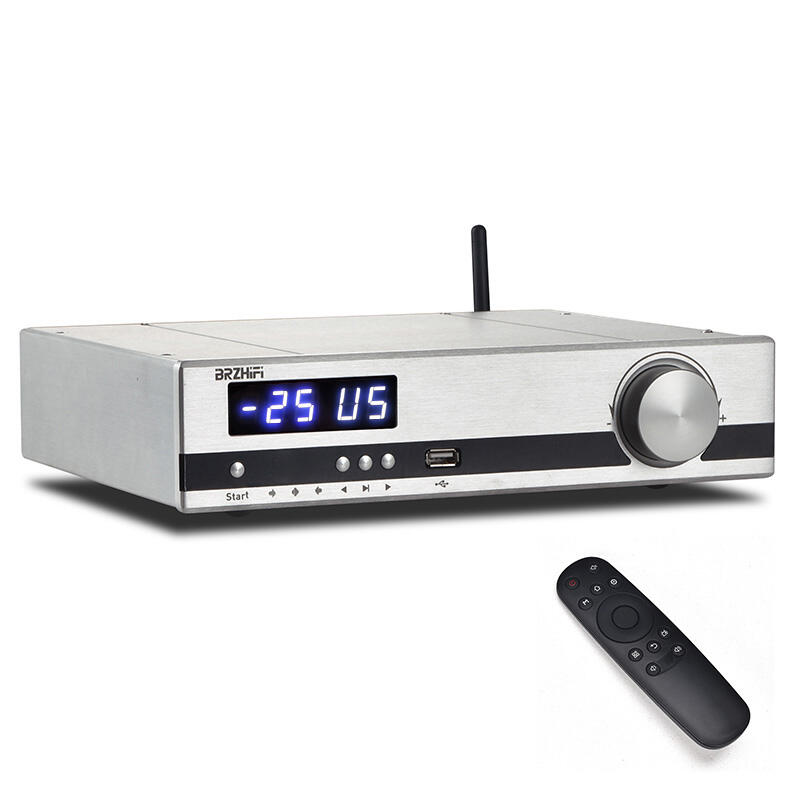
Room acoustics and amplifier selection form a critical partnership that many audio enthusiasts overlook when building their perfect sound system. The dimensions of your listening space directly influence how sound waves propagate, interact with surfaces, and ultimately reach your ears. Understanding this relationship becomes essential when choosing the best budget tube amp for your specific environment, as tube amplifiers possess unique sonic characteristics that respond differently to various room configurations compared to solid-state alternatives.

The physics of sound reproduction in enclosed spaces creates complex interactions between your amplifier output and room boundaries. Small rooms typically exhibit more pronounced bass buildup due to standing wave formation, while larger spaces may require additional power to achieve optimal listening levels. When selecting a tube amplifier, these acoustic principles must guide your decision-making process to ensure optimal performance and listening satisfaction.
Understanding Room Acoustics and Amplifier Requirements
Sound Wave Behavior in Different Room Sizes
Sound waves behave dramatically differently across various room dimensions, creating unique challenges for amplifier selection. In smaller listening spaces under 150 square feet, low-frequency waves encounter boundaries more frequently, creating standing wave patterns that can emphasize or cancel certain frequencies. The best budget tube amp for such environments typically requires less overall power but benefits from excellent frequency response control and minimal distortion characteristics.
Medium-sized rooms between 150-300 square feet present more balanced acoustic conditions, allowing sound waves greater freedom before encountering reflective surfaces. These spaces often provide the most forgiving environment for tube amplifier performance, where the natural harmonic richness of vacuum tube circuits can flourish without excessive room interaction complications.
Larger rooms exceeding 300 square feet demand significantly more acoustic energy to achieve satisfying listening levels. The increased air volume requires amplifiers capable of delivering adequate power reserves while maintaining the delicate tonal balance that makes tube amplification so appealing to audiophiles seeking authentic musical reproduction.
Frequency Response Considerations
Room size profoundly affects how different frequencies propagate and interact within your listening environment. Bass frequencies, with their longer wavelengths, become particularly problematic in smaller spaces where room dimensions approach quarter or half-wavelength multiples of specific frequencies. When evaluating options for the best budget tube amp, consider how the amplifier's low-frequency response will interact with your room's natural resonance characteristics.
Mid-range frequencies typically encounter fewer room-related issues but still benefit from amplifiers with smooth, linear response characteristics. Tube amplifiers naturally excel in this frequency range, providing the organic warmth and presence that makes vocals and instruments sound remarkably lifelike and engaging.
High frequencies face different challenges related to absorption and reflection patterns within your listening space. Hard surfaces create bright, potentially harsh reflections, while soft furnishings and acoustic treatments can overly dampen treble response. The best budget tube amp should offer sufficient high-frequency extension without excessive brightness that might exacerbate room-related acoustic issues.
Power Requirements for Different Room Configurations
Small Room Power Considerations
Compact listening environments typically require modest power levels to achieve comfortable listening volumes, making them ideal candidates for lower-wattage tube amplifiers. Single-ended triode designs or small push-pull configurations often provide sufficient output while delivering the pure, unadulterated tone that characterizes quality tube amplification. The best budget tube amp for small rooms frequently operates in the 5-15 watt range, offering excellent value without unnecessary power overhead.
However, power requirements extend beyond simple volume considerations. Even in small rooms, dynamic range capability remains crucial for reproducing musical peaks without compression or distortion. Quality tube amplifiers provide superior dynamic headroom compared to their rated continuous power output, allowing them to handle sudden transient demands effectively.
Speaker efficiency becomes particularly important in small room applications, as high-efficiency designs can deliver impressive sound levels with minimal amplifier power. Pairing an efficient speaker system with a carefully chosen tube amplifier creates synergy that maximizes performance while minimizing cost and complexity.
Medium to Large Room Requirements
Expanding room dimensions necessitate proportionally increased power output to maintain adequate sound pressure levels across the listening area. Medium-sized rooms typically benefit from tube amplifiers in the 15-40 watt range, while larger spaces may require 50 watts or more depending on speaker efficiency and desired listening levels.
The challenge lies in finding the best budget tube amp that provides sufficient power without sacrificing the sonic qualities that make tube amplification desirable. Higher-powered tube designs often employ more complex circuitry, potentially impacting the pure, direct signal path that characterizes simpler tube amplifier architectures.
Push-pull tube configurations become increasingly attractive for larger rooms, offering greater power output while maintaining reasonable operating costs and heat generation. These designs provide excellent compromise between power capability and the distinctive tube amplifier sound signature that audiophiles cherish.
Matching Amplifier Characteristics to Room Acoustics
Harmonic Content and Room Interaction
Tube amplifiers generate characteristic harmonic distortion patterns that interact uniquely with room acoustics, creating the warm, musical sound signature associated with vacuum tube technology. In smaller, more reflective environments, these harmonic additions can become overly prominent, requiring careful amplifier selection to avoid excessive coloration or frequency emphasis.
The best budget tube amp for your specific room should complement rather than compete with your space's natural acoustic character. Rooms with hard, reflective surfaces may benefit from amplifiers with slightly rolled-off high-frequency response, while heavily dampened spaces might require brighter, more extended treble characteristics to maintain proper tonal balance.
Understanding your room's acoustic signature enables informed amplifier selection that maximizes musical enjoyment while minimizing potential acoustic conflicts. This knowledge proves invaluable when comparing different tube amplifier options and their suitability for your specific listening environment.
Impedance Matching and Speaker Selection
Room size influences optimal speaker selection, which in turn affects amplifier impedance matching requirements. Smaller rooms often benefit from bookshelf or compact floor-standing speakers with higher impedance ratings, making them ideal partners for many tube amplifier designs that perform optimally with 8-16 ohm loads.
Larger rooms typically require more substantial speaker systems with greater cone area or multiple drivers to achieve adequate sound pressure levels. These larger speakers often present lower impedance loads that may challenge some tube amplifier designs, particularly those operating in single-ended configurations.
When searching for the best budget tube amp, consider both your current speaker system and potential future upgrades. Selecting an amplifier with flexible impedance matching capabilities provides greater long-term versatility and investment protection as your system evolves.
Budget Considerations and Value Optimization
Cost-Effective Solutions for Different Room Sizes
Budget constraints often dictate amplifier selection, but understanding room-specific requirements enables smarter purchasing decisions that maximize performance value. Small rooms offer the advantage of requiring less powerful amplifiers, allowing budget-conscious buyers to focus on quality rather than quantity when evaluating tube amplifier options.
The best budget tube amp for small rooms might feature premium components and superior construction quality while maintaining modest power output ratings. This approach delivers exceptional sound quality without the premium pricing associated with high-power tube amplifier designs.
Larger rooms present greater challenges for budget-minded consumers, as increased power requirements typically correlate with higher component costs and more complex manufacturing processes. However, careful research and patience can reveal excellent value propositions that provide adequate power while maintaining the essential sonic characteristics that make tube amplification so appealing.
Long-Term Investment Strategy
Purchasing decisions should consider both immediate needs and future system evolution possibilities. Room acoustics may change through furniture additions, acoustic treatments, or even relocation to different listening spaces. The best budget tube amp should offer sufficient flexibility to accommodate these potential changes without requiring complete system replacement.
Quality construction and reliable components ensure long-term satisfaction and minimize ongoing maintenance costs. While initial purchase price remains important, total cost of ownership includes tube replacement expenses, potential service requirements, and upgrade pathway availability that should influence selection criteria.
Consider amplifier features that add value across different room configurations, such as multiple impedance taps, gain adjustment capabilities, or modular design elements that enable future customization or performance optimization as your system and room acoustics evolve.
Practical Implementation Guidelines
Room Measurement and Assessment
Accurate room assessment forms the foundation for informed amplifier selection decisions. Measure not only floor area but also ceiling height, as room volume affects acoustic behavior significantly. Document surface materials, furniture placement, and any existing acoustic treatments that might influence sound propagation characteristics.
Listen critically to your current system across various volume levels and musical content types. Note any frequency emphasis or deficiencies, imaging issues, or dynamic range limitations that might guide amplifier selection criteria. This baseline assessment helps identify specific areas where the best budget tube amp might provide meaningful improvements.
Consider seasonal variations in room acoustics caused by changes in humidity, temperature, and furnishing arrangements. Windows may be opened or closed, carpets added or removed, and furniture repositioned throughout the year, all affecting your room's acoustic signature and optimal amplifier characteristics.
Testing and Evaluation Process
Whenever possible, audition potential amplifier candidates in your actual listening environment rather than relying solely on showroom demonstrations. Room acoustics dramatically influence amplifier performance, making in-home evaluation the most reliable method for assessing compatibility and performance potential.
Develop standardized test procedures using familiar musical selections that highlight different aspects of amplifier performance. Include dynamic classical pieces, intimate acoustic recordings, and complex electronic music to evaluate how the best budget tube amp handles diverse musical demands within your specific acoustic environment.
Document your impressions systematically, noting specific strengths and weaknesses relative to your room's acoustic characteristics. This information proves invaluable when comparing multiple amplifier options and making final selection decisions based on objective performance criteria rather than subjective impressions alone.
FAQ
How much power do I need from a tube amplifier for a small room?
Small rooms under 150 square feet typically require 5-15 watts from a quality tube amplifier, depending on speaker efficiency and desired listening levels. The best budget tube amp for small spaces often provides excellent performance in this power range while delivering the warm, engaging sound signature characteristic of vacuum tube technology. Higher efficiency speakers can achieve satisfying volume levels with even less power, making low-wattage tube amplifiers particularly attractive for compact listening environments.
Can I use the same tube amplifier if I move to a larger room?
While the same amplifier will function in a larger room, performance may be compromised due to insufficient power output for the increased space volume. The best budget tube amp selection should consider potential room changes and future needs. If relocation to a larger space is anticipated, choosing an amplifier with slightly higher power output or multiple impedance taps provides greater flexibility and long-term value, ensuring optimal performance across different room configurations.
Do room acoustics affect tube amplifier sound quality differently than solid-state amplifiers?
Tube amplifiers interact with room acoustics differently due to their characteristic harmonic distortion patterns and softer clipping behavior. These traits can either complement or conflict with room acoustic properties more noticeably than solid-state designs. Hard, reflective rooms may emphasize tube amplifier warmth beneficially, while overly dampened spaces might require brighter tube amplifier characteristics to maintain proper tonal balance and musical engagement.
Should I prioritize power output or sound quality when choosing a budget tube amplifier?
Sound quality should take priority over raw power output when selecting the best budget tube amp, as excessive power in a poorly designed amplifier provides little musical benefit. Quality tube amplifiers often deliver satisfying performance at modest power levels through superior dynamic headroom and harmonic characteristics. Match power requirements to your specific room size and speaker efficiency, then focus on build quality, component selection, and overall design execution within your budget constraints.
Table of Contents
- Understanding Room Acoustics and Amplifier Requirements
- Power Requirements for Different Room Configurations
- Matching Amplifier Characteristics to Room Acoustics
- Budget Considerations and Value Optimization
- Practical Implementation Guidelines
-
FAQ
- How much power do I need from a tube amplifier for a small room?
- Can I use the same tube amplifier if I move to a larger room?
- Do room acoustics affect tube amplifier sound quality differently than solid-state amplifiers?
- Should I prioritize power output or sound quality when choosing a budget tube amplifier?