
 EN
EN
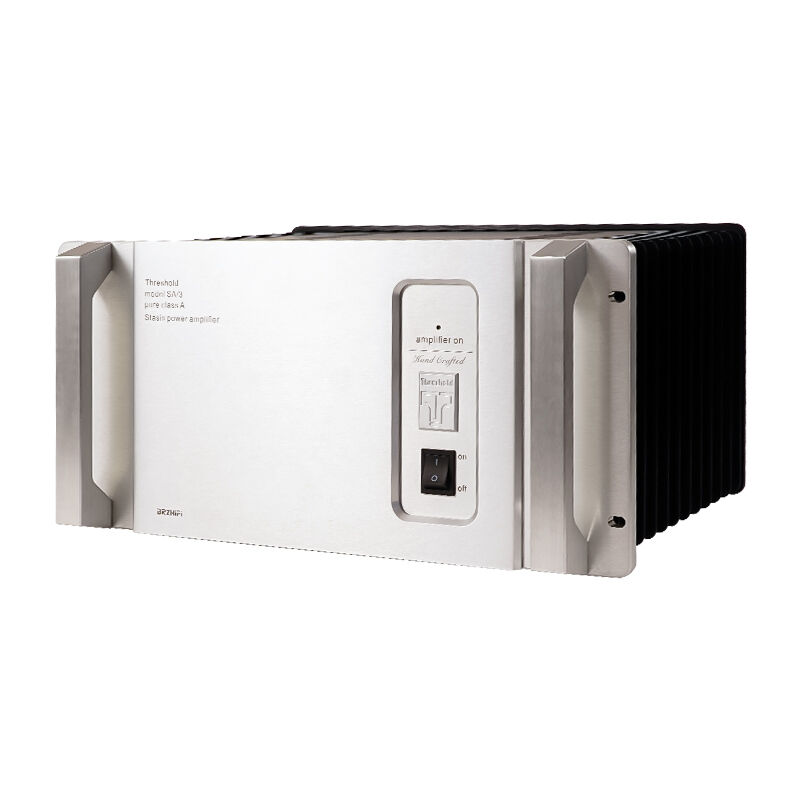
Personal audio enthusiasts are constantly seeking the perfect balance between sound quality, space efficiency, and aesthetic appeal in their listening setups. A mini tube amp represents an elegant solution that combines the warm, rich sound characteristics of vacuum tube technology with the compact convenience modern listeners demand. These sophisticated audio devices deliver the distinctive harmonic richness and natural compression that audiophiles cherish, while occupying minimal space on desks, shelves, or entertainment centers.
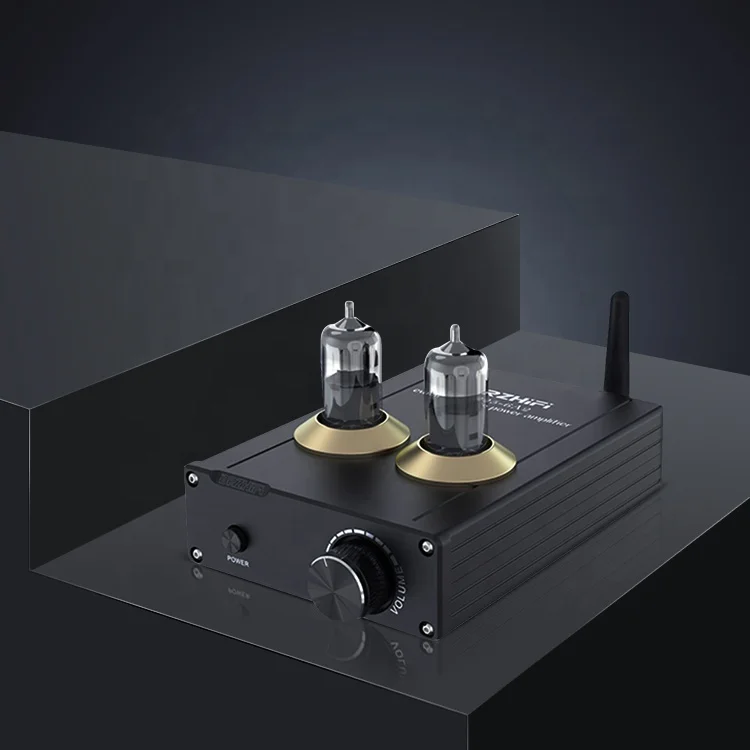
Understanding when to choose a mini tube amp over other amplification options requires careful consideration of your specific audio needs, listening environment, and equipment compatibility. These compact amplifiers excel in particular scenarios where their unique characteristics provide maximum benefit to the overall listening experience. The decision ultimately depends on factors such as room size, speaker efficiency, listening habits, and desired sound signature.
Understanding Mini Tube Amplifier Technology
Vacuum Tube Fundamentals in Compact Design
The technology behind a mini tube amp relies on the same fundamental principles as larger tube amplifiers, utilizing vacuum tubes to amplify electrical signals through thermionic emission. These compact devices typically employ smaller tube types such as 6J1, 6K4, or 12AX7 variants, which provide excellent sound quality while maintaining reduced power consumption and heat generation. The miniaturization process requires careful engineering to preserve the sonic characteristics that make tube amplification desirable.
Modern mini tube amp designs incorporate hybrid topologies, combining tube preamplification stages with solid-state power sections to achieve optimal performance in a compact footprint. This approach allows manufacturers to deliver the warm, musical tube sound while providing sufficient power output for efficient speakers. The result is an amplifier that captures the essence of tube technology without the bulk and power requirements of traditional designs.
Power Output Characteristics and Limitations
Most mini tube amp units deliver between 1 to 20 watts per channel, making them ideally suited for nearfield listening and moderately efficient speakers. This power range proves sufficient for desktop audio systems, small to medium-sized rooms, and applications where moderate listening levels are preferred. The amplifiers excel at producing clean, distortion-free sound at low to moderate volumes, where the tube characteristics shine brightest.
Understanding the power limitations is crucial when selecting a mini tube amp for your system. These amplifiers perform best with speakers rated at 85dB sensitivity or higher, ensuring adequate volume levels without straining the amplifier. The relationship between amplifier power and speaker efficiency becomes particularly important in compact tube designs, where every watt of available power must be utilized effectively.
Ideal Applications for Mini Tube Amplifiers
Desktop and Nearfield Audio Systems
Desktop audio environments represent the perfect application for a mini tube amp, where the combination of compact size and excellent sound quality creates an ideal match. These setups typically involve computer-based audio sources, bookshelf speakers, and listening distances of three to six feet. The intimate scale of desktop systems allows mini tube amplifiers to demonstrate their full potential without being limited by power constraints.
Professional musicians, audio engineers, and content creators often choose mini tube amp solutions for their workspace audio systems. The warm, musical character of tube amplification provides a pleasant listening experience during long work sessions, while the compact form factor integrates seamlessly with existing equipment. The visual appeal of glowing tubes also adds an aesthetic element that enhances the overall workspace ambiance.
Bedroom and Small Room Listening
Small to medium-sized rooms benefit significantly from the characteristics of a mini tube amp, particularly in bedrooms, studies, and secondary listening areas where space constraints limit equipment choices. These environments allow the amplifier to operate within its optimal performance range while providing the intimate, engaging sound quality that makes music listening a truly immersive experience. The lower power output proves advantageous in residential settings where consideration for neighbors and family members is important.
Evening listening sessions particularly benefit from mini tube amp characteristics, as these amplifiers excel at low-volume reproduction where many solid-state designs struggle to maintain engagement and detail. The natural compression and harmonic richness of tube amplification make quiet listening sessions more satisfying and musically involving than alternatives.
Speaker Compatibility and System Matching
Efficient Speaker Selection Criteria
Selecting appropriate speakers for use with a mini tube amp requires careful attention to efficiency ratings, impedance characteristics, and power handling capabilities. Speakers with sensitivity ratings of 88dB or higher prove most compatible, allowing the amplifier to achieve satisfying volume levels without strain. Impedance matching also plays a crucial role, with most mini tube amplifiers performing optimally with 4-ohm to 8-ohm speaker loads.
Bookshelf speakers, studio monitors, and compact floor-standing models represent ideal companions for mini tube amp systems. These speaker types typically offer the efficiency levels and impedance characteristics that complement the power output capabilities of compact tube amplifiers. The combination creates balanced systems where neither component is over or under-utilized.
Source Equipment Integration
Integration with various source components demonstrates the versatility of a mini tube amp in modern audio systems. Digital audio players, CD players, vinyl turntables, and computer audio interfaces all pair effectively with these amplifiers, provided proper signal levels and impedance matching are maintained. Many mini tube amplifiers include multiple inputs to accommodate various source types simultaneously.
The tube amplification stage provides natural buffering and signal conditioning that often improves the sound quality of digital sources, adding warmth and musicality to what might otherwise sound harsh or clinical. This characteristic makes mini tube amp units particularly valuable when working with budget digital sources or computer-based audio systems.
Maintenance and Operational Considerations
Tube Life and Replacement Procedures
Operating a mini tube amp involves understanding tube life expectations and replacement procedures to maintain optimal performance. Most tubes used in these amplifiers provide 2,000 to 10,000 hours of service life, depending on the tube type and operating conditions. Regular monitoring of tube performance helps identify when replacements become necessary to preserve sound quality.
Replacement procedures for mini tube amp designs are typically straightforward, requiring only basic precautions regarding tube handling and proper installation. Most manufacturers provide detailed instructions for tube replacement, including recommended tube types and bias adjustment procedures. Keeping spare tubes on hand ensures uninterrupted listening pleasure when replacements become necessary.
Heat Management and Ventilation
Despite their compact size, mini tube amp units generate heat during operation that requires adequate ventilation for reliable performance and longevity. Proper placement ensures sufficient airflow around the amplifier, preventing heat buildup that could damage components or degrade performance. Most designs incorporate ventilation slots or cooling fins to facilitate heat dissipation.
Operating environment considerations include avoiding placement in enclosed cabinets without ventilation, maintaining clearance above the amplifier for heat dissipation, and ensuring room temperature remains within acceptable ranges. These simple precautions significantly extend amplifier life and maintain consistent performance over time.
FAQ
What power output should I expect from a mini tube amp
Most mini tube amp models deliver between 1 to 20 watts per channel, with the majority falling in the 3 to 10 watt range. This power output proves sufficient for nearfield listening, desktop systems, and small to medium rooms when paired with appropriately efficient speakers. The actual listening volume achieved depends heavily on speaker sensitivity, room acoustics, and personal preferences.
Can a mini tube amp drive low-efficiency speakers effectively
While possible, a mini tube amp works best with speakers rated at 85dB sensitivity or higher for optimal performance. Lower efficiency speakers may not achieve adequate volume levels and could cause the amplifier to strain, potentially leading to distortion or clipping. Matching speaker efficiency to amplifier power capabilities ensures the best possible listening experience.
How long do tubes typically last in mini tube amplifiers
Tube life in a mini tube amp varies depending on tube type, operating conditions, and usage patterns, typically ranging from 2,000 to 10,000 hours. Preamp tubes generally last longer than power tubes, and proper operating conditions can extend tube life significantly. Regular use at moderate levels tends to provide the most consistent tube life expectancy.
Are mini tube amplifiers suitable for digital music sources
Yes, a mini tube amp works excellently with digital sources including computers, CD players, and digital streaming devices. The tube amplification stage often improves the perceived sound quality of digital sources by adding warmth and natural harmonic content. Many users find that mini tube amplifiers make digital music more engaging and less fatiguing during extended listening sessions.