
 EN
EN
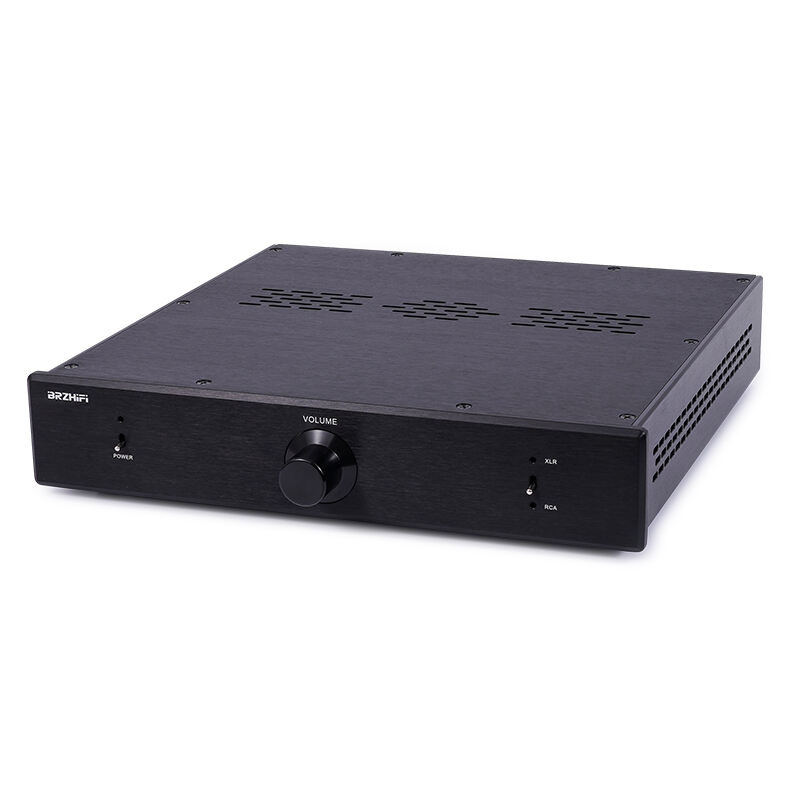
When you decide to buy stereo amplifier equipment, the overwhelming array of options can make the selection process seem daunting. Understanding the technical specifications, sound characteristics, and compatibility requirements becomes essential for making an informed purchase decision. Whether you're upgrading your existing audio setup or building a new home entertainment system, choosing the right stereo amplifier will significantly impact your listening experience and long-term satisfaction with your investment.
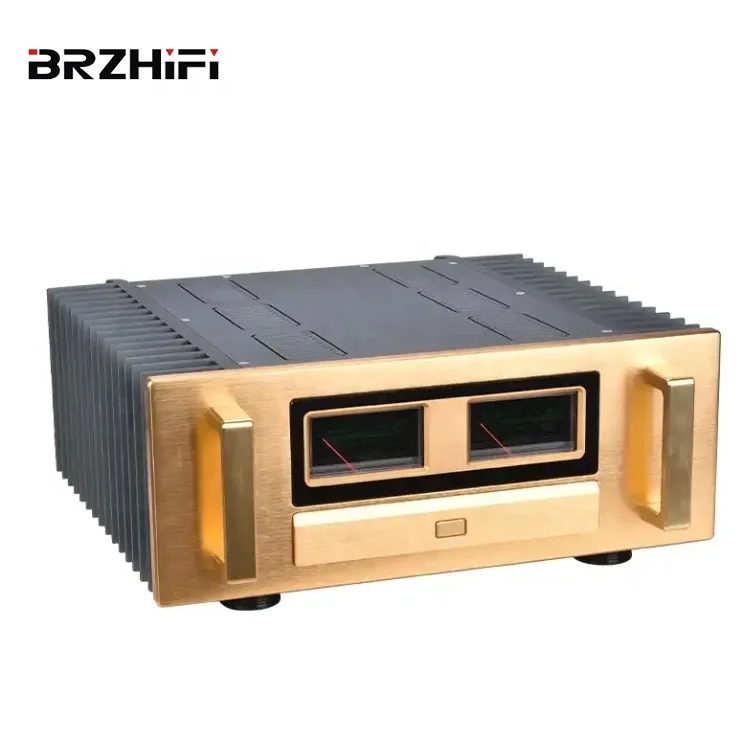
Professional audio enthusiasts and casual listeners alike must consider numerous factors before finalizing their amplifier purchase. The market offers everything from budget-friendly options to high-end audiophile components, each designed to serve specific applications and listening preferences. Modern stereo amplifiers incorporate advanced technologies while maintaining the fundamental principles of audio amplification that have defined quality sound reproduction for decades.
Power Requirements and Output Specifications
Understanding Wattage and Power Ratings
Power output represents one of the most crucial specifications when you buy stereo amplifier components for your audio system. Manufacturers typically express amplifier power in watts per channel, measured at specific impedance levels and distortion percentages. However, these ratings can be misleading without proper context and understanding of how power translates to actual volume and sound quality in your listening environment.
The relationship between amplifier power and speaker efficiency determines the maximum volume levels your system can achieve. Higher efficiency speakers require less amplifier power to produce the same volume levels as less efficient models. Additionally, the impedance matching between your amplifier and speakers affects power delivery and overall system performance, making compatibility assessment essential during the selection process.
Peak Power Versus Continuous Power Output
Distinguishing between peak power and continuous power ratings helps you make more informed decisions when you buy stereo amplifier equipment. Peak power represents the maximum instantaneous power the amplifier can deliver for brief periods, while continuous power indicates the sustained output level the unit can maintain without distortion or thermal shutdown. Continuous power ratings provide more practical information for everyday listening scenarios.
Dynamic range requirements vary significantly depending on your music preferences and listening habits. Classical music with wide dynamic swings demands amplifiers capable of handling sudden power peaks without compression or clipping. Electronic music genres typically require consistent power delivery across extended periods, emphasizing the importance of thermal management and power supply design in amplifier construction.
Audio Quality and Sound Characteristics
Frequency Response and Tonal Balance
Frequency response characteristics directly influence the tonal balance and overall sound signature when you buy stereo amplifier systems for music reproduction. Quality amplifiers maintain flat frequency response across the audible spectrum, typically from 20 Hz to 20 kHz, without significant peaks or dips that color the sound. Extended frequency response beyond these limits often indicates superior circuit design and component quality.
Harmonic distortion measurements reveal how accurately amplifiers reproduce input signals without introducing unwanted artifacts. Total Harmonic Distortion (THD) specifications below 0.1% indicate excellent linearity, while higher distortion levels may become audible during critical listening sessions. Intermodulation distortion and transient response characteristics also contribute to overall sound quality and musical accuracy.
Signal-to-Noise Ratio and Dynamic Range
High signal-to-noise ratios ensure quiet operation and reveal subtle musical details that inferior amplifiers might mask with background noise. When you buy stereo amplifier components, look for signal-to-noise ratios exceeding 90 dB for optimal performance in quiet listening environments. Superior amplifiers achieve ratios above 100 dB, providing exceptional clarity and transparency.
Dynamic range capabilities determine how well amplifiers handle the difference between the softest and loudest passages in your music. Compressed dynamic range can make music sound flat and lifeless, while excessive dynamic range might require constant volume adjustments. The ideal amplifier preserves the original dynamic content while providing adequate headroom for peak passages without distortion.
Circuit Design and Technology Considerations
Class A, Class AB, and Class D Topologies
Different amplifier classes offer distinct advantages and trade-offs that affect performance, efficiency, and cost when you buy stereo amplifier equipment. Class A designs provide exceptional linearity and low distortion but generate significant heat and consume substantial power even during idle periods. These amplifiers typically appeal to audiophiles prioritizing sound quality over energy efficiency.
Class AB topologies balance sound quality with practical efficiency considerations, making them popular choices for most home audio applications. These designs combine Class A operation at low power levels with Class B operation during high-power demands, reducing heat generation while maintaining good sound quality. Class D switching amplifiers offer exceptional efficiency and compact designs but may introduce switching noise that some listeners find objectionable.
Vacuum Tube Versus Solid State Technology
The choice between vacuum tube and solid-state amplification significantly impacts sound character and maintenance requirements when you buy stereo amplifier systems. Tube amplifiers produce characteristic harmonic distortion patterns that many listeners find musically pleasing, particularly with acoustic instruments and vocals. However, tubes require periodic replacement and generate substantial heat during operation.
Solid-state amplifiers offer reliability, consistency, and typically lower distortion measurements compared to tube designs. Modern semiconductor technology enables compact, powerful amplifiers with excellent specifications and minimal maintenance requirements. The choice often comes down to personal preference, system requirements, and willingness to accept the ongoing costs and maintenance associated with tube amplification.
Connectivity and Integration Features
Input Options and Source Compatibility
Modern amplifiers must accommodate various audio sources, making input flexibility crucial when you buy stereo amplifier components for contemporary systems. Multiple analog inputs allow connection of turntables, CD players, streaming devices, and other source components simultaneously. High-quality input switching and signal routing preserve audio integrity while providing convenient source selection.
Digital input capabilities expand connectivity options for modern source devices, enabling direct connection without external digital-to-analog converters. USB, optical, and coaxial digital inputs support various file formats and sample rates, ensuring compatibility with high-resolution audio sources. Integrated DAC quality significantly impacts overall system performance when using digital inputs.
Remote Control and Smart Features
Remote control functionality and smart features enhance user experience and system integration when you buy stereo amplifier equipment for modern installations. Comprehensive remote controls provide access to volume, input selection, and tone controls from listening positions. Some amplifiers include smartphone apps for advanced control and system monitoring capabilities.
Network connectivity enables streaming services integration and multi-room audio capabilities in compatible systems. Wireless protocols like Bluetooth and Wi-Fi expand source options while maintaining audio quality through advanced codec support. These features add convenience but may introduce complexity and potential reliability concerns that traditional analog amplifiers avoid.
Build Quality and Reliability Factors
Component Selection and Construction Standards
Internal component quality directly affects long-term reliability and performance stability when you buy stereo amplifier equipment for serious listening applications. High-grade capacitors, precision resistors, and quality transformers contribute to superior sound quality and extended service life. Manufacturers often highlight premium components as selling points, but overall circuit design integration matters more than individual component specifications.
Chassis construction and heat management systems protect internal components and ensure stable operation under demanding conditions. Heavy-gauge metal chassis provide electromagnetic shielding and mechanical stability, while adequate ventilation prevents thermal stress that can degrade components over time. Quality construction often correlates with higher prices but provides better long-term value through reduced maintenance and replacement costs.
Warranty Coverage and Service Support
Comprehensive warranty coverage and accessible service support provide important protection when you buy stereo amplifier systems representing significant investments. Longer warranty periods typically indicate manufacturer confidence in product reliability and build quality. International warranty coverage becomes important for imported products that might require factory service or component replacement.
Local dealer support and authorized service centers ensure prompt resolution of technical issues and warranty claims. Some manufacturers maintain excellent customer service reputations while others provide minimal support after purchase. Researching manufacturer reputation and service network availability helps avoid frustration with potential future service needs.
Budget Considerations and Value Assessment
Price-to-Performance Ratios
Establishing realistic budget parameters helps narrow options and focus on amplifiers offering the best value when you buy stereo amplifier components. Entry-level amplifiers under $500 can provide satisfactory performance for casual listening, while mid-range options between $500-2000 often deliver significant performance improvements. High-end amplifiers above $2000 target serious audiophiles willing to pay premium prices for ultimate sound quality.
Diminishing returns characterize high-end audio equipment, where dramatic price increases yield relatively modest performance improvements. Careful specification comparison and listening tests help identify the performance plateau where additional spending provides minimal benefit. Matching amplifier quality to associated system components ensures balanced performance without obvious weak links.
Total System Integration Costs
Hidden costs beyond the amplifier purchase price can significantly impact total system investment when you buy stereo amplifier equipment. High-quality interconnect cables, power cords, and speaker cables often cost hundreds of dollars but can influence overall system performance. Installation requirements, dedicated electrical circuits, and equipment racks add to the total system cost.
Future upgrade paths and system expansion possibilities should influence current purchase decisions to avoid costly replacements later. Amplifiers with multiple inputs, preamp outputs, and upgrade possibilities provide better long-term value than basic models requiring complete replacement for system improvements. Planning ahead saves money and ensures compatibility with future component additions.
FAQ
How much power do I need when I buy stereo amplifier equipment
Power requirements depend on speaker efficiency, room size, and listening preferences. Most home applications work well with 50-100 watts per channel, while larger rooms or inefficient speakers might require 150-200 watts. Higher power ratings provide better dynamic range and headroom, but excessive power rarely translates to proportionally better sound quality in typical listening environments.
What is the difference between integrated and power amplifiers
Integrated amplifiers combine preamplifier and power amplifier sections in one chassis, providing input switching, volume control, and signal amplification. Power amplifiers only provide signal amplification and require separate preamplifiers for source switching and level control. Integrated amplifiers offer convenience and value, while separate components allow more flexibility and potential performance advantages.
Should I choose tube or solid-state amplification
The choice depends on personal preferences, system requirements, and maintenance willingness. Tube amplifiers often provide warmer, more musical sound with pleasant harmonic characteristics but require periodic tube replacement and generate substantial heat. Solid-state amplifiers offer reliability, consistency, and typically better measured performance with minimal maintenance requirements.
How important is impedance matching between amplifiers and speakers
Proper impedance matching ensures optimal power transfer and prevents amplifier stress or damage. Most amplifiers handle 4-8 ohm speakers safely, but some models struggle with low-impedance loads. Check amplifier specifications for minimum impedance ratings and ensure your speakers fall within acceptable ranges. Impedance mismatches can cause reduced power output, increased distortion, or amplifier protection circuit activation.