
 EN
EN
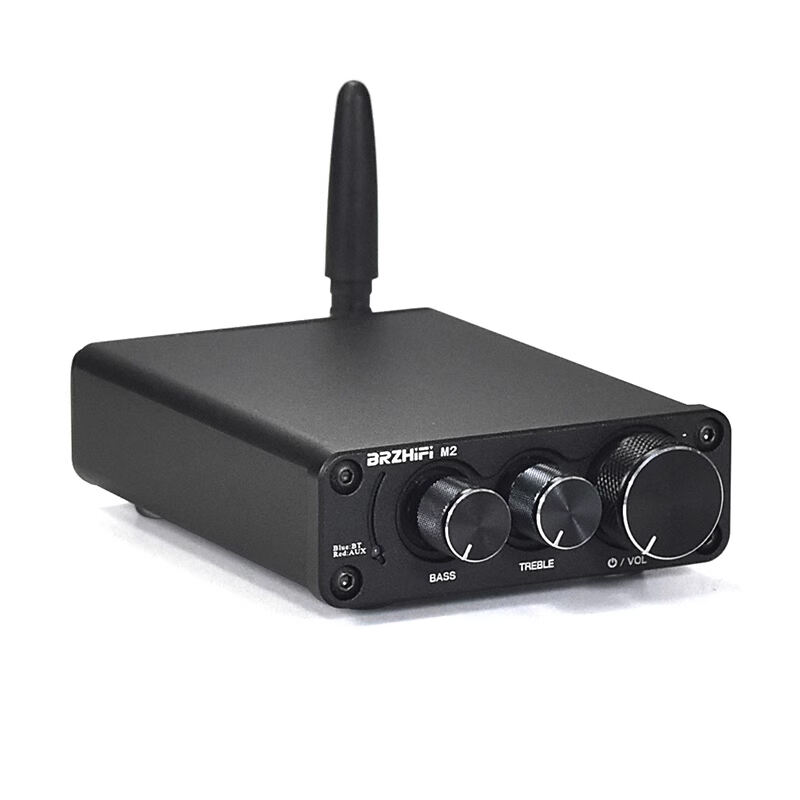
The global audio equipment market continues to expand rapidly, creating unprecedented opportunities for companies worldwide. Every successful stereo amplifier manufacturer must navigate complex international requirements while maintaining product quality and competitive pricing. From voltage compatibility to regulatory compliance, manufacturers face numerous challenges when expanding their reach across different continents and markets.

Understanding Regional Power Standards and Voltage Requirements
Voltage Compatibility Across Different Markets
Each region operates on distinct electrical standards that directly impact amplifier design and functionality. North American markets typically utilize 110-120V AC power systems, while European and Asian territories predominantly operate on 220-240V standards. A competent stereo amplifier manufacturer must design products with universal power supply capabilities or create region-specific variants to ensure optimal performance and safety compliance.
Modern manufacturing approaches often incorporate switching power supplies that automatically adapt to various voltage inputs. This technology allows a single product design to function effectively across multiple markets without compromising audio quality or operational efficiency. Advanced power management systems also provide enhanced protection against voltage fluctuations and power surges common in developing markets.
Frequency Standards and Power Grid Considerations
Power grid frequency variations present another critical consideration for international market adaptation. Most regions operate on either 50Hz or 60Hz frequencies, requiring careful attention to transformer design and power supply filtering. A professional stereo amplifier manufacturer incorporates frequency-agnostic components that maintain consistent performance regardless of local grid characteristics.
Temperature variations across different climates also influence power supply design requirements. Amplifiers destined for tropical markets require enhanced heat dissipation capabilities, while those intended for colder regions may need different thermal management approaches. These considerations directly impact component selection and chassis design strategies.
Regulatory Compliance and Safety Certifications
International Safety Standards and Testing
Safety certifications represent one of the most complex aspects of global market expansion for any stereo amplifier manufacturer. Different regions maintain distinct safety standards, including UL certification for North American markets, CE marking for European territories, and various national standards across Asian markets. Each certification process involves extensive testing and documentation requirements.
Electromagnetic compatibility testing ensures that amplifiers do not interfere with other electronic devices while maintaining immunity to external electromagnetic interference. These requirements vary significantly between regions, necessitating careful design consideration from the initial development phase. Proper circuit board layout and shielding strategies become critical for achieving universal compliance.
Environmental and Energy Efficiency Regulations
Environmental regulations increasingly influence product design requirements across global markets. European RoHS directives restrict the use of certain hazardous substances in electronic equipment, while Energy Star requirements in North America mandate specific efficiency standards. A forward-thinking stereo amplifier manufacturer integrates these requirements into their standard design practices.
Packaging and waste management regulations also vary significantly between markets. Some regions require manufacturers to participate in product lifecycle management programs, while others mandate specific labeling and disposal instructions. These requirements influence both product design and supply chain management strategies.
Cultural Preferences and Market-Specific Features
Audio Characteristics and Sound Preferences
Different cultures exhibit distinct preferences for audio characteristics and sound reproduction qualities. Asian markets often favor brighter, more detailed sound signatures, while European consumers typically prefer warmer, more natural tonal qualities. A sophisticated stereo amplifier manufacturer develops products that can accommodate these varying preferences through adjustable sound characteristics or region-specific tuning.
Market research reveals that connectivity preferences also vary significantly across regions. North American consumers prioritize wireless connectivity and smart home integration, while traditional audiophile markets maintain strong preferences for analog inputs and minimal signal processing. These preferences directly influence feature selection and user interface design decisions.
Price Sensitivity and Value Propositions
Economic conditions and purchasing power vary dramatically across global markets, requiring flexible pricing strategies and value positioning. Developing markets often prioritize essential functionality and competitive pricing over premium features. An experienced stereo amplifier manufacturer creates product lines that address different market segments while maintaining consistent quality standards.
Local competition and market maturity levels also influence positioning strategies. Established markets may require premium differentiation and advanced features, while emerging markets present opportunities for volume-based strategies with simplified product offerings. Understanding these dynamics enables manufacturers to optimize their global market approach.
Supply Chain and Manufacturing Considerations
Component Sourcing and Regional Availability
Global component availability and sourcing strategies significantly impact manufacturing efficiency and cost structures. Many stereo amplifier manufacturer operations establish regional supplier relationships to reduce shipping costs and delivery times while ensuring component quality and reliability. Strategic sourcing decisions must balance cost optimization with supply chain resilience.
Currency fluctuations and trade regulations create additional complexity in global sourcing strategies. Long-term supplier agreements and forward currency hedging help stabilize manufacturing costs while maintaining predictable pricing structures. Diversified supplier networks provide protection against regional disruptions and quality issues.
Manufacturing Location and Distribution Networks
Geographic manufacturing location decisions directly impact market access, shipping costs, and regulatory compliance requirements. Many manufacturers establish regional production facilities to serve specific market clusters while maintaining centralized research and development operations. This approach enables customization for local market requirements while maintaining design consistency and quality control.
Distribution network development requires careful consideration of local market characteristics, including retail channel preferences, service infrastructure, and customer support expectations. Some markets favor online sales channels, while others maintain strong preferences for traditional retail relationships and in-person demonstrations.
Technology Integration and Future-Proofing
Digital Connectivity and Smart Features
Modern consumer expectations increasingly demand digital connectivity and smart home integration capabilities. A progressive stereo amplifier manufacturer incorporates wireless streaming protocols, voice assistant compatibility, and mobile application control features to meet evolving market demands. These technologies must function consistently across different regional network infrastructures and connectivity standards.
Software update capabilities enable manufacturers to address regional preference changes and regulatory updates without requiring hardware modifications. Cloud-based services and remote configuration options provide ongoing value enhancement while maintaining consistent user experiences across global markets.
Modular Design and Upgrade Pathways
Modular design approaches enable manufacturers to create platform-based products that can be customized for specific market requirements without complete redesign efforts. This strategy reduces development costs while enabling rapid market entry and feature differentiation. Standardized interfaces and upgrade modules provide long-term value for consumers while maintaining manufacturing efficiency.
Future technology integration capabilities ensure that products remain relevant as market preferences evolve and new standards emerge. Design flexibility enables manufacturers to adapt existing products for new market opportunities without significant reinvestment in core technology platforms.
FAQ
What are the most important certifications needed for global amplifier sales
The essential certifications vary by target market but typically include UL or ETL for North America, CE marking for Europe, and FCC compliance for electromagnetic compatibility. Many stereo amplifier manufacturer companies also pursue IEC safety standards and regional energy efficiency certifications to ensure comprehensive market access and consumer confidence.
How do voltage differences affect amplifier design for international markets
Voltage differences require careful power supply design to ensure optimal performance across regions. Modern amplifiers often incorporate universal switching power supplies that automatically adapt to local voltage standards, while some manufacturers create region-specific models with optimized transformers and power management systems for maximum efficiency.
What cultural factors influence amplifier features in different markets
Cultural preferences significantly impact feature priorities and sound characteristics. Asian markets often prefer digital connectivity and precise sound reproduction, while European consumers may prioritize analog inputs and warm sound signatures. A successful stereo amplifier manufacturer researches these preferences extensively to optimize product positioning and feature selection.
How important is local manufacturing for global market success
Local or regional manufacturing can provide significant advantages including reduced shipping costs, faster market response, and easier regulatory compliance. However, the importance varies by market size and complexity. Many manufacturers use hybrid approaches with regional assembly facilities while maintaining centralized component production and quality control systems.