
 EN
EN
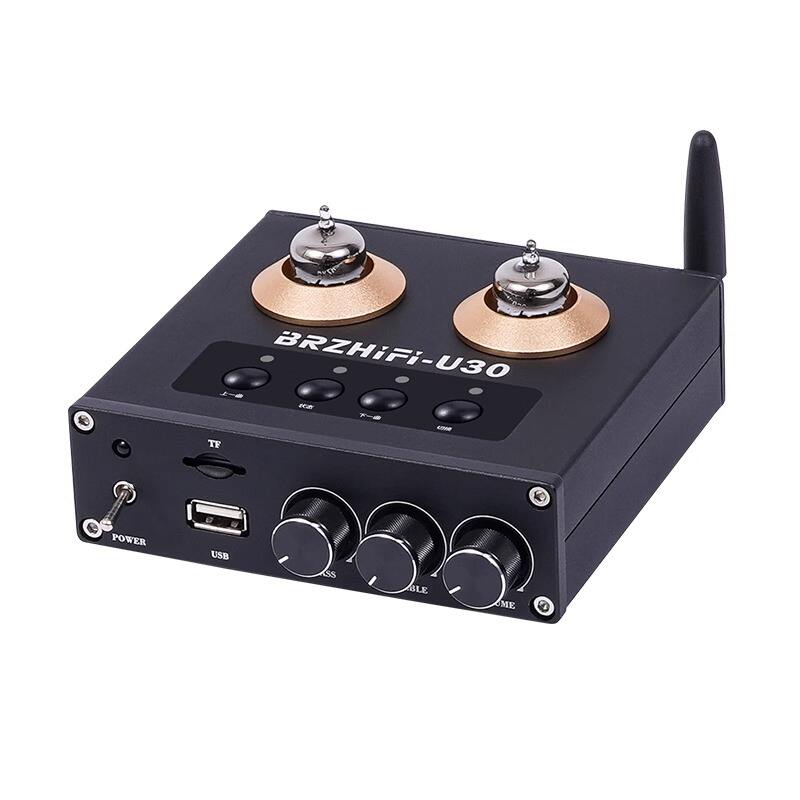
Matching a preamp with power amplifiers represents one of the most critical decisions in building a high-performance audio system. Many audiophiles struggle with finding the perfect balance between cost and quality, often seeking the cheapest preamp that won't compromise their sound reproduction. The relationship between preamps and power amplifiers involves complex impedance matching, gain staging, and signal integrity considerations that directly impact your listening experience.
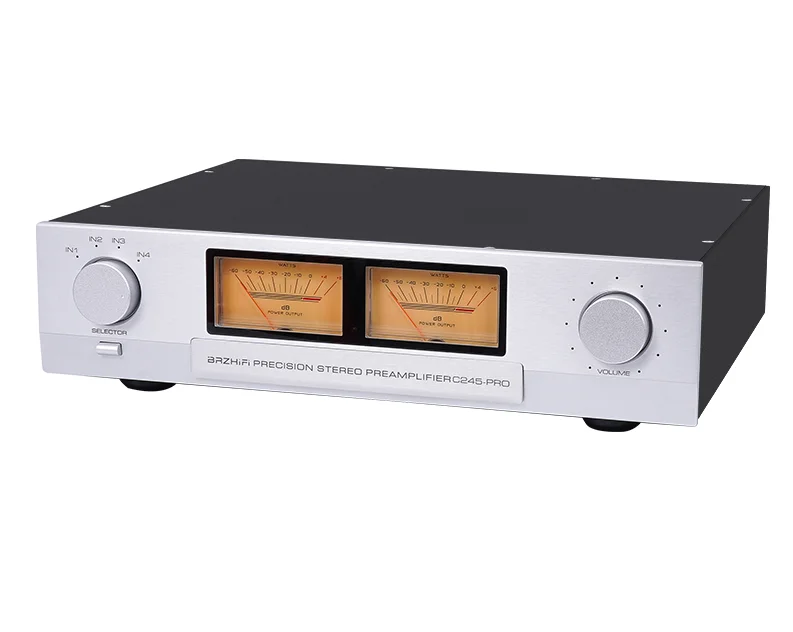
Understanding proper amplifier matching goes beyond simply connecting components together. Professional audio engineers spend considerable time analyzing technical specifications, listening to equipment combinations, and evaluating cost-effectiveness. When searching for the cheapest preamp option, you must balance affordability with performance requirements to avoid bottlenecks in your signal chain.
The preamp serves as the control center of your audio system, managing source selection, volume control, and signal conditioning before sending audio to power amplifiers. This crucial component affects every aspect of sound reproduction, from dynamic range to frequency response characteristics. Even the cheapest preamp must maintain signal integrity while providing adequate gain and proper impedance matching for optimal system performance.
Understanding Preamp and Power Amplifier Fundamentals
Signal Flow and Gain Structure Principles
The signal path from source to speakers involves multiple gain stages that must work harmoniously together. Your preamp receives low-level signals from sources like turntables, CD players, or streaming devices, then amplifies and conditions these signals for power amplifier input. The cheapest preamp models still need to provide adequate gain while maintaining low noise floors and minimal distortion throughout the frequency spectrum.
Proper gain staging prevents both signal degradation and overload conditions that compromise audio quality. Power amplifiers typically require input signals between 1-2 volts RMS for full output, making preamp output voltage a critical matching parameter. Even budget-conscious audiophiles seeking the cheapest preamp must ensure their chosen unit provides sufficient output to drive their power amplifiers effectively.
Impedance Matching Requirements
Impedance matching between preamps and power amplifiers affects frequency response, damping factor, and overall system stability. Most modern preamps feature output impedances between 50-600 ohms, while power amplifiers typically present input impedances of 10-100k ohms. This 10:1 minimum ratio ensures proper signal transfer without loading effects that could compromise performance even in the cheapest preamp configurations.
Mismatched impedances can cause frequency response irregularities, reduced dynamic range, and increased susceptibility to noise and interference. Professional installations always verify impedance compatibility before finalizing component selections. Budget-minded consumers searching for the cheapest preamp should prioritize models with well-specified output impedance ratings that match their amplifier requirements.
Technical Specifications for Optimal Matching
Frequency Response and Bandwidth Considerations
Frequency response matching between preamps and power amplifiers ensures consistent tonal balance across the entire audio spectrum. Quality preamps maintain flat response from 20Hz to 20kHz with minimal deviation, while power amplifiers should complement this bandwidth without introducing phase shifts or amplitude variations. Even when selecting the cheapest preamp available, frequency response specifications remain paramount for achieving satisfactory performance.
Extended bandwidth capability becomes increasingly important for high-resolution audio formats and modern recording techniques. Many contemporary recordings utilize frequencies beyond traditional CD specifications, making wide bandwidth support essential for future-proofing your system. The cheapest preamp options may compromise on extended frequency response, but core audio band performance should remain uncompromised.
Signal-to-Noise Ratio and Dynamic Range
Signal-to-noise ratio directly impacts the quietness of your system background and the perceived quality of low-level musical details. Professional-grade preamps achieve SNR values exceeding 100dB, while consumer models typically range from 80-95dB depending on design complexity and component quality. Budget constraints might lead to choosing the cheapest preamp, but SNR specifications should remain a primary consideration.
Dynamic range capability determines your system's ability to reproduce both subtle musical nuances and powerful crescendos without compression or distortion. Power amplifiers with high dynamic range require preamps with equally impressive specifications to avoid limiting overall system performance. Even the cheapest preamp must provide adequate dynamic range to prevent bottlenecking in demanding musical passages.
Practical Matching Strategies and Methods
Listening Room Acoustics Integration
Room acoustics significantly influence amplifier matching decisions, as different preamp and power amplifier combinations interact uniquely with various acoustic environments. Hard surfaces tend to emphasize high frequencies, while heavily damped rooms may require more forward-sounding electronics to maintain musical engagement. Selecting the cheapest preamp without considering room interaction could result in suboptimal tonal balance.
Speaker placement, room dimensions, and acoustic treatment all affect how preamp and power amplifier combinations perform in practice. Experienced audio enthusiasts often audition equipment in their actual listening spaces before making final purchasing decisions. While budget constraints might favor the cheapest preamp option, room compatibility remains crucial for achieving satisfactory long-term enjoyment.
Component Synergy and System Balance
Audio component synergy involves matching complementary sonic characteristics between different system elements. Bright-sounding speakers might benefit from warmer preamp and amplifier combinations, while analytical transducers could require more neutral electronics to prevent sterile reproduction. Finding the cheapest preamp that complements your existing components requires careful consideration of these sonic interactions.
System balance extends beyond frequency response to include dynamics, imaging, and emotional engagement with musical content. Some combinations excel at reproducing intimate acoustic performances, while others shine with large-scale orchestral works or high-energy rock music. Even budget-conscious buyers seeking the cheapest preamp should consider their primary musical preferences when making component selections.
Cost-Effective Solutions and Budget Considerations
Value Engineering Approaches
Value engineering principles help identify the cheapest preamp options that still meet essential performance requirements without unnecessary feature complexity. Many budget preamps eliminate advanced functions like tone controls, multiple tape loops, or elaborate display systems while maintaining core audio performance. Understanding which features you actually need prevents overspending on unused capabilities.
Direct-coupled designs often provide better price-to-performance ratios than elaborate circuit topologies with exotic components. Simple, well-executed designs frequently outperform complex products at similar price points. When searching for the cheapest preamp, prioritizing fundamental audio performance over flashy features usually yields better long-term satisfaction.
DIY and Kit Building Options
DIY preamp construction offers the ultimate in cost-effective solutions for technically inclined enthusiasts. Kit manufacturers provide complete component sets with detailed instructions, allowing builders to achieve professional-level performance at fraction of commercial product costs. This approach can deliver the cheapest preamp solution while providing valuable learning experiences about audio circuit design.
Modification of existing commercial preamps represents another cost-effective strategy for improving performance without major expense. Simple upgrades like premium capacitors, improved power supplies, or better connectors can significantly enhance sonic performance. Even starting with the cheapest preamp as a modification platform can yield impressive results when properly executed.
Common Matching Mistakes and Solutions
Gain Staging Errors
Incorrect gain staging represents the most frequent matching error in audio systems. Too little gain from the preamp forces power amplifiers to operate at higher sensitivity settings, potentially increasing noise and reducing dynamic range. Conversely, excessive preamp gain can overload amplifier inputs, causing distortion and limiting volume control usefulness. Even the cheapest preamp must provide appropriate gain levels for your specific system requirements.
Many modern sources output higher voltages than vintage equipment, requiring careful consideration of overall system gain structure. CD players and digital sources typically provide 2-volt outputs, while phono cartridges require significant amplification to reach line levels. Selecting the cheapest preamp without considering source requirements often leads to gain staging problems and suboptimal performance.
Impedance Mismatching Consequences
Improper impedance matching between preamps and power amplifiers can cause various performance degradations including frequency response irregularities, increased distortion, and reduced dynamic range. High output impedance preamps driving low input impedance amplifiers experience loading effects that compromise signal integrity. Budget shoppers seeking the cheapest preamp must verify impedance compatibility to avoid these issues.
Cable length and capacitance become critical factors when impedance matching is marginal. Long interconnect runs between preamps and power amplifiers can exacerbate impedance-related problems, particularly in the high frequency range. Even the cheapest preamp can perform well with proper impedance matching and appropriate interconnect selection.
FAQ
What output voltage should my preamp provide for proper power amplifier matching
Most power amplifiers require 1-2 volts RMS input signal to reach their rated output power. Your preamp should comfortably provide this voltage level with reasonable volume control settings, typically around 75% of maximum rotation. Even the cheapest preamp should specify maximum output voltage in technical documentation to ensure compatibility with your amplifier's sensitivity requirements.
How important is impedance matching between preamp and power amplifier
Impedance matching is crucial for optimal performance, with the general rule requiring power amplifier input impedance to be at least 10 times higher than preamp output impedance. This ratio ensures minimal loading effects and maintains proper frequency response. When selecting the cheapest preamp, always verify that impedance specifications are compatible with your amplifier to avoid performance compromises.
Can I use multiple power amplifiers with a single preamp
Yes, many preamps feature multiple output connections specifically for driving multiple power amplifiers in bi-amped or multi-zone configurations. Ensure your preamp can handle the combined load impedance of all connected amplifiers without compromising performance. Even the cheapest preamp with multiple outputs should specify maximum load capacity to prevent overload conditions that could damage components.
What features should I prioritize when choosing a budget preamp
Prioritize fundamental audio performance specifications including frequency response, signal-to-noise ratio, and proper impedance characteristics over elaborate features. Remote control capability, adequate input selection, and reliable volume control mechanisms provide essential functionality. The cheapest preamp that meets your basic requirements while maintaining good audio performance will typically provide better long-term satisfaction than feature-rich units with compromised sound quality.