
 EN
EN
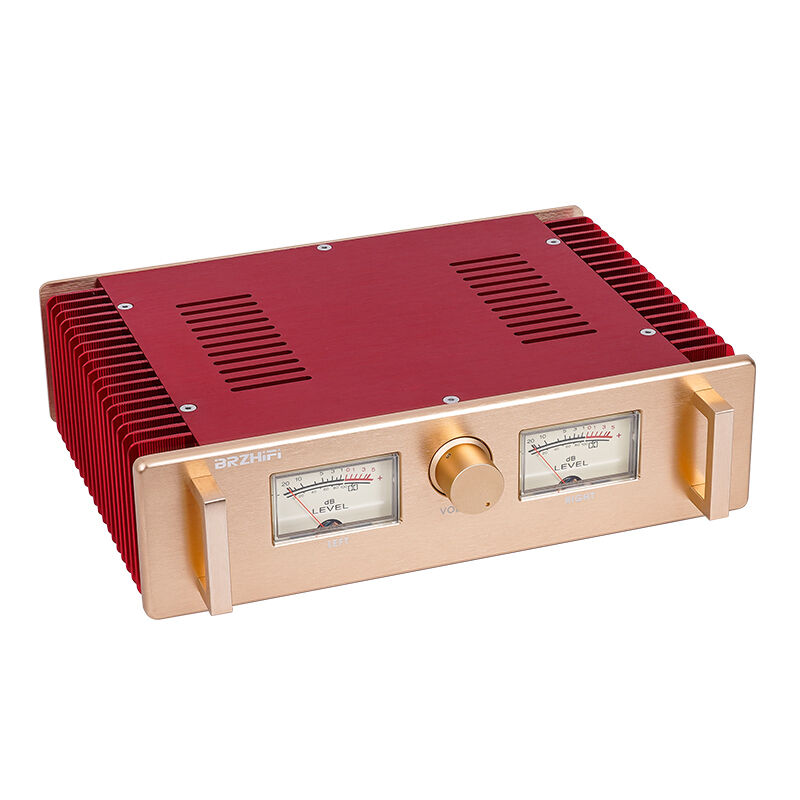
Class AB audio power amplifiers represent the perfect balance between efficiency and sound quality in professional audio applications. These sophisticated devices have become the industry standard for high-end audio reproduction, offering superior performance characteristics that audiophiles and professionals demand. An ab power amp combines the best attributes of Class A and Class B topologies, delivering exceptional audio fidelity while maintaining reasonable power efficiency. Understanding the technical foundations and practical applications of these amplifiers is essential for anyone serious about audio reproduction quality.
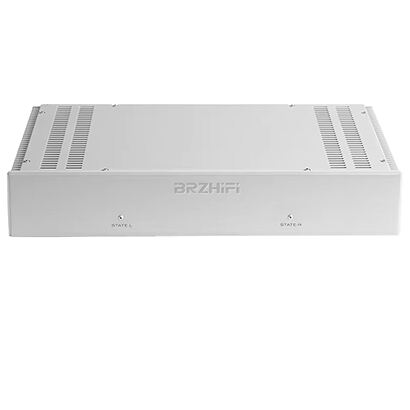
Technical Architecture of Class AB Amplification
Fundamental Design Principles
The ab power amp architecture employs a push-pull configuration where two complementary transistors handle different portions of the audio waveform. This design methodology ensures that one transistor conducts during the positive half-cycle while the other handles the negative portion. The critical innovation lies in the bias arrangement, where both transistors are slightly conducting even during their respective off periods, eliminating the crossover distortion that plagues pure Class B designs.
Professional ab power amp designs incorporate sophisticated thermal management systems to maintain optimal operating temperatures. The bias current must be carefully controlled to prevent thermal runaway while ensuring sufficient overlap between the conducting periods of each transistor. This delicate balance requires precision engineering and high-quality components throughout the signal path.
Modern ab power amp topologies often feature advanced feedback mechanisms that monitor and adjust the bias conditions dynamically. These systems compensate for temperature variations and component aging, ensuring consistent performance over extended operating periods. The result is an amplifier that maintains its sonic characteristics regardless of environmental conditions or usage patterns.
Component Selection and Quality Standards
The performance of any ab power amp depends heavily on the quality and specifications of its internal components. Professional-grade units utilize matched pairs of output transistors with tight thermal tracking characteristics. These devices must exhibit identical electrical parameters to ensure balanced operation and minimal distortion. High-quality ab power amp designs often employ multiple parallel output devices to increase current handling capacity and improve reliability.
Power supply design plays a crucial role in determining the overall performance of an ab power amp. Linear power supplies with massive transformer cores and extensive filter capacitor banks provide the clean, stable power required for optimal operation. Some manufacturers incorporate regulated power supplies that further reduce noise and improve dynamic response characteristics.
Input stage design in professional ab power amp units typically features high-grade operational amplifiers or discrete transistor circuits optimized for low noise and high bandwidth. The voltage amplification stage must provide sufficient gain while maintaining excellent linearity across the entire audio spectrum. Premium ab power amp designs often include specially selected components with tight tolerances to ensure consistent performance between channels.
Performance Characteristics and Specifications
Power Output and Dynamic Range
A professional ab power amp delivers substantial power output while maintaining low distortion levels across the entire operating range. The continuous power rating typically represents the sustained output capability into standard impedance loads, while peak power specifications indicate the amplifier's ability to handle transient musical peaks. These specifications are critical for professional applications where consistent performance under demanding conditions is essential.
Dynamic range capabilities of a quality ab power amp extend well beyond conventional requirements, providing headroom for complex musical passages and sudden transients. The signal-to-noise ratio often exceeds 100 decibels in professional units, ensuring that background noise remains inaudible even during quiet passages. This exceptional dynamic range allows the ab power amp to reproduce the full emotional impact of recorded music.
Frequency response characteristics in professional ab power amp designs typically extend from the sub-audible range to well beyond human hearing limitations. The flat response curve ensures accurate reproduction of all musical content without coloration or emphasis of particular frequency ranges. High-quality ab power amp units maintain their specified performance parameters across the entire bandwidth, delivering consistent results regardless of program material.
Distortion Analysis and Harmonic Content
Total harmonic distortion measurements in professional ab power amp designs typically fall below 0.01 percent at rated output levels. This exceptionally low distortion figure ensures that the amplifier adds virtually no unwanted artifacts to the original signal. The harmonic structure of any residual distortion tends to be predominantly second and third harmonics, which are generally considered less objectionable than higher-order components.
Intermodulation distortion characteristics provide additional insight into ab power amp performance with complex musical signals. Professional units demonstrate excellent linearity when reproducing multiple simultaneous tones, maintaining clarity and definition even during dense orchestral passages. The low intermodulation distortion figures confirm the amplifier's ability to handle real-world program material without degradation.
Transient response capabilities of a quality ab power amp ensure accurate reproduction of percussive instruments and other rapid-attack sounds. The slew rate specifications indicate how quickly the amplifier can respond to sudden signal changes, while rise time measurements reveal the speed of initial transient capture. These parameters directly influence the amplifier's ability to convey musical timing and rhythm accurately.
Professional Applications and System Integration
Studio Monitoring and Reference Systems
Professional recording studios rely on ab power amp technology to drive high-end monitor speakers with uncompromising accuracy. The neutral sonic character and exceptional detail resolution make these amplifiers ideal for critical listening applications where any coloration would compromise mix decisions. Studio engineers depend on the transparent performance of quality ab power amp units to make informed judgments about recording balance and tonal characteristics.
Reference monitoring systems in professional facilities often incorporate multiple ab power amp channels to handle complex surround sound configurations. Each amplifier channel must deliver identical performance characteristics to ensure consistent sonic presentation across all monitoring positions. The reliability and consistency of professional ab power amp designs make them particularly suitable for mission-critical applications where equipment failure could result in significant production delays.
Mastering facilities utilize ab power amp technology in their final quality control chains, where absolute accuracy is paramount. The amplifier must faithfully reproduce every nuance of the source material without adding any sonic signature that might mask problems in the recording. Professional mastering engineers trust ab power amp designs to reveal subtle details that might be obscured by lesser amplification systems.
High-End Audio Systems and Audiophile Applications
Discerning audiophiles choose ab power amp technology for its ability to extract maximum musical information from high-quality source components. The combination of low distortion and high current capability allows these amplifiers to drive demanding speaker loads while maintaining excellent control over driver movement. This precise control translates into improved bass definition, clearer midrange articulation, and extended high-frequency detail.
Home theater installations benefit from the dynamic capabilities of professional ab power amp designs when reproducing movie soundtracks with wide dynamic range requirements. The amplifier's ability to deliver both subtle dialogue and explosive special effects with equal competence makes it an ideal choice for serious home cinema applications. Multi-channel ab power amp configurations provide the power and consistency required for immersive surround sound experiences.
Custom installation projects often specify ab power amp technology when clients demand uncompromising performance from their audio systems. The combination of sonic excellence and operational reliability makes these amplifiers suitable for applications where service accessibility may be limited. Professional installers appreciate the predictable performance characteristics and robust construction of quality ab power amp designs.
Design Considerations and Selection Criteria
Impedance Compatibility and Load Handling
Selecting an appropriate ab power amp requires careful consideration of the intended speaker load characteristics and impedance requirements. Professional amplifiers must demonstrate stable operation into various impedance conditions, including challenging reactive loads that might destabilize lesser designs. The amplifier's current delivery capability directly influences its ability to control speaker drivers and maintain accurate reproduction.
Complex speaker systems with multiple drivers and crossover networks present varying impedance characteristics across the frequency spectrum. A quality ab power amp must handle these variations gracefully while maintaining consistent performance parameters. The amplifier's output impedance should remain low across the audio bandwidth to ensure proper damping factor and driver control.
Protection circuits in professional ab power amp designs safeguard both the amplifier and connected speakers from damage due to fault conditions. These systems monitor various parameters including output current, temperature, and DC offset to prevent potentially destructive operating conditions. Properly implemented protection systems operate transparently during normal operation while providing comprehensive safeguards against abnormal conditions.
Thermal Management and Reliability Factors
Effective thermal management is crucial for maintaining consistent ab power amp performance during extended operation periods. Professional designs incorporate substantial heat sinking capacity combined with forced-air cooling systems to maintain optimal operating temperatures. The thermal design must account for maximum power dissipation scenarios while providing adequate safety margins for reliable operation.
Component reliability in professional ab power amp designs reflects the quality of materials and manufacturing processes employed. Military-grade components and conservative design practices contribute to extended operational life and minimal maintenance requirements. The mean time between failures for quality professional amplifiers typically exceeds many years of continuous operation under normal conditions.
Environmental considerations influence ab power amp design parameters for installations in challenging conditions. Temperature extremes, humidity variations, and electromagnetic interference must be accounted for in professional applications. Robust construction and proper shielding ensure consistent performance regardless of installation environment or external interference sources.
FAQ
What makes Class AB amplifiers superior to other amplifier classes
Class AB amplifiers combine the low distortion characteristics of Class A operation with the improved efficiency of Class B designs. This hybrid approach eliminates crossover distortion while maintaining reasonable power efficiency, making ab power amp technology ideal for high-performance audio applications. The result is superior sound quality with practical power consumption and heat generation levels.
How do I determine the appropriate power rating for my speakers
Selecting an ab power amp with appropriate power output requires matching the amplifier's capabilities to your speaker's power handling and sensitivity specifications. Generally, choose an amplifier with power output rating between 50-100% of your speaker's continuous power handling capacity. Higher power ratings provide additional headroom for dynamic peaks and ensure the ab power amp operates within its linear range.
What maintenance requirements do Class AB amplifiers have
Professional ab power amp designs require minimal maintenance when operated within specified parameters. Regular cleaning of heat sinks and air filters helps maintain optimal thermal performance, while periodic inspection of connections ensures reliable operation. Quality ab power amp units typically provide many years of trouble-free service with proper installation and reasonable care.
Can Class AB amplifiers drive difficult speaker loads effectively
High-quality ab power amp designs excel at driving challenging speaker loads including low-impedance and reactive configurations. The robust power supply and output stage design of professional amplifiers provide the current delivery capability required for proper speaker control. This results in accurate bass reproduction, clear midrange detail, and extended high-frequency performance even with demanding speaker systems.