
 EN
EN
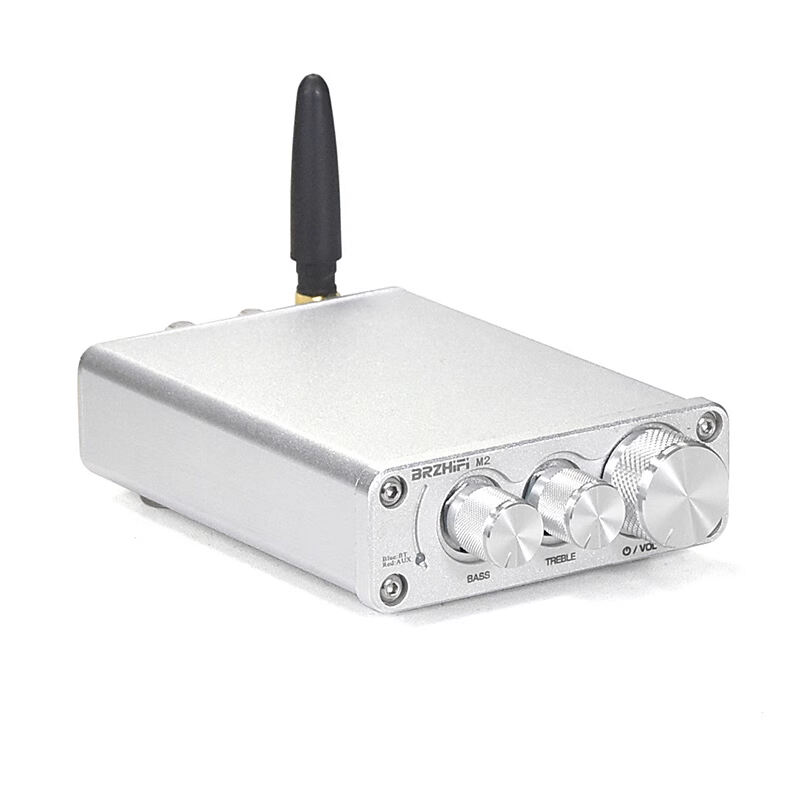
Thermal management remains one of the most critical factors determining the long-term performance and reliability of any ab power amplifier system. Professional audio engineers and enthusiasts understand that excessive heat generation can lead to component degradation, reduced efficiency, and potential system failure. Modern ab power amplifier designs incorporate sophisticated cooling strategies that extend operational lifespan while maintaining optimal sound quality across demanding applications.
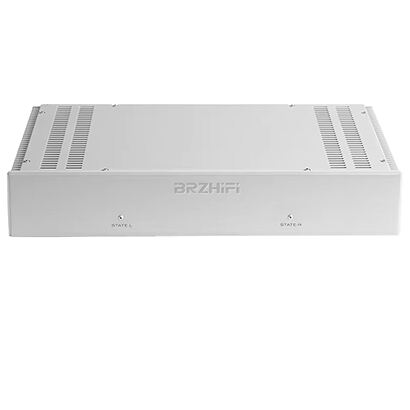
The fundamental challenge with ab power amplifier cooling stems from the inherent inefficiency of Class AB topology, which typically operates at 50-70% efficiency under normal conditions. This means substantial energy conversion to heat, particularly during high-power output scenarios. Understanding the thermal dynamics of semiconductor devices, transformers, and passive components becomes essential for implementing effective cooling solutions that prevent performance degradation.
Advanced cooling methodologies have evolved significantly over recent decades, moving beyond simple heat sink applications to comprehensive thermal management systems. These innovations directly impact the reliability metrics of ab power amplifier units, reducing failure rates and extending service intervals in professional installations. The selection of appropriate cooling methods depends on power output requirements, environmental conditions, and specific application constraints.
Passive Cooling Solutions for Enhanced Thermal Management
Heat Sink Design and Material Selection
Aluminum heat sinks represent the most common passive cooling solution for ab power amplifier systems, offering excellent thermal conductivity combined with cost-effectiveness. The surface area multiplication achieved through fin arrays creates substantial heat dissipation capacity without requiring additional power consumption. Modern heat sink designs utilize advanced extrusion techniques that maximize fin density while maintaining optimal air flow characteristics.
Copper heat sinks provide superior thermal conductivity compared to aluminum alternatives, making them particularly valuable in high-power ab power amplifier applications. The increased material cost is often justified by improved thermal performance, especially in space-constrained installations where heat sink size limitations exist. Hybrid designs combining copper base plates with aluminum fins offer balanced performance and cost characteristics.
Heat sink mounting techniques significantly influence thermal transfer efficiency from semiconductor devices to the cooling medium. Proper thermal interface materials, mounting pressure, and surface preparation directly affect the thermal resistance pathway. Professional ab power amplifier installations require careful attention to these details to achieve specified thermal performance targets.
Chassis Ventilation and Airflow Management
Natural convection cooling relies on strategic chassis ventilation design to create effective airflow patterns within ab power amplifier enclosures. Bottom intake vents combined with top exhaust openings establish convection currents that carry heated air away from critical components. This approach eliminates the noise and reliability concerns associated with mechanical cooling fans.
Perforated chassis panels and internal air guides help direct cooling airflow across heat-generating components in optimal patterns. The placement and sizing of ventilation openings require careful calculation to ensure adequate air volume exchange while maintaining electromagnetic shielding effectiveness. Professional ab power amplifier designs often incorporate computational fluid dynamics analysis to optimize ventilation layouts.
Thermal stack effects within tall chassis designs can be leveraged to enhance natural convection cooling performance. Strategic component placement creates temperature gradients that drive consistent airflow patterns, reducing hot spots and improving overall thermal uniformity. This approach proves particularly effective in rack-mounted ab power amplifier installations.
Active Cooling Technologies for High-Performance Applications
Variable Speed Fan Control Systems
Temperature-controlled fan systems provide dynamic cooling capacity that adapts to real-time thermal conditions within ab power amplifier units. These systems monitor critical component temperatures and adjust fan speeds accordingly, maintaining optimal operating temperatures while minimizing acoustic noise during low-power operation. Modern fan controllers incorporate sophisticated algorithms that prevent hunting and oscillation behaviors.
Multiple fan configurations allow redundant cooling capacity and improved thermal uniformity across large ab power amplifier installations. Strategic fan placement creates positive pressure ventilation that prevents dust infiltration while ensuring adequate cooling airflow reaches all heat-generating components. Variable speed operation extends fan service life by reducing mechanical wear during normal operating conditions.
High-efficiency fan designs incorporating advanced blade geometries and motor technologies reduce power consumption while maintaining cooling performance. These improvements become particularly important in battery-powered or energy-conscious ab power amplifier applications where every watt of auxiliary power consumption impacts overall system efficiency.
Liquid Cooling Integration
Closed-loop liquid cooling systems offer exceptional thermal management capability for extreme high-power ab power amplifier applications. These systems transfer heat away from semiconductor devices through circulating coolant, allowing heat dissipation to occur remotely from sensitive electronic components. Liquid cooling enables higher power density designs while maintaining component temperatures within acceptable limits.
Custom liquid cooling loops can be designed specifically for ab power amplifier thermal requirements, incorporating heat exchangers optimized for semiconductor mounting configurations. The thermal capacity and transport efficiency of liquid coolants far exceed air-based systems, enabling sustained high-power operation without thermal derating. Professional installations often integrate liquid cooling with building HVAC systems for maximum efficiency.
Maintenance considerations for liquid cooling systems include coolant replacement intervals, pump reliability, and leak detection protocols. While more complex than passive cooling approaches, properly implemented liquid cooling extends ab power amplifier operational capability significantly beyond air-cooled alternatives. The reliability improvements often justify the additional system complexity in demanding applications.
Advanced Thermal Management Strategies
Phase Change Materials and Thermal Storage
Phase change materials incorporated into ab power amplifier thermal management systems provide thermal buffering during transient high-power conditions. These materials absorb substantial amounts of thermal energy during melting transitions, effectively smoothing temperature spikes that occur during dynamic audio content reproduction. The thermal storage capacity helps maintain stable operating temperatures during varying load conditions.
Integration of phase change materials requires careful material selection based on melting point temperatures that align with optimal ab power amplifier operating ranges. Encapsulation techniques must prevent material leakage while maintaining thermal contact with heat-generating components. Advanced implementations incorporate heat pipes or thermal interface materials to enhance heat transfer efficiency.
Long-term stability and cycling performance of phase change materials become critical factors in professional ab power amplifier installations. Material degradation over multiple thermal cycles can reduce effectiveness and potentially create maintenance requirements. Proper material specification and system design ensure reliable thermal management throughout the amplifier service life.
Thermal Interface Optimization
Advanced thermal interface materials significantly improve heat transfer efficiency between semiconductor devices and cooling systems in ab power amplifier applications. These materials fill microscopic air gaps that create thermal resistance, allowing more efficient heat conduction to cooling elements. Modern thermal interface compounds utilize advanced filler materials and base formulations that maintain performance over extended temperature cycling.
Graphite-based thermal pads offer excellent conformability and thermal conductivity while eliminating the application challenges associated with thermal compounds. These materials maintain consistent performance over time without drying out or requiring reapplication. The mechanical properties allow accommodation of thermal expansion differences between materials while maintaining thermal contact.
Thermal interface material selection must consider electrical isolation requirements in ab power amplifier applications where high voltages exist. Specialized formulations provide thermal conductivity while maintaining electrical insulation properties necessary for safe operation. Application techniques and thickness control directly impact thermal performance and require careful attention during assembly processes.
Environmental Considerations and Installation Factors
Ambient Temperature Management
Operating environment temperature significantly influences cooling system effectiveness and ab power amplifier reliability. High ambient temperatures reduce the temperature differential available for heat dissipation, requiring enhanced cooling capacity to maintain acceptable component temperatures. Installation environments must be evaluated for temperature extremes, humidity levels, and air quality factors that affect cooling performance.
Altitude effects on air density impact convection cooling performance and fan effectiveness in ab power amplifier installations. Reduced air density at higher elevations decreases heat transfer coefficients and may require derating of thermal specifications or enhanced cooling systems. Mountain installations and aircraft applications present particular challenges that require specialized thermal management approaches.
Seasonal temperature variations in installation environments require thermal management systems capable of maintaining consistent performance across wide temperature ranges. Automatic thermal compensation and adaptive cooling controls help optimize ab power amplifier performance while preventing thermal stress from extreme temperature swings. Long-term reliability depends on proper thermal design margins for worst-case environmental conditions.
Dust and Contamination Control
Air filtration systems integrated with cooling airflow paths prevent dust accumulation on heat transfer surfaces while maintaining cooling effectiveness. Clogged heat sinks and ventilation openings significantly reduce cooling capacity and can lead to thermal failure in ab power amplifier systems. Regular maintenance schedules must account for environmental contamination levels and filter replacement intervals.
Positive pressure ventilation systems help exclude dust and contaminants from ab power amplifier enclosures while ensuring adequate cooling airflow. These systems require careful balance between filtration effectiveness and airflow restriction to maintain thermal performance. Industrial environments with high particulate levels may require specialized filtration and cooling system designs.
Sealed cooling systems eliminate contamination concerns while maintaining heat dissipation capability through external heat exchangers. These approaches prove particularly valuable in harsh environments where traditional air cooling systems would require frequent maintenance. The trade-offs between system complexity and maintenance requirements must be evaluated for specific installation conditions.
Performance Monitoring and Optimization
Temperature Sensing and Control
Comprehensive temperature monitoring throughout ab power amplifier systems enables proactive thermal management and prevents component damage from overheating conditions. Multiple sensor locations provide detailed thermal mapping that identifies hot spots and cooling system effectiveness. Modern monitoring systems incorporate data logging capabilities that support predictive maintenance programs.
Thermal protection circuits automatically reduce power output or activate additional cooling capacity when temperature limits are approached. These safety systems prevent catastrophic failure while allowing continued operation at reduced capacity during thermal stress conditions. Advanced protection schemes incorporate thermal modeling that predicts component temperatures based on power dissipation and cooling system performance.
Remote monitoring capabilities allow thermal performance assessment of ab power amplifier installations from central control locations. Network-connected monitoring systems provide real-time temperature data and alert notifications when thermal conditions exceed acceptable limits. These systems support large installations where individual unit monitoring would be impractical.
Cooling System Efficiency Optimization
Energy efficiency optimization of cooling systems reduces overall power consumption while maintaining adequate thermal management in ab power amplifier installations. Variable speed controls, efficient fan designs, and optimized thermal interfaces contribute to reduced auxiliary power requirements. Energy-conscious designs balance cooling performance with sustainability objectives.
Thermal modeling software enables cooling system optimization during design phases, reducing development time and improving thermal performance. These tools predict component temperatures under various operating conditions and help identify optimal cooling configurations. Validation testing confirms thermal model accuracy and ensures specification compliance.
Continuous improvement programs evaluate cooling system performance over extended operating periods, identifying optimization opportunities and potential failure modes. Data collection from multiple ab power amplifier installations provides insights into thermal management effectiveness across different operating conditions and environments. These programs support design improvements and maintenance optimization.
FAQ
How does ambient temperature affect ab power amplifier cooling requirements
Ambient temperature directly impacts cooling system effectiveness by reducing the temperature differential available for heat dissipation. Higher ambient temperatures require enhanced cooling capacity or reduced power operation to maintain safe component temperatures. Installation environments should be evaluated for temperature extremes, and cooling systems should be designed with appropriate margins for worst-case conditions. Temperature monitoring and automatic thermal protection help prevent damage during extreme ambient conditions.
What maintenance is required for different ab power amplifier cooling systems
Passive cooling systems require periodic cleaning of heat sink surfaces and ventilation openings to remove dust accumulation that reduces cooling effectiveness. Active cooling systems need regular fan inspection and replacement, air filter changes, and airflow verification. Liquid cooling systems require coolant level checks, pump performance monitoring, and leak detection protocols. Maintenance schedules should be based on environmental conditions and manufacturer recommendations to ensure reliable thermal management.
Can cooling improvements extend ab power amplifier service life
Effective thermal management significantly extends component service life by reducing thermal stress and operating temperatures. Lower operating temperatures decrease semiconductor degradation rates and improve electrolytic capacitor reliability. Proper cooling system design can double or triple the expected service life of critical components while maintaining consistent performance. Investment in advanced cooling technologies often provides substantial long-term reliability benefits that justify the initial costs.
How do I determine if my ab power amplifier cooling system is adequate
Temperature monitoring at critical component locations provides the most reliable assessment of cooling system adequacy. Component temperatures should remain well below manufacturer specifications during normal operation, with additional margin for ambient temperature variations. Thermal imaging can identify hot spots and cooling system effectiveness. Performance monitoring over extended periods helps identify gradual cooling system degradation before thermal problems occur.