
 EN
EN
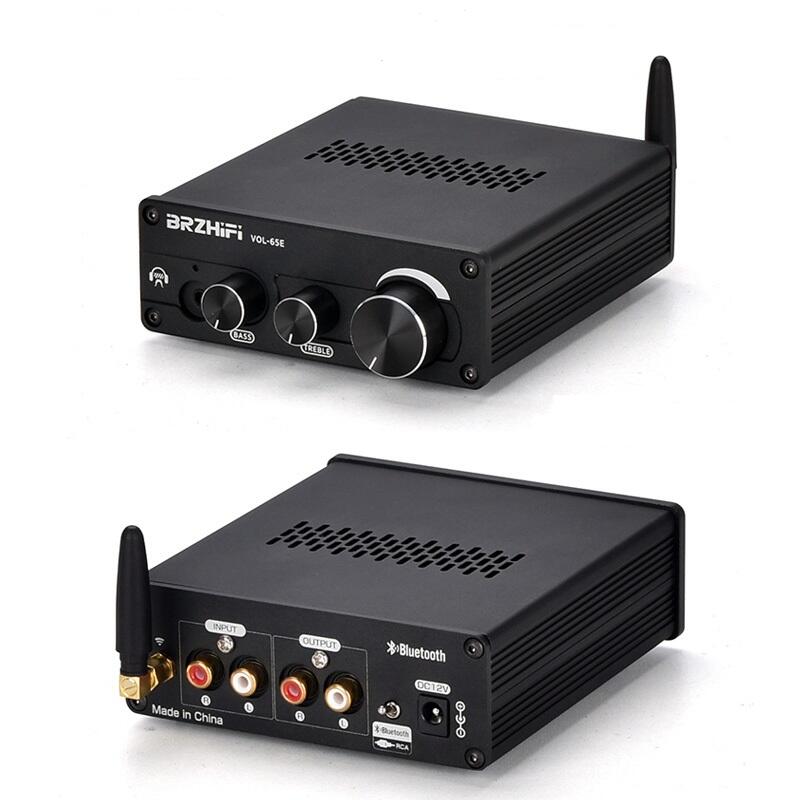
When evaluating preamp manufacturers for B2B procurement, understanding essential capabilities becomes crucial for creating exceptional home theatre for home entertainment systems. Professional buyers must assess manufacturers based on their technical expertise, production capacity, quality control standards, and ability to deliver solutions that meet diverse residential and commercial audio requirements. Modern preamp manufacturers serving the B2B market need to demonstrate comprehensive engineering capabilities, robust manufacturing processes, and deep understanding of home audio system integration challenges.
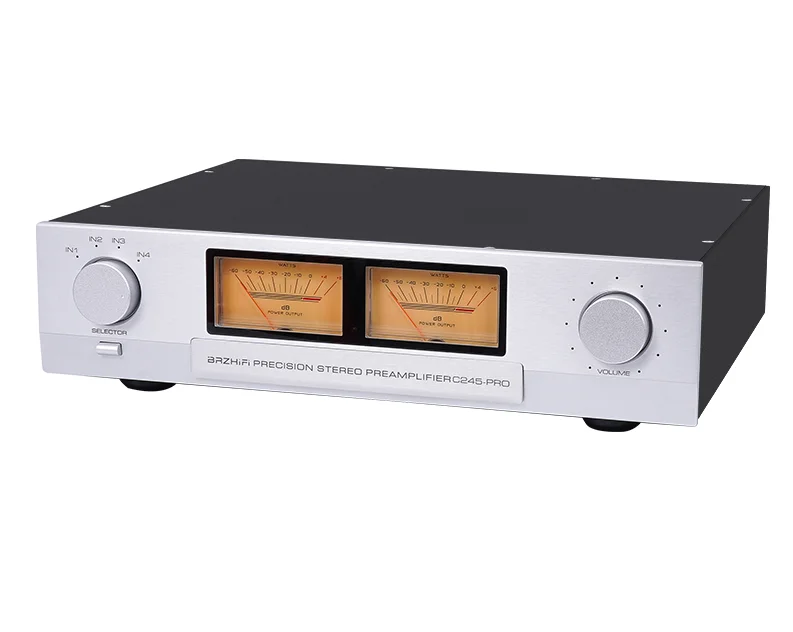
The contemporary audio market demands preamp manufacturers who can bridge the gap between professional-grade performance and consumer-friendly operation. B2B buyers increasingly seek partners who understand that home theatre for home applications requires sophisticated engineering wrapped in intuitive user interfaces. Successful manufacturers must demonstrate proficiency in analog and digital signal processing, power management, connectivity standards, and system integration protocols that ensure seamless operation within complex home entertainment ecosystems.
Technical Engineering Capabilities
Signal Processing Expertise
Leading preamp manufacturers must demonstrate advanced signal processing capabilities that ensure pristine audio reproduction in home theatre for home installations. This includes expertise in low-noise circuit design, impedance matching, frequency response optimization, and dynamic range management. Professional-grade preamps require sophisticated analog-to-digital and digital-to-analog conversion capabilities, with support for high-resolution audio formats including DSD, PCM, and various streaming protocols.
Signal processing capabilities extend beyond basic amplification to include advanced features like room correction, bass management, and multi-channel processing. Manufacturers should demonstrate proficiency in implementing digital signal processing algorithms that can adapt to various acoustic environments and speaker configurations commonly found in residential settings.
Quality manufacturers invest heavily in research and development to stay current with evolving audio standards and emerging technologies. They should possess in-house engineering teams capable of developing custom solutions and adapting existing designs to meet specific B2B client requirements while maintaining consistent performance standards across different home theatre for home configurations.
Power Management and Efficiency
Modern preamp manufacturers must excel in power management technologies that deliver consistent performance while minimizing energy consumption. Efficient power supply design becomes critical for home theatre for home systems that operate for extended periods, requiring manufacturers to demonstrate expertise in switch-mode power supplies, linear regulation, and power factor correction.
Thermal management capabilities represent another crucial technical requirement. Manufacturers should demonstrate advanced heat dissipation design, including proper component layout, heat sink optimization, and airflow management to ensure reliable long-term operation without performance degradation or component failure.
Advanced manufacturers incorporate intelligent power management features like standby modes, automatic shutdown sequences, and remote power control capabilities that enhance user convenience while reducing overall system power consumption in residential applications.
Manufacturing and Production Standards
Quality Control Systems
B2B buyers should expect comprehensive quality control systems from preamp manufacturers, including documented testing procedures, statistical process control, and traceability systems that ensure consistent product quality. Manufacturing partners must demonstrate ISO certification or equivalent quality management systems that provide confidence in their ability to deliver reliable products for home theatre for home applications.
Advanced testing capabilities should include automated test equipment for measuring frequency response, distortion, signal-to-noise ratio, and other critical performance parameters. Manufacturers should maintain detailed test records and provide certification documentation that validates performance specifications for each production batch.
Quality assurance extends to component selection and supplier management, requiring manufacturers to maintain approved vendor lists, incoming inspection procedures, and component traceability systems that ensure consistent material quality and availability.
Production Scalability and Flexibility
Successful preamp manufacturers must demonstrate production scalability to accommodate varying order volumes and delivery schedules typical of B2B relationships. This includes flexible manufacturing processes, adequate production capacity, and supply chain management capabilities that ensure reliable delivery timelines for home theatre for home system integrators and distributors.
Manufacturing flexibility becomes essential when serving diverse B2B markets with varying customization requirements. Manufacturers should demonstrate ability to modify standard designs, implement custom features, or adapt products for specific regional requirements without compromising production efficiency or quality standards.
Advanced manufacturers maintain just-in-time production capabilities and strategic inventory management systems that balance cost efficiency with responsive delivery performance. They should provide detailed production planning information and maintain transparent communication regarding capacity constraints and delivery schedules.
Product Development and Innovation
Research and Development Investment
Leading preamp manufacturers allocate significant resources to research and development activities that drive continuous product improvement and innovation. B2B buyers should evaluate manufacturers based on their R&D investment levels, engineering staff qualifications, and track record of introducing new technologies that enhance home theatre for home system performance and user experience.
Innovation capabilities should encompass both hardware and software development, including firmware programming, user interface design, and mobile application development. Modern preamp systems require sophisticated software integration that enables remote control, system configuration, and performance monitoring through various digital interfaces.
Manufacturers should demonstrate ability to collaborate with industry partners, participate in standards development organizations, and incorporate emerging technologies like artificial intelligence, machine learning, and advanced connectivity protocols into their product development roadmaps.
Customization and OEM Services
B2B-focused preamp manufacturers should offer comprehensive customization and OEM services that enable partners to differentiate their home theatre for home system offerings in competitive markets. This includes mechanical design modifications, custom control interfaces, specialized connectivity options, and branded product variants that meet specific market requirements.
Advanced customization capabilities extend to software and firmware modifications, enabling partners to implement proprietary features, custom user interfaces, or integration with third-party control systems. Manufacturers should provide detailed technical documentation and engineering support throughout the customization process.
Successful OEM partnerships require manufacturers to maintain confidentiality, provide exclusive product variants when appropriate, and offer flexible minimum order quantities that accommodate varying market sizes and business models of B2B partners.
Support and Service Capabilities
Technical Support and Training
Comprehensive technical support capabilities represent a critical differentiator for preamp manufacturers serving B2B markets. This includes dedicated technical support teams, comprehensive product documentation, installation guides, and troubleshooting resources specifically designed for home theatre for home system integrators and distributors.
Training programs should encompass product installation, configuration, optimization, and maintenance procedures. Manufacturers should offer both online and in-person training options, certification programs for technical personnel, and ongoing education resources that keep partners current with product updates and new features.
Advanced support capabilities include remote diagnostic tools, technical hotlines with knowledgeable staff, and rapid response protocols for critical issues that could impact customer satisfaction or system reliability in residential installations.
Warranty and Service Programs
B2B buyers should expect comprehensive warranty programs that provide confidence in long-term product reliability and total cost of ownership for home theatre for home applications. This includes extended warranty options, advance replacement programs, and clear warranty terms that protect both the manufacturer's partners and end customers.
Service programs should include authorized service center networks, factory repair services, and availability of replacement parts for reasonable periods beyond product discontinuation. Manufacturers should maintain detailed service documentation and provide training for authorized service technicians.
Advanced service capabilities might include predictive maintenance programs, remote monitoring options, and proactive notification systems that help prevent system failures and optimize long-term performance in residential installations.
Market Understanding and Industry Expertise
Application Knowledge and Consulting
Experienced preamp manufacturers demonstrate deep understanding of home theatre for home applications, including acoustic challenges, system integration requirements, and user experience expectations common in residential environments. This expertise enables them to provide valuable consulting services that help B2B partners optimize system designs and avoid common installation pitfalls.
Application knowledge extends to understanding various market segments, from entry-level residential systems to high-end custom installations, enabling manufacturers to recommend appropriate product configurations and system architectures for different price points and performance requirements.
Manufacturers should maintain close relationships with system integrators, architects, and interior designers to stay current with evolving market trends, aesthetic requirements, and integration challenges that influence product development priorities and feature sets.
Regulatory Compliance and Certification
Global B2B operations require preamp manufacturers to maintain comprehensive regulatory compliance programs covering safety standards, electromagnetic compatibility, environmental regulations, and regional certification requirements. This includes FCC, CE, UL, and other relevant certifications for home theatre for home equipment sold in various international markets.
Environmental compliance encompasses RoHS, REACH, and other material restrictions, along with energy efficiency standards that increasingly influence product design and market acceptance. Manufacturers should provide detailed compliance documentation and maintain current certifications for all target markets.
Advanced manufacturers proactively monitor regulatory changes and incorporate compliance requirements into their product development processes, ensuring that new products meet all applicable standards before market introduction.
FAQ
What production volumes should B2B buyers expect from qualified preamp manufacturers
Qualified preamp manufacturers typically maintain production capacities ranging from hundreds to thousands of units per month, depending on their target market segments and business models. Established manufacturers serving B2B markets should demonstrate ability to scale production to meet seasonal demand variations and accommodate growth in partner businesses. They should provide clear minimum order quantities, lead time expectations, and capacity planning information that enables B2B buyers to make informed procurement decisions for home theatre for home system deployments.
How do manufacturers ensure consistent quality across different production batches
Reputable manufacturers implement statistical process control systems, automated testing procedures, and comprehensive documentation systems that ensure consistent quality across all production batches. This includes incoming material inspection, in-process testing, final product verification, and long-term reliability testing that validates performance specifications. Quality manufacturers maintain detailed test records, provide batch-specific certification, and implement corrective action procedures when quality issues are identified during production or field operation.
What customization options should B2B buyers expect from preamp manufacturers
Professional preamp manufacturers typically offer various customization options including mechanical modifications, custom control interfaces, specialized connectivity configurations, and branded product variants. Advanced manufacturers can modify firmware, implement custom features, and provide OEM versions that meet specific partner requirements. Customization capabilities should extend to packaging, documentation, and user interfaces that align with partner brand requirements and target market preferences for home theatre for home applications.
How important is ongoing technical support for B2B partnerships with preamp manufacturers
Ongoing technical support represents a critical success factor for B2B partnerships, particularly in complex home theatre for home installations where system integration challenges and customer support requirements demand manufacturer expertise. Quality manufacturers provide dedicated technical support teams, comprehensive documentation, training programs, and rapid response protocols that enable partners to deliver superior customer experiences. This support should include installation guidance, troubleshooting assistance, warranty support, and ongoing product training that keeps partners current with product capabilities and best practices.
Table of Contents
- Technical Engineering Capabilities
- Manufacturing and Production Standards
- Product Development and Innovation
- Support and Service Capabilities
- Market Understanding and Industry Expertise
-
FAQ
- What production volumes should B2B buyers expect from qualified preamp manufacturers
- How do manufacturers ensure consistent quality across different production batches
- What customization options should B2B buyers expect from preamp manufacturers
- How important is ongoing technical support for B2B partnerships with preamp manufacturers