
 EN
EN
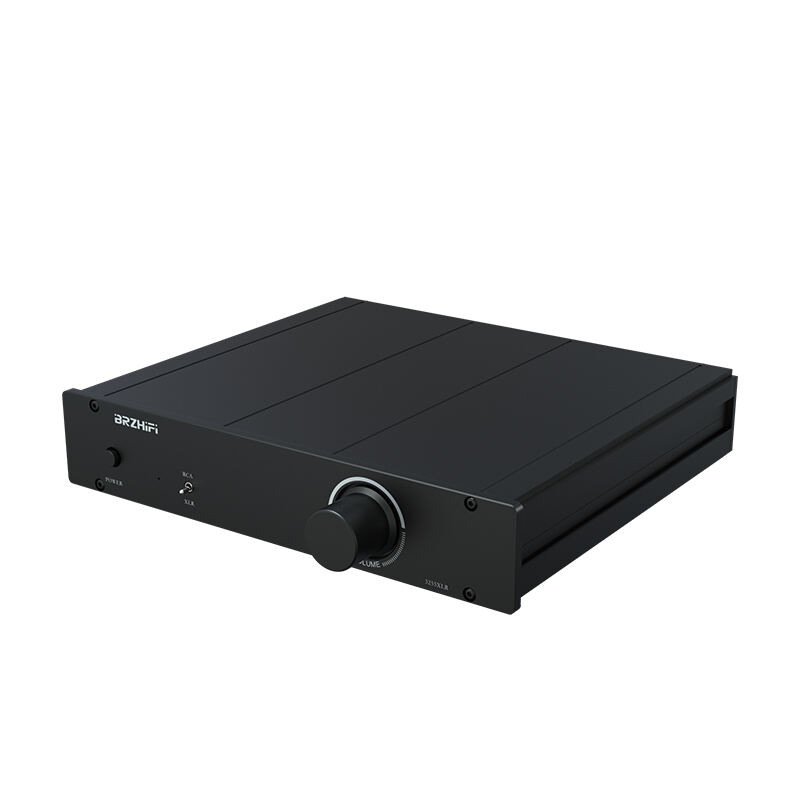
Selecting the right manufacturing partner for high-quality audio equipment requires careful evaluation of technical capabilities, production standards, and industry expertise. When sourcing premium audio components, understanding what distinguishes a professional hifi digital amplifiers factory from general electronics manufacturers becomes crucial for achieving superior sound reproduction and reliable performance. The complexity of modern digital amplification technology demands specialized knowledge, advanced manufacturing processes, and stringent quality control measures that only experienced facilities can provide.
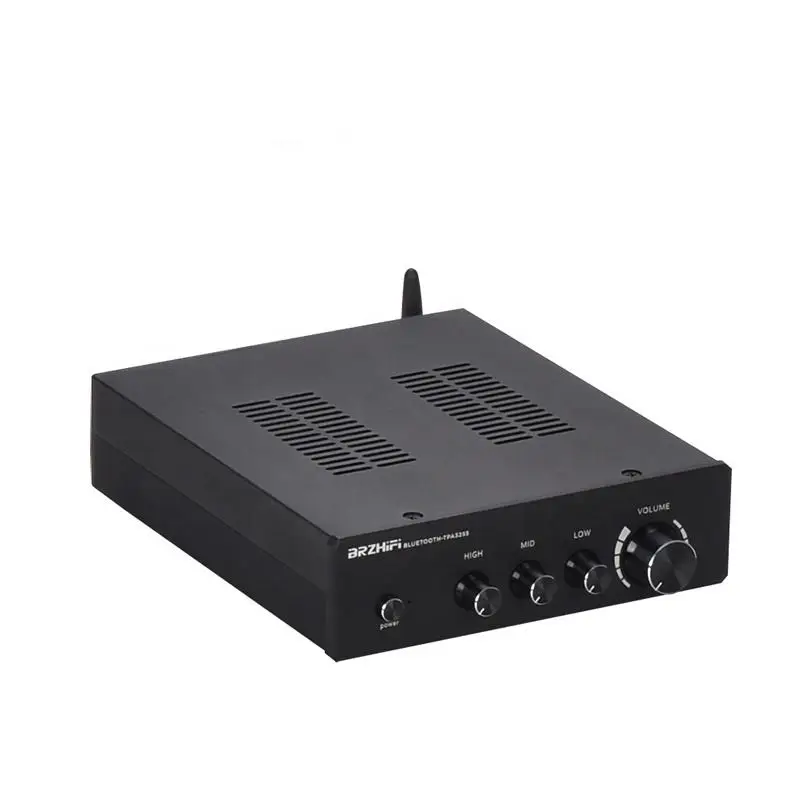
The digital audio landscape has evolved dramatically over the past decade, with Class D amplification technology becoming increasingly sophisticated. Modern digital amplifiers incorporate advanced switching topologies, precision power supplies, and intelligent thermal management systems that require specialized manufacturing expertise. A competent hifi digital amplifiers factory must demonstrate mastery of these technologies while maintaining consistent production quality across varying order volumes and customization requirements.
Technical Manufacturing Capabilities and Infrastructure
Advanced Circuit Design and Prototyping Facilities
Professional audio manufacturing requires sophisticated design capabilities that extend beyond basic circuit assembly. A qualified hifi digital amplifiers factory should maintain in-house engineering teams capable of developing custom amplification solutions, optimizing circuit layouts for minimal noise and maximum efficiency, and implementing advanced features like digital signal processing integration. The facility should possess modern CAD workstations, circuit simulation software, and rapid prototyping equipment to accelerate development cycles and ensure design accuracy before full-scale production begins.
The prototyping phase represents a critical juncture where theoretical designs transform into functional hardware. Manufacturing partners should demonstrate capabilities in creating working prototypes that accurately represent final production units, including proper component selection, PCB layout optimization, and preliminary performance testing. This process requires access to specialized components, precision assembly equipment, and experienced technicians who understand the nuances of high-fidelity audio circuit construction.
Precision Assembly and Quality Control Systems
Modern digital amplifiers incorporate numerous precision components that require careful handling and accurate placement during assembly. Surface-mount technology has become standard in professional audio equipment, demanding automated pick-and-place machinery capable of positioning components with microscopic accuracy. A reputable hifi digital amplifiers factory should maintain state-of-the-art SMT production lines with multiple placement heads, vision systems for component verification, and reflow ovens with precisely controlled temperature profiles to ensure consistent solder joint quality.
Quality control extends throughout the entire manufacturing process, from incoming component inspection through final product testing. Automated optical inspection systems help identify assembly defects that might affect performance or reliability, while in-circuit testing verifies proper component values and circuit connectivity. Comprehensive functional testing ensures that each amplifier meets specified performance parameters for power output, frequency response, distortion levels, and noise characteristics before packaging and shipment.
Production Capacity and Scalability Considerations
Manufacturing Volume Flexibility
Different applications require varying production volumes, from small-batch specialty products to large-scale commercial deployments. An experienced hifi digital amplifiers factory should demonstrate flexibility in handling diverse order sizes while maintaining consistent quality standards and competitive pricing. This capability requires efficient production planning systems, modular manufacturing processes, and supply chain relationships that support both prototype quantities and volume production runs.
Scalability becomes particularly important when products achieve market success and demand increases rapidly. Manufacturing partners should possess the infrastructure and expertise necessary to ramp production volumes without compromising quality or delivery schedules. This includes maintaining adequate inventory buffers for critical components, establishing relationships with multiple suppliers to prevent bottlenecks, and implementing production control systems that can adapt to changing requirements while maintaining visibility into manufacturing status and delivery timelines.
Supply Chain Management and Component Sourcing
The global electronics supply chain presents ongoing challenges for specialized audio equipment manufacturing. A professional hifi digital amplifiers factory must maintain strong relationships with component suppliers, particularly for high-performance audio semiconductors, precision passive components, and specialized magnetic materials used in power supplies and output stages. These relationships become crucial during component shortages or when sourcing hard-to-find parts for legacy products or specialized applications.
Effective supply chain management extends beyond simple component procurement to include supplier qualification, incoming inspection procedures, and inventory management strategies that balance cost efficiency with production continuity. Manufacturing partners should demonstrate robust processes for component traceability, counterfeit prevention, and alternative sourcing strategies that minimize production disruptions while maintaining performance standards.
Quality Standards and Certification Requirements
International Quality Management Systems
Professional audio equipment manufacturing demands adherence to rigorous quality standards that ensure consistent performance and regulatory compliance. A qualified hifi digital amplifiers factory should maintain ISO 9001 certification or equivalent quality management systems that provide framework for continuous improvement, customer satisfaction, and process control. These systems establish documented procedures for every aspect of manufacturing, from design control and supplier evaluation through production monitoring and corrective action implementation.
Quality management extends beyond basic manufacturing processes to encompass customer communication, order management, and post-delivery support. Effective quality systems provide mechanisms for capturing customer feedback, analyzing performance trends, and implementing improvements that enhance both product quality and customer satisfaction. Regular internal audits and management reviews ensure that quality systems remain effective and aligned with evolving customer requirements and industry standards.
Regulatory Compliance and Safety Certifications
Audio equipment sold in global markets must comply with various safety, electromagnetic compatibility, and environmental regulations. A competent hifi digital amplifiers factory should maintain current certifications for major markets including CE marking for European Union, FCC compliance for United States, and other regional certifications as required. This compliance requires ongoing investment in test equipment, certification processes, and regulatory expertise to ensure products meet all applicable requirements without costly delays or redesigns.
Safety certifications represent particularly critical requirements for audio equipment that operates at significant power levels or interfaces with consumer electronics systems. Manufacturing partners should demonstrate comprehensive understanding of relevant safety standards, maintain appropriate test facilities for verification testing, and establish relationships with accredited certification bodies to streamline approval processes for new products or market expansions.
Customization Capabilities and Design Support
Custom Circuit Development and Modification Services
Many applications require customized amplification solutions that differ from standard product offerings in power output, form factor, feature set, or interface requirements. A versatile hifi digital amplifiers factory should provide comprehensive design services that transform customer specifications into manufacturable products while optimizing performance, cost, and production efficiency. This capability requires experienced engineers familiar with various amplifier topologies, component selection strategies, and manufacturing constraints that influence design decisions.
Custom development services should encompass all phases of product realization, from initial concept evaluation and feasibility analysis through detailed design, prototyping, and production validation. Manufacturing partners should demonstrate ability to work collaboratively with customers throughout the development process, providing technical guidance, cost optimization recommendations, and manufacturing feedback that ensures successful product launch and ongoing production support.
Mechanical Design and Integration Support
Modern audio equipment requires sophisticated mechanical design that addresses thermal management, electromagnetic shielding, user interface requirements, and installation constraints. A full-service hifi digital amplifiers factory should provide mechanical engineering capabilities that complement electronic design expertise, ensuring that amplifier circuits are properly housed in enclosures that optimize performance while meeting aesthetic and functional requirements.
Thermal management represents a particularly critical aspect of mechanical design for high-power digital amplifiers. Manufacturing partners should demonstrate expertise in heat sink design, airflow optimization, and thermal interface materials that maintain operating temperatures within safe limits while minimizing noise and mechanical complexity. Integration support should extend to connector selection, control interface design, and mounting considerations that facilitate installation in diverse applications from home audio systems to professional sound reinforcement equipment.
Technology Innovation and Future Readiness
Emerging Amplifier Technologies and Trends
The audio amplification industry continues evolving with new technologies like gallium nitride semiconductors, advanced digital signal processing, and wireless connectivity integration. A forward-thinking hifi digital amplifiers factory should demonstrate awareness of emerging trends and maintain capabilities for incorporating new technologies into product designs. This includes relationships with semiconductor suppliers developing next-generation devices, understanding of evolving industry standards, and investment in equipment and expertise necessary to implement advanced manufacturing processes.
Technology roadmap alignment becomes increasingly important as product development cycles extend and market requirements evolve. Manufacturing partners should provide insights into technology trends, component obsolescence risks, and upgrade paths that help customers make informed decisions about product specifications and lifecycle planning. This collaborative approach ensures that current designs remain supportable while positioning products for future enhancement and market evolution.
Research and Development Investment
Continuous improvement in audio amplification technology requires ongoing research and development investment that extends beyond immediate customer requirements. A progressive hifi digital amplifiers factory should maintain active R&D programs focused on advancing amplifier performance, efficiency, and functionality while reducing manufacturing costs and complexity. This investment demonstrates commitment to long-term partnership relationships and provides access to innovative solutions that may benefit multiple customers and applications.
Research activities should encompass both fundamental technology development and applied engineering that addresses practical manufacturing and application challenges. Collaboration with universities, research institutions, and industry partners helps ensure that R&D efforts remain aligned with market needs and technological possibilities. Manufacturing partners should be willing to share appropriate research findings and collaborate on joint development projects that advance the state of audio amplification technology.
Customer Support and Technical Service Capabilities
Application Engineering and Technical Consultation
Successful audio equipment deployment often requires technical support that extends beyond basic product specifications to include application guidance, system integration advice, and troubleshooting assistance. A comprehensive hifi digital amplifiers factory should provide application engineering services that help customers select appropriate products, optimize system configurations, and resolve implementation challenges. This support requires technical staff with broad experience across various audio applications and deep understanding of amplifier behavior in different operating conditions.
Technical consultation services become particularly valuable during the early stages of product development when design decisions significantly impact final performance and manufacturing costs. Manufacturing partners should provide guidance on amplifier selection criteria, thermal management strategies, and system-level considerations that influence overall audio system performance. This collaborative approach helps ensure successful product launches while building long-term customer relationships based on technical expertise and shared success.
Documentation and Training Resources
Comprehensive documentation represents an essential component of professional audio equipment manufacturing that enables successful product deployment and ongoing support. A qualified hifi digital amplifiers factory should provide detailed technical documentation including specifications, application notes, installation guidelines, and troubleshooting procedures that facilitate product integration and maintenance. Documentation should be regularly updated to reflect product improvements, application feedback, and evolving industry practices.
Training resources help ensure that customer technical staff understand proper installation, configuration, and maintenance procedures for audio equipment. Manufacturing partners should offer various training formats including webinars, technical seminars, and hands-on workshops that address different learning preferences and scheduling constraints. Effective training programs reduce technical support requirements while improving customer satisfaction and product reliability in field applications.
FAQ
What certifications should I look for when evaluating a digital amplifier manufacturer?
Essential certifications include ISO 9001 quality management systems, relevant safety certifications like CE, FCC, and UL for target markets, and RoHS compliance for environmental requirements. Additionally, look for manufacturers with established relationships with certification bodies and demonstrated experience navigating regulatory approval processes for audio equipment. A reputable hifi digital amplifiers factory should maintain current certifications and provide documentation supporting compliance claims.
How important is in-house design capability versus contract manufacturing?
In-house design capability provides significant advantages for customization, technical support, and product evolution. Manufacturers with internal engineering teams can modify designs, optimize performance, and provide technical guidance that pure contract manufacturers cannot offer. However, the choice depends on your specific requirements - standard products may be adequately served by contract manufacturers, while custom applications benefit greatly from integrated design and manufacturing capabilities within a specialized hifi digital amplifiers factory.
What production volumes can most specialized audio manufacturers handle?
Professional audio manufacturers typically handle volumes ranging from prototype quantities to several thousand units per month, depending on their facilities and market focus. Many specialized facilities excel in the 100-5000 unit monthly range where customization and quality take precedence over pure volume efficiency. When evaluating potential partners, consider their experience with similar volume requirements and their ability to scale production as your needs evolve without compromising quality standards.
How do I assess a manufacturer's technical competency before committing to partnership?
Request detailed facility tours, review engineering capabilities and equipment, examine sample products and test data, and speak with existing customers about their experiences. A competent hifi digital amplifiers factory should welcome technical discussions, provide comprehensive documentation, and demonstrate willingness to invest time in understanding your requirements. Consider starting with smaller projects to evaluate capabilities before committing to larger production volumes or critical applications.
Table of Contents
- Technical Manufacturing Capabilities and Infrastructure
- Production Capacity and Scalability Considerations
- Quality Standards and Certification Requirements
- Customization Capabilities and Design Support
- Technology Innovation and Future Readiness
- Customer Support and Technical Service Capabilities
-
FAQ
- What certifications should I look for when evaluating a digital amplifier manufacturer?
- How important is in-house design capability versus contract manufacturing?
- What production volumes can most specialized audio manufacturers handle?
- How do I assess a manufacturer's technical competency before committing to partnership?