
 EN
EN
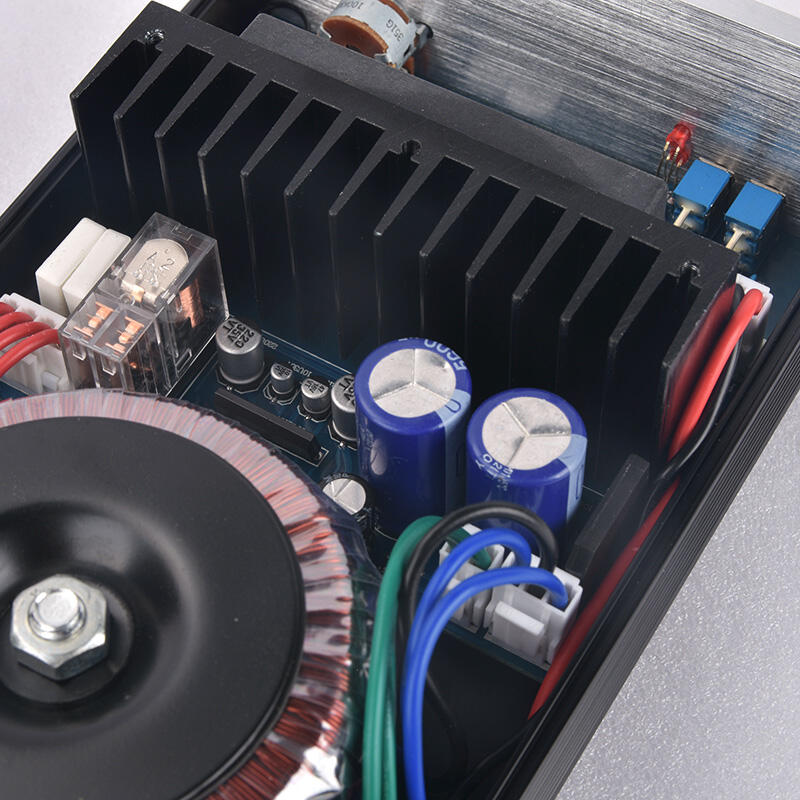
Manufacturing high-performance digital amplifiers requires precise engineering, advanced production techniques, and rigorous quality control systems that ensure every unit meets exacting standards. A professional hifi digital amplifiers factory implements comprehensive manufacturing protocols that guarantee consistent audio performance, reliability, and durability across all production runs. The complexity of modern digital amplification technology demands specialized facilities equipped with cutting-edge testing equipment, skilled technicians, and systematic quality assurance processes that monitor every aspect of production from component selection to final product testing.
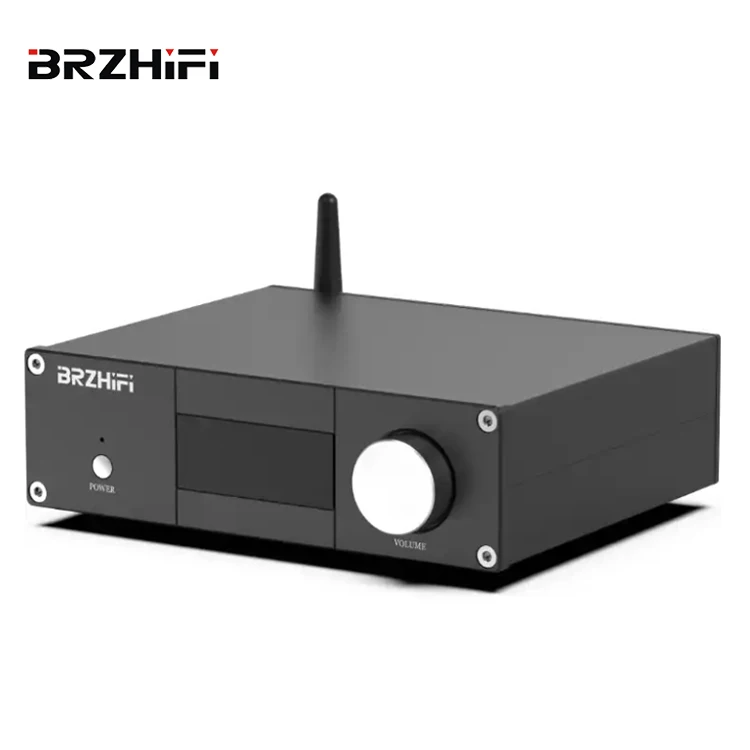
The foundation of consistent digital amplifier performance begins with stringent component sourcing and incoming material inspection procedures. Leading manufacturers establish partnerships with certified suppliers who provide components that meet or exceed industry specifications for digital signal processing, power management, and thermal performance. Every batch of semiconductors, capacitors, resistors, and integrated circuits undergoes thorough testing to verify electrical characteristics, temperature stability, and long-term reliability before entering the production line.
Component Selection and Quality Control Standards
Premium Component Sourcing Strategies
A reputable hifi digital amplifiers factory maintains strict vendor qualification programs that evaluate suppliers based on quality certifications, production capabilities, and technical support services. Component selection criteria include temperature coefficient stability, low noise characteristics, high frequency response accuracy, and extended operational lifespan. Premium digital amplifier manufacturers often specify military-grade or automotive-grade components for critical circuit sections to ensure superior performance under varying environmental conditions.
Advanced component testing protocols involve automated inspection systems that measure electrical parameters, physical dimensions, and material composition. Statistical process control methods track component performance trends over time, enabling early detection of quality variations that could affect amplifier performance. These comprehensive testing procedures ensure that only components meeting the highest standards enter the production workflow.
Incoming Material Inspection Procedures
Modern digital amplifier facilities implement sophisticated material receiving protocols that include barcode tracking, environmental storage requirements, and batch traceability systems. Each component lot receives unique identification codes that enable complete traceability throughout the manufacturing process. Climate-controlled storage areas maintain optimal temperature and humidity levels to prevent component degradation during inventory periods.
Sampling inspection procedures follow internationally recognized standards such as ISO 2859 or MIL-STD-105E to determine appropriate sample sizes and acceptance criteria for different component categories. Advanced testing equipment including LCR meters, spectrum analyzers, and thermal chambers verify component specifications match manufacturer datasheets and design requirements.
Manufacturing Process Optimization
Automated Assembly Line Configuration
State-of-the-art hifi digital amplifiers factory operations utilize computer-controlled assembly equipment that ensures precise component placement, consistent soldering quality, and repeatable manufacturing processes. Pick-and-place machines equipped with vision systems verify component orientation, polarity, and positioning accuracy before placement on printed circuit boards. Automated optical inspection systems examine solder joint quality, component alignment, and potential manufacturing defects at multiple production stages.
Production line design incorporates lean manufacturing principles that minimize handling time, reduce work-in-process inventory, and eliminate potential sources of contamination or damage. Conveyor systems transport assemblies between workstations while maintaining electrostatic discharge protection and temperature control. Real-time production monitoring systems track cycle times, throughput rates, and quality metrics to optimize manufacturing efficiency.
Precision Soldering and Assembly Techniques
Professional digital amplifier manufacturing requires specialized soldering processes that create reliable electrical connections while minimizing thermal stress on sensitive components. Reflow soldering profiles are carefully calibrated for different board designs and component types to achieve optimal solder joint formation. Wave soldering systems for through-hole components maintain precise temperature control and flux application to ensure consistent results.
Advanced assembly techniques include conformal coating application for environmental protection, thermal interface material installation for heat dissipation, and mechanical fastening procedures for connectors and heat sinks. Each assembly step follows documented work instructions that specify tooling requirements, process parameters, and quality checkpoints to maintain consistency across production shifts and operators.
Testing and Quality Assurance Protocols
Comprehensive Performance Testing Systems
Every unit produced in a professional hifi digital amplifiers factory undergoes extensive electrical testing that verifies audio performance specifications, power output characteristics, and signal processing accuracy. Automated test equipment measures frequency response, total harmonic distortion, signal-to-noise ratio, and dynamic range across the full operating spectrum. These measurements are compared against predetermined limits to ensure each amplifier meets design specifications.
Burn-in testing procedures subject completed amplifiers to extended operation under controlled conditions to identify potential early failures and verify long-term stability. Temperature cycling tests evaluate performance consistency across the specified operating range while vibration and shock testing ensure mechanical robustness. Digital interface testing verifies proper communication protocols, error correction capabilities, and compatibility with various input sources.
Statistical Quality Control Implementation
Modern manufacturing facilities employ statistical process control methodologies that monitor key performance indicators and detect process variations before they affect product quality. Control charts track critical parameters such as output power variation, frequency response deviation, and distortion measurements across production lots. This data-driven approach enables proactive process adjustments that maintain consistent product performance.
Quality management systems complying with ISO 9001 standards ensure documented procedures, regular calibration schedules for test equipment, and continuous improvement programs. Customer feedback analysis and field performance data contribute to ongoing design refinements and manufacturing process enhancements that further improve product reliability and consistency.
Environmental and Reliability Testing
Accelerated Life Testing Programs
Leading hifi digital amplifiers factory operations implement comprehensive reliability testing programs that simulate years of normal operation under accelerated conditions. These tests include high-temperature storage, thermal cycling, humidity exposure, and power cycling protocols that identify potential failure modes and verify design margins. Statistical analysis of test results enables accurate lifetime predictions and warranty period determinations.
Highly accelerated stress testing evaluates component and assembly robustness under extreme conditions that exceed normal operating parameters. These tests reveal design weaknesses and manufacturing defects that might not appear during standard testing procedures. Results inform design improvements and process modifications that enhance product durability and field reliability.
Environmental Compliance Verification
Digital amplifier manufacturers must verify compliance with various environmental regulations including RoHS restrictions on hazardous substances, WEEE recycling requirements, and electromagnetic compatibility standards. Testing laboratories equipped with anechoic chambers, emissions measurement systems, and immunity test equipment ensure products meet regulatory requirements for different global markets.
Thermal management verification involves infrared thermal imaging, airflow analysis, and long-term temperature monitoring to ensure adequate heat dissipation under all operating conditions. These studies validate cooling system design and identify potential hot spots that could affect component reliability or performance consistency over time.
Calibration and Measurement Accuracy
Precision Test Equipment Management
Maintaining measurement accuracy requires rigorous calibration programs for all test and measurement equipment used in production and quality control processes. Audio analyzers, oscilloscopes, multimeters, and environmental chambers receive regular calibration against NIST-traceable standards to ensure measurement reliability. Calibration intervals are determined based on equipment stability, usage patterns, and criticality to product quality.
Advanced measurement systems incorporate automated calibration verification procedures that monitor instrument performance between scheduled calibrations. These systems detect measurement drift and alert operators to potential accuracy issues before they affect product testing results. Comprehensive calibration records provide traceability and support quality system audits.
Measurement Uncertainty Analysis
Professional hifi digital amplifiers factory operations perform measurement uncertainty analysis to quantify the accuracy and reliability of test results. This analysis considers factors such as instrument accuracy, environmental conditions, operator variation, and measurement repeatability. Understanding measurement uncertainty enables appropriate specification limits and confidence levels for pass/fail decisions.
Guard banding techniques adjust test limits to account for measurement uncertainty and ensure that products meeting test criteria will perform satisfactorily under all normal operating conditions. This approach provides additional margin for component variation, aging effects, and environmental influences that may affect performance over the product lifetime.
Continuous Improvement and Process Innovation
Data-Driven Manufacturing Optimization
Modern digital amplifier production facilities leverage advanced data analytics and machine learning algorithms to optimize manufacturing processes and predict potential quality issues. Production data collection systems monitor equipment performance, environmental conditions, and product test results to identify patterns and correlations that indicate process improvements opportunities. This information enables predictive maintenance schedules and proactive process adjustments.
Integration of Internet of Things sensors throughout the production environment provides real-time visibility into manufacturing conditions and equipment status. Automated alert systems notify operators of deviations from optimal parameters before they affect product quality. Historical data analysis reveals long-term trends that guide equipment upgrades and process refinements.
Technology Integration and Automation Advancement
Leading hifi digital amplifiers factory facilities continuously invest in advanced manufacturing technologies that improve consistency, reduce variability, and enhance product quality. Artificial intelligence applications in quality control systems enable automated defect detection and classification with higher accuracy than traditional inspection methods. Robotic assembly systems provide repeatable positioning accuracy and eliminate human error sources.
Industry 4.0 concepts including cyber-physical systems, digital twins, and predictive analytics enable unprecedented levels of process control and optimization. These technologies facilitate rapid response to quality issues, minimize waste, and ensure consistent product performance across all production volumes and market requirements.
FAQ
What testing procedures ensure consistent digital amplifier performance across production batches?
Professional manufacturing facilities implement comprehensive testing protocols including automated electrical testing of every unit, burn-in procedures to identify early failures, environmental stress testing to verify reliability, and statistical process control to monitor production consistency. These procedures combined with calibrated test equipment and documented quality systems ensure consistent performance across all production batches.
How do manufacturers maintain component quality and traceability in digital amplifier production?
Quality manufacturers establish rigorous supplier qualification programs, implement incoming inspection procedures for all components, maintain climate-controlled storage facilities, and utilize batch tracking systems that provide complete traceability from raw materials through final assembly. Premium component sourcing strategies focus on suppliers meeting automotive or military grade standards for critical circuit elements.
What role does environmental testing play in ensuring digital amplifier reliability?
Environmental testing including temperature cycling, humidity exposure, vibration testing, and accelerated life testing simulates years of normal operation under controlled conditions to identify potential failure modes and verify design margins. These tests ensure amplifiers will perform consistently across their intended operating environment and throughout their expected service life.
How do advanced manufacturing facilities optimize production processes for digital amplifiers?
Modern hifi digital amplifiers factory operations utilize automated assembly equipment, real-time production monitoring systems, statistical process control methodologies, and data analytics to optimize manufacturing processes. Continuous improvement programs incorporate customer feedback, field performance data, and advanced technologies like artificial intelligence to enhance product quality and manufacturing efficiency.
Table of Contents
- Component Selection and Quality Control Standards
- Manufacturing Process Optimization
- Testing and Quality Assurance Protocols
- Environmental and Reliability Testing
- Calibration and Measurement Accuracy
- Continuous Improvement and Process Innovation
-
FAQ
- What testing procedures ensure consistent digital amplifier performance across production batches?
- How do manufacturers maintain component quality and traceability in digital amplifier production?
- What role does environmental testing play in ensuring digital amplifier reliability?
- How do advanced manufacturing facilities optimize production processes for digital amplifiers?