
 EN
EN
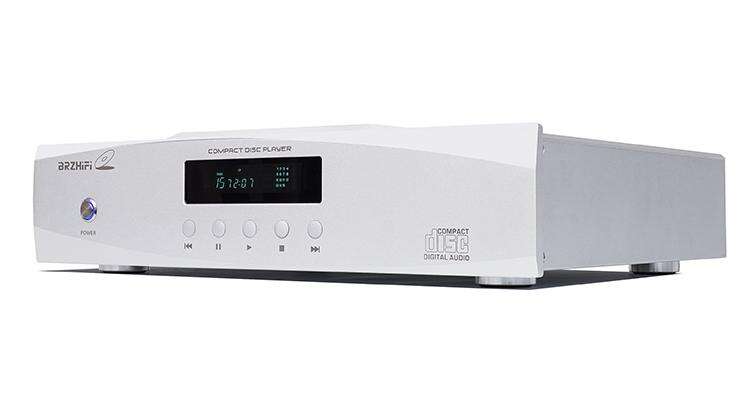
Modern audio enthusiasts are increasingly turning to digital stereo amplifiers for their superior sound quality, compact design, and advanced features. A digital stereo amplifier represents a significant leap forward from traditional analog amplifiers, offering improved efficiency and remarkable sound reproduction capabilities. Whether you're building a home theater system, upgrading your music setup, or seeking professional audio solutions, understanding what makes a quality digital stereo amplifier is essential for making an informed purchasing decision.
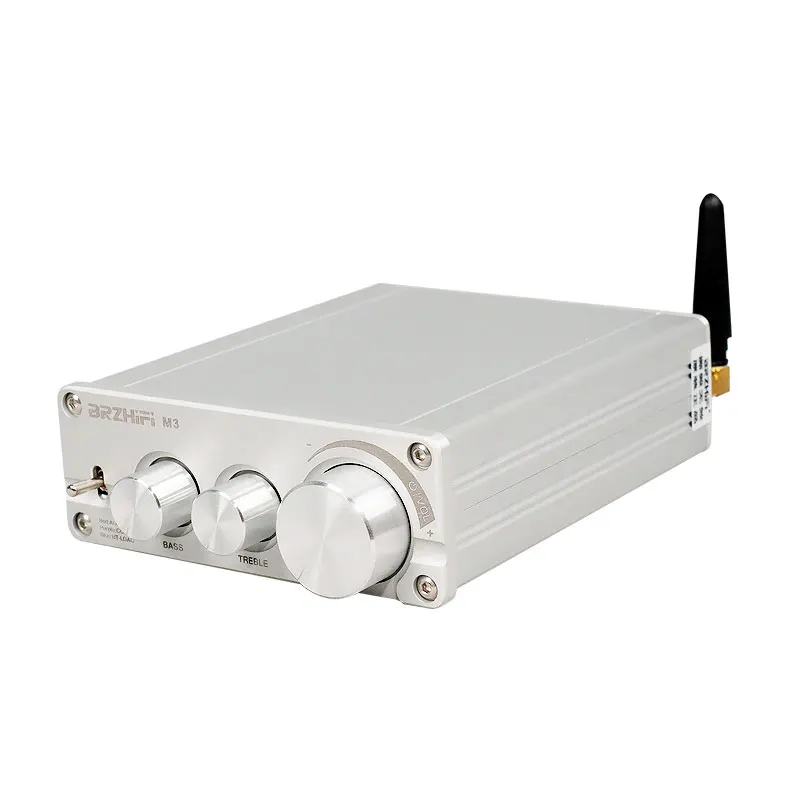
Understanding Digital Amplification Technology
How Digital Amplifiers Work
Digital amplification technology fundamentally differs from analog amplification by converting audio signals into digital format before processing. This approach allows a digital stereo amplifier to maintain signal integrity throughout the amplification process, reducing noise and distortion significantly. The digital processing eliminates many of the interference issues that plague analog systems, resulting in cleaner, more accurate sound reproduction.
The core advantage of digital amplification lies in its ability to switch between on and off states rapidly, rather than operating in a continuous analog mode. This switching mechanism enables exceptional efficiency, often exceeding 90% compared to analog amplifiers that typically achieve only 50-70% efficiency. Consequently, a modern digital stereo amplifier generates less heat, requires smaller power supplies, and delivers more power with reduced energy consumption.
Digital Signal Processing Benefits
Digital signal processing within amplifiers enables sophisticated audio enhancement features that analog systems cannot match. These processing capabilities allow manufacturers to implement room correction, equalization, and sound optimization algorithms directly within the amplifier circuitry. The result is a digital stereo amplifier that can adapt to different acoustic environments and audio sources automatically.
Advanced digital processing also facilitates multiple input handling, allowing users to connect various audio sources simultaneously. This versatility makes digital amplifiers particularly attractive for modern entertainment systems where multiple devices need seamless integration. The digital nature of these amplifiers ensures consistent performance regardless of the input source or listening volume.
Power Output and Efficiency Considerations
Understanding Power Ratings
When evaluating any digital stereo amplifier, power output specifications require careful analysis beyond simple wattage numbers. Manufacturers often provide multiple power ratings including RMS (Root Mean Square), peak power, and maximum power output. RMS power represents the continuous power delivery capability and provides the most reliable indicator of actual amplifier performance during normal listening conditions.
The impedance rating of your speakers directly impacts the effective power output from your digital stereo amplifier. Most amplifiers specify power output at different impedance levels, typically 4 ohms, 6 ohms, and 8 ohms. Understanding this relationship helps ensure optimal matching between your amplifier and speakers, maximizing both sound quality and equipment longevity while preventing potential damage from impedance mismatching.
Energy Efficiency and Thermal Management
Digital amplification technology delivers exceptional energy efficiency compared to traditional analog designs. A quality digital stereo amplifier converts up to 95% of input power into usable audio output, minimizing waste heat generation. This efficiency translates to lower electricity costs, reduced cooling requirements, and more compact amplifier designs that fit easily into modern entertainment centers.
Effective thermal management remains crucial even in efficient digital amplifiers, particularly during high-volume operation. Look for amplifiers featuring adequate heat sinking, ventilation design, and thermal protection circuits. These features ensure consistent performance and protect internal components from temperature-related damage during extended listening sessions or professional applications.
Connectivity and Input Options
Digital Input Capabilities
Modern digital stereo amplifiers offer extensive connectivity options to accommodate various audio sources and formats. Essential digital inputs include optical (TOSLINK), coaxial, and USB connections that support high-resolution audio formats. These digital inputs maintain signal quality by eliminating unnecessary analog-to-digital conversions, preserving the original audio fidelity throughout the signal chain.
Advanced models incorporate network connectivity through Ethernet or Wi-Fi, enabling streaming from network-attached storage, online music services, and mobile devices. This connectivity transforms a digital stereo amplifier into a comprehensive audio hub capable of accessing vast music libraries and streaming platforms without requiring additional components or complex wiring configurations.
Wireless Integration Features
Bluetooth connectivity has become standard in contemporary digital stereo amplifiers, providing convenient wireless audio streaming from smartphones, tablets, and computers. High-quality implementations support advanced Bluetooth codecs like aptX, aptX HD, and LDAC, ensuring minimal compression and maximum audio quality during wireless transmission. These codecs significantly reduce the quality gap between wired and wireless audio connections.
Some premium digital stereo amplifiers incorporate Wi-Fi streaming capabilities, supporting protocols like AirPlay, Chromecast, and DLNA. These features enable seamless integration with smart home ecosystems and multi-room audio systems, allowing users to control music playback from anywhere within their network coverage area using smartphone applications or voice commands.
Audio Quality and Performance Features
Sound Signature and Frequency Response
The frequency response characteristics of a digital stereo amplifier determine its ability to reproduce the full spectrum of audible frequencies accurately. Quality amplifiers maintain flat frequency response across the audible range (20Hz to 20kHz) with minimal deviation, ensuring faithful reproduction of musical content without artificial coloration or emphasis of specific frequency bands.
Signal-to-noise ratio (SNR) measurements indicate the amplifier's ability to reproduce quiet musical passages without audible background noise. Premium digital stereo amplifiers achieve SNR values exceeding 100dB, providing exceptional dynamic range and allowing listeners to hear subtle musical details even during quiet sections. This specification becomes particularly important for critical listening applications and high-end audio systems.
Distortion Control and Clarity
Total Harmonic Distortion (THD) specifications reveal how accurately a digital stereo amplifier reproduces input signals without adding unwanted harmonic content. Quality digital amplifiers achieve THD levels below 0.1% across their operating range, ensuring transparent audio reproduction without audible artifacts or coloration. Lower distortion figures indicate superior circuit design and component quality.
Intermodulation distortion (IMD) measurements assess the amplifier's ability to handle complex musical signals containing multiple frequencies simultaneously. Digital amplifiers with low IMD specifications maintain clarity and separation between different instruments and frequency components, preventing the muddy or congested sound that characterizes inferior amplification systems.
Build Quality and Component Selection
Internal Component Quality
The internal components within a digital stereo amplifier significantly impact both performance and longevity. Premium amplifiers utilize high-grade capacitors, precision resistors, and robust semiconductor devices that maintain stability across temperature variations and aging. Quality components ensure consistent performance over years of operation while minimizing the risk of premature failure or performance degradation.
Power supply design represents a critical aspect often overlooked by consumers but essential for optimal digital stereo amplifier performance. Switch-mode power supplies offer excellent efficiency and compact design, while linear power supplies provide superior noise performance. The best implementations combine both technologies, using switch-mode efficiency with linear regulation for audio-critical circuits.
Construction and Durability
Physical construction quality affects both performance and aesthetic appeal of digital stereo amplifiers. Robust chassis construction with adequate shielding prevents electromagnetic interference while providing structural integrity for internal components. Quality amplifiers feature solid aluminum or steel enclosures with proper ventilation and professional-grade connectors that maintain reliable connections over time.
Attention to manufacturing details like internal wiring quality, circuit board design, and component mounting techniques distinguishes premium amplifiers from budget alternatives. These factors impact both immediate performance and long-term reliability, making them important considerations for users seeking professional-grade audio equipment or extended warranty coverage.
Advanced Features and Control Options
User Interface and Control Systems
Modern digital stereo amplifiers incorporate sophisticated control systems ranging from simple rotary controls to full-color touchscreen displays. The user interface design should provide intuitive access to all amplifier functions without overwhelming users with unnecessary complexity. Clear labeling, logical menu structures, and responsive controls enhance the overall user experience significantly.
Remote control capabilities extend beyond basic volume and input selection in contemporary digital amplifiers. Advanced models offer smartphone applications providing complete system control, including equalization adjustment, preset management, and system monitoring functions. These applications often include features like automatic room correction and personalized sound profiles tailored to individual listening preferences.
Customization and Sound Tuning
Digital signal processing capabilities enable extensive sound customization options within modern digital stereo amplifiers. Parametric equalizers allow precise frequency response adjustment, while bass management systems optimize low-frequency reproduction for different room sizes and speaker configurations. These features transform standard amplifiers into sophisticated audio processors capable of adapting to any listening environment.
Advanced digital stereo amplifier models incorporate room correction technology that automatically analyzes acoustic environments and adjusts frequency response accordingly. This technology compensates for common room acoustics problems, reducing the need for expensive acoustic treatments while improving overall sound quality significantly. Some systems even support multiple listening positions with individualized correction profiles.
Installation and Integration Considerations
Size and Placement Flexibility
The compact design of digital stereo amplifiers provides significant installation advantages over traditional analog alternatives. Reduced heat generation and smaller form factors enable flexible placement options including equipment racks, wall mounting, or integration within furniture. This flexibility proves particularly valuable in modern living spaces where equipment visibility and space utilization matter significantly.
Ventilation requirements for digital amplifiers are typically less demanding than analog equivalents due to improved efficiency and reduced heat generation. However, adequate airflow remains important for optimal performance and component longevity. Consider placement locations that provide natural convection cooling while avoiding enclosed spaces without ventilation during extended operation periods.
System Integration Requirements
Integration with existing audio systems requires careful consideration of input and output compatibility when selecting a digital stereo amplifier. Ensure the chosen amplifier provides appropriate input options for your source components while offering suitable output connections for your speakers. Some amplifiers include multiple output zones, enabling single-amplifier solutions for multi-room audio systems.
Control system integration becomes increasingly important as home automation systems gain popularity. Digital stereo amplifiers with network connectivity often support integration with smart home platforms, allowing voice control and automated operation based on occupancy or time schedules. This integration capability future-proofs your audio investment while enhancing daily usability.
FAQ
What power output should I look for in a digital stereo amplifier?
The required power output depends on your speakers' sensitivity, room size, and listening preferences. For typical home listening with moderately efficient speakers (85-90dB sensitivity), 50-100 watts per channel provides adequate power for most situations. However, consider higher power ratings if you have inefficient speakers, large rooms, or enjoy high-volume listening sessions.
Do digital stereo amplifiers sound different from analog amplifiers?
Quality digital stereo amplifiers typically provide more accurate sound reproduction with lower distortion and noise compared to analog amplifiers. While some audiophiles prefer the sonic characteristics of certain analog designs, digital amplifiers offer superior technical performance and consistency. The sound quality ultimately depends on the specific implementation and overall system matching rather than the amplification technology alone.
Can I use any speakers with a digital stereo amplifier?
Most digital stereo amplifiers work with standard passive speakers, but impedance matching remains important for optimal performance and safety. Ensure your chosen amplifier supports your speakers' impedance rating (typically 4, 6, or 8 ohms) and provides adequate power output. Some digital amplifiers include impedance switching capabilities for maximum compatibility with different speaker types.
What maintenance do digital stereo amplifiers require?
Digital stereo amplifiers require minimal maintenance compared to analog alternatives due to fewer moving parts and reduced heat generation. Regular dusting of ventilation areas and occasional connection cleaning suffice for most installations. Ensure adequate ventilation and avoid extreme temperature or humidity conditions to maximize component longevity and maintain optimal performance over time.