
 EN
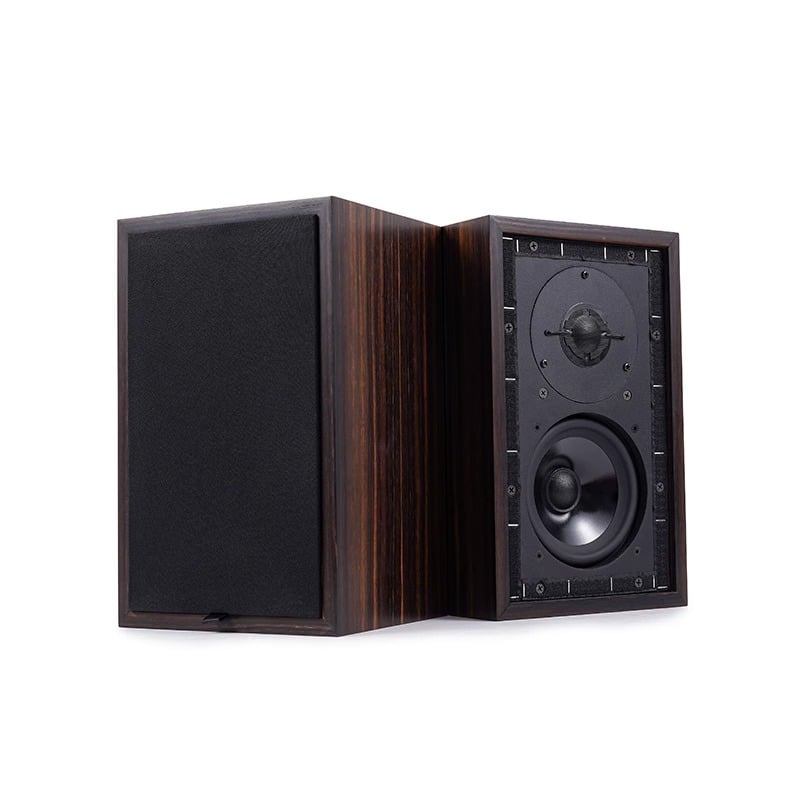
Selecting the right bookshelf speakers requires careful evaluation of multiple technical and practical factors. Buyers often focus on price or brand recognition alone, missing critical specifications that directly determine sound quality, compatibility with existing equipment, and long-term listening satisfaction. Understanding what to compare before ordering bookshelf speakers helps you make an informed investment that aligns with your audio system, room acoustics, and listening preferences.
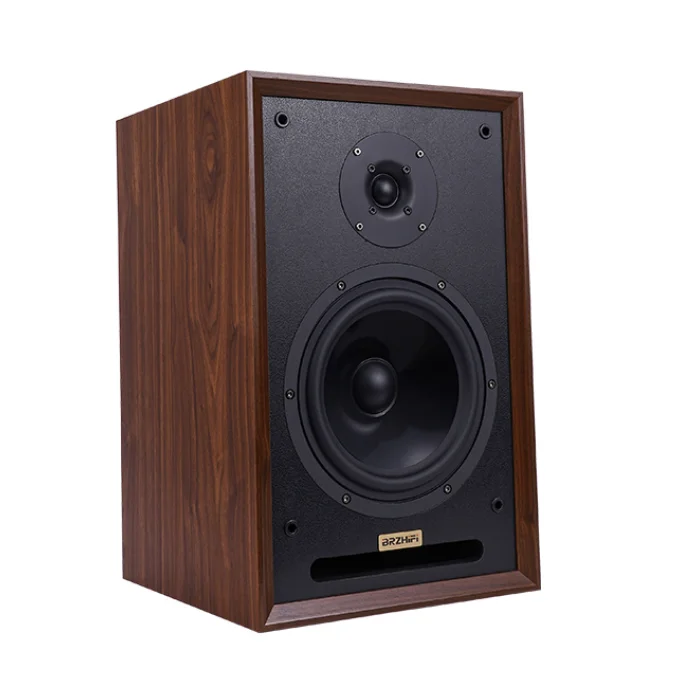
Whether you are upgrading an existing home audio setup or building a new music system, bookshelf speakers represent a significant portion of your overall investment. The decision to order bookshelf speakers should be preceded by a systematic comparison of key performance specifications, physical dimensions, driver configurations, and connectivity options. This guide walks you through the essential comparison factors that separate quality bookshelf speakers from mediocre alternatives.
Driver Size and Configuration Matters for Sound Performance
Understanding Driver Diameter and Its Audio Impact
The woofer size in bookshelf speakers is one of the most visible specifications, yet many buyers misunderstand its significance. Common bookshelf speakers feature woofer sizes ranging from 4 inches to 8 inches, with each size offering distinct acoustic characteristics. Larger drivers in bookshelf speakers move more air, delivering deeper bass extension and greater overall volume capability without distortion. When comparing bookshelf speakers, a 6-inch or 8-inch woofer generally provides more authoritative low-frequency response than smaller 4-inch or 5-inch alternatives.
However, driver size alone does not guarantee superior performance in bookshelf speakers. The material composition, suspension design, and enclosure volume all interact with driver diameter to determine the actual frequency response of bookshelf speakers. High-quality bookshelf speakers often employ composite or polypropylene woofers that resist resonance and maintain cone rigidity across wide frequency ranges. Comparing bookshelf speakers requires examining both the stated driver size and the material specifications provided by the manufacturer.
Tweeter Type and Crossover Effectiveness
The tweeter is equally important when comparing bookshelf speakers for overall audio clarity and detail reproduction. Quality bookshelf speakers typically employ either 1-inch soft dome tweeters or silk dome designs that handle midrange and high-frequency content with minimal distortion. Before ordering bookshelf speakers, verify that the tweeter material matches your listening preferences—silk tweeters in bookshelf speakers often provide warmer high frequencies, while harder materials deliver more clinical precision.
The crossover point where sound transitions from woofer to tweeter significantly influences how well bookshelf speakers integrate drivers into a cohesive soundstage. Better bookshelf speakers feature higher-order crossovers that ensure smooth handoff between drivers. When evaluating bookshelf speakers before purchase, ask for the crossover frequency specification, typically ranging from 1.5 kHz to 3 kHz in quality designs. This specification helps you understand whether bookshelf speakers will reproduce vocals and instruments naturally or with audible discontinuities.
Impedance and Frequency Response Define System Compatibility
Impedance Rating and Amplifier Pairing
Impedance is a critical specification often overlooked when comparing bookshelf speakers for purchase. Most bookshelf speakers are rated at either 4 ohms or 8 ohms, which directly determines how much power your amplifier must deliver. Passive bookshelf speakers with 4-ohm impedance require more current from an amplifier, potentially limiting options if you use low-power vintage equipment or compact integrated amplifiers. Comparing bookshelf speakers on impedance alone can prevent costly incompatibility issues before you place an order.
Before ordering bookshelf speakers, confirm that your amplifier or receiver specifications match the impedance rating. A mismatch between bookshelf speakers impedance and amplifier output can result in thermal stress on the amplifier, reduced maximum volume, or damaged speaker components. If you are building a new system and comparing bookshelf speakers, the impedance specification should guide your amplifier selection. Many audiophiles prefer bookshelf speakers rated at 8 ohms for compatibility flexibility with a wider range of amplification options.
Frequency Response and Usable Bass Range
Frequency response specification tells you the audible range that bookshelf speakers can reproduce, typically expressed as a range like '50 Hz to 20 kHz.' When comparing bookshelf speakers, this specification directly impacts whether you will need a separate subwoofer for your music or home theater system. Bookshelf speakers with frequency response extending to 45 Hz or lower can deliver satisfying bass in medium-sized rooms without subwoofer augmentation. Comparing bookshelf speakers with rated low-frequency limits above 80 Hz suggests that a subwoofer becomes essential for full-range music reproduction.
The measurement conditions for frequency response vary between manufacturers, so comparing bookshelf speakers based on specs alone requires understanding how each company measures this parameter. Some bookshelf speakers specifications indicate frequency response at a specific power level or sound pressure level, while others lack this detail. To make an accurate comparison of bookshelf speakers, request the measurement standard used or, when possible, audition the speakers to verify subjective bass performance in your listening room.
Enclosure Design and Connectivity Affect Practical Installation
Cabinet Construction and Acoustic Tuning
The physical design of bookshelf speakers enclosures influences both aesthetics and acoustic performance in ways that comparison shopping often ignores. Sealed versus ported enclosure designs in bookshelf speakers create fundamentally different bass responses—sealed bookshelf speakers deliver tighter, more controlled bass, while ported designs extend bass reach at the cost of looser transient response. Comparing bookshelf speakers requires understanding your room size and musical preferences to choose the appropriate enclosure type for your needs.
Cabinet bracing and internal acoustic treatment significantly affect the quality of bookshelf speakers regardless of driver specifications. Premium bookshelf speakers employ rigidly braced enclosures with internal damping materials that reduce standing waves and cabinet resonances. When comparing bookshelf speakers in your price range, ask about internal construction or examine product images carefully to verify that bookshelf speakers feature adequate internal reinforcement. Heavy, well-constructed bookshelf speakers usually indicate superior internal bracing compared to lighter models.
Input Connectors and Amplifier Integration
Connectivity options for bookshelf speakers determine how easily they integrate into your audio system configuration. Most passive bookshelf speakers feature dual 5-way binding posts or banana plug connectors that accept bare wire, spade lugs, or banana connectors. Before ordering bookshelf speakers, verify that the terminal type matches your amplifier outputs and existing cables, avoiding unnecessary adapter requirements. Some bookshelf speakers include terminal configurations that accommodate biamplification, allowing you to connect separate amplifier channels to woofer and tweeter independently.
Comparing bookshelf speakers on terminal quality helps predict long-term reliability and ease of future upgrades. High-quality binding posts on bookshelf speakers resist corrosion and provide secure connections that minimize connection-related noise or signal loss. When evaluating bookshelf speakers before purchase, examine close-up images of the terminal section to assess build quality. Cheap, plastic-bodied terminals on bookshelf speakers often indicate cost-cutting that extends to internal components, suggesting that bookshelf speakers will underperform relative to their price point.
FAQ
What is the most important specification when comparing bookshelf speakers?
When comparing bookshelf speakers, the most important consideration is matching the speakers' impedance and sensitivity to your amplifier's capabilities and your room's acoustic characteristics. While driver size and frequency response capture attention, the impedance-to-amplifier pairing determines whether your system will function optimally or encounter compatibility issues. Additionally, comparing bookshelf speakers requires understanding how they will integrate into your existing equipment rather than evaluating them in isolation.
Should I always choose bookshelf speakers with the largest drivers?
Larger drivers in bookshelf speakers do not automatically guarantee superior sound quality or better performance. Instead, comparing bookshelf speakers should focus on how driver size, enclosure design, and amplifier power combine to deliver appropriate volume and bass extension for your room size and listening distance. Smaller bookshelf speakers with superior drivers and enclosure design often outperform mediocre larger models. The optimal choice when comparing bookshelf speakers depends on your specific room, amplifier, and music preferences rather than driver diameter alone.
Do I need a subwoofer if I buy bookshelf speakers?
Whether you need a subwoofer depends on the frequency response of your chosen bookshelf speakers and the bass requirements of your music collection. Bookshelf speakers extending to 45 Hz or lower can deliver satisfying bass for most listeners without subwoofer assistance, particularly in medium-sized rooms. Comparing bookshelf speakers with limited low-frequency response below 80 Hz makes subwoofer augmentation advisable for full-range music reproduction. Test your bookshelf speakers in your listening environment before deciding whether subwoofer addition is necessary.