
 EN
EN
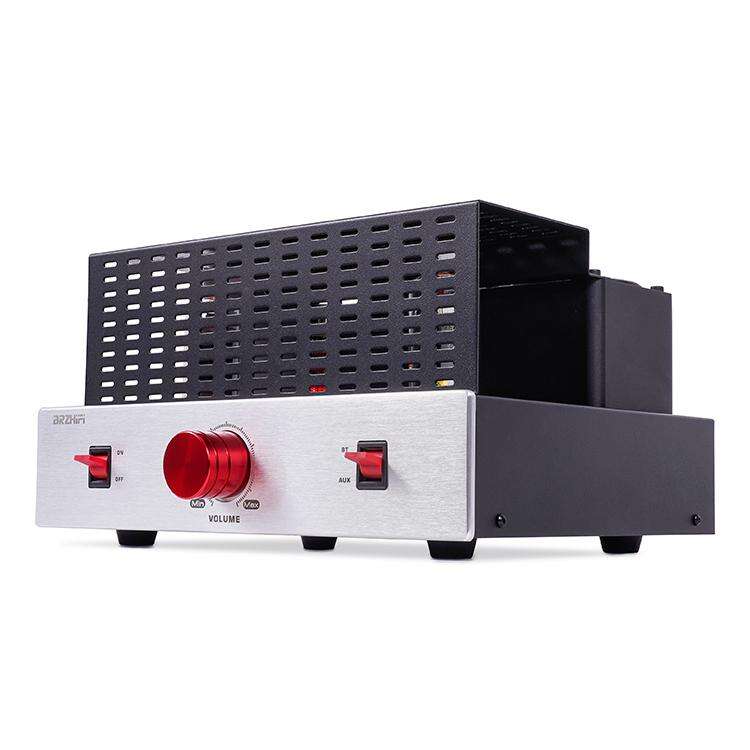
The growing demand for high-quality audio equipment has created significant opportunities for retailers looking to expand their product offerings. Vacuum tube amplifiers represent a premium segment of the audio market, attracting audiophiles and music enthusiasts who appreciate the warm, natural sound characteristics that these devices provide. Understanding the market dynamics and sourcing strategies for tube amplifiers for sale can help retailers capitalize on this lucrative niche while building relationships with discerning customers who value superior audio reproduction.

The tube amplifier market has experienced remarkable growth in recent years, driven by renewed interest in analog audio technologies and the unique sonic characteristics that vacuum tubes provide. Retailers entering this market need to understand that customers seeking tube amplifiers for sale often prioritize sound quality over convenience features, making product selection and supplier relationships critical to success. This market segment typically commands higher margins compared to solid-state alternatives, making it attractive for retailers willing to invest in specialized knowledge and customer education.
Understanding the Tube Amplifier Market Landscape
Market Demographics and Customer Profiles
The target audience for tube amplifiers for sale consists primarily of serious audiophiles, professional musicians, and high-end audio enthusiasts who appreciate the distinctive sound characteristics of vacuum tube technology. These customers typically have higher disposable incomes and are willing to invest in premium audio equipment that delivers exceptional performance. Understanding this demographic helps retailers position their inventory and marketing strategies effectively, focusing on quality, craftsmanship, and sonic performance rather than mass-market appeal.
Professional audio applications also represent a significant segment of the market, with recording studios, live sound engineers, and broadcast facilities seeking reliable tube amplifiers for sale that can deliver the warm, musical distortion and dynamic response that tubes are known for. These professional customers often purchase multiple units and require ongoing support, making them valuable long-term clients for specialized audio retailers.
Industry Trends and Growth Patterns
The resurgence of vinyl records and analog audio formats has contributed significantly to increased demand for tube amplifiers for sale, as consumers seek to recreate authentic listening experiences that complement their analog sources. This trend has been particularly strong among younger demographics who are discovering analog audio for the first time, creating opportunities for retailers to educate new customers about the benefits of vacuum tube technology.
Technological advances in tube amplifier design have also expanded market appeal, with modern manufacturers incorporating contemporary features like remote control, multiple inputs, and improved reliability while maintaining the classic tube sound. These innovations make tube amplifiers for sale more accessible to mainstream consumers who want premium audio quality without sacrificing convenience, broadening the potential customer base for retailers.
Identifying Reliable Manufacturers and Suppliers
Evaluating Manufacturer Credentials and Quality Standards
Successful retailers must carefully evaluate potential suppliers of tube amplifiers for sale, focusing on manufacturers with proven track records of quality control, consistent production standards, and reliable delivery schedules. Established manufacturers typically offer better warranty support, technical documentation, and customer service resources that retailers can leverage to support their own customers effectively.
Quality certifications and compliance with international safety standards are essential considerations when selecting suppliers, as these factors directly impact product reliability and customer satisfaction. Retailers should prioritize manufacturers who provide comprehensive testing documentation and quality assurance processes that ensure consistent performance across their tube amplifier product lines.
Building Strategic Supplier Relationships
Developing strong relationships with tube amplifier manufacturers enables retailers to access better pricing, exclusive products, and priority allocation during high-demand periods. Regular communication with suppliers helps retailers stay informed about new product releases, technical updates, and market trends that can influence their inventory decisions and marketing strategies.
Many manufacturers offer dealer support programs that include training resources, marketing materials, and technical support to help retailers effectively promote and sell tube amplifiers for sale. These partnerships can provide significant competitive advantages, especially when retailers are establishing themselves in the high-end audio market and need access to expert knowledge and industry connections.
Inventory Management and Product Selection
Curating the Right Product Mix
Successful retailers understand that tube amplifiers for sale must be carefully selected to match their target customer base and market positioning. Entry-level models serve as gateway products for newcomers to tube audio, while high-end offerings attract serious audiophiles willing to invest in premium equipment. Maintaining a balanced inventory across different price points ensures retailers can serve diverse customer needs while maximizing revenue opportunities.
Product differentiation becomes crucial when multiple retailers in the same market carry tube amplifiers for sale, making unique offerings and exclusive relationships with manufacturers valuable competitive advantages. Retailers should focus on products that offer distinctive features, exceptional build quality, or unique sonic characteristics that set them apart from commonly available alternatives.
Managing Inventory Turnover and Cash Flow
The specialized nature of tube amplifiers for sale requires careful inventory management to balance customer demand with cash flow considerations. These products typically have longer sales cycles compared to mass-market electronics, requiring retailers to maintain adequate stock levels while avoiding excessive inventory investments that tie up working capital unnecessarily.
Seasonal demand patterns and industry events like audio shows and product launches can significantly impact sales velocity for tube amplifiers for sale, making demand forecasting and inventory planning essential skills for retailers. Understanding these patterns helps optimize purchasing decisions and ensures adequate stock availability during peak demand periods.
Marketing and Customer Education Strategies
Educational Content and Technical Support
Customers interested in tube amplifiers for sale often require extensive education about product features, technical specifications, and application benefits before making purchasing decisions. Retailers who invest in comprehensive product knowledge and can effectively communicate the advantages of vacuum tube technology build stronger customer relationships and achieve higher conversion rates.
Providing ongoing technical support and maintenance guidance helps customers maximize their satisfaction with tube amplifiers for sale while building long-term loyalty and referral opportunities. This support includes tube replacement guidance, system integration advice, and troubleshooting assistance that demonstrates the retailer's commitment to customer success beyond the initial sale.
Digital Marketing and Online Presence
Modern retailers must maintain strong online presence to reach customers searching for tube amplifiers for sale, utilizing search engine optimization, social media marketing, and content creation to attract qualified prospects. High-quality product photography, detailed specifications, and customer reviews help online shoppers make informed decisions about premium audio equipment purchases.
Video demonstrations and listening comparisons provide powerful marketing tools for tube amplifiers for sale, allowing potential customers to experience the sonic characteristics that differentiate these products from solid-state alternatives. Creating and sharing this content across multiple digital channels expands market reach and establishes retailer expertise in the specialized audio market.
Pricing Strategies and Profit Optimization
Understanding Market Positioning and Value Perception
Pricing strategies for tube amplifiers for sale must reflect the premium positioning and value proposition that these products represent in the audio market. Customers seeking vacuum tube technology typically prioritize performance and quality over price, creating opportunities for retailers to maintain healthy margins while providing exceptional value through expert service and support.
Competitive analysis and market research help retailers establish appropriate pricing levels for tube amplifiers for sale that attract customers while generating sustainable profits. Understanding the total cost of ownership, including maintenance and tube replacement costs, enables retailers to position their products effectively against alternative technologies and competing retailers.
Margin Management and Profitability Analysis
The specialized nature of tube amplifiers for sale often allows retailers to achieve higher gross margins compared to mass-market electronics, but these benefits must be balanced against lower inventory turnover and higher carrying costs. Careful financial analysis helps retailers optimize their product mix and pricing strategies to maximize overall profitability while maintaining competitive market positions.
Value-added services such as setup, calibration, and extended warranties can enhance profitability for tube amplifiers for sale while providing additional benefits that justify premium pricing. These services also create ongoing customer relationships that generate repeat business and referral opportunities in the specialized audio market.
FAQ
What are the key factors to consider when selecting tube amplifier suppliers?
When selecting suppliers for tube amplifiers for sale, retailers should prioritize manufacturers with proven quality control systems, reliable delivery schedules, and comprehensive warranty support. Evaluate technical documentation, safety certifications, and customer service capabilities to ensure suppliers can support both retailer and end-customer needs effectively. Strong supplier relationships also provide access to exclusive products, better pricing, and technical training resources that enhance competitive positioning.
How should retailers price tube amplifiers to maximize profitability?
Pricing strategies for tube amplifiers for sale should reflect the premium positioning and specialized nature of these products while remaining competitive within the market segment. Research competitor pricing, understand customer value perception, and consider the total cost of ownership including maintenance requirements. Focus on value-added services and expert consultation to justify premium pricing while building customer loyalty and repeat business opportunities.
What inventory levels should retailers maintain for tube amplifiers?
Inventory management for tube amplifiers for sale requires balancing customer demand with cash flow considerations, as these specialized products typically have longer sales cycles than mass-market electronics. Maintain diverse product ranges across different price points while avoiding excessive stock levels that tie up working capital. Monitor seasonal demand patterns and industry events that influence sales velocity to optimize purchasing decisions and stock availability.
How can retailers effectively market tube amplifiers to potential customers?
Marketing tube amplifiers for sale requires extensive customer education about vacuum tube technology benefits, sound quality characteristics, and application advantages. Invest in product knowledge, create educational content, and provide demonstration opportunities that showcase sonic differences compared to solid-state alternatives. Utilize digital marketing, social media, and video content to reach audiophile communities while building expertise-based brand positioning in the specialized audio market.