
 EN
EN
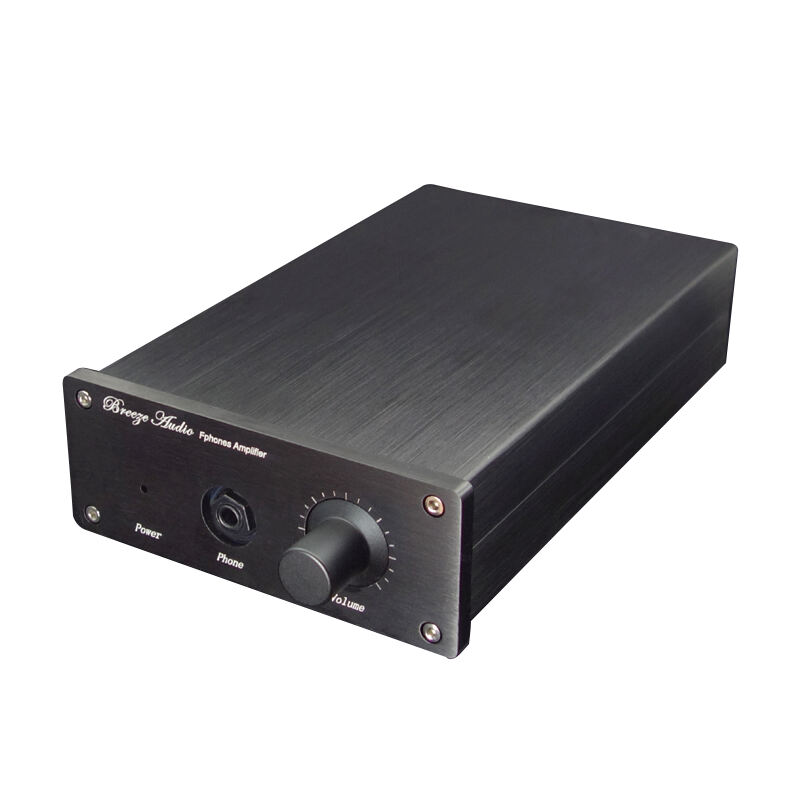
Selecting the perfect audio system for your living space requires careful consideration of multiple factors, with room dimensions being the most critical element in your decision-making process. The relationship between your space and your audio equipment directly impacts sound quality, clarity, and overall listening experience. Understanding how different speaker types perform in various room configurations will help you make an informed choice that delivers exceptional audio performance. Whether you're setting up a dedicated listening room or integrating audio into your existing living space, matching your equipment to your room's acoustic characteristics is essential for achieving optimal sound reproduction.
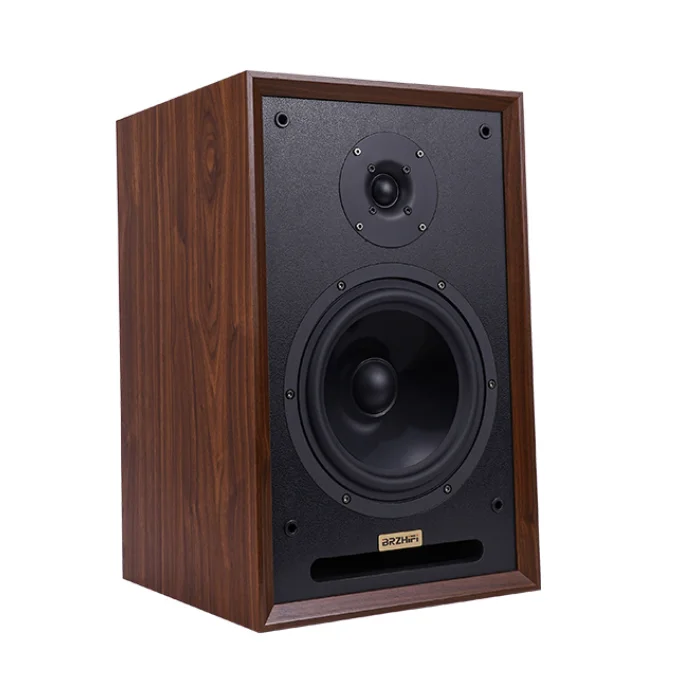
Understanding Room Acoustics and Speaker Placement
How Room Dimensions Affect Sound Quality
Room dimensions play a fundamental role in determining how sound waves behave within your space. Smaller rooms typically require different acoustic considerations compared to larger spaces, as sound reflections, standing waves, and resonances vary significantly based on ceiling height, wall spacing, and overall volume. The interaction between direct sound from your speakers and reflected sound from surfaces creates the acoustic signature of your listening environment.
In compact spaces measuring less than 150 square feet, bookshelf speakers often provide the ideal balance of performance and practicality. These systems deliver impressive sound quality without overwhelming the acoustic space or requiring extensive room treatment. The controlled dispersion patterns of quality bookshelf speakers help minimize unwanted reflections while maintaining clear midrange and treble reproduction.
Acoustic Treatment Considerations for Different Room Sizes
Every listening environment benefits from some degree of acoustic treatment, regardless of the speaker type you choose. Hard surfaces like glass, concrete, and bare walls create strong reflections that can interfere with direct sound from your speakers. Soft furnishings, carpets, curtains, and strategically placed acoustic panels help control these reflections and improve overall sound quality.
The amount and type of treatment needed varies considerably based on room size and construction materials. Smaller rooms may require minimal treatment when using appropriately sized speakers, while larger spaces often need more comprehensive acoustic management. Understanding your room's acoustic behavior helps you select speakers that work harmoniously with your environment rather than fighting against it.
Speaker Types and Room Size Compatibility
Bookshelf Speakers for Small to Medium Rooms
For rooms ranging from small apartments to medium-sized living spaces, bookshelf speakers represent an excellent choice that combines performance, versatility, and space efficiency. These compact systems typically feature driver configurations optimized for near-field and mid-field listening, making them ideal for spaces where listeners are positioned relatively close to the speakers. The controlled directivity of quality bookshelf speakers helps minimize room interaction issues common in smaller spaces.
Modern bookshelf speakers incorporate advanced driver technologies and sophisticated crossover designs that deliver surprisingly full-range sound despite their compact footprint. Many models feature carefully tuned port designs or sealed enclosures that provide controlled bass response without the boom or muddiness that can plague smaller rooms. This makes bookshelf speakers an ideal solution for achieving high-quality audio in space-constrained environments.
Floor-Standing Speakers for Larger Spaces
Larger rooms exceeding 300 square feet often benefit from the increased output capabilities and extended low-frequency response of floor-standing speakers. These systems typically incorporate multiple drivers and larger enclosures that can move more air and generate higher sound pressure levels necessary for filling larger volumes. The additional cabinet volume allows for more extended bass response without requiring separate subwoofers.
However, floor-standing speakers require careful consideration of placement and room acoustics to perform optimally. Their increased output and broader dispersion patterns can create challenges in rooms with poor acoustic treatment or unsuitable dimensions. The key is ensuring your room can accommodate the acoustic energy these speakers produce without creating overwhelming reflections or standing wave problems.
Power Requirements and Amplification Matching
Understanding Speaker Sensitivity and Power Handling
Speaker sensitivity ratings indicate how efficiently a speaker converts amplifier power into acoustic output, measured in decibels at one meter with one watt of input power. Higher sensitivity speakers require less amplifier power to achieve the same volume levels as lower sensitivity models. This relationship becomes particularly important when matching speakers to room size, as larger rooms typically require higher output levels to maintain consistent sound pressure throughout the listening area.
Most bookshelf speakers feature sensitivity ratings between 84-90 dB, which provides adequate efficiency for typical listening levels in small to medium rooms. When paired with appropriate amplification, these speakers can deliver satisfying performance without requiring excessive power or generating unwanted distortion. Understanding these specifications helps ensure your chosen speakers will perform optimally within your specific room environment.
Amplifier Selection for Different Room Configurations
The amplifier you choose must provide adequate power reserves to drive your speakers cleanly at your desired listening levels. Smaller rooms typically require less power due to shorter listening distances and reduced volume requirements, while larger spaces demand more powerful amplification to maintain consistent sound quality across the entire listening area. The relationship between speaker efficiency, room size, and amplifier power determines the overall system capability.
Quality bookshelf speakers often perform exceptionally well with moderately powered amplifiers, typically requiring 20-100 watts per channel depending on sensitivity and listening preferences. This power range covers most residential applications and provides excellent performance in rooms up to medium size. Higher power amplifiers may be beneficial in larger rooms or when seeking maximum dynamic range and headroom.
Placement Strategies for Optimal Performance
Distance and Positioning Guidelines
Proper speaker placement is crucial for achieving optimal sound quality regardless of your room size or speaker type. The listening triangle formed by your two speakers and your primary listening position should be approximately equilateral, with speakers angled slightly toward the listening position. This arrangement ensures proper stereo imaging and balanced frequency response across the listening area.
In smaller rooms, bookshelf speakers can be positioned closer to the listener while maintaining excellent sound quality. The typical placement distance ranges from 6-12 feet from the listening position, depending on speaker design and room characteristics. This flexibility makes bookshelf speakers particularly suitable for intimate listening environments where space constraints limit placement options.
Wall Proximity and Boundary Effects
The distance between your speakers and surrounding walls significantly affects bass response and overall tonal balance. Speakers placed close to walls experience boundary gain, which can boost low-frequency output but may also create unwanted peaks or nulls in the frequency response. Understanding these effects helps you position your speakers for optimal performance within your specific room configuration.
Many bookshelf speakers are designed with boundary effects in mind, featuring port designs and driver configurations that work well when placed near walls or on shelves. Some models include foam plugs or adjustment controls that allow you to optimize performance based on placement requirements. This adaptability makes bookshelf speakers versatile solutions for various room configurations and placement constraints.
Budget Considerations and Value Optimization
Cost-Effective Solutions for Different Room Sizes
Your budget allocation should reflect both your room requirements and performance expectations. Smaller rooms often allow you to achieve excellent results with more modest investments, as the reduced acoustic challenges and closer listening distances make speaker limitations less apparent. This economic advantage makes bookshelf speakers particularly attractive for budget-conscious listeners who refuse to compromise on sound quality.
The relationship between price and performance varies significantly across different speaker categories and price points. Quality bookshelf speakers often deliver exceptional value by incorporating technologies and design elements from higher-end models in more affordable packages. This approach allows manufacturers to offer impressive performance levels that compete with much more expensive alternatives.
Long-term Investment Strategies
When selecting speakers for your room, consider both your current needs and potential future requirements. A well-chosen set of bookshelf speakers can serve you effectively across multiple living situations and room configurations. Their versatility and compact form factor make them excellent long-term investments that adapt to changing circumstances without requiring complete system replacement.
Quality speakers represent long-term investments that should provide years of reliable performance and listening enjoyment. The initial cost difference between various options often becomes negligible when considered over the expected lifespan of the equipment. Investing in well-designed bookshelf speakers ensures consistent performance and satisfaction throughout their operational lifetime.
Integration with Existing Audio Systems
Compatibility with Source Components
Your chosen speakers must integrate seamlessly with your existing audio components, including source devices, amplifiers, and signal processing equipment. The impedance matching between speakers and amplifiers affects both performance and reliability, making this compatibility check essential during the selection process. Most bookshelf speakers feature standard impedance ratings that work well with conventional amplifiers and receivers.
Modern audio systems often incorporate various digital sources, streaming devices, and traditional analog components. Quality bookshelf speakers reproduce these different source types accurately, revealing the characteristics and quality of your upstream components. This transparency makes speaker selection crucial for maximizing the performance potential of your entire audio system.
Expandability and Future Upgrades
Consider how your chosen speakers will accommodate future system expansion or component upgrades. Many bookshelf speakers work excellently as front channels in multichannel systems or as part of larger distributed audio installations. Their consistent tonal characteristics and performance capabilities make them suitable building blocks for more complex audio systems as your needs evolve.
The modular nature of audio systems allows you to upgrade components incrementally rather than replacing everything simultaneously. Starting with quality bookshelf speakers provides a solid foundation that can accommodate various amplifier upgrades, source improvements, and room acoustic treatments over time. This flexibility preserves your initial investment while enabling continuous system refinement.
FAQ
What size speakers work best in small apartments or bedrooms
Small apartments and bedrooms typically benefit most from bookshelf speakers with 4-8 inch woofers, as these provide excellent sound quality without overwhelming the acoustic space. These compact systems deliver impressive performance in rooms under 200 square feet while maintaining proper bass balance and avoiding excessive volume levels that might disturb neighbors. The controlled dispersion patterns of quality bookshelf speakers work particularly well in intimate listening environments where reflection control is important.
How do I determine if my room is too small for floor-standing speakers
Rooms smaller than 200 square feet or with dimensions less than 12 feet in any direction typically work better with bookshelf speakers rather than floor-standing models. Floor-standing speakers can overwhelm smaller spaces with excessive bass output and may create standing wave problems that muddy the sound. If your listening position is less than 8 feet from the speakers, bookshelf speakers usually provide better imaging and tonal balance than larger floor-standing alternatives.
Can bookshelf speakers provide enough bass for larger rooms
Quality bookshelf speakers can provide satisfying bass performance in rooms up to 300 square feet, especially when properly positioned and paired with appropriate amplification. Many modern bookshelf speakers incorporate advanced port designs and driver technologies that extend low-frequency response considerably. For larger rooms requiring more substantial bass output, adding a subwoofer to your bookshelf speakers often provides better results than switching to floor-standing speakers alone.
What placement distance works best for bookshelf speakers in different room sizes
The optimal placement distance for bookshelf speakers ranges from 6-12 feet from the primary listening position, depending on room size and speaker design. In smaller rooms under 150 square feet, 6-8 feet typically works well, while medium-sized rooms up to 250 square feet can accommodate 8-12 foot distances effectively. The key is maintaining proper stereo imaging while ensuring adequate volume levels without strain or distortion from your amplification system.