
 EN
EN
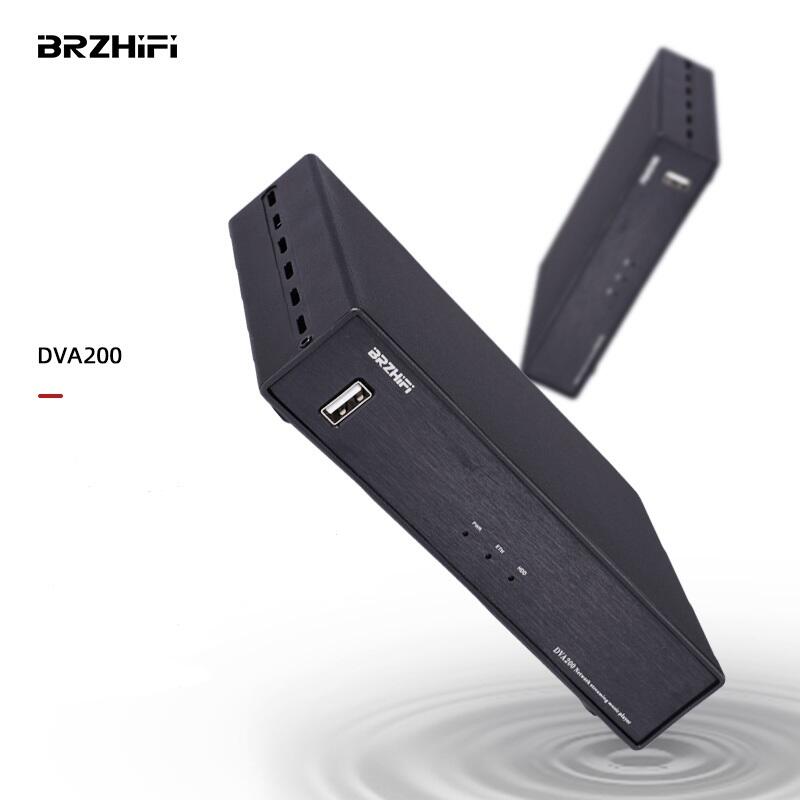
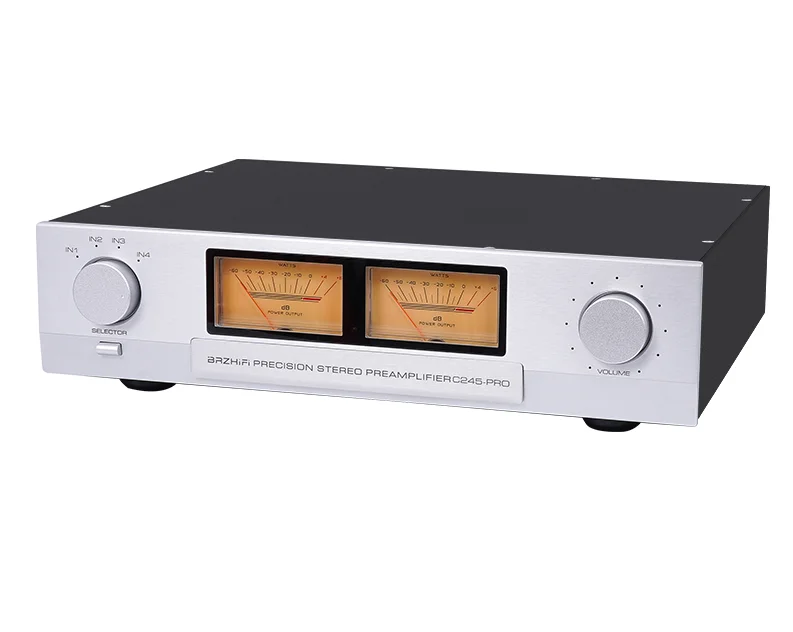
The role of a preamplifier in audio systems extends far beyond simple volume control, fundamentally shaping the sonic characteristics and overall performance of high-fidelity setups. Modern audio enthusiasts and professionals recognize that the preamp serves as the critical control center, managing signal routing, gain staging, and impedance matching between source components and power amplifiers. Understanding how a quality preamp factory designs these components reveals the intricate engineering required to preserve signal integrity while providing essential system functionality. The selection of a preamplifier directly impacts dynamics, frequency response, noise floor, and the overall listening experience across various audio applications.
Signal Processing and Gain Management
Input Signal Conditioning
Professional preamplifiers perform crucial signal conditioning functions that directly affect system performance through precise gain staging and impedance matching. The input stages must accommodate varying signal levels from different source components while maintaining optimal signal-to-noise ratios throughout the audio chain. Advanced preamp factory designs incorporate multiple gain stages with carefully selected operational amplifiers or discrete transistor circuits to ensure linear amplification across the entire frequency spectrum. These input conditioning circuits prevent overload distortion while providing sufficient headroom for dynamic musical passages.
The impedance matching capabilities of quality preamplifiers ensure optimal power transfer between source components and subsequent amplification stages. High input impedance designs minimize loading effects on source components, preserving the original signal characteristics and preventing frequency response aberrations. Modern preamp factory engineering focuses on creating input stages that present consistent impedance across different frequencies, maintaining phase relationships and preventing signal degradation that could compromise overall system performance.
Gain Structure Optimization
Proper gain structure within preamplifier circuits determines the overall dynamic range and noise performance of audio systems through careful management of signal levels at each processing stage. Professional preamp factory designs utilize multiple gain stages with distributed amplification to maintain optimal signal levels while minimizing noise accumulation throughout the signal path. The gain distribution strategy affects both the maximum output capability and the minimum discernible signal level, directly influencing the system's ability to reproduce quiet musical details.
Variable gain controls in modern preamplifiers provide precise level matching between different source components while maintaining consistent frequency response characteristics. The implementation of logarithmic volume controls ensures smooth level transitions that feel natural to users while providing accurate channel matching across the entire adjustment range. Advanced preamp factory implementations incorporate stepped attenuators or precision potentiometers that maintain channel balance and minimize tracking errors that could affect stereo imaging performance.
Frequency Response and Tonal Characteristics
Bandwidth Performance
The frequency response characteristics of preamplifiers significantly influence the tonal balance and overall sonic presentation of audio systems through careful circuit design and component selection. Wide bandwidth designs ensure accurate reproduction of both low-frequency fundamentals and high-frequency harmonics that contribute to natural instrument timbres and spatial information. Professional preamp factory engineering focuses on extending usable bandwidth well beyond the audible range to prevent phase shifts and group delay variations that could affect time-domain performance within the audio spectrum.
Low-frequency extension in preamplifier designs affects bass response and overall system dynamics through proper coupling capacitor selection and power supply filtering implementation. The high-pass characteristics determined by input coupling networks must balance subsonic filtering with preservation of fundamental bass frequencies to maintain natural low-end reproduction. Modern preamp factory designs utilize film capacitors and careful grounding schemes to minimize low-frequency phase shift while providing adequate protection against DC offset and subsonic interference.
Harmonic Distortion Control
Total harmonic distortion characteristics in preamplifiers directly affect the perceived naturalness and musical accuracy of reproduced audio through the introduction or suppression of harmonic artifacts. Low distortion preamp factory designs utilize negative feedback circuits, matched components, and symmetrical circuit topologies to minimize nonlinear distortion across all operating levels and frequencies. The harmonic structure of any residual distortion affects the subjective character of the audio reproduction, with even-order harmonics generally considered more musically pleasing than odd-order distortion products.
Intermodulation distortion performance in quality preamplifiers prevents the creation of spurious frequency components that could mask musical details or create audible artifacts during complex musical passages. Advanced preamp factory engineering incorporates high slew rate amplifiers and wide bandwidth designs to minimize intermodulation effects that typically occur when multiple frequency components interact within nonlinear circuit elements. The prevention of intermodulation distortion requires careful attention to power supply regulation and thermal management to maintain consistent circuit parameters under varying signal conditions.
System Integration and Connectivity
Input and Output Management
Modern preamplifiers serve as system integration hubs that manage multiple input sources while providing flexible output routing capabilities for complex audio installations. The input switching mechanisms must maintain signal integrity while providing seamless transitions between different source components without introducing switching transients or impedance variations. Professional preamp factory designs incorporate relay-based switching systems that provide long-term reliability while maintaining consistent contact resistance and minimal signal path contamination across all input selections.
Output stage design in quality preamplifiers determines the driving capability and compatibility with various power amplifier input characteristics through careful attention to output impedance and current delivery specifications. Low output impedance designs ensure consistent frequency response when driving long interconnect cables or multiple amplifier inputs simultaneously. Advanced preamp factory engineering provides multiple output configurations including balanced and unbalanced connections to accommodate different system requirements while maintaining optimal signal quality throughout the audio chain.
Control Interface Integration
The control interface design of modern preamplifiers affects system usability and integration with home automation systems through remote control capabilities and digital communication protocols. Microprocessor-controlled preamp factory designs provide consistent operational characteristics while enabling advanced features such as input naming, level trimming, and automated source switching based on signal detection. The integration of digital control systems allows for precise volume adjustment and system configuration while maintaining analog signal path purity for optimal audio performance.
Memory functions in advanced preamplifiers enable customized system configurations that optimize performance for different listening environments and user preferences through stored settings for each input source. The ability to recall specific gain settings, tone control adjustments, and routing configurations enhances system flexibility while ensuring repeatable performance characteristics. Modern preamp factory implementations incorporate non-volatile memory systems that retain user settings through power cycles while providing easy access to factory default configurations when needed.
Power Supply Impact on Performance
Regulation and Filtering
The power supply design within preamplifiers fundamentally affects noise performance, dynamic range, and overall system stability through regulation accuracy and filtering effectiveness. High-quality preamp factory designs utilize multiple regulation stages with low-dropout regulators and extensive filtering networks to minimize power supply noise and interference that could compromise signal quality. The implementation of separate regulated supplies for different circuit sections prevents crosstalk and ensures optimal performance isolation between input stages, volume controls, and output drivers.
Reservoir capacitance and energy storage capacity in preamplifier power supplies directly influence dynamic response and transient performance through adequate current delivery during peak signal demands. Although preamplifiers typically consume less power than amplifiers, instantaneous current demands during signal peaks require sufficient energy storage to maintain regulation accuracy. Professional preamp factory engineering incorporates oversized filter capacitors and fast-recovery rectification circuits to ensure consistent voltage regulation during dynamic musical passages that could otherwise cause supply modulation effects.
Ground System Design
Proper grounding implementation in preamplifier circuits prevents ground loops and minimizes noise pickup that could degrade system performance through careful attention to current paths and shield connections. Star grounding configurations commonly employed by quality preamp factory designs establish a single reference point for all circuit grounds while preventing circulating currents that could induce noise or hum into sensitive signal paths. The separation of analog and digital grounds in hybrid designs prevents digital switching noise from contaminating analog signal processing circuits.
Chassis grounding and shielding effectiveness in preamplifier construction determines immunity to external electromagnetic interference while preventing internal circuit radiation that could affect nearby components. The implementation of comprehensive shielding strategies including internal partitions and filtered connections ensures electromagnetic compatibility within complex audio systems. Advanced preamp factory designs utilize multiple shielding layers and careful component placement to minimize both susceptibility to external interference and emissions that could affect other system components.
FAQ
How does preamp quality affect the sound of expensive speakers
The quality of a preamplifier significantly impacts expensive speaker performance by determining signal purity, dynamic range, and frequency response accuracy that reaches the power amplifier and ultimately the speakers. High-end speakers are capable of revealing subtle differences in preamp factory engineering quality, including noise floor characteristics, harmonic distortion levels, and transient response capabilities. A superior preamplifier preserves the original recording's dynamic contrasts and tonal accuracy, allowing expensive speakers to demonstrate their full resolution and imaging capabilities without degradation from upstream signal processing limitations.
What specifications should I prioritize when selecting a preamplifier
Critical preamplifier specifications include total harmonic distortion below 0.01%, signal-to-noise ratio exceeding 100dB, and frequency response within ±0.5dB from 20Hz to 20kHz for optimal system performance. Input and output impedance specifications determine compatibility with source components and power amplifiers, while maximum output voltage capability affects dynamic range potential. Quality preamp factory designs also specify channel separation, typically exceeding 80dB, and crosstalk specifications that ensure proper stereo imaging and source isolation in multi-input configurations.
Can a preamplifier improve the sound quality of digital sources
A high-quality preamplifier can enhance digital source performance by providing superior analog gain stages, improved power supply isolation, and better impedance matching compared to built-in output stages found in many digital devices. The analog output circuits in digital sources often prioritize cost reduction over ultimate performance, while dedicated preamp factory designs focus on maximizing signal quality through premium components and optimized circuit topologies. Additionally, preamplifiers provide essential system integration functions including volume control, input switching, and output driving capabilities that improve overall system functionality and sound quality.
How do tube and solid-state preamplifiers differ in system impact
Tube and solid-state preamplifiers exhibit different harmonic distortion characteristics, with tube designs typically producing more even-order harmonics that many listeners find musically pleasing, while solid-state designs generally achieve lower measured distortion levels. The impedance characteristics also differ, as tube preamplifiers often present higher output impedance that may interact with cable capacitance and amplifier input characteristics differently than low-impedance solid-state designs. Modern preamp factory engineering in both technologies focuses on maximizing the benefits of each approach while minimizing traditional limitations through advanced circuit design and component selection strategies.