
 EN
EN
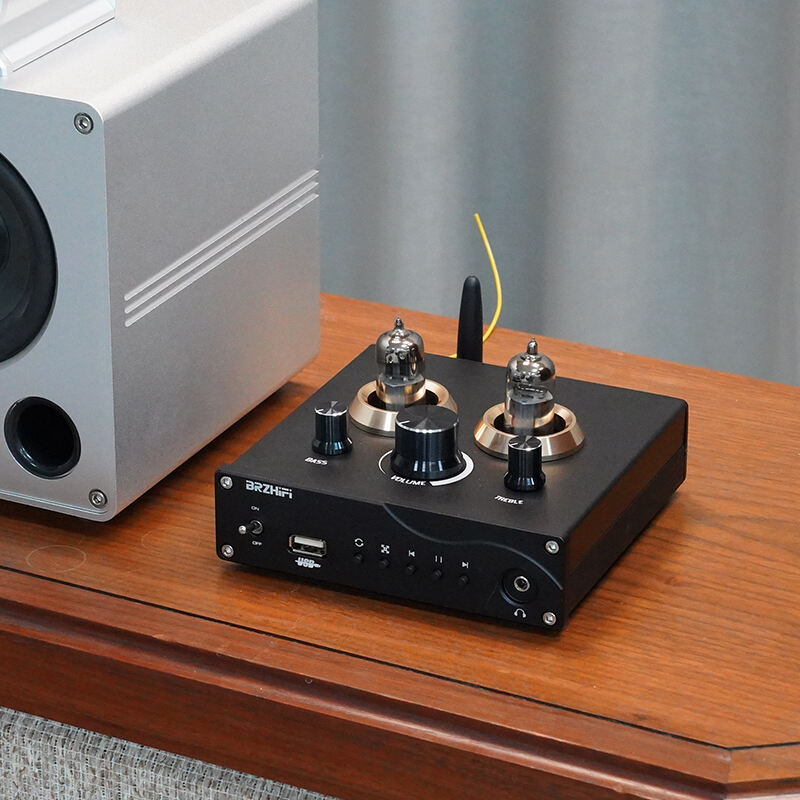
Audio enthusiasts often find themselves torn between budget constraints and sound quality when seeking the perfect preamp for sale. The question of whether affordable preamplifiers can deliver satisfactory performance for casual home listening has sparked considerable debate among music lovers. While high-end preamps command premium prices, budget-friendly options have evolved significantly, offering features and sound quality that would have been unimaginable at their price points just a few years ago. Understanding what makes a preamp suitable for home use involves examining factors beyond mere cost, including build quality, feature sets, and acoustic performance characteristics.
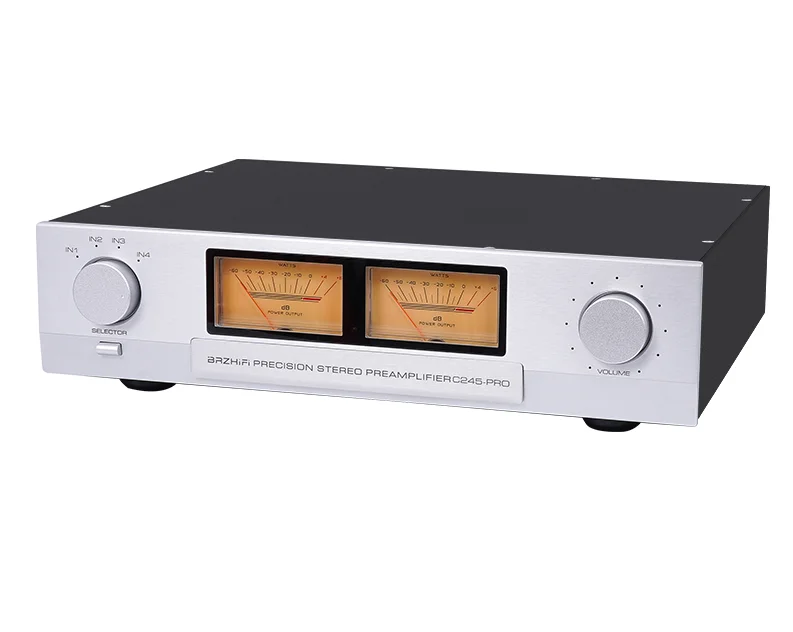
Understanding Preamp Fundamentals for Home Audio
Essential Functions of Audio Preamplifiers
A preamp for sale serves multiple critical functions in home audio systems, acting as the central control hub for various audio sources. The primary role involves amplifying weak input signals from sources like turntables, CD players, and streaming devices to line level, ensuring optimal signal strength for power amplifiers. Modern preamplifiers also provide source switching capabilities, allowing users to seamlessly transition between different audio inputs without compromising signal integrity. Volume control represents another fundamental function, enabling precise adjustment of output levels while maintaining signal quality across the entire dynamic range.
Signal processing and tone adjustment features have become standard in contemporary preamp designs, offering users flexibility in tailoring their listening experience. Many affordable units now include digital-to-analog conversion capabilities, accommodating modern streaming sources while maintaining compatibility with traditional analog equipment. The impedance matching function ensures proper electrical compatibility between different components, preventing signal degradation and maximizing system performance. Understanding these core functions helps consumers evaluate whether budget-oriented models can meet their specific home listening requirements.
Signal Quality Considerations
Signal-to-noise ratio represents a crucial specification when evaluating any preamp for sale, particularly in budget categories where compromises are often necessary. Higher-quality preamplifiers typically achieve signal-to-noise ratios exceeding 100dB, while budget models may operate in the 80-90dB range, which remains acceptable for most casual listening environments. Total harmonic distortion levels indicate how faithfully the preamp reproduces input signals, with lower percentages generally correlating with cleaner, more accurate sound reproduction. Frequency response characteristics determine how evenly the preamp handles different frequency ranges, affecting overall tonal balance and musical accuracy.
Dynamic range capabilities influence the preamp's ability to handle quiet passages and loud peaks without compression or distortion. Budget preamplifiers have made significant strides in this area, often providing sufficient dynamic range for residential listening environments where extreme volume levels are rarely required. Input sensitivity specifications affect compatibility with various source components, ensuring proper gain staging throughout the audio chain. These technical parameters collectively determine whether an affordable preamp can deliver satisfying performance for home audio applications.
Budget Preamp Performance Analysis
Sound Quality Assessment
Contemporary budget preamplifiers often surprise listeners with their acoustic performance, delivering sound quality that approaches more expensive alternatives in many respects. Tonal accuracy has improved substantially in recent years, with many affordable models providing neutral, uncolored sound reproduction that allows the source material's character to shine through. Soundstage presentation, while perhaps not matching high-end units' three-dimensional imaging capabilities, typically offers adequate width and depth for enjoyable home listening experiences. The midrange clarity, crucial for vocal reproduction and instrumental definition, often meets or exceeds expectations in well-designed budget preamps.
Bass extension and control represent areas where budget constraints may become apparent, though many listeners find the performance adequate for casual music enjoyment. High-frequency response in affordable preamps has generally improved, with modern designs avoiding the harshness or roll-off that characterized earlier budget models. Transparency and detail retrieval, while not matching reference-level components, often provide sufficient resolution for most home listening scenarios. The key lies in matching the preamp's capabilities with realistic expectations and usage patterns rather than expecting flagship performance at entry-level prices.
Feature Set Evaluation
Modern budget preamplifiers frequently include feature sets that were once exclusive to high-end models, making them attractive options for practical home use. Multiple input configurations accommodate diverse source components, from traditional analog devices to contemporary digital streaming equipment. Remote control functionality has become standard even in budget categories, enhancing user convenience and system integration capabilities. Some affordable models include headphone outputs with dedicated amplification circuits, adding versatility for personal listening sessions.
Digital connectivity options, including USB inputs and wireless capabilities, extend the functionality of budget preamps beyond traditional analog-only designs. Tone controls, when implemented thoughtfully, can help compensate for room acoustics or source material deficiencies without significantly degrading signal quality. Display systems in budget preamps range from basic LED indicators to more sophisticated digital readouts, providing necessary operational feedback. The challenge involves identifying which features genuinely enhance the listening experience versus marketing-driven additions that may compromise core performance.
Practical Home Listening Considerations
Room Environment Impact
The listening environment significantly influences how any preamp for sale will perform in real-world home applications, often minimizing differences between budget and premium models. Typical residential rooms introduce acoustic challenges that can mask subtle performance variations between preamplifiers, making expensive upgrades less noticeable than expected. Background noise levels in home environments may exceed the noise floor of budget preamps, effectively negating their theoretical signal-to-noise disadvantages. Room acoustics, furniture placement, and ambient noise contribute more to overall sound quality than marginal improvements in preamp specifications.
Speaker placement and room treatment often yield greater sonic improvements than preamp upgrades, particularly when moving from competent budget models to premium alternatives. The listening distance in home environments typically differs from critical listening setups, reducing the audibility of subtle timing or imaging differences between preamp models. These practical considerations suggest that well-chosen budget preamps can deliver satisfying performance in typical home listening scenarios, especially when attention is paid to other system components and room optimization.
System Integration Factors
Successful integration of budget preamplifiers into home audio systems requires careful attention to component matching and electrical compatibility. Input and output impedance specifications must align with connected components to ensure optimal signal transfer and prevent frequency response irregularities. Gain structure throughout the system affects how well the preamp interfaces with power amplifiers and source components, influencing both sound quality and operational convenience. Cable quality and interconnect choices can significantly impact budget preamp performance, sometimes more than upgrading to expensive models with poor system synergy.
Power supply quality represents a critical factor in preamp performance, with budget models often benefiting from external power supply upgrades or clean AC power sources. Ground loop elimination and proper system grounding become more important with budget components, which may lack the sophisticated isolation circuits found in premium models. Component placement and vibration isolation can enhance budget preamp performance, demonstrating that thoughtful system setup often matters more than component cost. These integration considerations help maximize the performance potential of affordable preamplifiers in home listening applications.
Value Proposition Assessment
Performance Per Dollar Analysis
The value proposition of budget preamplifiers becomes compelling when performance is evaluated relative to cost rather than absolute terms. Many affordable models deliver 80-90% of premium preamp performance at 20-30% of the price, representing exceptional value for casual listeners. The law of diminishing returns applies strongly to audio components, with the final increments of performance requiring exponentially higher investments. For home listening applications, where background noise and room limitations constrain system resolution, budget preamps often provide all the performance benefits that can be practically realized.
Feature density in budget preamps frequently exceeds that of expensive minimalist designs, offering practical advantages for users who value functionality over theoretical purity. The reliability and build quality of contemporary budget preamps have improved substantially, reducing the total cost of ownership compared to older budget models that required frequent replacement. Resale value considerations favor budget purchases for casual users, as the depreciation curves for expensive audio components can be steep. This analysis suggests that carefully selected budget preamps represent sound investments for most home listening applications.
Long-term Satisfaction Factors
Long-term ownership satisfaction with budget preamplifiers depends largely on setting appropriate expectations and choosing models that match intended usage patterns. Users who purchase budget preamps with realistic performance expectations often report higher satisfaction levels than those expecting flagship-level performance. The upgrade path consideration becomes relevant for users who may develop more sophisticated audio interests over time, with budget preamps serving as stepping stones to higher-end systems. Component longevity in budget categories has improved significantly, with many models providing years of reliable service when properly maintained.
The psychological satisfaction of audio purchases often correlates more with meeting expectations than achieving absolute performance levels, favoring well-chosen budget options over disappointing expensive purchases. Support and service availability for budget preamps varies widely, making manufacturer reputation an important selection criterion. The flexibility to experiment with different budget models without significant financial commitment allows users to explore various sonic signatures and feature sets. These factors contribute to the overall ownership experience beyond mere technical performance specifications.
Selection Guidelines for Budget Preamps
Technical Specification Priorities
When evaluating any preamp for sale in budget categories, certain technical specifications deserve priority attention over marketing-driven features. Signal-to-noise ratio should exceed 85dB for acceptable performance in typical home environments, with higher values providing audible benefits in quieter listening spaces. Total harmonic distortion below 0.1% ensures that the preamp won't introduce significant coloration to the audio signal, preserving source material integrity. Input sensitivity specifications must match the output levels of intended source components, preventing gain mismatches that compromise sound quality or operational convenience.
Output impedance ratings affect compatibility with power amplifiers and should remain below 1000 ohms for optimal performance with most consumer amplifiers. Frequency response specifications should extend from at least 20Hz to 20kHz with minimal deviation, ensuring full-bandwidth reproduction without audible roll-off. Maximum output voltage capabilities determine the preamp's ability to drive long cable runs or multiple amplifiers without signal degradation. Power supply specifications, including regulation quality and current delivery capacity, often correlate with overall performance more than obvious features like remote control or digital displays.
Build Quality Indicators
Physical construction quality provides valuable insights into the likely performance and longevity of budget preamplifiers beyond published specifications. Chassis rigidity and electromagnetic shielding affect the preamp's resistance to vibration and interference, directly impacting sound quality in real-world installations. Component selection becomes evident through examination of internal construction, with quality capacitors, resistors, and operational amplifiers indicating serious design intent. Connector quality and mechanical switch feel provide immediate feedback about build standards and expected service life.
Heat dissipation design reveals attention to thermal management, which affects both performance stability and component longevity. Circuit board quality and soldering workmanship indicate manufacturing standards that correlate with reliability and performance consistency. Input and output jack placement and spacing affect practical usability and cable management in home installations. These build quality factors often distinguish genuinely capable budget preamps from superficially attractive but poorly executed alternatives, making physical evaluation an essential part of the selection process.
FAQ
Can a budget preamp really provide satisfactory sound quality for home listening
Yes, modern budget preamplifiers can deliver very satisfactory sound quality for casual home listening applications. Contemporary manufacturing techniques and improved component availability have enabled budget preamp designs to achieve performance levels that were unattainable at similar price points in previous decades. The key lies in understanding that home listening environments often mask the subtle differences between budget and premium preamps, while well-designed affordable models provide all the essential functions needed for enjoyable music reproduction. Setting realistic expectations and choosing reputable manufacturers significantly increases the likelihood of satisfaction with budget preamp purchases.
What features should I prioritize when shopping for an affordable preamp
Focus on fundamental performance specifications rather than flashy features when selecting a preamp for sale in budget categories. Prioritize signal-to-noise ratio above 85dB, total harmonic distortion below 0.1%, and adequate input/output connectivity for your system. Remote control functionality adds significant convenience, while multiple inputs accommodate various source components. Avoid models with excessive tone controls or digital processing features that may compromise signal integrity. Build quality indicators like solid chassis construction and quality connectors often correlate better with long-term satisfaction than impressive specification sheets.
How do budget preamps compare to integrated amplifiers for home use
Budget preamps offer greater system flexibility compared to integrated amplifiers, allowing independent selection and upgrading of power amplification components. Dedicated preamps typically provide better isolation between preamplification and power amplification stages, potentially reducing interference and improving signal quality. However, integrated amplifiers often deliver better value for users seeking simple, space-efficient solutions with adequate performance for casual listening. The choice depends on system expansion plans, available space, and whether the user values component flexibility over convenience and initial cost savings.
Will upgrading from a budget preamp to an expensive model make a significant difference
The audible difference between well-chosen budget preamps and expensive alternatives is often smaller than expected in typical home listening environments. Room acoustics, speaker quality, and source material typically have greater impact on overall sound quality than preamp upgrades within reasonable quality ranges. Expensive preamps may offer subtle improvements in imaging, transparency, or dynamic nuance, but these benefits become most apparent in optimized listening environments with high-resolution source material and speakers. For casual listening applications, investing in room treatment, better speakers, or source components often provides more noticeable improvements than preamp upgrades alone.
Table of Contents
- Understanding Preamp Fundamentals for Home Audio
- Budget Preamp Performance Analysis
- Practical Home Listening Considerations
- Value Proposition Assessment
- Selection Guidelines for Budget Preamps
-
FAQ
- Can a budget preamp really provide satisfactory sound quality for home listening
- What features should I prioritize when shopping for an affordable preamp
- How do budget preamps compare to integrated amplifiers for home use
- Will upgrading from a budget preamp to an expensive model make a significant difference