
 EN
EN
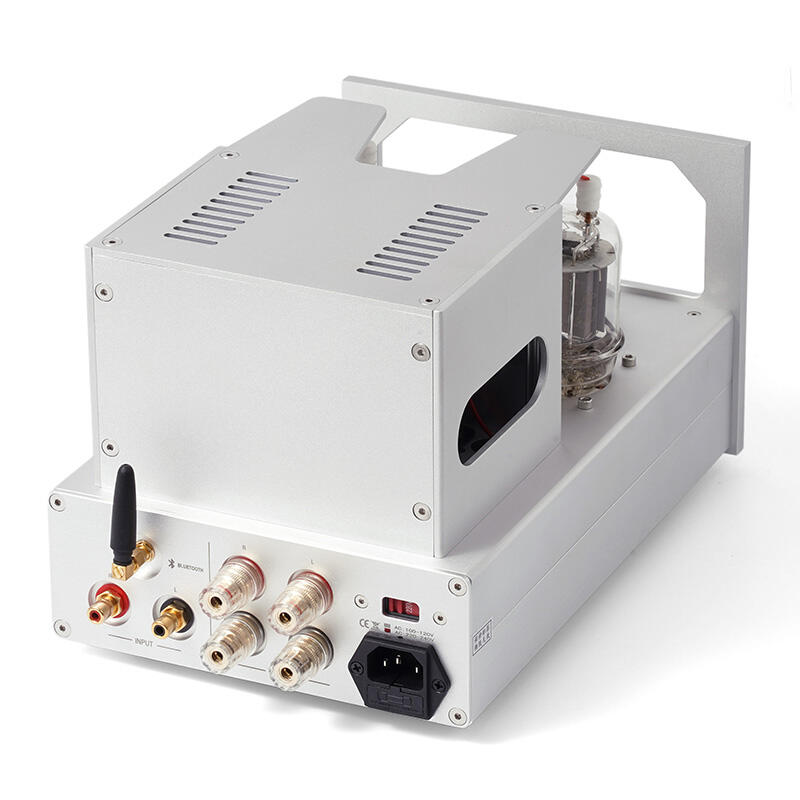
Audio enthusiasts and professionals alike understand that achieving exceptional sound quality requires more than just high-end speakers and amplifiers. The often-overlooked component that can dramatically transform your listening experience is the preamp, a crucial device that serves as the control center of your audio system. A preamp acts as the bridge between your audio sources and power amplifiers, providing essential signal conditioning, volume control, and impedance matching that directly impacts the clarity, dynamics, and overall fidelity of your sound reproduction.
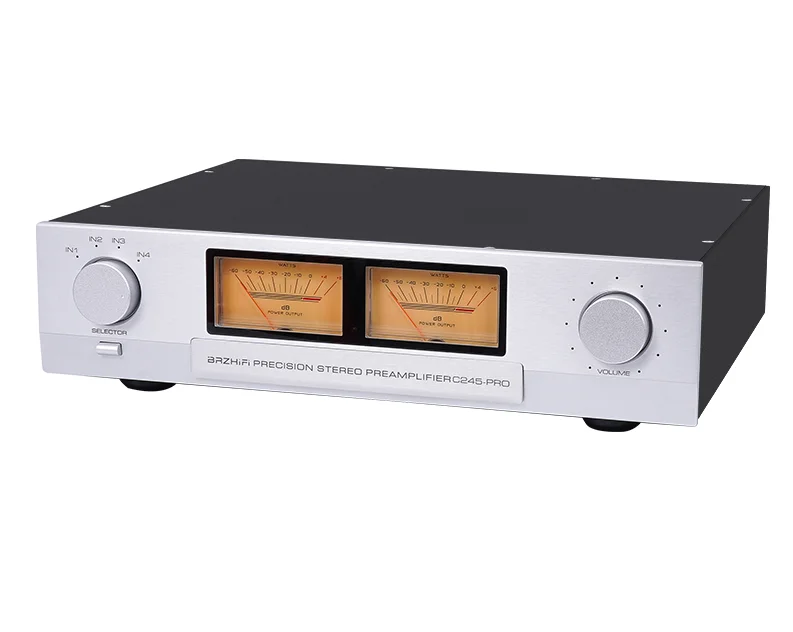
Modern audio systems demand precise signal management to deliver the nuanced performance that discerning listeners expect. Whether you are building a high-fidelity home theater, professional recording studio, or audiophile-grade stereo system, the preamp plays a pivotal role in maintaining signal integrity throughout the audio chain. Understanding how this fundamental component operates and why it matters can help you make informed decisions that will significantly enhance your audio experience.
Understanding the Fundamental Role of Preamplifiers
Signal Conditioning and Amplification Principles
A preamp performs multiple critical functions that are essential for optimal audio performance. The primary role involves amplifying weak input signals from various sources such as turntables, microphones, or line-level devices to a standardized level that can be effectively processed by power amplifiers. This signal conditioning process ensures that even the most delicate musical details are preserved and accurately transmitted through your audio system.
The amplification process within a preamp is carefully designed to maintain signal purity while providing the necessary gain structure. High-quality preamps utilize sophisticated circuitry that minimizes noise introduction and distortion, ensuring that the original audio signal maintains its integrity throughout the amplification process. This attention to signal fidelity is what separates professional-grade preamps from basic consumer electronics.
Impedance Matching and Signal Optimization
Impedance matching represents another crucial function that a preamp provides within audio systems. Different audio sources and amplifiers operate at varying impedance levels, and without proper matching, signal transfer can be compromised, resulting in reduced dynamic range and frequency response issues. A well-designed preamp ensures optimal impedance relationships between components, maximizing power transfer and maintaining signal quality.
The preamp also serves as a buffer stage, isolating different components in your audio chain and preventing loading effects that could degrade performance. This buffering capability allows multiple devices to be connected simultaneously without compromising the signal quality or creating unwanted interactions between components. Professional audio engineers rely on this functionality to maintain system stability and predictable performance characteristics.
Audio Quality Enhancement Through Advanced Preamplification
Dynamic Range and Signal-to-Noise Ratio Improvements
One of the most significant ways a preamp elevates audio quality is through dramatic improvements in dynamic range and signal-to-noise ratio performance. High-quality preamps incorporate low-noise circuitry designs that minimize unwanted background noise while preserving the full dynamic range of your audio content. This results in a cleaner, more transparent sound reproduction that allows subtle musical details to emerge from a quieter noise floor.
The enhanced dynamic range provided by a quality preamp enables your audio system to reproduce both the softest and loudest passages with equal clarity and impact. This capability is particularly important when listening to classical music, jazz recordings, or any content that features significant dynamic variations. Without proper preamplification, these nuances can be lost or masked by system noise and inadequate signal conditioning.
Frequency Response and Harmonic Accuracy
A superior preamp contributes to enhanced frequency response characteristics across the entire audible spectrum. Professional-grade preamps are designed with wide bandwidth capabilities that ensure accurate reproduction of both low-frequency fundamentals and high-frequency harmonics. This extended frequency response translates to more natural-sounding audio reproduction that maintains the original recording's tonal balance and spatial characteristics.
Harmonic accuracy is another critical area where a quality preamp makes a substantial difference. The best preamps minimize harmonic distortion while preserving the natural harmonic content that gives instruments and voices their distinctive character. This attention to harmonic fidelity results in more lifelike and engaging sound reproduction that brings listeners closer to the original musical performance.
System Integration and Connectivity Benefits
Multiple Input Management and Source Selection
Modern preamps offer extensive connectivity options that allow seamless integration of multiple audio sources within a single system. Advanced preamps feature numerous input types including phono, line, digital, and microphone inputs, each optimized for specific source characteristics. This versatility enables users to connect turntables, CD players, streaming devices, and other audio sources while maintaining optimal signal quality for each connection.
The source selection capabilities of a quality preamp extend beyond simple input switching to include sophisticated signal routing and processing options. Many professional preamps incorporate features such as input trim controls, phase adjustments, and equalization capabilities that allow fine-tuning of each source for optimal performance within the overall system configuration.
Output Configuration and System Flexibility
High-end preamps provide multiple output configurations that enhance system flexibility and enable complex audio setups. These outputs may include balanced and unbalanced connections, multiple line outputs for driving different amplifiers or recording equipment, and specialized outputs for subwoofers or other system components. This flexibility allows audio enthusiasts to create sophisticated multi-amplified systems or professional monitoring configurations.
The output stage design of a premium preamp is engineered to drive various load impedances while maintaining signal integrity across all connections. This capability ensures consistent performance whether you are driving short cable runs to nearby amplifiers or longer connections to remote equipment locations. Professional installations particularly benefit from this robust output capability and reliable performance characteristics.
Technical Specifications and Performance Metrics
Measurement Standards and Benchmarks
Understanding the technical specifications of preamps enables informed decision-making when selecting components for your audio system. Key performance metrics include total harmonic distortion plus noise measurements, signal-to-noise ratios, frequency response specifications, and maximum output levels. These specifications provide objective data that can be used to compare different preamp models and determine suitability for specific applications.
Professional-grade preamps typically achieve total harmonic distortion specifications well below audible thresholds, often measuring less than 0.01 percent across the audio bandwidth. Signal-to-noise ratios frequently exceed 100 dB, ensuring that background noise remains inaudible even during quiet musical passages. These exceptional specifications contribute directly to the enhanced audio quality that distinguishes high-end preamps from consumer-level alternatives.
Circuit Design and Component Selection
The internal circuit design and component selection within a preamp significantly influence its performance characteristics and long-term reliability. Premium preamps utilize high-quality operational amplifiers, precision resistors, and low-distortion capacitors that contribute to superior audio performance. The power supply design is equally important, with sophisticated regulation circuits ensuring stable operation and minimal interference with the audio signal path.
Advanced preamps may incorporate discrete component designs or hybrid approaches that combine the benefits of solid-state and vacuum tube technologies. These design choices influence the sonic character and performance capabilities of the preamp, allowing manufacturers to optimize their products for specific applications or user preferences. Understanding these design philosophies can help users select preamps that align with their performance expectations and system requirements.
Installation and Setup Considerations
Proper System Integration Techniques
Successful integration of a preamp into your audio system requires careful attention to connection methods, cable selection, and signal routing practices. High-quality interconnect cables with appropriate shielding and connector types ensure optimal signal transfer while minimizing external interference. Proper grounding techniques are essential for achieving the best possible signal-to-noise ratio and eliminating ground loop issues that can compromise system performance.
The physical placement of your preamp within the audio system rack or cabinet should consider factors such as heat dissipation, electromagnetic interference, and accessibility for operation and maintenance. Adequate ventilation around the preamp ensures stable operation and extends component lifespan, while strategic placement away from potential interference sources maintains signal integrity throughout the audio chain.
Calibration and Optimization Procedures
Proper calibration of your preamp settings optimizes performance for your specific system configuration and listening preferences. Input level adjustments ensure that each source operates within the optimal gain structure, maximizing dynamic range while preventing overload conditions. Output level calibration establishes proper drive levels for your power amplifiers, ensuring efficient operation and preventing potential damage to downstream components.
Many advanced preamps include built-in test signals or measurement capabilities that facilitate accurate system calibration. These features enable precise level matching between channels, phase verification, and frequency response optimization. Regular calibration checks help maintain peak system performance and ensure that your preamp continues to deliver the enhanced audio quality that justifies its inclusion in your audio system.
Applications Across Different Audio Environments
Home Audio and Audiophile Systems
In home audio applications, a quality preamp serves as the foundation for achieving reference-level sound reproduction. Audiophile systems particularly benefit from the enhanced signal quality and system flexibility that a dedicated preamp provides. The ability to fine-tune system response and accommodate multiple high-quality sources makes the preamp an essential component for serious music listening applications.
Home theater installations also gain significant benefits from incorporating a high-quality preamp into the signal chain. The enhanced dynamic range and low-noise operation contribute to more immersive movie soundtracks and dialogue clarity. Multi-channel preamps designed for surround sound applications provide the precision and reliability required for demanding home cinema environments.
Professional and Commercial Applications
Professional audio environments demand the reliability, performance, and flexibility that only high-end preamps can provide. Recording studios utilize preamps for microphone amplification, signal conditioning, and monitoring applications where absolute signal fidelity is paramount. The low-noise operation and exceptional specifications of professional preamps enable accurate capture and reproduction of musical performances.
Commercial sound systems in venues such as restaurants, retail spaces, and corporate facilities benefit from the signal management capabilities and multiple input options that preamps provide. These applications require consistent performance and reliable operation over extended periods, making the robust design and proven reliability of quality preamps essential for successful installations.
FAQ
What is the difference between a preamp and a power amplifier?
A preamp handles low-level signals from audio sources and provides volume control, input selection, and signal conditioning, while a power amplifier takes the preamp output and amplifies it to drive speakers. The preamp focuses on signal quality and system control, whereas the power amplifier provides the current and voltage needed to move speaker drivers. Both components work together to create a complete amplification system, with the preamp serving as the control center and the power amplifier providing the muscle to drive your speakers effectively.
How do I know if my audio system needs a dedicated preamp?
Your system may benefit from a dedicated preamp if you notice issues such as limited input options, poor volume control range, background noise, or lack of signal clarity. If you are using multiple audio sources or have a turntable that requires phono preamplification, a dedicated preamp becomes essential. Additionally, if you want to upgrade from an integrated amplifier to separate components for improved performance and flexibility, adding a quality preamp represents a significant step toward higher-fidelity audio reproduction.
Can a preamp improve the sound quality of digital audio sources?
Yes, a high-quality preamp can enhance digital audio sources by providing superior analog signal processing, better volume control, and improved impedance matching between your digital-to-analog converter and power amplifier. Even though the source signal is digital, once converted to analog, it benefits from the same signal conditioning and amplification advantages that a preamp provides for any analog source. The preamp also offers better system integration and control capabilities that can improve your overall listening experience with digital sources.
What features should I look for when selecting a preamp for my audio system?
Key features to consider include sufficient input and output options for your sources and amplifiers, appropriate gain structure for your system requirements, low-noise specifications, wide frequency response, and build quality that ensures long-term reliability. Additional features such as remote control capability, bypass options, tone controls, and balanced connections may be important depending on your specific needs. Consider the preamp compatibility with your existing components and future upgrade plans to ensure the selected model will serve your audio system effectively over time.