
 EN
EN
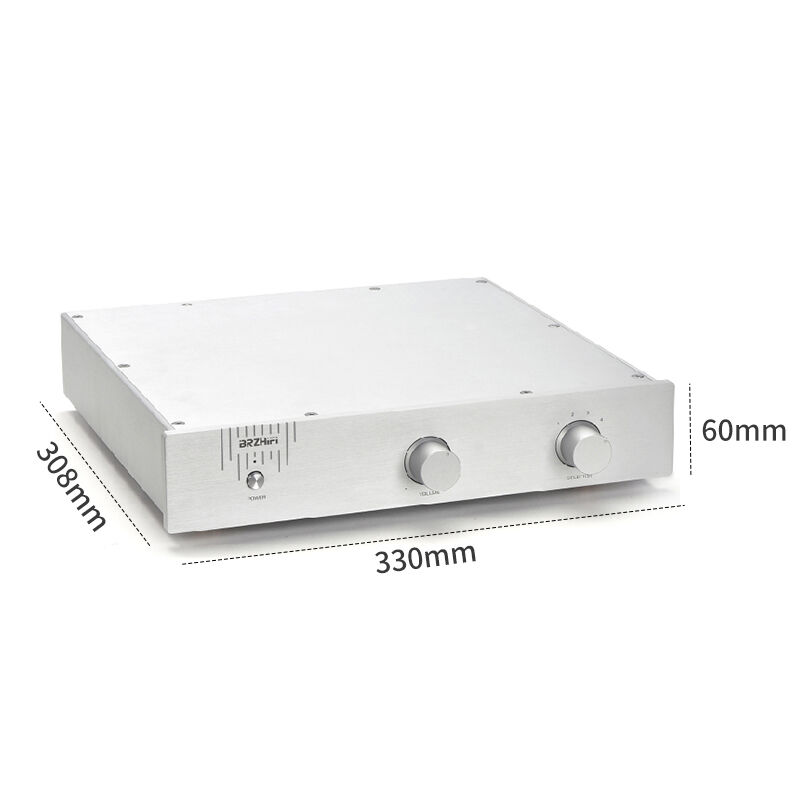
The pursuit of pristine audio reproduction has driven significant advancements in amplifier technology, with digital amplification emerging as a dominant force in modern audio systems. When selecting audio equipment, discerning audiophiles and audio professionals increasingly turn to established manufacturers who specialize in high-fidelity digital solutions. A reputable hifi digital amplifiers manufacturer understands that maintaining exceptional audio quality requires a comprehensive approach encompassing advanced circuit design, premium component selection, and rigorous quality control processes.
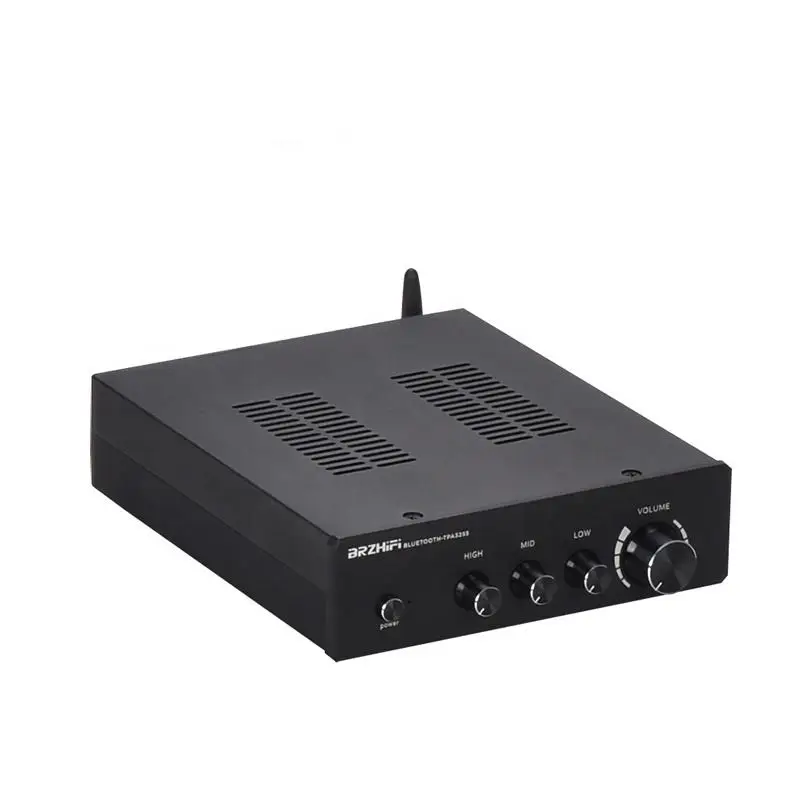
Advanced Circuit Design Principles
Power Supply Architecture Excellence
The foundation of superior digital amplifier performance begins with meticulously engineered power supply systems. Leading manufacturers implement switch-mode power supplies with multiple regulation stages to ensure clean, stable power delivery across all operating conditions. These sophisticated power architectures minimize noise interference and voltage fluctuations that could compromise audio fidelity. Advanced filtering networks and isolation techniques further enhance the power supply's ability to deliver consistent performance regardless of input voltage variations or load demands.
Modern digital amplifier designs incorporate intelligent power management systems that optimize efficiency while maintaining audio integrity. These systems dynamically adjust power distribution based on signal requirements, reducing unnecessary heat generation and extending component lifespan. The integration of high-frequency switching regulators with low-noise linear regulators creates a hybrid approach that combines efficiency with exceptional audio performance characteristics.
Signal Processing Innovation
Contemporary digital amplification relies heavily on sophisticated digital signal processing algorithms to maintain audio quality throughout the amplification chain. Advanced oversampling techniques and noise-shaping algorithms work together to minimize quantization errors and extend dynamic range capabilities. These processing methods ensure that even the most subtle musical details are preserved and accurately reproduced through the amplification process.
Error correction mechanisms and adaptive filtering systems continuously monitor signal integrity and make real-time adjustments to compensate for potential distortions. This intelligent signal management approach allows manufacturers to achieve remarkably low total harmonic distortion figures while maintaining exceptional frequency response characteristics across the entire audible spectrum.
Premium Component Selection Strategies
High-Grade Semiconductor Technologies
The selection of appropriate semiconductor devices plays a crucial role in determining overall amplifier performance and reliability. Premium manufacturers prioritize components with superior thermal characteristics, low on-resistance values, and exceptional switching speed capabilities. These carefully chosen semiconductors contribute directly to improved efficiency ratings and reduced heat generation during operation.
Advanced MOSFET and GaN transistor technologies offer significant advantages in terms of switching speed and power handling capabilities. These modern semiconductor solutions enable hifi digital amplifiers manufacturer to achieve higher power outputs while maintaining compact form factors and excellent thermal management characteristics.
Precision Passive Components
The importance of high-quality passive components cannot be overstated in digital amplifier design and manufacturing. Premium capacitors with low equivalent series resistance and excellent temperature stability ensure consistent performance across varying environmental conditions. These components directly impact power supply filtering effectiveness and overall system reliability over extended operational periods.
Precision resistors and inductors with tight tolerance specifications contribute to accurate signal processing and optimal filter performance. The careful selection of these seemingly simple components significantly influences the amplifier's ability to maintain consistent frequency response and minimize phase distortion throughout its operational range.
Quality Control and Testing Protocols
Comprehensive Performance Verification
Rigorous testing protocols form the backbone of quality assurance in digital amplifier manufacturing. Multi-stage testing procedures evaluate every aspect of amplifier performance, from basic functionality verification to complex distortion analysis and long-term reliability assessment. These comprehensive evaluation processes ensure that each unit meets stringent performance specifications before reaching end users.
Advanced measurement equipment and automated testing systems enable manufacturers to conduct precise evaluations of critical parameters including frequency response, total harmonic distortion, signal-to-noise ratio, and power output capabilities. This systematic approach to quality verification helps maintain consistency across production batches while identifying potential issues before they impact product quality.
Environmental Stress Testing
Environmental testing procedures simulate real-world operating conditions to validate amplifier performance under various stress factors. Temperature cycling, humidity exposure, and vibration testing help ensure that products maintain their performance characteristics throughout their expected service life. These demanding test protocols identify potential weak points in design or manufacturing processes before products reach the market.
Accelerated aging tests and burn-in procedures further enhance reliability by identifying components that might fail prematurely under normal operating conditions. This proactive approach to quality assurance helps maintain the reputation of established manufacturers while reducing warranty claims and customer support requirements.
Thermal Management Solutions
Heat Dissipation Design Excellence
Effective thermal management represents a critical aspect of maintaining consistent audio performance in digital amplifiers. Sophisticated heat sink designs and thermal interface materials work together to efficiently transfer heat away from critical components. Advanced computational fluid dynamics modeling helps optimize airflow patterns and heat distribution throughout the amplifier chassis.
Intelligent cooling systems with variable-speed fans and thermal monitoring provide dynamic thermal management capabilities that adapt to changing operational demands. These systems maintain optimal operating temperatures while minimizing acoustic noise that could interfere with audio reproduction quality.
Component Temperature Monitoring
Integrated temperature sensing systems continuously monitor critical component temperatures and provide feedback for thermal management optimization. These monitoring systems can trigger protective measures when temperatures exceed safe operating limits, preventing damage while maintaining audio quality standards. Real-time thermal feedback enables dynamic performance adjustments that optimize efficiency while preserving audio fidelity.
Advanced thermal modeling techniques help predict component behavior under various operating conditions, enabling proactive thermal management strategies that prevent performance degradation before it occurs. This predictive approach to thermal management ensures consistent audio quality regardless of environmental conditions or operational demands.
Manufacturing Process Excellence
Precision Assembly Techniques
Modern manufacturing facilities employ sophisticated assembly techniques and quality control measures to ensure consistent product quality. Automated surface-mount technology and precision soldering processes minimize manufacturing variations that could impact audio performance. These advanced manufacturing methods enable tight component placement tolerances and reliable electrical connections throughout the amplifier circuitry.
Statistical process control methodologies continuously monitor manufacturing parameters and identify trends that might indicate potential quality issues. This data-driven approach to manufacturing excellence helps maintain consistent product quality while optimizing production efficiency and reducing manufacturing costs.
Calibration and Adjustment Procedures
Individual unit calibration ensures that each amplifier meets precise performance specifications regardless of component tolerances and manufacturing variations. Automated calibration systems adjust critical parameters to optimize performance while maintaining consistency across production runs. These calibration procedures compensate for minor variations in component values and ensure uniform performance characteristics.
Final adjustment procedures fine-tune amplifier performance to meet or exceed published specifications. These final optimization steps ensure that customers receive products that deliver exceptional audio quality and reliable performance throughout their operational lifetime.
Future Technology Integration
Digital Enhancement Features
Next-generation digital amplifiers incorporate advanced enhancement technologies that further improve audio quality and user experience. Digital room correction algorithms and adaptive equalization systems automatically optimize performance for specific acoustic environments. These intelligent features help overcome room acoustics limitations while maintaining the natural character of musical content.
Wireless connectivity options and smart device integration expand the versatility of modern digital amplifiers while maintaining pristine audio quality. Advanced digital interface standards ensure bit-perfect audio transmission from source devices to amplification systems, preserving every detail of high-resolution audio content.
Sustainable Manufacturing Practices
Environmental consciousness increasingly influences manufacturing decisions as companies strive to reduce their ecological footprint while maintaining product quality standards. Energy-efficient manufacturing processes and recyclable materials help minimize environmental impact without compromising audio performance or product reliability. These sustainable practices demonstrate manufacturer commitment to environmental stewardship while delivering exceptional audio solutions.
Lifecycle assessment methodologies evaluate the complete environmental impact of products from raw material extraction through end-of-life disposal. This comprehensive approach to sustainability helps guide design decisions that optimize both environmental performance and audio quality characteristics.
FAQ
What makes digital amplifiers superior to traditional analog designs
Digital amplifiers offer several key advantages including higher efficiency ratings, reduced heat generation, and more compact form factors compared to traditional analog designs. The switching nature of digital amplification enables power efficiency levels exceeding 90 percent, significantly reducing energy consumption and heat dissipation requirements. Additionally, digital processing capabilities allow for advanced features like room correction and wireless connectivity that are difficult to implement in purely analog systems.
How do manufacturers ensure consistent quality across different production batches
Quality consistency is maintained through rigorous statistical process control methodologies, comprehensive testing protocols, and standardized manufacturing procedures. Each production batch undergoes identical testing procedures using calibrated measurement equipment to verify performance parameters. Component suppliers are carefully qualified and monitored to ensure consistent material quality, while manufacturing processes are continuously monitored and adjusted to maintain tight tolerance specifications.
What factors determine the audio quality of a digital amplifier
Audio quality in digital amplifiers depends on multiple factors including power supply design, component selection, thermal management, and signal processing algorithms. The quality of the switching power supply directly impacts noise levels and dynamic response, while premium components ensure consistent performance over time. Effective thermal management prevents performance degradation under load, and advanced signal processing minimizes distortion while preserving musical detail.
Why is thermal management so critical in digital amplifier design
Proper thermal management is essential because excessive heat can cause component drift, increased distortion, and premature failure. Digital amplifiers generate heat during switching operations, and this heat must be efficiently dissipated to maintain optimal performance. Advanced thermal management systems not only protect components but also ensure consistent audio quality by preventing temperature-induced parameter changes that could affect sound reproduction accuracy.