
 EN
EN
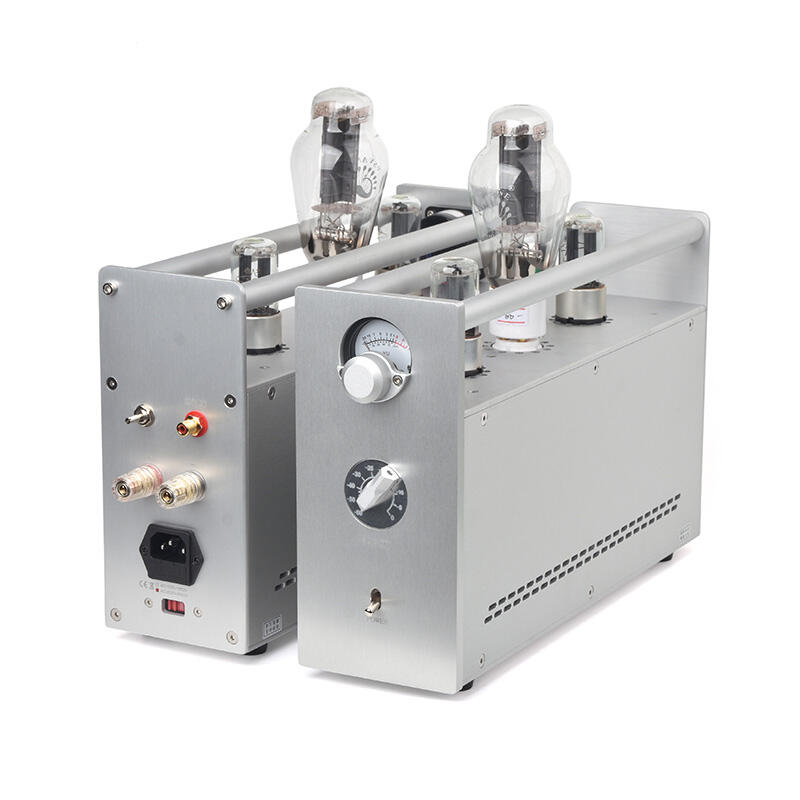
Audio enthusiasts and professionals constantly seek the perfect balance between exceptional sound quality and operational efficiency in their amplification systems. The power class ab amplifier represents a sophisticated engineering solution that addresses both demands through intelligent circuit design and thermal management. This amplification technology has become the cornerstone of high-end audio systems, delivering pristine sound reproduction while maintaining reasonable power consumption and heat generation.
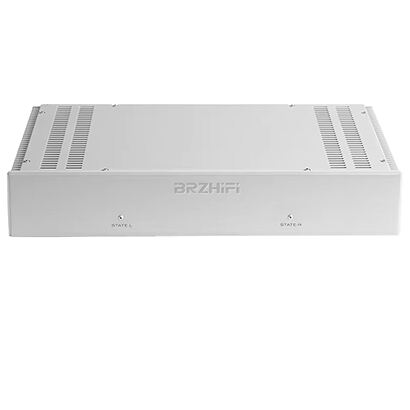
Understanding the fundamental principles behind Class AB amplification reveals why this topology has dominated the professional audio landscape for decades. Unlike pure Class A or Class B designs, the power class ab amplifier combines the best characteristics of both approaches. This hybrid methodology ensures minimal crossover distortion while maintaining superior efficiency compared to Class A alternatives. The result is an amplifier that delivers transparent sound reproduction without the excessive heat generation that plagues purely Class A designs.
The technical architecture of Class AB amplifiers involves precise biasing of output transistors to eliminate the switching artifacts common in Class B designs. This biasing strategy allows both output devices to conduct simultaneously during small signal conditions, ensuring smooth signal transitions. As signal levels increase, the amplifier gracefully transitions to Class B operation, where only one output device conducts at a time, dramatically improving efficiency during high-power operation.
Technical Architecture and Design Principles
Biasing Methodology and Circuit Configuration
The foundation of any effective power class ab amplifier lies in its sophisticated biasing network that determines the operational characteristics of the output stage. Engineers carefully calculate the quiescent current flowing through the output transistors to ensure optimal performance across the entire signal range. This biasing current must be sufficient to eliminate crossover distortion while remaining low enough to prevent excessive power dissipation during idle conditions.
Modern Class AB designs incorporate temperature compensation circuits that adjust the bias current automatically as the amplifier warms up during operation. These thermal tracking mechanisms ensure consistent performance regardless of ambient temperature variations or internal heat generation. The compensation network typically uses matched diodes or voltage reference circuits that maintain stable operating points across wide temperature ranges.
Output stage topology varies significantly among different power class ab amplifier implementations, with some designs favoring complementary symmetry configurations while others utilize quasi-complementary arrangements. The choice between these topologies affects both the electrical performance and manufacturing cost of the final product. Complementary symmetry designs offer superior linearity but require carefully matched PNP and NPN output devices with identical characteristics.
Thermal Management and Protection Systems
Effective thermal management represents a critical aspect of power class ab amplifier design, as excessive heat can degrade performance and reduce component lifespan. Engineers implement sophisticated heat sink designs that efficiently transfer thermal energy away from the output transistors while maintaining compact form factors. The thermal resistance between the junction and ambient air must be carefully calculated to ensure reliable operation under all specified conditions.
Protection circuits monitor various operating parameters including output current, junction temperature, and supply voltage to prevent damage under fault conditions. These safety systems can detect short circuits, overheating, and excessive load impedances, automatically reducing output power or shutting down the amplifier when necessary. Advanced protection schemes provide soft limiting that gracefully reduces power rather than abruptly cutting off the signal.
The integration of protection systems with the audio signal path requires careful consideration to avoid introducing audible artifacts during normal operation. Well-designed protection circuits remain completely transparent during typical listening conditions while providing reliable safeguards against equipment damage. This balance between protection and transparency distinguishes professional-grade power class ab amplifier designs from consumer alternatives.
Performance Characteristics and Audio Quality
Distortion Analysis and Harmonic Content
The distortion characteristics of a power class ab amplifier directly impact the perceived audio quality and listening experience. Total harmonic distortion measurements reveal how faithfully the amplifier reproduces input signals across the entire frequency spectrum. Class AB designs typically achieve THD figures below 0.1% at rated power, with even lower distortion levels at moderate listening volumes where the amplifier operates primarily in Class A mode.
Intermodulation distortion represents another crucial performance metric that affects the clarity and definition of complex musical passages. High-quality power class ab amplifier designs minimize IM distortion through careful circuit layout, component selection, and feedback network optimization. The relationship between harmonic and intermodulation distortion provides insights into the amplifier's behavior with real-world program material rather than simple test tones.
Frequency response characteristics determine how evenly the amplifier reproduces different musical frequencies from deep bass to high treble. Professional power class ab amplifier designs maintain flat response across the entire audio bandwidth with minimal phase shift or group delay variations. This consistent frequency response ensures that all musical elements maintain their proper tonal balance and spatial relationships.
Dynamic Range and Headroom Capabilities
Dynamic range specifications indicate the amplifier's ability to reproduce both subtle musical details and powerful transient peaks without compromise. A well-designed power class ab amplifier provides substantial headroom above its continuous power rating, allowing it to handle brief musical peaks without clipping or compression. This headroom capability is particularly important for reproducing percussion instruments, piano attacks, and other transient-rich program material.
Signal-to-noise ratio measurements quantify the amplifier's ability to preserve low-level musical information without interference from internal noise sources. High-end power class ab amplifier designs achieve S/N ratios exceeding 110 dB, ensuring that even the most delicate musical passages remain clearly audible above the noise floor. This exceptional noise performance results from careful circuit design, component selection, and PCB layout techniques.
The relationship between power output capability and load impedance affects the amplifier's compatibility with various loudspeaker systems. Professional power class ab amplifier designs maintain stable operation into reactive loads with varying impedances, ensuring consistent performance regardless of the connected speakers. This load tolerance eliminates the need for impedance matching transformers in most applications.
Efficiency Optimization and Energy Considerations
Power Consumption Analysis
The efficiency characteristics of power class ab amplifier designs significantly impact operating costs and environmental considerations in professional installations. Class AB topology achieves theoretical efficiency levels approaching 60-70% under ideal conditions, representing a substantial improvement over pure Class A designs while maintaining superior audio quality compared to Class D alternatives. This efficiency advantage becomes particularly important in high-power applications where energy consumption directly affects operational expenses.
Idle power consumption represents a significant consideration in applications where amplifiers operate continuously but reproduce audio signals only intermittently. Modern power class ab amplifier designs incorporate intelligent power management features that reduce quiescent consumption during periods of low signal activity. These energy-saving modes maintain full performance capability while minimizing unnecessary power dissipation.
The relationship between output power and supply voltage affects both efficiency and dynamic performance characteristics. Higher supply voltages enable greater output power capability but increase power dissipation during low-level operation. Engineers must carefully balance these competing requirements to optimize overall system performance and energy efficiency.
Cooling Requirements and System Integration
Cooling system design directly impacts both the performance and reliability of power class ab amplifier installations. Natural convection cooling suffices for many applications, but high-power designs may require forced air circulation or even liquid cooling systems. The cooling requirements affect not only the amplifier design but also the rack space allocation and HVAC considerations in professional installations.
Integration with building management systems allows for remote monitoring of amplifier operating parameters including temperature, power consumption, and fault conditions. This connectivity enables predictive maintenance strategies that identify potential issues before they cause system failures. Modern power class ab amplifier designs include comprehensive diagnostic capabilities that support these advanced monitoring requirements.
Environmental considerations extend beyond simple energy efficiency to include recyclability of materials and manufacturing processes. Leading manufacturers implement sustainable design practices that minimize environmental impact throughout the product lifecycle. These considerations increasingly influence purchasing decisions in institutional and commercial applications where environmental responsibility represents a key concern.
Applications and Market Segments
Professional Audio and Broadcasting
The professional audio industry relies heavily on power class ab amplifier technology for applications ranging from recording studios to large-scale sound reinforcement systems. These demanding environments require amplifiers that deliver consistent performance under continuous operation while maintaining the highest possible audio quality standards. The reliability and sonic performance of Class AB designs make them the preferred choice for critical audio applications.
Broadcasting facilities utilize power class ab amplifier systems for both on-air transmission and monitoring applications. The low distortion and excellent dynamic range characteristics ensure that broadcast content maintains its intended quality throughout the signal chain. These installations often operate continuously for years without maintenance, demonstrating the exceptional reliability of well-designed Class AB amplification systems.
Live sound reinforcement applications present unique challenges that power class ab amplifier designs address effectively. The combination of high power output capability, excellent transient response, and robust protection systems makes Class AB topology ideal for concert and venue installations. These amplifiers must handle widely varying program material while delivering consistent performance regardless of environmental conditions.
Residential and Consumer Markets
High-end residential audio systems increasingly feature power class ab amplifier technology as discerning consumers seek professional-grade performance in home environments. The excellent sonic characteristics and moderate heat generation of Class AB designs make them suitable for integration into furniture and cabinetry where space and cooling constraints exist. These installations require amplifiers that combine outstanding performance with aesthetic considerations.
Home theater applications benefit from the dynamic capabilities and multi-channel scalability of power class ab amplifier systems. The ability to drive multiple speakers simultaneously while maintaining consistent performance across all channels ensures immersive surround sound reproduction. These systems must integrate seamlessly with digital processors and control systems while providing the power necessary for realistic sound pressure levels.
Custom installation markets demand power class ab amplifier solutions that combine performance with reliability and ease of integration. These applications often involve concealed mounting locations where service access is limited, making reliability paramount. The mature technology and proven track record of Class AB designs provide the confidence necessary for these permanent installations.
Future Developments and Technology Trends
Digital Integration and Control
The integration of digital control and monitoring capabilities represents a significant trend in power class ab amplifier development. Modern designs incorporate microprocessor-based control systems that enable remote configuration, real-time performance monitoring, and advanced protection functions. These digital interfaces allow for sophisticated system integration while maintaining the analog signal path that defines Class AB performance characteristics.
Network connectivity enables centralized management of multiple power class ab amplifier units in large installations. This capability allows facility managers to monitor performance, adjust settings, and identify maintenance requirements from a single control location. The integration of standard networking protocols ensures compatibility with existing building automation systems and remote monitoring infrastructure.
Artificial intelligence and machine learning technologies are beginning to influence power class ab amplifier design through predictive maintenance algorithms and adaptive performance optimization. These advanced systems can identify developing issues before they cause failures while automatically adjusting operating parameters to maintain optimal performance under varying conditions.
Environmental and Sustainability Considerations
Environmental regulations and sustainability concerns continue to drive innovation in power class ab amplifier design and manufacturing processes. Manufacturers are developing more efficient designs that reduce energy consumption while maintaining performance standards. These improvements benefit both the environment and operating cost considerations in commercial installations.
Material selection and manufacturing processes increasingly emphasize recyclability and reduced environmental impact throughout the product lifecycle. Power class ab amplifier manufacturers are implementing sustainable practices that minimize waste generation while ensuring product quality and reliability. These environmental considerations often influence purchasing decisions in institutional markets where sustainability represents a key procurement criterion.
Energy efficiency standards and regulations continue to evolve, driving further improvements in power class ab amplifier design. Compliance with these standards requires careful optimization of both active and standby power consumption while maintaining the performance characteristics that define professional-grade amplification systems. The ongoing development of more efficient semiconductor technologies enables continued improvement in these areas.
FAQ
What makes Class AB amplifiers more efficient than Class A designs
Class AB amplifiers achieve higher efficiency by allowing the output transistors to turn off completely during portions of the signal cycle, unlike Class A designs where current flows continuously through the output devices. This selective operation reduces power dissipation while maintaining excellent audio quality through careful biasing that eliminates crossover distortion. The power class ab amplifier typically achieves 60-70% efficiency compared to the 25% maximum efficiency of Class A designs.
How do Class AB amplifiers maintain sound quality while improving efficiency
The key to Class AB performance lies in the sophisticated biasing network that keeps both output transistors conducting during small signal conditions, eliminating the crossover distortion that affects Class B designs. As signal levels increase, the amplifier transitions to Class B operation where only one output device conducts at a time, dramatically improving efficiency. This hybrid approach ensures that the power class ab amplifier delivers Class A quality during low-level passages while achieving Class B efficiency during high-power operation.
What are the typical applications for Class AB power amplifiers
Class AB power amplifiers find extensive use in professional audio applications including recording studios, broadcast facilities, live sound reinforcement, and high-end residential audio systems. Their combination of excellent sound quality, reasonable efficiency, and proven reliability makes them ideal for applications requiring consistent performance under demanding conditions. The power class ab amplifier represents the preferred choice for critical listening environments where both audio quality and operational efficiency are important considerations.
How do modern Class AB amplifiers incorporate protection and monitoring features
Contemporary power class ab amplifier designs include comprehensive protection systems that monitor output current, junction temperature, supply voltage, and load impedance to prevent damage under fault conditions. These systems can detect short circuits, overheating, and reactive loads while providing soft limiting that gracefully reduces power rather than abruptly cutting off the signal. Advanced designs also incorporate remote monitoring capabilities that enable predictive maintenance and system integration with building management networks.