
 EN
EN
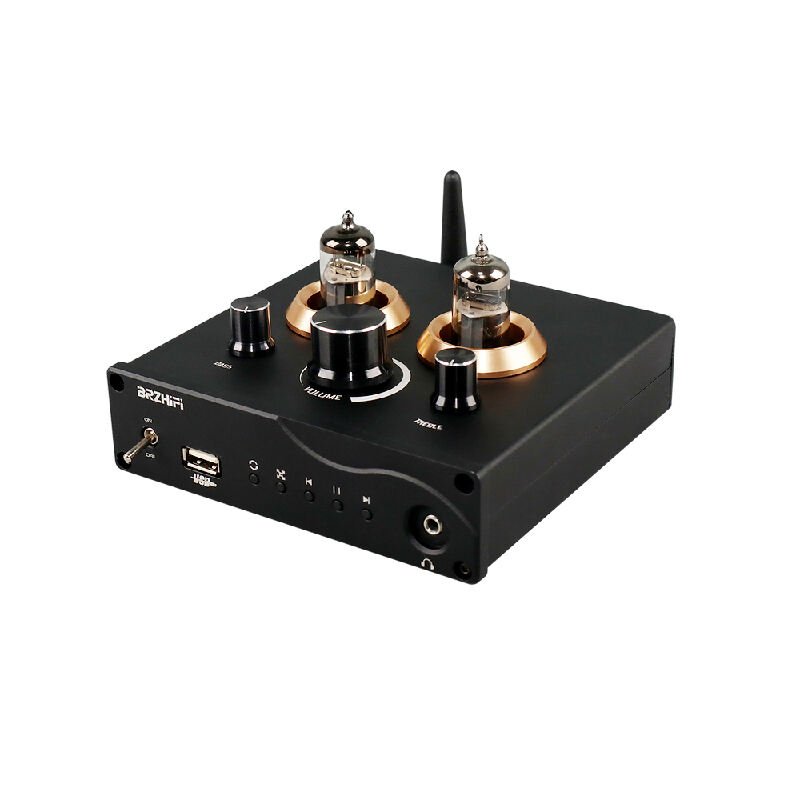
The world of high-fidelity audio has transformed dramatically with the advent of digital technology, making it easier than ever to achieve premium sound quality in your home setup. Modern audiophiles are increasingly turning to digital amplification solutions that deliver exceptional performance while maintaining compact form factors and energy efficiency. The market for best hifi digital amplifiers has expanded significantly, offering consumers a wide range of options from budget-friendly models to premium units that rival traditional analog systems.
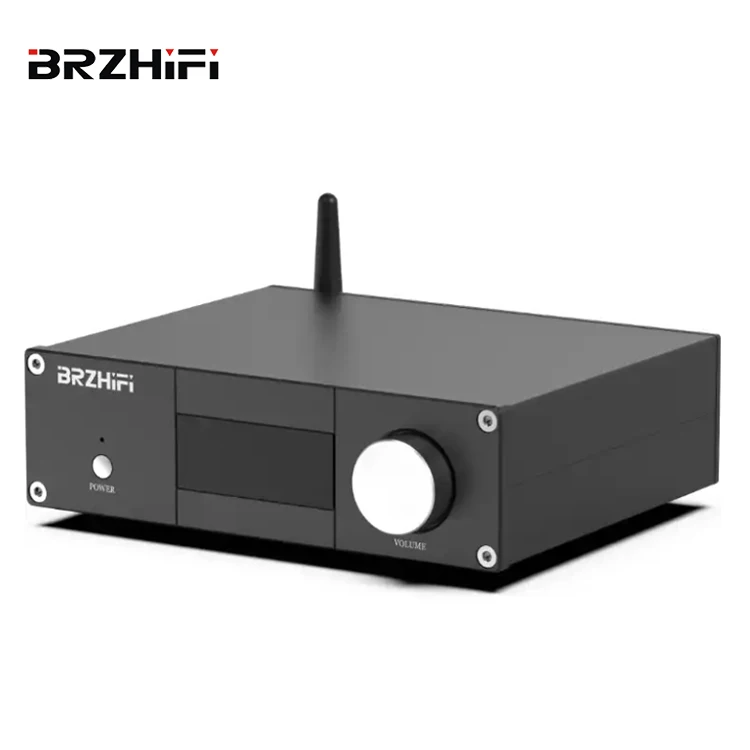
Understanding the fundamental differences between digital and analog amplification is crucial when selecting the right system for your home audio setup. Digital amplifiers utilize sophisticated signal processing techniques to convert audio signals with minimal distortion, resulting in cleaner sound reproduction across all frequency ranges. These systems often incorporate advanced features such as Bluetooth connectivity, multiple input options, and precise volume control mechanisms that enhance the overall listening experience.
The evolution of digital amplification technology has brought forth innovative designs that challenge traditional notions of what constitutes high-quality audio equipment. Modern best hifi digital amplifiers integrate cutting-edge components and engineering principles to deliver performance levels that were previously achievable only through expensive analog systems. This technological advancement has democratized access to premium audio experiences, making it possible for more enthusiasts to enjoy exceptional sound quality in their homes.
Key Features to Consider in Digital Amplifier Selection
Power Output and Impedance Matching
Determining the appropriate power output for your digital amplifier depends heavily on your room size, speaker efficiency, and preferred listening levels. Most best hifi digital amplifiers offer power ratings measured in watts per channel, but these specifications should be evaluated alongside your speakers' sensitivity ratings and impedance characteristics. A properly matched system ensures optimal performance without risking damage to either the amplifier or connected speakers.
Speaker impedance compatibility plays a crucial role in achieving the best possible sound quality from your digital amplification system. Modern amplifiers typically support 4-ohm, 6-ohm, and 8-ohm speaker configurations, with some advanced models automatically adjusting their output characteristics to match connected speakers. Understanding these technical specifications helps prevent potential issues such as overheating, distortion, or inadequate power delivery that can compromise your listening experience.
Dynamic range capabilities distinguish premium digital amplifiers from entry-level models, affecting how well the system reproduces both quiet passages and powerful musical crescendos. The best performing units maintain clean signal reproduction across the entire volume range, ensuring that subtle details remain audible while preventing clipping or compression during demanding musical passages.
Digital Signal Processing Capabilities
Advanced digital signal processing features have become standard in many contemporary amplification systems, offering users unprecedented control over their audio experience. These capabilities include parametric equalization, room correction algorithms, and crossover management functions that allow precise tuning of the sound to match specific acoustic environments and personal preferences.
Integration of high-resolution audio support has become increasingly important as streaming services and digital music libraries embrace formats that exceed traditional CD quality. The most capable best hifi digital amplifiers support sampling rates up to 192kHz and bit depths of 24 bits or higher, ensuring compatibility with the latest high-resolution audio content and future format developments.
Connectivity options continue to expand in modern digital amplifiers, with manufacturers incorporating multiple digital inputs, analog connections, and wireless protocols to accommodate diverse source components. These comprehensive connectivity suites eliminate the need for additional switching devices while maintaining signal integrity throughout the audio chain.
Understanding Amplifier Topology and Design
Class D Architecture Benefits
Class D amplification technology has revolutionized the design of modern digital audio systems, offering significant advantages in terms of efficiency, thermal management, and overall performance. These switching amplifiers convert input signals to high-frequency pulse-width modulated waveforms that drive output transistors in either fully on or fully off states, minimizing power dissipation and heat generation compared to traditional linear amplification methods.
The efficiency improvements inherent in Class D designs enable manufacturers to create compact amplifiers that deliver substantial power output without requiring large heat sinks or cooling fans. This thermal efficiency translates directly to improved reliability and reduced operating costs, making best hifi digital amplifiers more practical for continuous operation in home environments.
Modern Class D implementations incorporate sophisticated feedback systems and output filtering networks that eliminate the switching artifacts that plagued early digital amplifier designs. Contemporary units achieve total harmonic distortion levels below 0.1% while maintaining flat frequency response characteristics across the entire audible spectrum, rivaling the performance of premium analog amplifiers.
Integrated Circuit Technology
The integration of purpose-built amplifier chips has enabled manufacturers to achieve consistent performance levels while reducing manufacturing costs and improving reliability. These specialized integrated circuits incorporate decades of research and development, delivering optimized performance characteristics that would be difficult to achieve using discrete component designs.
Advanced protection circuitry built into modern amplifier chips safeguards both the amplifier and connected speakers from damage due to short circuits, overheating, or impedance mismatches. These protective systems operate transparently under normal conditions while providing immediate intervention when potentially damaging situations are detected, extending the operational life of the entire audio system.
Digital signal processing integration within amplifier chips enables real-time optimization of audio signals, including dynamic range compression, frequency response correction, and phase alignment adjustments. These processing capabilities allow best hifi digital amplifiers to adapt to various acoustic environments and speaker characteristics without external processing equipment.
Connectivity and Source Integration
Wireless Protocol Support
Bluetooth connectivity has become essential in modern digital amplifiers, enabling seamless integration with smartphones, tablets, and other mobile devices. The latest Bluetooth implementations support high-quality codecs such as aptX HD and LDAC that preserve audio fidelity during wireless transmission, making it possible to enjoy high-resolution audio content without physical connections.
Wi-Fi connectivity options in premium digital amplifiers extend beyond simple audio streaming to include integration with home automation systems and multi-room audio networks. These advanced connectivity features enable users to create sophisticated distributed audio systems that can be controlled remotely and synchronized across multiple zones throughout the home.
The implementation of multiple wireless protocols ensures compatibility with diverse source devices and streaming services, accommodating both current and future connectivity standards. Modern best hifi digital amplifiers often include support for AirPlay, Chromecast, and proprietary streaming protocols that provide direct access to popular music services.
Digital Input Configuration
Comprehensive digital input suites enable direct connection of various source components without requiring additional digital-to-analog converters. Common digital input options include optical TOSLINK, coaxial S/PDIF, USB, and HDMI connections that support different audio formats and resolution levels, providing flexibility for system configuration and future expansion.
USB connectivity particularly benefits computer-based audio systems, allowing direct digital connection between computers and amplifiers while bypassing potentially noisy internal sound cards. Advanced USB implementations support asynchronous data transfer modes that eliminate timing jitter and provide optimal digital signal quality for computer-based music libraries and streaming applications.
HDMI audio return channel support enables integration with television systems and home theater setups, allowing the amplifier to process audio from TV sources while maintaining video signal integrity. This integration capability makes best hifi digital amplifiers suitable for both dedicated music listening and multimedia entertainment applications.
Performance Optimization and Setup
Room Acoustics Considerations
Proper placement and acoustic treatment significantly impact the performance of any audio system, regardless of the quality of individual components. Digital amplifiers with room correction capabilities can automatically adjust frequency response and timing characteristics to compensate for common acoustic issues such as standing waves, reflections, and resonances that affect sound quality in typical home listening environments.
Measurement microphones included with some digital amplifiers enable automated room analysis and correction, generating custom equalization curves that optimize performance for specific listening positions. These systems typically analyze multiple measurement points to create correction filters that improve sound quality throughout the listening area rather than optimizing for a single sweet spot.
Manual adjustment capabilities complement automated room correction systems, allowing experienced users to fine-tune the sound according to personal preferences and specific musical genres. The combination of automated analysis and manual control provides the flexibility needed to achieve optimal performance in diverse acoustic environments and listening scenarios.
Speaker Matching and Configuration
Selecting appropriate speakers for digital amplifier systems requires careful consideration of sensitivity ratings, impedance characteristics, and power handling capabilities. High-efficiency speakers work well with lower-powered digital amplifiers, while less sensitive designs may require more powerful amplification to achieve satisfying listening levels without distortion or dynamic compression.
Crossover configuration becomes particularly important when using digital amplifiers with subwoofer outputs or multi-driver speaker systems. Best hifi digital amplifiers often include adjustable crossover frequencies and slopes that enable precise integration between main speakers and subwoofers, creating seamless frequency response across the entire audible spectrum.
Bi-amplification possibilities offered by some digital amplifiers provide enhanced control over multi-driver speaker systems by dedicating separate amplifier channels to different frequency ranges. This configuration can improve dynamic range and reduce intermodulation distortion while providing greater flexibility for system tuning and optimization.
Build Quality and Reliability Factors
Component Selection and Construction
Premium digital amplifiers distinguish themselves through superior component selection and construction techniques that ensure long-term reliability and consistent performance. High-quality capacitors, precision resistors, and robust power supply components contribute to stable operation and extended service life, justifying the investment in better-built units over budget alternatives.
Thermal management design plays a crucial role in maintaining performance and reliability, particularly in compact digital amplifier designs that generate less heat than traditional analog systems. Effective heat dissipation through aluminum chassis construction, strategic component placement, and adequate ventilation prevents performance degradation and extends component life.
Manufacturing quality control processes ensure consistent performance between individual units and maintain the reputation of established brands in the competitive amplifier market. Reputable manufacturers typically provide comprehensive warranties and service support that protect the investment in premium audio equipment while ensuring continued performance over many years of operation.
Environmental and Operational Considerations
Operating temperature ranges and humidity tolerance specifications indicate how well digital amplifiers will perform in various environmental conditions commonly found in home installations. Most quality units operate reliably across wide temperature ranges while maintaining specified performance parameters, ensuring consistent operation regardless of seasonal variations or installation location.
Power supply efficiency and standby power consumption have become increasingly important considerations as energy costs rise and environmental awareness grows. Modern best hifi digital amplifiers typically consume minimal power in standby mode while providing rapid wake-up capabilities when audio signals are detected, combining convenience with energy efficiency.
Electromagnetic interference shielding protects sensitive analog circuits from digital switching noise and external interference sources that could degrade audio quality. Proper shielding design ensures clean signal reproduction while preventing the amplifier from interfering with other electronic devices in the home environment.
Budget Considerations and Value Assessment
Price-to-Performance Analysis
Evaluating the cost-effectiveness of digital amplifier options requires careful analysis of features, performance specifications, and build quality relative to asking prices. Entry-level models often provide excellent basic performance at affordable prices, while premium units justify higher costs through superior components, advanced features, and enhanced reliability that benefit serious audiophiles.
Feature sets vary significantly across different price ranges, with budget models focusing on essential amplification functions while premium units incorporate advanced processing capabilities, comprehensive connectivity options, and sophisticated user interfaces. Understanding which features are essential for your specific application helps identify the most cost-effective solution without paying for unnecessary capabilities.
Long-term value considerations include warranty coverage, manufacturer support, and upgrade potential that extend the useful life of the investment. Established manufacturers typically provide better support and more frequent firmware updates that add features and improve performance over time, enhancing the overall value proposition of their products.
Market Positioning and Brand Reputation
Brand reputation in the audio industry reflects accumulated experience, customer satisfaction, and commitment to quality that influence the reliability and performance of digital amplifier products. Established brands often command premium prices but deliver correspondingly superior products that justify the additional investment through better performance and reliability.
Market positioning strategies affect pricing and feature sets across different product lines, with manufacturers typically offering good, better, and best options that cater to various budgets and performance requirements. Understanding these positioning strategies helps identify products that provide optimal value for specific applications and budget constraints.
Customer reviews and professional evaluations provide valuable insights into real-world performance and reliability that complement manufacturer specifications and marketing claims. These third-party assessments often reveal practical considerations and potential issues that influence the suitability of specific best hifi digital amplifiers for particular applications and user requirements.
FAQ
What power output do I need for my home audio system?
The required power output depends on your room size, speaker efficiency, and preferred listening levels. For typical home listening with moderately efficient speakers (86-90 dB sensitivity), amplifiers producing 50-100 watts per channel usually provide adequate power for rooms up to 300 square feet. Larger rooms or less efficient speakers may require more powerful amplification to achieve satisfying dynamics and volume levels.
How do digital amplifiers compare to traditional analog designs?
Modern digital amplifiers offer several advantages over analog designs, including higher efficiency, compact size, lower heat generation, and often superior measured performance. While some audiophiles prefer the sound characteristics of analog amplifiers, contemporary digital designs achieve extremely low distortion and flat frequency response that rivals or exceeds traditional analog systems while providing additional features like DSP capabilities and wireless connectivity.
Can I use a digital amplifier with any type of speakers?
Most digital amplifiers are compatible with standard passive speakers having impedances between 4-8 ohms, but it's important to verify compatibility before connecting. Check both the amplifier's stable impedance rating and power output specifications against your speakers' requirements. Some specialized speakers may require specific amplifier characteristics or impedance matching for optimal performance and safety.
What digital audio formats do modern amplifiers support?
Contemporary best hifi digital amplifiers typically support standard PCM formats up to 24-bit/192kHz resolution, with many also handling DSD (Direct Stream Digital) files commonly used for high-resolution audio. Wireless connectivity often supports various Bluetooth codecs including SBC, AAC, aptX, and aptX HD, while wired digital inputs accommodate multiple sample rates and bit depths depending on the specific input type and implementation.