
 EN
EN
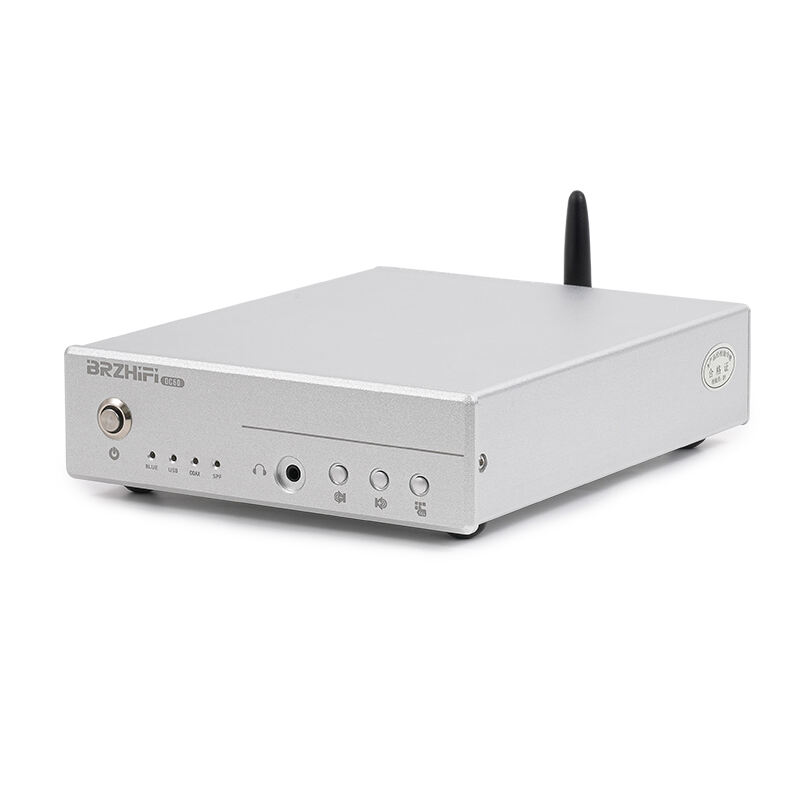
Modern audio systems face increasing challenges when it comes to device compatibility and seamless integration across different platforms. The complexity of managing multiple audio formats, connection types, and signal processing requirements has created a pressing need for versatile solutions that can bridge these technological gaps. A universal decoder emerges as a crucial component that addresses these compatibility issues by providing comprehensive format support and flexible connectivity options that work across diverse audio ecosystems.
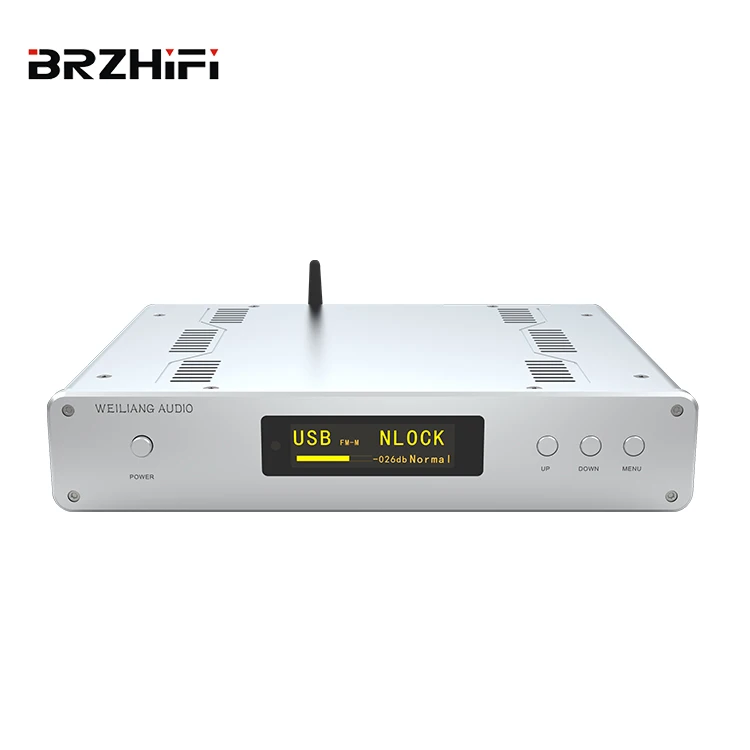
The rapid evolution of digital audio technology has led to an ecosystem where multiple formats, protocols, and standards coexist, often creating compatibility barriers between devices from different manufacturers. Professional audio engineers, home theater enthusiasts, and music producers frequently encounter situations where their equipment cannot communicate effectively due to incompatible signal formats or connection interfaces. This fragmentation has driven the development of sophisticated decoding solutions that can serve as universal translators in the digital audio domain.
Understanding how a universal decoder functions requires examining both its hardware architecture and software capabilities. These devices incorporate advanced digital signal processing chips, multiple input interfaces, and intelligent format recognition algorithms that automatically detect and convert various audio signals. The result is a seamless audio experience that eliminates the frustration of incompatible devices and reduces the need for multiple specialized converters in professional and consumer audio setups.
Core Architecture and Technology Integration
Digital Signal Processing Foundations
The foundation of any effective universal decoder lies in its digital signal processing capabilities, which determine how accurately and efficiently it can handle different audio formats. Modern universal decoder units utilize high-performance DAC chips such as the ESS Sabre series or AKM Velvet Sound processors, which provide the computational power necessary to decode complex audio streams in real-time. These processors must handle sample rates ranging from standard CD quality at 44.1kHz to high-resolution formats exceeding 384kHz, while maintaining low distortion and noise levels.
The signal processing chain in a universal decoder typically includes multiple stages of filtering, upsampling, and noise shaping to ensure optimal audio quality across all supported formats. Advanced implementations incorporate oversampling techniques that can improve the effective resolution of lower-quality source material, while sophisticated digital filters minimize aliasing and other artifacts that can degrade audio fidelity. This comprehensive approach ensures that regardless of the input format, the universal decoder delivers consistent, high-quality output that meets professional audio standards.
Error correction and jitter reduction represent additional critical components of the signal processing architecture. A well-designed universal decoder includes robust error detection and correction algorithms that can recover from data transmission errors, ensuring uninterrupted playback even when dealing with less-than-perfect source signals. Jitter reduction circuits, often implemented through precision clock generation and buffering systems, eliminate timing variations that can introduce audible distortions in the final audio output.
Multi-Format Support Implementation
Supporting multiple audio formats requires sophisticated firmware that can recognize and process dozens of different encoding schemes and container formats. A comprehensive universal decoder must handle everything from legacy formats like MP3 and AAC to modern high-resolution formats such as DSD, FLAC, and MQA. This broad format support is achieved through modular software architecture that allows for easy updates and expansion as new formats emerge in the market.
The challenge of format support extends beyond simple decoding to include proper handling of metadata, embedded artwork, and format-specific features. For example, when processing MQA files, the universal decoder must properly unfold the encoded information to reveal the full high-resolution content, while DSD processing requires specialized handling to maintain the unique characteristics of this single-bit format. Each format brings its own requirements and optimization opportunities that must be addressed in the decoder design.
Container format support adds another layer of complexity, as audio data may be packaged within various wrapper formats such as FLAC, APE, or proprietary streaming protocols. The universal decoder must be capable of extracting audio streams from these containers while preserving all associated metadata and ensuring bit-perfect reproduction of the original content. This capability becomes particularly important in professional applications where audio integrity is paramount.
Connectivity and Interface Solutions
Physical Connection Standards
Modern universal decoder systems must accommodate a wide variety of physical connection standards to ensure compatibility with existing audio equipment. Traditional connections such as coaxial and optical S/PDIF remain important for legacy device support, while newer standards like USB Audio Class 2.0 and HDMI provide higher bandwidth and advanced feature support. The inclusion of balanced XLR outputs allows for professional-grade connections that minimize noise and interference in critical listening environments.
Wireless connectivity has become increasingly important in universal decoder design, with Bluetooth, Wi-Fi, and proprietary wireless protocols enabling flexible system integration without the constraints of physical cables. High-quality Bluetooth implementations supporting aptX HD, LDAC, and other advanced codecs ensure that wireless connections do not compromise audio quality. Wi-Fi connectivity opens up possibilities for network streaming, multi-room audio systems, and integration with smart home ecosystems.
The physical design of connection interfaces must consider both functionality and durability, particularly in professional environments where equipment may be frequently connected and disconnected. Gold-plated connectors, reinforced cable strain reliefs, and robust housing materials ensure long-term reliability even under demanding usage conditions. Proper electromagnetic shielding around connection points prevents interference that could degrade audio quality or cause compatibility issues with sensitive equipment.
Protocol Translation Capabilities
Beyond physical connections, a universal decoder must handle the translation between different communication protocols and signal formats that various devices use to exchange audio data. This includes converting between PCM and DSD formats, handling different sample rate requirements, and managing the handshaking processes that establish communication between devices. Protocol translation often involves real-time format conversion that must maintain audio quality while ensuring minimal latency.
Network protocols present particular challenges for universal decoder implementation, as devices must communicate across IP networks using standards such as UPnP, DLNA, or proprietary streaming protocols. The universal decoder must act as both a network client and server, discovering available audio sources while presenting itself as a compatible playback device to various control applications and media servers.
Security considerations in protocol implementation have become increasingly important as audio devices connect to networks and exchange data with various sources. Modern universal decoder designs incorporate encryption support, secure authentication mechanisms, and protection against network-based attacks that could compromise audio quality or system security. These features ensure that the convenience of network connectivity does not come at the expense of system integrity or performance.
System Integration Benefits
Workflow Simplification
The implementation of a universal decoder in audio systems dramatically simplifies workflow management by eliminating the need for multiple specialized conversion devices and reducing the complexity of signal routing. In professional studio environments, engineers can focus on creative work rather than troubleshooting compatibility issues between different pieces of equipment. This streamlined approach reduces setup time, minimizes potential points of failure, and creates more reliable audio production workflows.
Home theater and high-end audio systems benefit similarly from universal decoder integration, as users can connect various source devices without worrying about format compatibility or connection limitations. The universal decoder serves as a central hub that automatically handles format conversion and signal optimization, presenting a consistent interface to downstream amplifiers and speakers. This centralized approach simplifies system control and reduces the learning curve for users who want to enjoy high-quality audio without becoming technical experts.
The ability to handle multiple input sources simultaneously allows for more sophisticated audio routing and mixing capabilities within the universal decoder platform. Users can switch between different sources, adjust individual input levels, and even combine signals from multiple sources when required. This flexibility proves particularly valuable in installation environments where the audio system must accommodate various use cases and user preferences throughout the day.
Cost-Effectiveness and Space Efficiency
Replacing multiple specialized devices with a single universal decoder solution offers significant cost savings and space efficiency benefits in both professional and consumer applications. Rather than purchasing separate converters for different format types, users can invest in a comprehensive universal decoder that handles all required conversions within a single unit. This consolidation reduces not only initial equipment costs but also ongoing maintenance expenses and the complexity of inventory management.
Space considerations become particularly important in rack-mounted professional installations and compact home theater setups where every unit of rack space carries a premium cost. A universal decoder that combines the functionality of multiple traditional devices can free up valuable real estate for other essential equipment or simply reduce the overall footprint of the audio system. This space efficiency often translates directly into cost savings in commercial installations where rack space and cooling requirements drive significant operational expenses.
The reduced cabling requirements associated with universal decoder implementation provide additional benefits in terms of both cost and system reliability. Fewer interconnections mean fewer potential failure points, reduced susceptibility to electromagnetic interference, and simplified cable management. In large installations, the savings in high-quality audio cables alone can justify the investment in a comprehensive universal decoder solution.
Performance Optimization and Audio Quality
Signal Path Integrity
Maintaining signal path integrity throughout the decoding and conversion process represents one of the most critical aspects of universal decoder design. Every component in the signal chain, from input buffers through digital processing stages to output drivers, must be optimized to minimize noise, distortion, and other artifacts that could degrade audio quality. Advanced universal decoder implementations employ techniques such as differential signaling, isolated power supplies, and precision voltage references to ensure optimal performance across all operating conditions.
The digital domain processing within a universal decoder offers unique opportunities for signal enhancement and optimization that would be difficult or impossible to achieve in the analog domain. Digital filters can be precisely tailored to specific requirements, while advanced algorithms can perform real-time analysis and correction of various signal impairments. These capabilities allow the universal decoder to not only maintain the quality of high-grade source material but actually improve the performance of lower-quality inputs through intelligent processing.
Jitter performance deserves particular attention in universal decoder design, as timing variations can introduce audible artifacts even when all other performance parameters meet specification. Modern universal decoder designs incorporate multiple stages of jitter reduction, including input re-clocking, precision oscillators, and sophisticated buffer management systems. The result is output signals with timing accuracy that often exceeds that of the original source devices, leading to improved clarity and spatial imaging in the final audio presentation.
Adaptive Processing Capabilities
Advanced universal decoder systems incorporate adaptive processing capabilities that can automatically optimize performance based on the characteristics of the input signal and the requirements of the connected equipment. This intelligence allows the universal decoder to select appropriate filtering algorithms, adjust processing parameters, and optimize signal routing without requiring manual intervention from the user. Such adaptive behavior ensures optimal performance across a wide range of source material and system configurations.
Room correction and acoustic optimization features represent emerging capabilities in high-end universal decoder implementations. By analyzing the acoustic characteristics of the listening environment and the frequency response of connected speakers, these systems can apply corrective processing that compensates for room acoustics and speaker limitations. This capability extends the universal decoder concept beyond simple format conversion to include comprehensive system optimization.
Dynamic range management and loudness optimization features help universal decoder systems deliver consistent audio quality across different source materials and listening conditions. These algorithms can automatically adjust signal levels, apply dynamic range compression when appropriate, and ensure that quiet passages remain audible while preventing loud sections from becoming overwhelming. Such intelligent processing maintains the artistic intent of the original recording while adapting to practical listening requirements.
Integration with Modern Audio Ecosystems
Streaming Platform Compatibility
The integration of universal decoder technology with modern streaming platforms requires sophisticated software implementations that can handle the complex authentication, digital rights management, and quality adaptation requirements of services like Tidal, Spotify, and Amazon Music. Universal decoder systems must support multiple streaming protocols while maintaining the security and content protection measures required by content providers. This capability enables users to access their preferred streaming services directly through the universal decoder without compromising audio quality or requiring additional devices.
High-resolution streaming support has become a key differentiator for universal decoder systems, as services increasingly offer lossless and high-resolution content that requires specialized handling to realize its full potential. The universal decoder must be capable of receiving and processing these high-bandwidth streams while maintaining bit-perfect accuracy throughout the signal chain. This capability often requires dedicated network interfaces and processing power that exceeds the requirements of traditional audio decoding applications.
Multi-room audio integration represents another important aspect of modern universal decoder design, as users expect seamless audio distribution throughout their homes or facilities. Universal decoder systems must support synchronization protocols that enable coordinated playback across multiple zones while allowing independent control of volume, source selection, and processing parameters in each area. This functionality requires sophisticated networking capabilities and real-time synchronization algorithms that maintain perfect timing alignment across distributed playback systems.
Smart Home and IoT Integration
The evolution toward smart home ecosystems has created new requirements for universal decoder integration with voice assistants, home automation systems, and mobile control applications. Modern universal decoder designs must support various control protocols and APIs that allow integration with platforms such as Amazon Alexa, Google Assistant, and Apple HomeKit. This integration enables voice control of audio functions while allowing the universal decoder to participate in broader home automation scenarios.
Internet of Things connectivity brings both opportunities and challenges to universal decoder implementation. While IoT capabilities enable remote monitoring, automatic updates, and advanced diagnostic functions, they also introduce potential security vulnerabilities that must be carefully managed. Universal decoder systems must implement robust security measures including encrypted communications, secure boot processes, and regular security updates to maintain system integrity in connected environments.
Mobile app integration has become essential for modern universal decoder systems, as users expect comprehensive control capabilities from their smartphones and tablets. These applications must provide intuitive interfaces for source selection, format configuration, and system monitoring while supporting advanced features such as room correction setup and firmware updates. The universal decoder must expose appropriate APIs and maintain responsive communication with mobile devices even under heavy processing loads.
Future-Proofing and Scalability
Firmware Updateability
The rapid pace of innovation in digital audio technology makes firmware updateability a critical requirement for universal decoder systems that must remain relevant and functional over extended service lives. Modern universal decoder designs incorporate secure update mechanisms that can add support for new audio formats, improve existing algorithms, and enhance system security without requiring hardware replacement. This capability ensures that users can benefit from ongoing technological developments while protecting their investment in high-quality audio equipment.
Over-the-air update capabilities enable universal decoder manufacturers to provide rapid responses to emerging format standards and security vulnerabilities. These systems must be designed with robust recovery mechanisms that prevent update failures from rendering the device inoperable, while also providing rollback capabilities that allow users to return to previous firmware versions if necessary. The update process must be transparent to users while maintaining the highest levels of security and reliability.
Modular firmware architecture allows universal decoder systems to support optional features and capabilities that can be enabled through software licensing or subscription models. This approach enables manufacturers to offer different feature tiers while using common hardware platforms, reducing manufacturing costs and inventory complexity. Users benefit from the ability to upgrade their systems with new capabilities without requiring hardware replacement, extending the useful life of their universal decoder investment.
Hardware Expansion Capabilities
Forward-thinking universal decoder designs incorporate expansion capabilities that allow users to add new functionality through hardware modules or interface cards. These expansion systems might support additional input formats, enhanced processing capabilities, or specialized output options that address specific application requirements. Modular hardware design ensures that universal decoder systems can adapt to changing needs without requiring complete system replacement.
Processing power scalability becomes particularly important as audio formats continue to evolve toward higher resolution and more complex encoding schemes. Universal decoder systems must be designed with sufficient computational headroom to handle future format requirements, or alternatively, provide upgrade paths that allow users to enhance processing capabilities as needed. This might involve upgradeable processor modules, external processing units, or cloud-based computing resources that can augment local processing power.
Network infrastructure requirements for universal decoder systems continue to evolve as streaming quality improves and multi-room installations become more sophisticated. Future-proof designs must anticipate bandwidth requirements that may exceed current network capabilities while providing upgrade paths for enhanced network interfaces. This forward-thinking approach ensures that universal decoder systems can take advantage of improved network infrastructure without requiring complete replacement.
FAQ
What makes a universal decoder different from standard DACs
A universal decoder goes beyond traditional DAC functionality by incorporating comprehensive format support, multiple input interfaces, and intelligent signal processing capabilities that can handle diverse audio sources and formats automatically. While a standard DAC typically focuses on converting digital signals to analog output with high fidelity, a universal decoder acts as a complete audio processing hub that can receive, decode, process, and output audio signals across multiple formats and connection types. This includes support for network streaming, wireless connectivity, and advanced features like room correction and multi-room audio distribution.
How does format conversion affect audio quality in universal decoders
Modern universal decoder systems use sophisticated algorithms and high-quality processing components to minimize any quality impact during format conversion. In many cases, the conversion process can actually improve audio quality through advanced filtering, jitter reduction, and noise shaping techniques that exceed the performance of the original source device. The key is using high-resolution processing with sufficient computational power and precision to maintain the integrity of the original audio content while adapting it to different output requirements and formats.
Can universal decoders handle both professional and consumer audio applications
Yes, well-designed universal decoder systems can accommodate both professional and consumer applications through flexible configuration options, multiple output formats, and scalable connectivity. Professional features might include balanced XLR outputs, wordclock synchronization, and advanced monitoring capabilities, while consumer-oriented features focus on ease of use, streaming service integration, and home theater compatibility. Many universal decoder systems allow users to configure the device for their specific application requirements while maintaining the flexibility to adapt to different use cases as needs change.
What should I consider when choosing a universal decoder for my system
When selecting a universal decoder, consider your current and future format requirements, connectivity needs, and integration requirements with existing equipment. Evaluate the supported input and output formats, connection types, and any special features like room correction or multi-room capabilities that might be important for your application. Also consider the manufacturer's track record for firmware updates and technical support, as these factors will determine how well your universal decoder investment will serve you over time as audio technology continues to evolve.