
 EN
EN
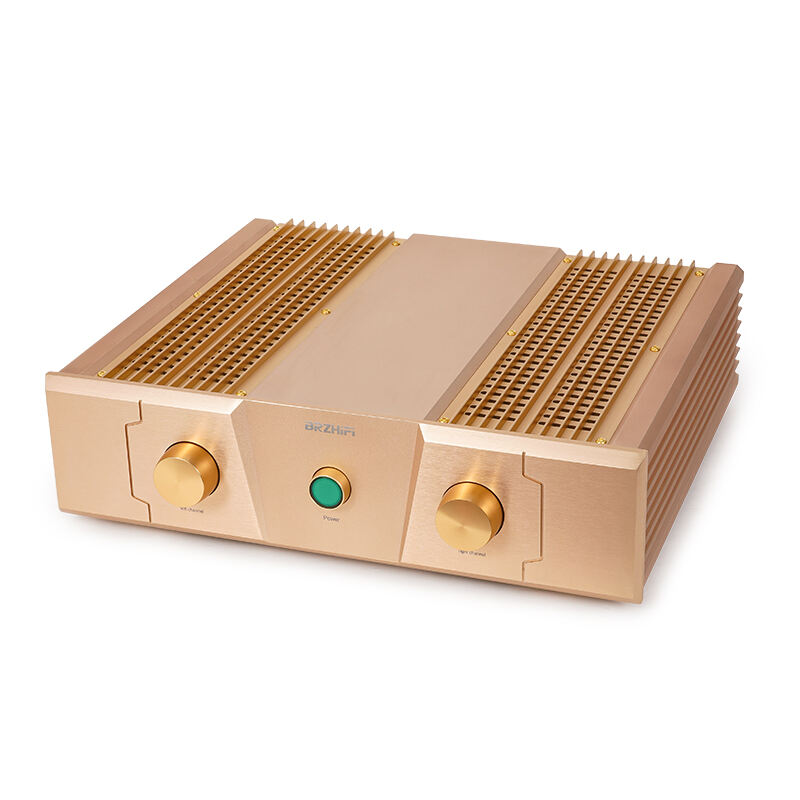
Modern commercial audio installations demand efficient, reliable amplification solutions that deliver professional performance without consuming excessive space or energy. The evolution of amplifier technology has brought forth innovative designs that meet these stringent requirements while maintaining exceptional audio fidelity. A small class d power amp represents the pinnacle of this technological advancement, offering businesses and professional installers a compact yet powerful solution for diverse commercial applications. These sophisticated devices combine cutting-edge digital amplification with thermal efficiency, making them ideal for retail environments, conference rooms, restaurants, and other commercial spaces where space constraints and energy consumption are critical considerations.
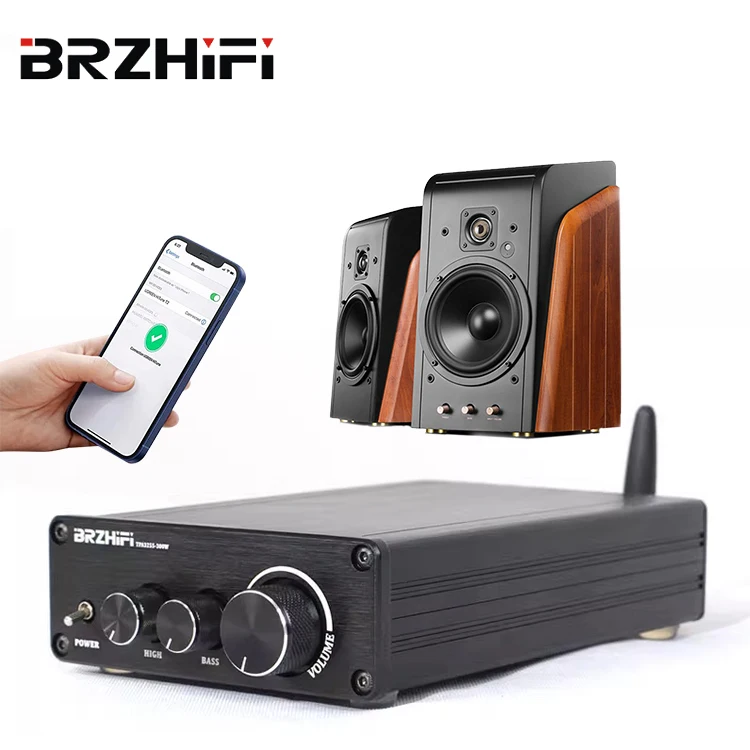
Understanding Class D Amplification Technology
Digital Switching Architecture Fundamentals
Class D amplification operates through a sophisticated digital switching mechanism that fundamentally differs from traditional analog amplifier designs. This technology converts audio signals into high-frequency pulse-width modulated signals, allowing the amplifier to achieve remarkable efficiency ratings often exceeding ninety percent. The switching approach minimizes heat generation while maximizing power output, making every small class d power amp significantly more energy-efficient than conventional linear amplifiers. Commercial installations benefit tremendously from this efficiency, as reduced heat dissipation translates to lower cooling requirements and decreased operational costs.
The pulse-width modulation process involves rapidly switching the output transistors between fully on and fully off states, eliminating the partial conduction that creates heat in traditional amplifier designs. This binary operation ensures that minimal energy is wasted as heat, allowing manufacturers to create increasingly compact amplifier designs without compromising power output capabilities. Professional audio engineers appreciate this technology because it enables reliable operation in challenging commercial environments where ambient temperatures may fluctuate significantly throughout operating periods.
Advanced Signal Processing Capabilities
Contemporary small class d power amp designs incorporate sophisticated digital signal processing capabilities that enhance audio quality while providing valuable system management features. These processors can implement real-time equalization, crossover filtering, and dynamic range compression, allowing commercial installations to optimize audio performance for specific acoustic environments. The digital nature of these amplifiers enables precise control over various audio parameters, ensuring consistent performance regardless of environmental conditions or load variations.
Integration of advanced DSP technology allows commercial users to implement complex audio processing algorithms without requiring additional external equipment. Features such as automatic gain control, feedback suppression, and multi-zone audio distribution become inherently available within the amplifier itself. This consolidation reduces system complexity while improving reliability, as fewer interconnections mean fewer potential failure points in critical commercial audio applications.
Commercial Installation Advantages
Space Optimization and Rack Efficiency
Commercial audio installations often face severe space constraints, particularly in retail environments, corporate offices, and hospitality venues where equipment rooms are minimized to maximize revenue-generating floor space. A well-designed small class d power amp addresses these challenges by delivering substantial power output within remarkably compact form factors. Many professional models achieve power densities that would have been impossible with traditional amplifier technologies, allowing installers to fit comprehensive audio systems into previously unusable spaces.
The reduced size requirements of modern Class D amplifiers enable more flexible installation approaches, including distributed amplification strategies where small amplifiers are placed closer to speaker loads. This approach can reduce speaker cable runs, improve system reliability, and provide better impedance matching for optimal audio performance. Commercial installers particularly appreciate the ability to mount amplifiers in ceiling spaces, behind displays, or within furniture, creating cleaner installations that meet aesthetic requirements while maintaining professional performance standards.
Energy Efficiency and Operational Cost Reduction
Energy consumption represents a significant ongoing operational expense for commercial audio systems, particularly in applications requiring continuous operation such as retail background music, paging systems, and conference room audio. The exceptional efficiency of Class D amplification technology directly translates to reduced electricity costs and lower environmental impact. A typical small class d power amp consumes significantly less power than equivalent traditional amplifiers, with the difference becoming more pronounced as system size and operating hours increase.
Beyond direct energy savings, the reduced heat generation of Class D amplifiers decreases air conditioning requirements in equipment rooms and commercial spaces. This secondary benefit can represent substantial additional savings, particularly in warm climates or densely packed commercial environments. Facility managers increasingly recognize these operational advantages when evaluating audio system investments, as the total cost of ownership often favors efficient amplifier technologies over several years of operation.
Performance Characteristics for Commercial Applications
Power Output Scalability and Load Management
Commercial audio applications demand amplifiers that can handle diverse load conditions while maintaining stable performance across varying power requirements. Modern small class d power amp designs excel in this regard, offering impressive power scalability within compact chassis configurations. These amplifiers typically provide multiple output channels with independent level controls, enabling single-unit solutions for multi-zone commercial applications such as restaurants with bar areas, dining rooms, and outdoor patios requiring independent audio control.
The inherent load tolerance of Class D amplification allows these compact units to drive challenging speaker configurations including distributed ceiling speaker systems, outdoor weather-resistant speakers, and mixed-impedance installations. Professional installers value this flexibility because it simplifies system design while reducing the number of amplifier units required for complex commercial installations. Advanced protection circuits ensure reliable operation even when speakers are inadvertently short-circuited or when impedance mismatches occur during installation or maintenance activities.
Audio Quality and Signal Integrity
Contemporary Class D amplifier designs have overcome historical concerns about audio quality through advanced circuit topology and sophisticated output filtering. Professional-grade small class d power amp units now deliver audio performance that meets or exceeds traditional amplifier standards while maintaining the efficiency advantages of digital switching technology. Total harmonic distortion levels typically remain below audible thresholds across the entire audio spectrum, ensuring that commercial background music, speech reinforcement, and other audio content maintains professional clarity.
The digital switching nature of Class D amplifiers provides excellent channel separation and minimal crosstalk, important characteristics for commercial applications requiring precise audio control. Multi-zone restaurant systems benefit from this performance, as audio bleeding between zones can negatively impact customer experience. Additionally, the inherent noise immunity of digital amplification helps maintain signal quality in commercial environments with significant electromagnetic interference from lighting systems, computer networks, and other electronic equipment.
Integration with Modern Commercial Audio Systems
Network Connectivity and Remote Management
Contemporary commercial audio installations increasingly require network integration for centralized control, monitoring, and content distribution. Advanced small class d power amp models incorporate Ethernet connectivity, wireless communication capabilities, and compatibility with industry-standard control protocols. These features enable facility managers and audio technicians to monitor amplifier performance, adjust system parameters, and diagnose issues remotely without requiring physical access to equipment locations.
Integration with building management systems allows commercial audio to respond automatically to occupancy schedules, emergency conditions, and environmental factors. Retail installations can automatically adjust background music levels based on customer traffic patterns, while corporate facilities can integrate paging systems with fire safety protocols. The intelligence built into modern Class D amplifiers supports these sophisticated integration requirements while maintaining the simplicity and reliability that commercial applications demand.
Compatibility with Digital Audio Sources
The digital nature of Class D amplification creates natural compatibility with contemporary digital audio sources including streaming media players, computer-based audio systems, and digital mixing consoles. Many small class d power amp models include built-in digital audio interfaces, eliminating the need for separate digital-to-analog converters and simplifying signal routing in complex commercial installations. This direct digital connectivity maintains signal integrity throughout the entire audio chain while reducing system complexity and potential failure points.
Bluetooth connectivity and wireless audio streaming capabilities increasingly appear in commercial-grade Class D amplifiers, enabling flexible content delivery without requiring dedicated audio wiring. Conference rooms benefit from wireless presentation capabilities, while retail environments can implement dynamic playlist management through cloud-based audio services. These connectivity options expand the versatility of small class d power amp solutions while maintaining the professional reliability required for commercial applications.
Environmental Considerations and Reliability
Thermal Management and Operating Environment Tolerance
Commercial environments present challenging conditions for electronic equipment, including temperature variations, humidity fluctuations, dust accumulation, and vibration from HVAC systems or nearby mechanical equipment. The inherently cool-running operation of Class D amplification provides significant advantages in these conditions, as reduced internal heat generation minimizes thermal stress on electronic components and extends operational lifespan. Professional small class d power amp designs incorporate advanced thermal management systems that ensure stable operation across wide temperature ranges without requiring external cooling.
Convection cooling and strategically placed heat sinks allow many compact Class D amplifiers to operate silently while maintaining safe operating temperatures. This quiet operation becomes particularly important in commercial applications such as conference rooms, libraries, or upscale retail environments where equipment noise can negatively impact the user experience. The absence of cooling fans also eliminates a common maintenance requirement and potential failure point in commercial audio systems.
Protection Circuits and Fault Recovery
Commercial audio systems must operate reliably with minimal maintenance intervention, often in locations where technical support may not be immediately available. Modern small class d power amp designs incorporate comprehensive protection circuits that monitor output conditions, power supply stability, and internal temperatures continuously. These systems can detect and respond to fault conditions such as short circuits, overloads, and thermal stress before damage occurs, ensuring system availability and reducing maintenance requirements.
Automatic recovery capabilities allow protected amplifiers to resume normal operation once fault conditions are resolved, minimizing system downtime in commercial applications. Soft-start circuitry prevents inrush current spikes that could trip circuit breakers or interfere with other electronic systems, while output limiting prevents speaker damage during transient overload conditions. These protection features reduce the technical expertise required for commercial system operation while ensuring consistent performance reliability.
FAQ
What power output can I expect from a small Class D amplifier for commercial use
Modern small class d power amp units typically deliver between 50 and 500 watts per channel depending on their specific design and intended application. Commercial models often provide multiple channels within compact chassis, allowing total system power outputs that would traditionally require much larger amplifier configurations. The actual power requirements for commercial applications vary significantly based on speaker efficiency, room acoustics, and desired sound pressure levels, but most small commercial spaces can be adequately served by amplifiers in the 100-200 watt per channel range.
How does the efficiency of Class D amplification impact my electricity costs
Class D amplifiers typically achieve efficiency ratings between 85-95%, compared to 50-70% for traditional Class AB amplifiers. This difference translates directly to reduced electricity consumption, with savings becoming more significant as system operating hours increase. For commercial installations operating 12-16 hours daily, the annual energy savings from using efficient small class d power amp technology can offset a substantial portion of the initial equipment investment while reducing ongoing operational expenses throughout the system's operational lifespan.
Can small Class D amplifiers handle the demanding requirements of commercial installations
Contemporary Class D amplifier designs specifically engineered for commercial applications incorporate robust power supplies, comprehensive protection circuits, and thermal management systems that ensure reliable operation in challenging commercial environments. Professional-grade units undergo extensive testing for temperature cycling, vibration tolerance, and electrical stress conditions that exceed typical commercial operating requirements. Many manufacturers provide extended warranties and 24/7 operation ratings that demonstrate confidence in their amplifiers' commercial reliability.
What installation considerations are unique to commercial Class D amplifier deployments
Commercial installations of small class d power amp systems require attention to proper grounding, electromagnetic interference mitigation, and integration with existing building systems such as fire safety and security networks. Installers must consider factors including emergency override capabilities, zone isolation requirements, and compliance with local building codes and ADA accessibility standards. Professional installation practices ensure optimal performance while meeting the regulatory and operational requirements specific to commercial audio applications.
Table of Contents
- Understanding Class D Amplification Technology
- Commercial Installation Advantages
- Performance Characteristics for Commercial Applications
- Integration with Modern Commercial Audio Systems
- Environmental Considerations and Reliability
-
FAQ
- What power output can I expect from a small Class D amplifier for commercial use
- How does the efficiency of Class D amplification impact my electricity costs
- Can small Class D amplifiers handle the demanding requirements of commercial installations
- What installation considerations are unique to commercial Class D amplifier deployments