
 EN
EN
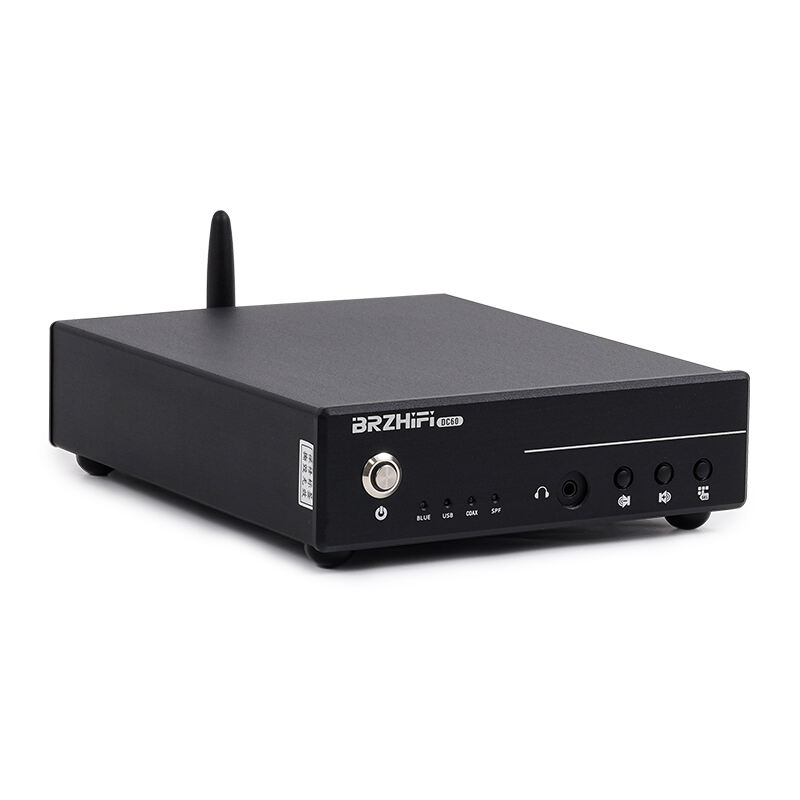
When sourcing teams embark on the critical journey of selecting manufacturing partners for audio equipment, evaluating a digital players factory requires a comprehensive assessment framework that goes far beyond basic pricing considerations. The complexity of modern digital audio devices demands that procurement professionals examine multiple facets of a potential manufacturing partner's capabilities, from technical expertise to quality control systems. Understanding how to properly evaluate these specialized facilities can mean the difference between a successful product launch and costly manufacturing delays or quality issues.
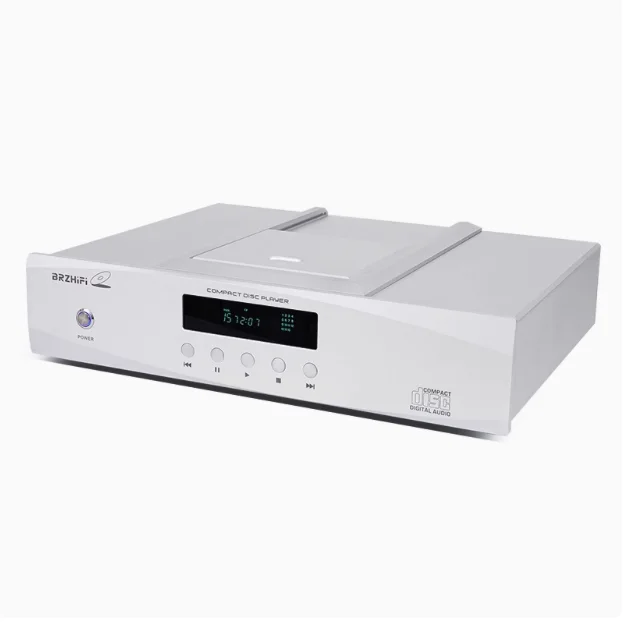
The audio equipment manufacturing landscape has evolved dramatically over the past decade, with digital players becoming increasingly sophisticated in their technical requirements. Modern sourcing teams must navigate this complex environment while ensuring their chosen digital players factory can meet both current specifications and future technological demands. The evaluation process requires a systematic approach that examines every aspect of the manufacturing relationship, from initial capability assessments to long-term partnership potential.
Core Manufacturing Capabilities Assessment
Technical Infrastructure and Equipment
A thorough evaluation of any digital players factory begins with examining their technical infrastructure and manufacturing equipment. Sourcing teams must assess whether the facility possesses the necessary machinery for precision manufacturing of digital audio components. This includes examining their surface-mount technology capabilities, automated testing equipment, and quality control instrumentation. The presence of modern, well-maintained equipment often indicates the factory's commitment to producing high-quality digital players that meet international standards.
Beyond basic equipment inventory, sourcing professionals should evaluate the factory's technological sophistication level. Advanced digital players factory operations typically feature automated production lines, computer-controlled testing systems, and integrated quality management software. These technological capabilities directly impact production efficiency, consistency, and the ability to maintain tight tolerances required for premium audio equipment manufacturing.
Production Capacity and Scalability
Understanding production capacity represents a fundamental aspect of evaluating any digital players factory partnership. Sourcing teams must assess not only current production volumes but also the facility's ability to scale operations based on market demand fluctuations. This evaluation should include examining their workforce size, shift capabilities, and potential for rapid capacity expansion when needed.
Effective capacity planning also involves understanding the factory's ability to handle multiple product lines simultaneously. A sophisticated digital players factory should demonstrate flexibility in managing diverse manufacturing requirements while maintaining quality standards across all product categories. This includes evaluating their ability to handle both high-volume standard products and lower-volume specialized or custom digital players.
Quality Management Systems
Certification Standards and Compliance
Quality certifications provide crucial insights into a digital players factory's operational standards and commitment to excellence. Sourcing teams should verify that potential partners hold relevant industry certifications such as ISO 9001, ISO 14001, and specific audio industry standards. These certifications indicate that the facility has implemented systematic approaches to quality management, environmental responsibility, and continuous improvement processes.
Beyond standard certifications, evaluation should include examining the factory's compliance with regional and international regulations governing electronic device manufacturing. A reputable digital players factory will maintain current certifications for electromagnetic compatibility, safety standards, and environmental regulations such as RoHS compliance. This regulatory adherence protects sourcing companies from potential legal and market access issues.
Quality Control Processes and Testing Procedures
Comprehensive quality control systems form the backbone of reliable digital players factory operations. Sourcing teams must evaluate the factory's approach to incoming material inspection, in-process quality checks, and final product testing procedures. Effective quality control includes both automated testing systems and manual inspection processes designed to catch defects before products leave the facility.
The sophistication of testing procedures often distinguishes exceptional facilities from average ones. Leading digital players factory operations implement comprehensive testing protocols that include audio performance verification, durability testing, and reliability assessments. These testing capabilities ensure that finished products meet specified performance criteria and will perform reliably throughout their intended lifespan.
Supply Chain Management and Logistics
Component Sourcing and Vendor Relationships
A digital players factory's supply chain management capabilities significantly impact both product quality and delivery reliability. Sourcing teams should evaluate how potential manufacturing partners manage their component suppliers, including their vendor qualification processes and ongoing supplier performance monitoring. Strong vendor relationships often translate to better component pricing, improved quality, and enhanced supply chain resilience.
Understanding the factory's approach to component sourcing also provides insights into their ability to manage cost fluctuations and supply disruptions. Experienced digital players factory operations typically maintain relationships with multiple suppliers for critical components, ensuring production continuity even when individual suppliers face challenges. This redundancy planning demonstrates sophisticated supply chain management that protects against potential manufacturing delays.
Inventory Management and Production Planning
Effective inventory management directly impacts a digital players factory's ability to meet delivery commitments while maintaining cost efficiency. Sourcing teams should evaluate the factory's inventory planning systems, including their approach to raw material stocking, work-in-progress management, and finished goods handling. Advanced facilities typically employ sophisticated inventory management software that optimizes stock levels while minimizing carrying costs.
Production planning capabilities reveal how well a digital players factory can coordinate complex manufacturing schedules while accommodating customer requirements. This includes evaluating their ability to manage seasonal demand variations, handle rush orders, and maintain production efficiency across different product mix scenarios. Effective production planning systems enable factories to provide reliable delivery commitments and maintain consistent quality levels.
Financial Stability and Business Practices
Financial Health Assessment
Evaluating the financial stability of a potential digital players factory partner protects sourcing companies from supply disruptions caused by financial difficulties. This assessment should include reviewing financial statements, credit ratings, and payment history with suppliers and customers. A financially stable manufacturing partner provides greater assurance of continued operations and investment in facility improvements.
Beyond current financial health, sourcing teams should evaluate the factory's investment patterns and growth trajectory. Facilities that consistently invest in equipment upgrades, employee training, and process improvements demonstrate long-term viability and commitment to remaining competitive in the digital players factory market. This forward-looking approach benefits sourcing companies through access to improved capabilities and enhanced manufacturing efficiency.
Pricing Structure and Cost Transparency
Understanding pricing methodologies helps sourcing teams evaluate the overall value proposition offered by different digital players factory options. Transparent pricing structures that clearly break down material costs, labor expenses, and overhead allocations enable better cost comparison and negotiation. Reputable manufacturers typically provide detailed cost breakdowns and are willing to discuss their pricing methodologies openly.
Cost transparency also extends to understanding how the digital players factory handles cost variations related to material price fluctuations, volume changes, and specification modifications. Effective cost management includes clear agreements on how these variables will be addressed, protecting both parties from unexpected cost impacts while maintaining fair pricing throughout the manufacturing relationship.
Communication and Project Management
Communication Capabilities and Language Support
Effective communication forms the foundation of successful manufacturing partnerships, making language capabilities and communication systems crucial evaluation criteria. Sourcing teams should assess the digital players factory's ability to communicate clearly in their preferred business language, including technical discussions, project updates, and problem-solving scenarios. Strong communication capabilities reduce misunderstandings and facilitate smooth project execution.
Modern communication systems enable real-time collaboration between sourcing teams and manufacturing partners. Leading digital players factory operations typically provide customer portals, regular progress reports, and responsive communication channels that keep clients informed about production status, quality issues, and delivery schedules. These communication tools enhance transparency and enable proactive problem resolution.
Project Management and Timeline Adherence
Project management capabilities directly impact a digital players factory's ability to deliver products on schedule and within specifications. Sourcing teams should evaluate the factory's project management methodologies, including their approach to milestone tracking, resource allocation, and schedule management. Effective project management systems provide visibility into production progress and enable early identification of potential delays or issues.
Timeline adherence history provides valuable insights into a digital players factory's reliability and operational efficiency. Sourcing teams should request references from current and previous customers, focusing on delivery performance, quality consistency, and problem resolution capabilities. Consistent on-time delivery indicates well-managed operations and effective planning systems that support reliable manufacturing partnerships.
Innovation and Development Capabilities
Research and Development Resources
Innovation capabilities distinguish leading digital players factory operations from basic manufacturing providers. Sourcing teams should evaluate the factory's research and development resources, including engineering staff, testing facilities, and prototype development capabilities. Strong R&D resources enable manufacturing partners to contribute to product development and suggest improvements based on their manufacturing expertise.
The presence of dedicated engineering teams within a digital players factory indicates their ability to support custom product development and handle complex technical requirements. These capabilities become particularly valuable when sourcing teams require modifications to standard products or need support developing entirely new digital player designs. Engineering support throughout the development process can significantly reduce time-to-market and improve final product quality.
Technology Adoption and Future Readiness
Evaluating technology adoption patterns helps sourcing teams identify digital players factory partners positioned for future success. This includes examining their investment in Industry 4.0 technologies, automation systems, and digital manufacturing tools. Factories that embrace new technologies often provide better efficiency, quality, and cost performance over the long term.
Future readiness also encompasses the factory's ability to adapt to changing market requirements and emerging technologies in the digital audio space. A forward-thinking digital players factory will demonstrate awareness of industry trends, invest in relevant training programs, and maintain flexibility to evolve their manufacturing capabilities as technology advances.
FAQ
What are the most important certifications to look for in a digital players factory?
The most critical certifications include ISO 9001 for quality management systems, ISO 14001 for environmental management, and specific audio industry standards such as IEC 60065 for audio equipment safety. Additionally, look for RoHS compliance, CE marking capabilities, and FCC certification support to ensure global market access for manufactured products.
How can sourcing teams verify the actual production capacity of a digital players factory?
Production capacity verification should include facility tours, equipment inventory reviews, and discussions with current customers about their volume experiences. Request detailed capacity statements broken down by product type and examine the factory's shift patterns, workforce size, and equipment utilization rates to validate claimed production capabilities.
What financial information should sourcing teams request from potential manufacturing partners?
Request recent financial statements, credit reports, and references from suppliers and financial institutions. Additionally, examine their investment history in facility improvements and equipment upgrades, as consistent investment indicates financial stability and commitment to maintaining competitive manufacturing capabilities.
How important is geographic location when selecting a digital players factory partner?
Geographic location impacts shipping costs, lead times, and communication efficiency, but should be balanced against overall value proposition. Consider factors such as proximity to component suppliers, logistics infrastructure, labor costs, and regulatory environment when evaluating location advantages for your specific digital players factory requirements.
Table of Contents
- Core Manufacturing Capabilities Assessment
- Quality Management Systems
- Supply Chain Management and Logistics
- Financial Stability and Business Practices
- Communication and Project Management
- Innovation and Development Capabilities
-
FAQ
- What are the most important certifications to look for in a digital players factory?
- How can sourcing teams verify the actual production capacity of a digital players factory?
- What financial information should sourcing teams request from potential manufacturing partners?
- How important is geographic location when selecting a digital players factory partner?