
 EN
EN
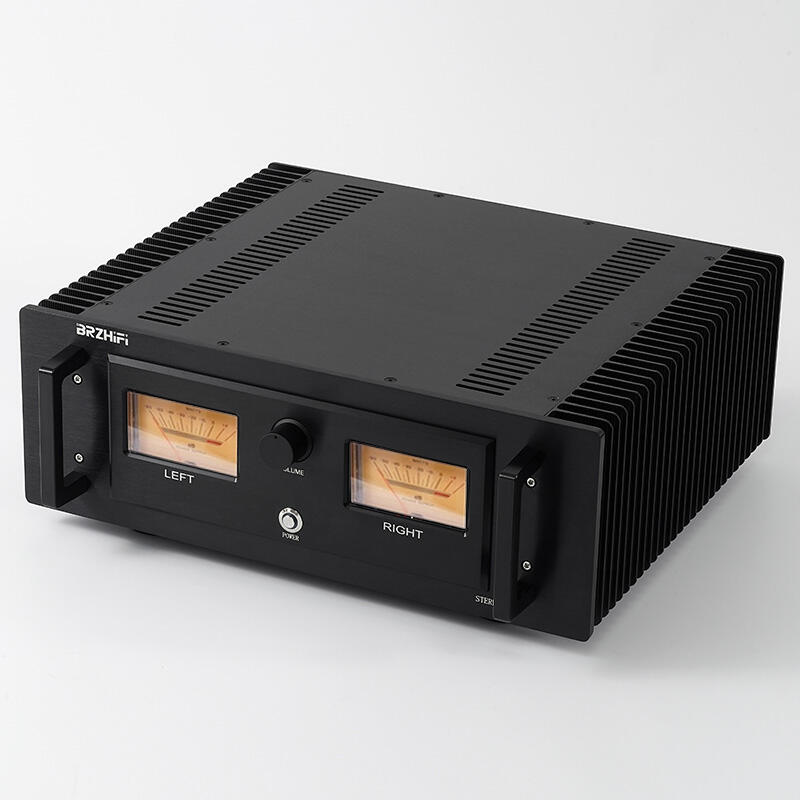
The modern retail landscape presents unique challenges when selecting audio equipment for commercial environments. Many business owners find themselves questioning whether the cheapest cd players can deliver acceptable performance for their retail channels. This decision impacts not only customer experience but also long-term operational costs and brand reputation. Understanding the balance between cost efficiency and quality requirements becomes crucial for retailers operating on tight margins while maintaining professional standards.
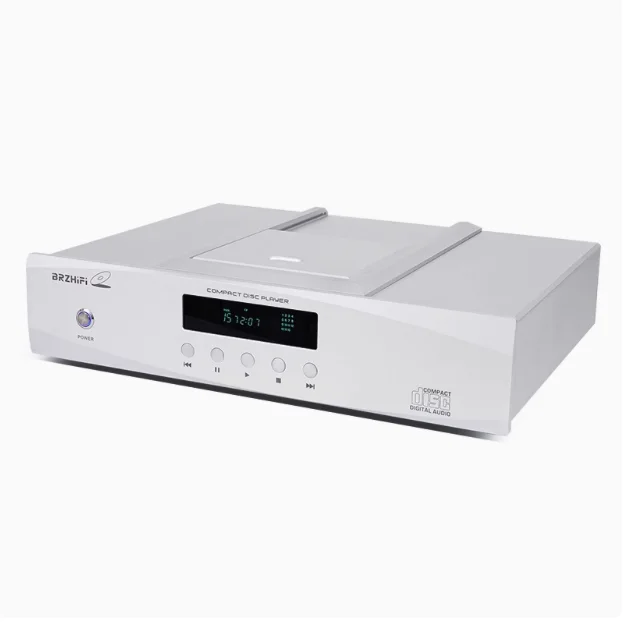
Budget-conscious retailers often gravitate toward the cheapest cd players without fully considering the implications of this choice. While initial cost savings appear attractive, the real question lies in whether these economical options can withstand the demands of commercial use. Retail environments typically require equipment that operates reliably for extended periods, handles frequent use, and maintains consistent audio quality throughout busy shopping periods. The cheapest cd players may seem like a logical starting point, but their suitability depends on various factors including build quality, feature set, and intended usage patterns.
Understanding Budget CD Player Performance Standards
Audio Quality Considerations for Retail Environments
When evaluating the cheapest cd players for retail applications, audio quality stands as the primary concern. Commercial spaces demand consistent sound reproduction that enhances the shopping experience without creating distractions or fatigue among customers. Budget models often compromise on digital-to-analog conversion quality, potentially resulting in compressed or harsh sound characteristics that may negatively impact the retail atmosphere. However, not all inexpensive options suffer from these limitations, as some manufacturers prioritize essential audio components while reducing costs in other areas.
The acoustic environment of retail spaces presents unique challenges that affect how the cheapest cd players perform in practice. Background noise, varying customer density, and acoustic reflections from hard surfaces can mask subtle audio deficiencies that might be noticeable in quieter settings. This environmental masking effect sometimes allows budget players to perform adequately in retail contexts where their limitations might be more apparent in critical listening environments. Retailers should consider their specific acoustic conditions when evaluating whether economical CD players meet their performance requirements.
Durability and Reliability Factors
Commercial use places significantly higher demands on equipment reliability compared to residential applications. The cheapest cd players typically feature cost-reduced components that may not withstand the extended operating hours common in retail environments. Laser assemblies, mechanical transport mechanisms, and power supply components in budget models often have shorter lifespans when subjected to continuous use. Retailers must weigh the initial savings against potential replacement costs and service disruptions that may arise from premature equipment failure.
Build quality varies considerably among the cheapest cd players available in the market. Some manufacturers maintain acceptable construction standards even at entry-level price points, while others sacrifice durability to achieve rock-bottom pricing. Evaluating construction materials, component quality, and manufacturer reputation becomes essential when selecting budget options for commercial applications. Retailers should prioritize models with solid transport mechanisms and adequate ventilation to ensure reliable operation under demanding conditions.
Commercial Application Requirements
Operating Environment Challenges
Retail environments present numerous challenges that can affect the performance and longevity of the cheapest cd players. Temperature fluctuations, dust accumulation, and electromagnetic interference from other electronic devices create operating conditions that exceed typical residential use scenarios. Budget CD players may lack adequate shielding or environmental protection features that help equipment maintain consistent performance under these challenging conditions. Understanding these environmental factors helps retailers make informed decisions about whether economical options can meet their operational requirements.
The physical installation requirements in retail spaces often demand features that may be absent from the cheapest cd players. Remote control capabilities, multiple output options, and programmable playback functions become important considerations for commercial applications. While basic budget models might provide adequate audio reproduction, they may lack the connectivity and control features necessary for professional retail installations. Retailers should carefully evaluate their specific operational requirements before committing to the lowest-cost options available.
Integration with Existing Audio Systems
Most retail environments utilize existing audio distribution systems that require specific input characteristics and signal levels. The cheapest cd players may not provide optimal compatibility with professional audio equipment, potentially requiring additional adapters or signal conditioning devices. Output impedance, signal level matching, and connector types become important technical considerations that can add unexpected costs to initially inexpensive solutions. Proper system integration often requires CD players with professional-grade outputs that may not be available in the most economical models.
Signal quality and interference rejection capabilities vary significantly among budget CD players. Retail environments often contain multiple electronic devices that can generate electromagnetic interference, potentially affecting audio signal integrity. The cheapest cd players typically provide minimal shielding against such interference, which may result in audible noise or signal degradation. Evaluating the electromagnetic compatibility of budget options becomes crucial for maintaining professional audio quality in commercial installations.
Cost-Benefit Analysis for Retail Applications
Initial Investment Versus Long-Term Costs
While the cheapest cd players offer obvious initial cost advantages, retailers must consider the total cost of ownership over the equipment's operational lifespan. Frequent replacements, higher maintenance requirements, and potential service disruptions can quickly offset initial savings. Budget models may require more frequent cleaning, alignment adjustments, or component replacements that add to operational costs. A comprehensive cost analysis should include these factors alongside the purchase price to determine the true economic impact of choosing economical options.
The impact of equipment downtime on retail operations represents a hidden cost that many retailers overlook when selecting the cheapest cd players. Audio system failures during peak business hours can negatively affect customer experience and potentially impact sales. Budget equipment's higher failure rates may result in more frequent service interruptions, making reliability a crucial economic consideration. Retailers operating in competitive markets should carefully weigh these operational risks against the initial cost savings offered by economical CD players.
Performance Standards and Customer Expectations
Modern retail customers have become accustomed to high-quality audio experiences in commercial environments. The cheapest cd players may not meet these elevated expectations, particularly in upscale retail settings where audio quality contributes to brand image. Poor sound reproduction can create negative associations with the retail environment, potentially affecting customer satisfaction and repeat business. Retailers should consider their target market demographics and brand positioning when evaluating whether budget audio equipment aligns with customer expectations.
The acoustic signature of retail spaces significantly influences how customers perceive the shopping environment. Audio quality affects mood, dwell time, and overall satisfaction levels among shoppers. While the cheapest cd players might provide adequate basic functionality, they may lack the sonic characteristics necessary to create the desired atmospheric effects. Premium retail environments typically require higher-quality audio reproduction that enhances the shopping experience and supports brand positioning goals.
Alternative Solutions and Recommendations
Mid-Range Options for Better Value
Retailers seeking alternatives to the cheapest cd players should consider mid-range options that offer improved reliability and features without excessive cost increases. These models typically provide better build quality, enhanced connectivity options, and improved audio performance while remaining budget-conscious. The incremental cost increase often delivers disproportionate improvements in reliability and functionality, making mid-range players a more cost-effective choice for many commercial applications.
Professional-grade entry-level CD players represent another alternative worth considering for retail applications. These models incorporate commercial-focused features such as cheapest cd players with balanced outputs, remote control capabilities, and enhanced durability. While slightly more expensive than consumer budget models, professional entry-level players often provide better long-term value through improved reliability and feature sets specifically designed for commercial use.
Digital Alternatives and Modern Solutions
The evolution of digital audio technology has introduced alternatives that may eliminate the need for traditional CD players in many retail applications. Streaming audio services, digital music libraries, and network-based audio distribution systems offer greater flexibility and potentially lower operational costs than physical media players. These modern solutions often provide superior reliability, easier content management, and reduced maintenance requirements compared to the cheapest cd players available in the market.
Cloud-based audio solutions and digital media players represent the future direction of retail audio systems. These technologies offer advantages including automatic updates, centralized content management, and elimination of physical media handling requirements. While requiring different infrastructure investments, digital alternatives often provide better long-term value and operational flexibility than traditional CD-based systems. Retailers planning long-term audio strategies should consider these emerging technologies alongside traditional options.
FAQ
Can the cheapest CD players handle continuous operation in retail environments
The cheapest cd players are generally not designed for continuous commercial operation and may experience premature failure when used in demanding retail environments. Most budget models are engineered for residential use with limited daily operating hours. Continuous operation can lead to overheating, laser assembly degradation, and mechanical wear that significantly reduces equipment lifespan. Retailers requiring continuous playback should consider models specifically rated for commercial use or implement rotation schedules to extend equipment life.
What audio quality differences exist between budget and professional CD players
The cheapest cd players typically utilize lower-quality digital-to-analog converters, less sophisticated error correction algorithms, and reduced analog output stages compared to professional models. These compromises may result in increased distortion, reduced dynamic range, and poorer signal-to-noise ratios. However, the audible significance of these differences varies depending on the acoustic environment, playback volume levels, and listener expectations. In noisy retail environments, these quality differences may be less noticeable than in critical listening applications.
Are there specific features that budget CD players commonly lack
The cheapest cd players often omit features important for commercial applications including balanced audio outputs, remote control capabilities, programmable playback functions, and robust connectivity options. Many budget models also lack professional-grade construction features such as electromagnetic shielding, redundant power supplies, and enhanced cooling systems. Additionally, advanced features like digital outputs, custom programming capabilities, and integration interfaces are typically reserved for higher-priced professional models.
How do maintenance requirements differ between cheap and expensive CD players
The cheapest cd players generally require more frequent maintenance due to lower-quality components and construction standards. Laser assemblies may need more frequent cleaning or replacement, mechanical transport systems may require more regular alignment adjustments, and power supply components may fail more frequently. Professional models typically feature higher-quality components with longer service intervals and more robust construction that reduces maintenance requirements. The increased maintenance needs of budget models can offset initial cost savings over the equipment's operational lifespan.
Table of Contents
- Understanding Budget CD Player Performance Standards
- Commercial Application Requirements
- Cost-Benefit Analysis for Retail Applications
- Alternative Solutions and Recommendations
-
FAQ
- Can the cheapest CD players handle continuous operation in retail environments
- What audio quality differences exist between budget and professional CD players
- Are there specific features that budget CD players commonly lack
- How do maintenance requirements differ between cheap and expensive CD players