
 EN
EN
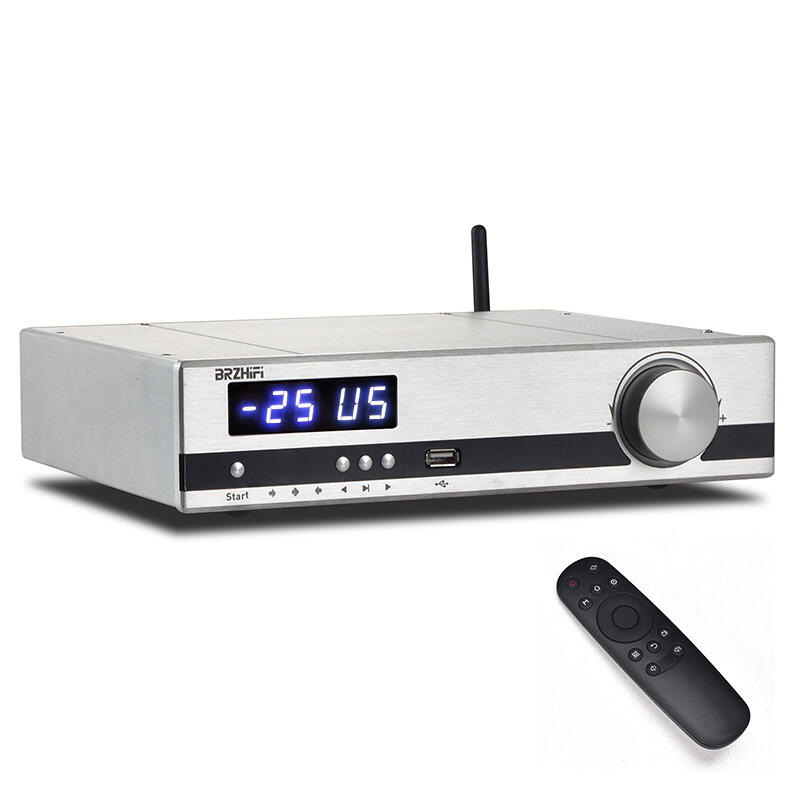
When searching for high-quality audio equipment, understanding the key specifications becomes crucial for making an informed purchase decision. The market for digital players for sale has expanded significantly, offering consumers a wide range of options from basic models to audiophile-grade systems. Whether you're a casual listener or a dedicated audio enthusiast, knowing which specifications truly impact sound quality will help you navigate the overwhelming array of choices available today.
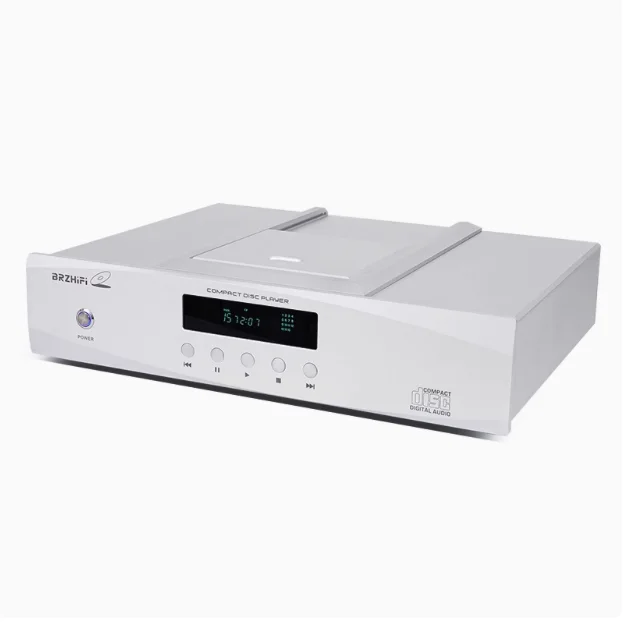
The digital audio landscape has evolved dramatically over the past decade, with manufacturers continuously pushing the boundaries of what's possible in compact, consumer-friendly formats. Modern digital players for sale incorporate advanced DAC chips, sophisticated power supplies, and precision-engineered mechanical components that work together to deliver exceptional audio reproduction. Understanding these technical aspects will empower you to make choices that align with your specific listening preferences and budget constraints.
Essential Audio Performance Specifications
Digital-to-Analog Converter Quality
The heart of any digital player lies in its DAC implementation, which directly influences the quality of analog audio output. Premium digital players for sale typically feature high-end DAC chips from manufacturers like ESS Sabre, AKM, or Burr-Brown, each offering distinct sonic characteristics. The bit depth and sampling rate capabilities of these converters determine the resolution of audio playback, with modern players supporting formats up to 32-bit/384kHz or even DSD512.
When evaluating DAC specifications, consider both the theoretical capabilities and the actual implementation quality. A well-designed player with a mid-range DAC chip often outperforms poorly implemented high-end converters. Look for specifications that mention the specific DAC model, as this information allows you to research the converter's reputation and performance characteristics independently.
Signal-to-Noise Ratio and Dynamic Range
These measurements provide quantifiable metrics for evaluating the cleanliness and detail retrieval capabilities of digital players for sale. Signal-to-noise ratio, typically expressed in decibels, indicates how much unwanted noise the player introduces relative to the desired audio signal. Premium players often achieve SNR ratings exceeding 120dB, ensuring virtually silent backgrounds that allow subtle musical details to emerge clearly.
Dynamic range specifications reveal the player's ability to reproduce both the quietest and loudest passages without compression or distortion. This characteristic proves particularly important for classical music, jazz, and other genres with significant dynamic variation. Quality players maintain consistent performance across the entire dynamic range, preserving the natural ebb and flow of musical performances.
Physical Design and Build Quality Factors
Transport Mechanism Reliability
For CD players and other disc-based digital players for sale, the transport mechanism represents a critical component that directly affects both sound quality and long-term reliability. High-quality transports feature precision-machined components, robust motors, and sophisticated error correction systems that ensure accurate data retrieval even from less-than-perfect discs. Some manufacturers develop proprietary transport designs, while others source proven mechanisms from established suppliers.
The stability and vibration resistance of the transport assembly significantly impact playback quality, particularly in acoustically challenging environments. Look for players with heavy, well-damped chassis construction and isolation systems that minimize external vibrations. These design elements contribute to more accurate disc reading and reduced jitter in the digital signal path.
Power Supply Design and Regulation
Clean, stable power delivery forms the foundation of excellent digital audio reproduction. Quality digital players for sale incorporate sophisticated power supply designs with multiple regulation stages, separate supplies for analog and digital circuits, and high-quality capacitors that provide consistent voltage under varying load conditions. Linear power supplies generally offer superior performance compared to switching designs, though modern switching supplies can achieve excellent results when properly implemented.
The power supply's ability to reject external interference and maintain stable voltages directly correlates with the player's sonic performance. Premium players often feature oversized transformers, extensive filtering, and separate power supplies for critical circuit sections. These design elements contribute to lower noise floors, improved dynamics, and more accurate signal reproduction across all operating conditions.
Connectivity and Format Support Considerations
Digital Output Options and Quality
Modern digital players for sale typically offer multiple digital output formats to accommodate various system configurations and upgrade paths. Coaxial and optical SPDIF outputs provide standard connectivity options, while USB and AES/EBU interfaces offer enhanced capabilities for professional or high-end applications. The quality of these digital outputs varies significantly between manufacturers and price points.
When evaluating digital outputs, consider both the supported formats and the implementation quality. Well-designed outputs feature proper impedance matching, low jitter specifications, and robust electrical isolation. Some players include word clock inputs for synchronization with external equipment, while others offer proprietary digital interfaces that claim superior performance characteristics.
File Format Compatibility and Storage Options
The range of supported audio formats significantly impacts the versatility of digital players for sale, particularly for users with diverse music collections. Modern players support numerous PCM formats at various bit depths and sampling rates, along with DSD files in single and multiple rate versions. Some players also decode MQA files, though this format's adoption remains limited in certain markets.
Storage capabilities vary widely among digital players, from basic CD-only models to sophisticated network players with internal storage and streaming capabilities. Consider your current and future music consumption habits when evaluating storage options. Players with network connectivity and streaming services integration offer tremendous convenience, while those with internal storage provide independence from network infrastructure.
Advanced Features and User Interface Elements
Display Quality and Information Presentation
The user interface significantly impacts the daily enjoyment of digital players for sale, though it's often overlooked during the initial evaluation process. High-quality displays with clear, readable fonts and logical menu structures enhance the user experience and make accessing advanced features more intuitive. Some players feature color displays with album artwork and detailed track information, while others maintain minimalist approaches with basic text displays.
Remote control functionality and button layout affect long-term usability, particularly for users who frequently adjust settings or browse extensive music collections. Well-designed interfaces balance simplicity with comprehensive functionality, allowing both casual and advanced users to access desired features without unnecessary complexity. Consider how the interface design aligns with your typical usage patterns and preferences.
Customization and Tuning Capabilities
Many premium digital players for sale include various customization options that allow users to tailor the sound characteristics to their preferences or system requirements. These features might include digital filters with different characteristics, output level adjustments, or even tube output stages that can be switched between different operating modes. Such flexibility enables fine-tuning the player's performance to match specific speakers, amplifiers, or room acoustics.
The availability and implementation quality of these features vary significantly between manufacturers and price categories. Some players offer extensive customization through software interfaces, while others provide physical switches or controls for key parameters. Evaluate whether these advanced features align with your willingness to experiment and optimize system performance over time.
Price-to-Performance Analysis and Market Positioning
Value Propositions Across Price Categories
The market for digital players for sale spans an enormous price range, from budget-friendly models under $200 to statement pieces costing tens of thousands of dollars. Understanding the value proposition at each price level helps identify products that deliver the best performance for your specific budget and requirements. Entry-level players often provide surprisingly good sound quality, though they may lack advanced features or premium build quality.
Mid-range players typically offer the best balance of performance, features, and build quality for most enthusiasts. These products incorporate proven DAC implementations, solid construction, and comprehensive connectivity options without the premium pricing associated with flagship models. High-end players justify their costs through exceptional build quality, proprietary technologies, and performance levels that satisfy the most demanding audiophiles.
Long-Term Ownership and Upgrade Considerations
When investing in digital players for sale, consider the product's position within the manufacturer's lineup and the company's track record for long-term support and updates. Some manufacturers regularly release firmware updates that add new features or improve performance, while others provide minimal post-purchase support. The availability of service and parts also impacts long-term ownership costs and satisfaction.
Upgrade paths and system integration capabilities affect the player's long-term relevance in evolving audio systems. Players with high-quality digital outputs maintain their value even when external DACs are added, while those with modular designs may accommodate future improvements or repairs more easily. Consider how the player will integrate with your current system and potential future upgrades.
FAQ
What is the most important specification when choosing digital players for sale
The DAC quality and implementation represent the most critical factors affecting sound quality in digital players for sale. While specifications like bit depth and sampling rate provide useful guidelines, the actual implementation quality, power supply design, and analog output stages have greater impact on real-world performance. Focus on products from reputable manufacturers with proven track records rather than chasing the highest theoretical specifications.
How do transport mechanisms affect sound quality in CD players
Transport mechanisms influence sound quality through their precision in reading digital data and their susceptibility to vibration and external interference. High-quality transports feature robust construction, effective isolation systems, and sophisticated error correction that ensures accurate data retrieval. The mechanical precision and vibration control directly impact jitter levels in the digital signal, which translates to audible differences in clarity and detail retrieval.
Are expensive digital players worth the additional cost over budget models
The value proposition of expensive digital players for sale depends on your system quality, listening preferences, and budget priorities. While budget players can provide excellent sound quality, premium models offer superior build quality, advanced features, and often measurably better performance. The improvements become more apparent in high-resolution systems with quality speakers and amplification, making the investment worthwhile for serious enthusiasts.
Should I prioritize analog or digital outputs when selecting a player
The choice between analog and digital outputs depends on your system configuration and future upgrade plans. If you own a high-quality external DAC or plan to upgrade your digital-to-analog conversion separately, prioritize players with excellent digital outputs. For direct connection to integrated amplifiers or systems without external DACs, focus on models with superior internal DAC implementations and high-quality analog output stages.