
 EN
EN
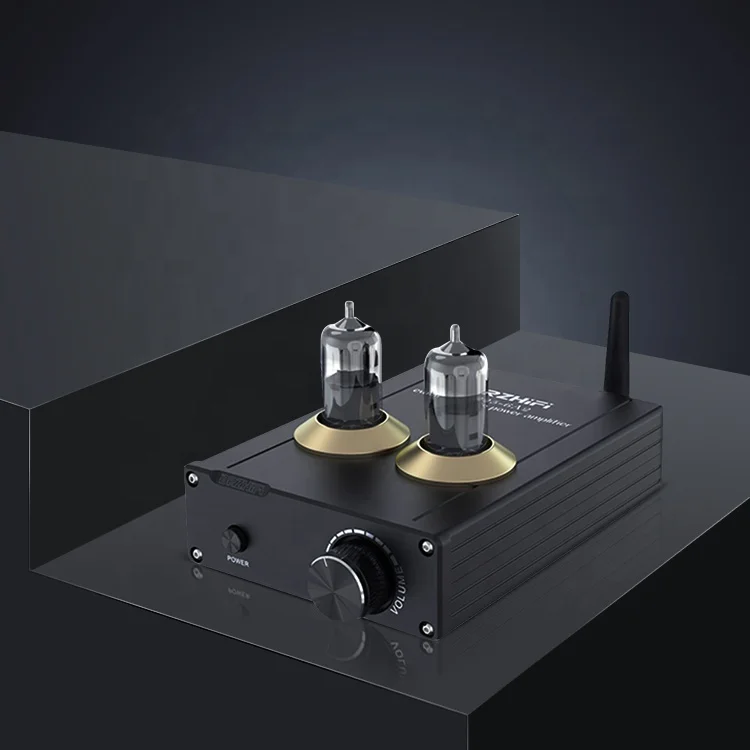
The convergence of vintage tube technology with modern wireless connectivity has created an intriguing category of audio equipment that appeals to both audiophiles and casual listeners. A bluetooth tube amplifier represents this fusion, combining the warm, harmonic characteristics of vacuum tube electronics with the convenience of wireless streaming. As music consumption increasingly shifts toward digital platforms and mobile devices, these hybrid amplifiers offer a compelling solution for those seeking both nostalgic sound quality and contemporary functionality. The practicality of these devices extends beyond mere novelty, addressing real-world needs in modern listening environments while preserving the sonic qualities that made tube amplifiers legendary among audio enthusiasts.
Understanding Bluetooth Tube Amplifier Technology
Vacuum Tube Fundamentals in Modern Design
Vacuum tubes, also known as valves, operate on principles that have remained unchanged for nearly a century, yet their integration into bluetooth tube amplifier designs requires sophisticated engineering. These glass enclosures contain heated cathodes that emit electrons, which flow toward anodes through a controlled vacuum environment. The electron flow creates amplification while introducing harmonic distortions that many listeners find musically pleasing. Modern bluetooth tube amplifier designs typically employ small-signal tubes like 12AX7 or 6922 for voltage amplification, paired with output tubes such as EL84 or KT88 for power delivery.
The challenge in contemporary bluetooth tube amplifier construction lies in maintaining tube performance while accommodating digital signal processing and wireless receivers. Engineers must carefully shield sensitive tube circuits from electromagnetic interference generated by Bluetooth modules and switching power supplies. This integration requires sophisticated circuit board layouts, proper grounding techniques, and strategic component placement to ensure clean signal paths from wireless input to tube-driven output stages.
Bluetooth Integration and Signal Processing
Modern bluetooth tube amplifier designs incorporate advanced codec support, including aptX, LDAC, and AAC protocols that maintain higher audio quality during wireless transmission. The digital-to-analog conversion stage becomes critical, as it determines how faithfully digital audio streams translate into analog signals suitable for tube amplification. High-quality DAC chips, such as those from ESS Sabre or Cirrus Logic families, ensure minimal jitter and maximum dynamic range before the signal reaches tube stages.
Signal processing in a bluetooth tube amplifier often includes digital filtering, oversampling, and noise shaping algorithms that optimize the digital stream before conversion. These processes help compensate for Bluetooth compression artifacts while preparing the signal for the unique characteristics of tube amplification. Some advanced designs feature multiple digital inputs alongside Bluetooth connectivity, allowing users to connect various sources while maintaining consistent tube-driven sound signatures across all input types.
Performance Characteristics and Audio Quality
Sonic Signature and Harmonic Content
The distinctive sound of a bluetooth tube amplifier stems from the natural harmonic generation inherent in vacuum tube operation. Unlike solid-state amplifiers that typically produce odd-order harmonics perceived as harsh or clinical, tubes generate predominantly even-order harmonics that create warmth and musical richness. This harmonic structure adds subtle coloration that many listeners find more engaging than the clinical accuracy of modern digital amplification, particularly when streaming compressed audio files via Bluetooth.
Frequency response in quality bluetooth tube amplifier designs remains remarkably flat across the audible spectrum, though slight emphasis in midrange frequencies often enhances vocal presence and instrumental detail. The soft-clipping characteristics of tubes provide natural compression that prevents harsh distortion even when driven beyond normal operating levels. This forgiving nature makes bluetooth tube amplifier designs particularly suitable for casual listening sessions where volume levels may fluctuate unpredictably.
Power Output and Efficiency Considerations
Most bluetooth tube amplifier models prioritize sound quality over raw power output, typically delivering between 5 and 50 watts per channel depending on output tube configuration. While this may seem modest compared to solid-state alternatives, tube amplifiers often sound louder than their specifications suggest due to their compression characteristics and harmonic content. The perceived loudness factor makes a 20-watt bluetooth tube amplifier suitable for most residential listening environments, particularly when paired with efficient speakers.
Efficiency considerations become important when evaluating bluetooth tube amplifier practicality for extended listening sessions. Modern designs often incorporate switch-mode power supplies that improve overall efficiency while reducing heat generation and power consumption. Auto-standby features help conserve energy by powering down tube heaters when no audio signal is detected, extending tube life while maintaining convenience for wireless connectivity scenarios.
Practical Applications in Modern Audio Systems
Desktop and Nearfield Monitoring
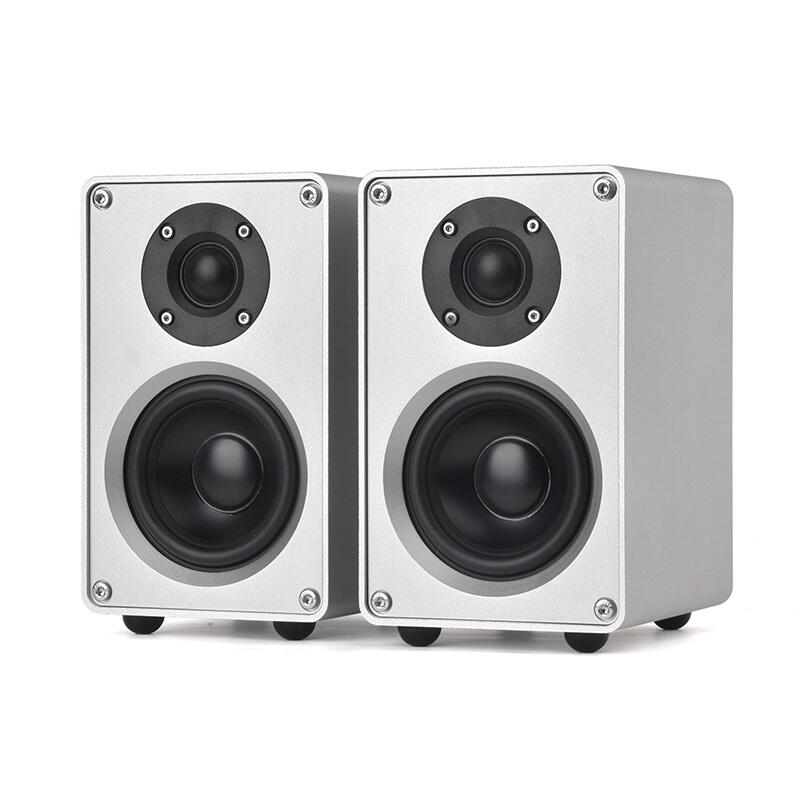
The compact form factor typical of bluetooth tube amplifier designs makes them ideal for desktop audio systems where space constraints limit equipment choices. Many models feature dimensions similar to traditional bookshelf components while providing sufficient power for nearfield monitoring applications. The ability to stream directly from smartphones, tablets, or computers eliminates cable clutter while preserving the engaging sound quality that draws users to tube amplification.
Professional applications have emerged where bluetooth tube amplifier units serve as creative tools in recording studios and content creation environments. The harmonic enhancement provided by tube stages can add character to sterile digital recordings, while Bluetooth connectivity allows producers to quickly audition mixes from mobile devices. Some bluetooth tube amplifier models include headphone outputs with dedicated tube buffer stages, providing the same sonic characteristics for personal monitoring applications.
Home Entertainment Integration
Modern home entertainment systems benefit from the flexibility that bluetooth tube amplifier designs provide, particularly in secondary listening zones or bedroom systems. The wireless connectivity eliminates infrastructure requirements while tube amplification enhances the listening experience for music streaming services. Many users appreciate the visual appeal of glowing tubes combined with the convenience of wireless operation, creating an attractive centerpiece for casual listening environments.
Integration challenges in home entertainment systems often revolve around impedance matching and power requirements. Most bluetooth tube amplifier designs work optimally with speakers rated between 4 and 8 ohms, though some models include output transformer taps for different impedance loads. Understanding these compatibility requirements ensures optimal performance and prevents damage to both amplifier and speaker components during long-term operation.
Maintenance and Longevity Considerations
Tube Replacement and Lifecycle Management
Vacuum tubes in bluetooth tube amplifier designs typically provide thousands of hours of reliable operation before replacement becomes necessary, though actual lifespan varies based on operating conditions and usage patterns. Small-signal tubes used in preamp stages often last 10,000 hours or more, while power tubes may require replacement every 2,000 to 5,000 hours depending on bias settings and drive levels. Modern bluetooth tube amplifier designs often include LED indicators or bias adjustment controls that simplify maintenance procedures for end users.
The modular nature of tube replacement in quality bluetooth tube amplifier designs allows users to experiment with different tube types to fine-tune sonic characteristics. Premium tubes from manufacturers like Telefunken, Mullard, or current production options from JJ Electronic can significantly alter the amplifier's sound signature. This tunability represents a unique advantage over solid-state alternatives, allowing personalization that extends the amplifier's useful life as listening preferences evolve.
Digital Component Reliability
The digital components in bluetooth tube amplifier designs, including Bluetooth receivers, DAC chips, and microprocessors, typically offer excellent long-term reliability when properly implemented. Unlike tubes, these solid-state components rarely require replacement during normal operational lifespans. However, software updates may occasionally become available to improve Bluetooth compatibility or add codec support, though most bluetooth tube amplifier designs use firmware that remains stable throughout the product lifecycle.
Environmental factors affecting bluetooth tube amplifier longevity include temperature, humidity, and vibration exposure. Proper ventilation around tube components prevents premature failure, while keeping the unit away from direct sunlight and moisture sources ensures optimal performance. Many modern designs include thermal protection circuits that prevent damage from overheating, adding another layer of reliability to these hybrid analog-digital systems.
Market Options and Selection Criteria
Entry-Level versus Premium Designs
Entry-level bluetooth tube amplifier options typically feature single-ended designs with modest power output, often utilizing miniature tubes like 6J1 or 6K4 for cost-effectiveness and compact packaging. These models provide an accessible introduction to tube sound while maintaining Bluetooth connectivity, though power output may limit speaker compatibility and maximum volume levels. Build quality varies significantly in this category, with some models prioritizing visual appeal over electrical performance.
Premium bluetooth tube amplifier designs incorporate higher-quality components throughout the signal path, from precision resistors and film capacitors to premium output transformers and regulated power supplies. These models often feature push-pull output stages with matched tube pairs, providing greater power output and lower distortion than single-ended alternatives. Advanced features like remote control, multiple inputs, and tone controls add convenience while maintaining focus on sound quality objectives.
Brand Reputation and Support Considerations
Established audio manufacturers with histories in tube amplification often provide superior long-term support for bluetooth tube amplifier products, including replacement parts availability and technical documentation. Companies like Audio Research, Conrad-Johnson, and smaller specialized manufacturers maintain extensive knowledge bases that benefit users throughout ownership periods. Import brands may offer attractive pricing but sometimes present challenges regarding warranty service and component sourcing.
Professional reviews and user feedback provide valuable insights when selecting bluetooth tube amplifier models, particularly regarding reliability, sound quality, and feature implementation. Online communities dedicated to tube audio often share experiences with specific models, including modification suggestions and compatibility recommendations. This peer knowledge proves invaluable when navigating the diverse bluetooth tube amplifier marketplace and avoiding potential disappointments.
FAQ
How long do tubes last in a bluetooth tube amplifier
Tube lifespan in bluetooth tube amplifier designs varies by tube type and usage patterns. Small-signal preamp tubes typically last 5,000 to 10,000 hours, while power output tubes may require replacement every 2,000 to 5,000 hours. Factors affecting longevity include operating bias levels, ambient temperature, and how frequently the amplifier cycles on and off. Modern bluetooth tube amplifier designs often include features like soft-start circuits and bias monitoring that help maximize tube life while maintaining optimal performance throughout the operational period.
Can bluetooth tube amplifiers drive low-efficiency speakers effectively
Most bluetooth tube amplifier models work best with speakers rated at 87dB sensitivity or higher, though some higher-powered designs can successfully drive less efficient speakers in smaller rooms. The key consideration involves matching amplifier power output to speaker efficiency and desired listening levels rather than relying solely on wattage specifications. Low-efficiency speakers below 85dB sensitivity may not reach satisfactory volume levels with typical bluetooth tube amplifier power outputs, particularly in larger listening spaces or when reproducing dynamic music with significant peak requirements.
Do bluetooth tube amplifiers sound different from traditional tube amplifiers
Well-designed bluetooth tube amplifier models maintain the characteristic tube sound signature while adding wireless convenience, though the digital-to-analog conversion stage and Bluetooth codec quality can influence overall performance. High-quality implementations using advanced DAC chips and lossless Bluetooth codecs preserve most tube characteristics, while budget designs may introduce digital artifacts that compromise the traditional tube listening experience. The key lies in choosing bluetooth tube amplifier models that prioritize analog circuit quality alongside digital implementation rather than treating Bluetooth as merely an added convenience feature.
What speaker impedance works best with bluetooth tube amplifiers
Most bluetooth tube amplifier designs optimize performance with 4 to 8-ohm speakers, though specific recommendations vary by model and output transformer design. Some amplifiers include multiple impedance taps allowing connection to different speaker loads, while others work best with specific impedance ranges. Matching speaker impedance to amplifier specifications ensures optimal power transfer and prevents damage to output transformers or tubes. Consulting manufacturer specifications and, when possible, testing with intended speakers helps ensure compatibility and optimal performance in bluetooth tube amplifier applications.