
 EN
EN
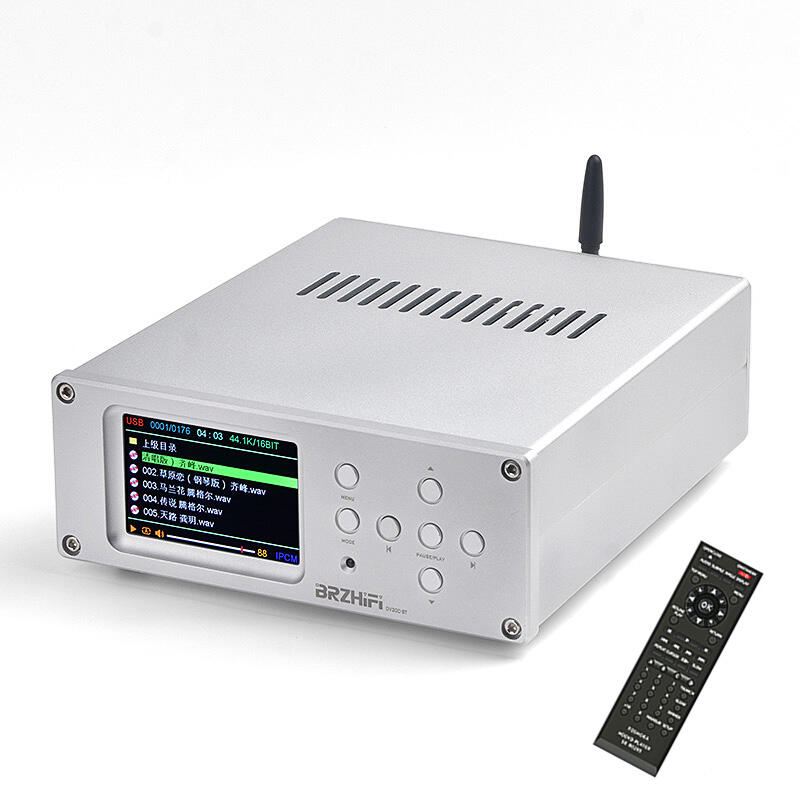
Audio enthusiasts often wonder whether compact amplifiers can deliver the pristine sound quality they crave without sacrificing performance. The rise of space-conscious living and portable audio solutions has made the mini stereo amp increasingly popular among both casual listeners and serious audiophiles. These diminutive powerhouses challenge traditional notions that bigger always means better in audio equipment, offering surprising capabilities in remarkably small packages.
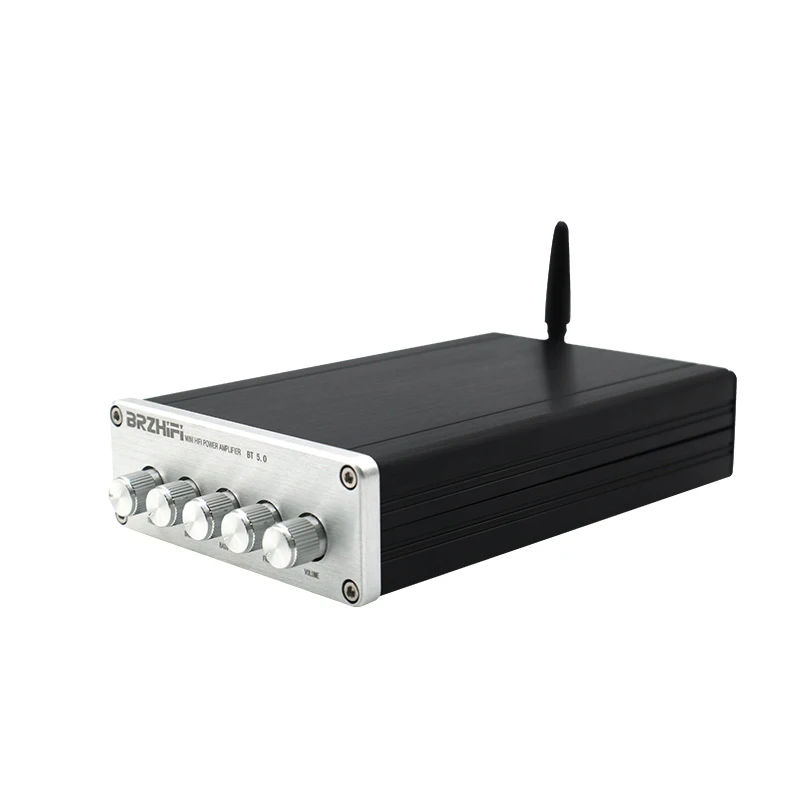
Modern engineering has revolutionized how we approach amplifier design, enabling manufacturers to create incredibly efficient circuits that deliver exceptional audio reproduction in compact form factors. The evolution of Class D amplification technology has been particularly instrumental in making high-quality mini stereo amp units viable for serious listening applications. These advances have democratized access to premium audio experiences, making it possible for anyone to enjoy professional-grade sound reproduction regardless of their available space or budget constraints.
Understanding the relationship between amplifier size and sound quality requires examining the fundamental principles of audio amplification and the technological innovations that have made compact excellence achievable. The perception that larger amplifiers inherently produce better sound stems from older technologies that required substantial components to achieve clean, distortion-free output. However, contemporary mini stereo amp designs leverage sophisticated circuit topologies and high-efficiency components that deliver remarkable performance in surprisingly small enclosures.
Understanding Mini Amplifier Technology
Class D Amplification Advantages
Class D amplification represents a paradigm shift in how audio signals are processed and amplified, offering exceptional efficiency that makes compact designs practical for serious audio applications. Unlike traditional Class A or Class AB amplifiers that operate in linear modes, Class D amplifiers use pulse-width modulation to convert audio signals into high-frequency switching patterns. This approach dramatically reduces heat generation and power consumption while maintaining excellent sound quality, making it ideal for mini stereo amp applications where thermal management and power efficiency are crucial.
The switching nature of Class D technology allows for remarkably high efficiency ratings, often exceeding 90 percent compared to the 50-70 percent efficiency typical of conventional amplifier designs. This efficiency advantage translates directly into reduced heat production, enabling manufacturers to create compact amplifiers without the massive heat sinks and cooling systems required by traditional designs. The result is a mini stereo amp that can deliver substantial power output while remaining cool enough to operate in confined spaces or portable applications.
Modern Class D implementations have largely overcome the early concerns about switching artifacts and high-frequency noise that plagued first-generation designs. Advanced filtering techniques and higher switching frequencies have pushed any residual noise well beyond the audible range, while sophisticated feedback systems ensure linear response across the entire audio spectrum. These improvements have made Class D technology not just viable but preferable for many mini stereo amp applications where space and power efficiency are paramount.
Component Miniaturization and Performance
The dramatic reduction in component sizes without corresponding performance compromises has been fundamental to the success of modern mini stereo amp designs. Surface-mount technology has enabled the creation of incredibly dense circuit boards where components that once required substantial space can now be implemented in packages smaller than traditional through-hole resistors. This miniaturization extends beyond passive components to include sophisticated integrated circuits that combine multiple functions previously requiring separate chips.
Advanced semiconductor manufacturing processes have produced amplifier chips that integrate power stages, protection circuits, and even digital signal processing capabilities in single packages. These system-on-chip solutions enable mini stereo amp manufacturers to implement complex functionality while maintaining compact form factors and competitive pricing. The integration also improves reliability by reducing the number of discrete components and interconnections that could potentially fail or introduce performance variations.
Power supply technology has similarly evolved to support high-performance mini stereo amp designs through the development of efficient switching regulators and compact transformers. Modern switch-mode power supplies can deliver clean, stable power in packages a fraction the size of traditional linear supplies, while maintaining the low noise floors essential for quality audio reproduction. These advances have eliminated one of the primary obstacles to creating truly compact amplifiers without performance compromises.
Sound Quality Considerations for Compact Amplifiers
Frequency Response and Dynamic Range
The frequency response characteristics of a mini stereo amp depend more on circuit design quality than physical size, challenging traditional assumptions about the relationship between amplifier dimensions and audio performance. Well-engineered compact amplifiers can achieve remarkably flat frequency response across the entire audible spectrum, from deep bass frequencies to sparkling highs, without the coloration or roll-off that might be expected from their diminutive size. Advanced circuit topologies and careful component selection enable designers to optimize bandwidth while maintaining the compact form factor that makes these amplifiers so appealing.
Dynamic range performance in quality mini stereo amp designs often exceeds expectations, delivering the headroom necessary for reproducing complex musical passages without compression or distortion. The efficiency advantages of Class D technology contribute significantly to this capability, as the reduced heat generation allows for more aggressive power delivery without thermal limiting. This thermal advantage enables sustained high-output performance that would be difficult to achieve in comparably sized traditional amplifiers.
Signal-to-noise ratio measurements from premium mini stereo amp units frequently rival or exceed those of much larger conventional amplifiers, demonstrating that compact design need not compromise audio purity. Careful attention to power supply filtering, proper grounding techniques, and strategic component placement can achieve noise floors well below the threshold of audibility. These engineering refinements prove that exceptional audio performance is achievable regardless of amplifier size when proper design principles are applied.
Power Output and Efficiency Metrics
Power output capabilities of modern mini stereo amp designs often surprise users accustomed to associating amplifier size with available power, as efficient circuit designs can deliver substantial wattage from remarkably compact packages. The relationship between physical size and power output has been fundamentally altered by advances in semiconductor technology and thermal management techniques. Contemporary mini stereo amp units can easily provide 50 watts per channel or more while occupying no more space than a paperback book.
The efficiency advantages inherent in Class D designs mean that more of the input power is converted to useful audio output rather than waste heat, enabling higher effective power delivery from smaller power supplies. This efficiency translates into practical benefits including reduced operating temperatures, longer component life, and the ability to operate from lower-capacity power sources. For portable or desktop applications, these advantages make mini stereo amp units particularly attractive compared to traditional alternatives.
Total harmonic distortion measurements from quality compact amplifiers demonstrate that power delivery remains clean and linear even at substantial output levels. Modern mini stereo amp designs typically achieve THD figures well below 0.1 percent across their operating range, ensuring that the amplified signal remains faithful to the original source. This low distortion performance, combined with adequate power output, enables these compact units to drive a wide range of speaker systems effectively.
Practical Applications and Use Cases
Desktop and Near-Field Listening
Desktop audio applications represent an ideal environment for mini stereo amp technology, where space constraints and proximity listening combine to favor compact, efficient designs over traditional larger amplifiers. The near-field listening typical of desktop setups reduces the power requirements compared to room-filling applications, allowing a quality mini stereo amp to deliver more than adequate volume levels while maintaining excellent sound quality. The reduced distances involved also minimize the impact of any minor performance limitations that might become apparent in larger spaces.
Professional applications including studio monitoring and content creation have embraced mini stereo amp solutions for their combination of accurate sound reproduction and space efficiency. The clean, uncolored output characteristic of well-designed compact amplifiers makes them suitable for critical listening applications where accuracy is paramount. Many audio professionals appreciate the ability to achieve professional-grade monitoring capabilities without dedicating substantial desk space to amplification equipment.
Gaming and multimedia applications benefit significantly from the compact nature and excellent audio performance of quality mini stereo amp designs. The ability to drive high-quality speakers or headphones while occupying minimal space makes these amplifiers ideal for modern computer setups where every square inch of desk space is valuable. The instant-on capability and silent operation typical of efficient designs also complement the always-ready nature of modern computing environments.
Portable and Mobile Audio Systems
The portability advantages of mini stereo amp technology have opened entirely new categories of audio applications that would be impractical with traditional amplifier designs. Battery-powered systems become feasible when the amplifier efficiency is high enough to provide reasonable operating times from portable power sources. This capability has enabled the creation of high-quality portable sound systems that deliver performance previously requiring AC power and substantial equipment.
Automotive applications have also benefited from advances in mini stereo amp technology, where space constraints and power efficiency are critical concerns. The ability to achieve excellent audio performance while minimizing installation complexity and power drain makes compact amplifiers attractive for both OEM and aftermarket automotive audio systems. The reduced heat generation also simplifies installation by eliminating the need for extensive cooling provisions.
Outdoor and recreational applications represent another area where mini stereo amp technology provides unique advantages through the combination of portability, efficiency, and weather resistance possible with compact designs. The ability to create waterproof or weather-resistant enclosures becomes much more practical when the internal components are compact and generate minimal heat. This has enabled the development of outdoor audio systems that maintain audiophile-quality performance while withstanding environmental challenges.
Comparing Mini Amplifiers to Full-Size Units
Performance Metrics and Measurements
Objective performance measurements reveal that the gap between mini stereo amp units and full-size amplifiers has narrowed dramatically, with many compact designs equaling or exceeding the specifications of much larger alternatives. Laboratory measurements of frequency response, total harmonic distortion, and signal-to-noise ratio often show minimal differences between well-designed compact and traditional amplifiers when compared at equivalent output levels. These measurements demonstrate that the fundamental audio performance capabilities are determined more by circuit design quality than physical size.
Power delivery capabilities represent one area where physics still imposes some constraints on mini stereo amp designs, particularly for applications requiring extremely high output levels into low-impedance loads. However, for the vast majority of real-world listening scenarios, the power output available from quality compact amplifiers proves more than adequate. The efficiency advantages of modern designs often result in more usable power than might be expected from the modest physical dimensions.
Thermal performance measurements highlight one of the key advantages of efficient mini stereo amp designs over traditional alternatives, with substantially lower operating temperatures enabling sustained high-performance operation. This thermal advantage translates into improved long-term reliability and consistent performance even during extended listening sessions. The reduced heat generation also eliminates the need for noisy cooling fans that can compromise the listening environment.
Value Proposition and Cost Effectiveness
The cost-effectiveness of mini stereo amp technology extends beyond the initial purchase price to include ongoing operational costs and space utilization benefits. The high efficiency typical of quality compact designs results in lower power consumption, reducing operating costs over the amplifier's lifetime. The space savings can also represent significant value in urban environments where real estate costs make every square foot valuable.
Manufacturing efficiencies achievable with integrated circuit designs and automated assembly processes often result in mini stereo amp units offering better price-to-performance ratios than traditional alternatives. The reduced component count and simplified assembly requirements enable manufacturers to deliver sophisticated functionality at competitive prices. This economic advantage has made high-quality audio amplification accessible to a broader range of users.
The reduced complexity and higher reliability typical of well-designed mini stereo amp units also contribute to their overall value proposition through lower maintenance requirements and longer service life. The integration of protection circuits and thermal management features helps ensure consistent performance and longevity. These reliability advantages translate into lower total cost of ownership compared to alternatives that might require more frequent service or replacement.
FAQ
Do mini stereo amps compromise sound quality for size
Modern mini stereo amp designs do not inherently compromise sound quality for size when properly engineered. Advanced Class D technology and component miniaturization have enabled compact amplifiers to achieve performance levels that rival much larger traditional designs. The key is selecting units from reputable manufacturers who prioritize audio performance alongside size reduction, as poor implementations can indeed sacrifice quality for compactness.
How much power can a mini stereo amp realistically deliver
Quality mini stereo amp units can deliver anywhere from 25 to 100+ watts per channel depending on their design and intended application. Many compact amplifiers provide 50 watts per channel, which is sufficient for most desktop, bookshelf, and moderate room applications. The efficiency of Class D designs means this power is delivered cleanly and consistently, often providing more usable output than traditional amplifiers with similar ratings.
Are mini amplifiers suitable for driving demanding speakers
A well-designed mini stereo amp can successfully drive most bookshelf and desktop speakers, though very low-impedance or extremely inefficient speakers may present challenges. The key factors are matching the amplifier's power output and current delivery capabilities to the speaker's requirements. Most modern speakers with reasonable efficiency ratings will perform excellently with quality compact amplification, making mini stereo amp units viable for serious listening applications.
What should I look for when choosing a mini stereo amp
When selecting a mini stereo amp, prioritize units with adequate power output for your speakers, low distortion specifications, and robust build quality. Look for features like thermal protection, quality input connections, and efficient Class D designs from established manufacturers. Consider your specific use case requirements including connectivity options, size constraints, and whether you need features like Bluetooth connectivity or multiple input selections.