
 EN
EN
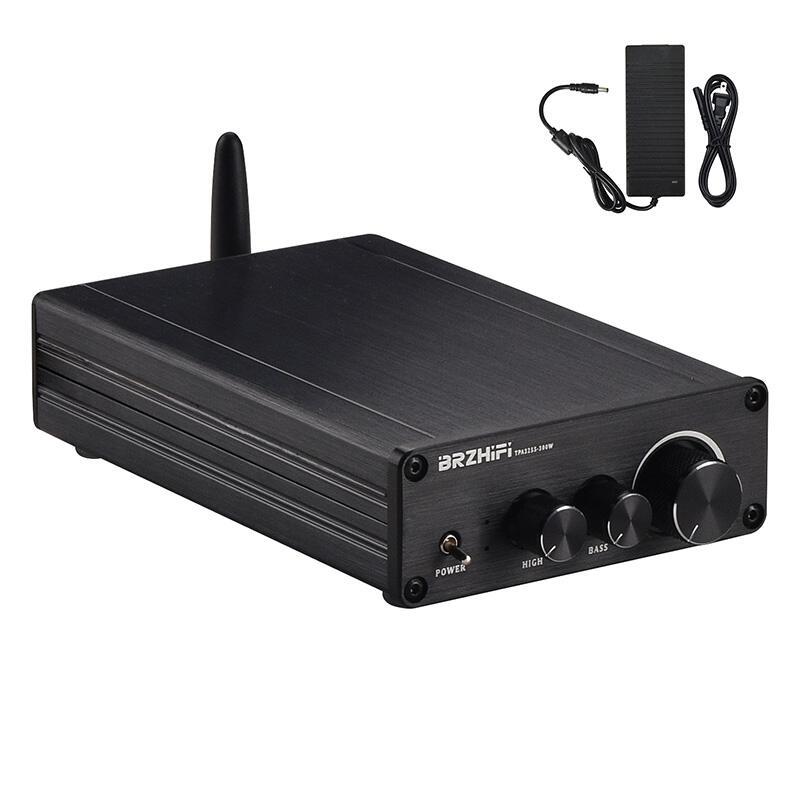
Modern tube amplifier manufacturing requires exceptional precision and consistency to deliver the warm, rich sound quality that audiophiles expect. Production facilities implementing systematic quality control measures ensure that every amplifier leaving the factory meets stringent performance standards. These manufacturing protocols directly impact how well amplifiers pair with premium audio components, including white bookshelf speakers that demand clean, distortion-free power delivery for optimal acoustic performance.

Factory consistency begins with rigorous component sourcing and incoming material inspection protocols. Each vacuum tube undergoes individual testing to verify electrical characteristics, ensuring uniform performance across production batches. This attention to detail proves essential when amplifiers power sophisticated speaker systems, particularly white bookshelf speakers that reveal even subtle variations in amplifier output quality.
Manufacturing excellence extends beyond individual components to encompass entire production workflows designed to minimize variability. Quality assurance teams implement statistical process control methods that track performance metrics throughout assembly stages. These systematic approaches guarantee that finished amplifiers consistently deliver the exceptional sound reproduction that premium white bookshelf speakers require for accurate audio reproduction.
Component Selection and Standardization Protocols
Vacuum Tube Matching and Grading Systems
Professional tube amplifier factories employ sophisticated matching systems to ensure consistent tube performance across production runs. Each vacuum tube undergoes comprehensive electrical testing using calibrated equipment that measures key parameters including transconductance, plate current, and grid bias requirements. These measurements allow technicians to group tubes into matched sets that exhibit nearly identical electrical characteristics.
The matching process becomes particularly critical when considering amplifier compatibility with sensitive speakers such as white bookshelf speakers. Mismatched tubes can introduce unwanted distortion or channel imbalances that compromise the precise imaging and tonal accuracy these speakers are designed to deliver. Factory protocols therefore require that matched tube sets remain together throughout the entire production process.
Advanced facilities utilize computerized sorting systems that automatically categorize tubes based on measured parameters. This automation reduces human error while ensuring that only tubes meeting strict specifications proceed to final assembly. The result is amplifiers with consistent power output and harmonic characteristics that complement the refined sound signature of quality white bookshelf speakers.
Transformer and Capacitor Quality Assurance
Output transformers represent perhaps the most critical components in tube amplifier design, directly influencing power delivery and frequency response characteristics. Manufacturing facilities implement rigorous testing protocols for all transformers, measuring parameters such as turns ratio accuracy, inductance values, and frequency response across the entire audio spectrum. These specifications must remain consistent to ensure reliable performance with various speaker loads.
Capacitor selection follows equally stringent guidelines, with each component tested for capacitance tolerance, equivalent series resistance, and voltage rating compliance. Premium facilities often age-test capacitors under simulated operating conditions to identify potential reliability issues before installation. This thorough evaluation process ensures that amplifiers maintain stable performance when driving demanding loads like high-quality white bookshelf speakers.
Temperature coefficient testing ensures that transformers and capacitors maintain stable electrical characteristics across expected operating temperature ranges. This stability proves essential for consistent amplifier performance, particularly when powering precision audio components that require clean, stable power delivery for optimal sound reproduction.
Assembly Line Quality Control Measures
Systematic Build Documentation and Traceability
Modern tube amplifier factories maintain comprehensive documentation systems that track every component used in each unit from initial assembly through final testing. These records include component lot numbers, assembly technician identification, and detailed test results at each production stage. Such meticulous documentation enables rapid identification and resolution of any quality issues that may arise during production or field operation.
Barcode scanning systems automate much of this documentation process while reducing manual data entry errors. Each amplifier receives a unique serial number that links to its complete build history, including specific components used and test results achieved. This traceability proves invaluable when investigating performance variations or addressing customer concerns about amplifier compatibility with specific speaker systems including white bookshelf speakers.
Quality control checkpoints throughout the assembly process verify that each step meets established standards before proceeding to subsequent operations. Technicians must sign off on completed work stages, creating accountability and ensuring that proper procedures are consistently followed. This systematic approach minimizes the likelihood of assembly errors that could affect amplifier performance or reliability.
Calibrated Testing Equipment and Measurement Standards
Professional manufacturing facilities invest heavily in calibrated test equipment to ensure accurate and repeatable measurements throughout production. Audio analyzers, oscilloscopes, and distortion meters undergo regular calibration using traceable standards to maintain measurement accuracy. This equipment precision enables factories to detect even minor variations in amplifier performance that might affect sound quality.
Standardized test procedures specify exact measurement conditions, including input signal levels, load impedances, and environmental conditions. These protocols ensure that all amplifiers undergo identical testing regardless of which technician performs the evaluation. Consistent testing proves particularly important when verifying amplifier compatibility with precision speakers such as white bookshelf speakers that demand exceptional amplifier performance.
Automated testing systems reduce human variability while increasing throughput efficiency. Computer-controlled test sequences execute identical measurement procedures for every amplifier, generating detailed reports that document performance across all critical parameters. These automated systems can detect subtle performance variations that might escape manual testing methods.
Environmental Controls and Manufacturing Conditions
Temperature and Humidity Management Systems
Consistent environmental conditions prove essential for reliable tube amplifier manufacturing, as temperature and humidity variations can affect component characteristics and assembly quality. Modern facilities maintain precisely controlled environments with temperature stability typically within plus or minus two degrees Fahrenheit. Humidity levels remain controlled within narrow ranges to prevent moisture-related assembly issues.
Climate control systems continuously monitor and adjust environmental conditions throughout production areas. These systems prevent component drift that could affect amplifier performance and ensure that assembly materials such as solder and flux perform consistently. Stable conditions prove particularly important when manufacturing amplifiers intended for use with sensitive speakers like white bookshelf speakers that reveal subtle performance variations.
Separate environmental zones may be established for different manufacturing processes, with more stringent controls applied to critical assembly areas. Final testing and calibration typically occurs in specially controlled rooms with minimal temperature variation and reduced vibration levels. These controlled conditions enable accurate measurements and consistent amplifier performance verification.
Clean Room Protocols and Contamination Prevention
While tube amplifier manufacturing may not require full clean room conditions, many facilities implement contamination control measures to ensure consistent assembly quality. Air filtration systems remove particulates that could interfere with electrical connections or component mounting. Personnel protocols may include antistatic procedures and clean work garments to minimize contamination introduction.
Component storage areas maintain controlled environments that prevent oxidation and contamination during inventory periods. Vacuum tubes require particular attention to prevent glass contamination that could affect heat dissipation or electrical performance. Proper storage ensures that components maintain their specified characteristics until installation in finished amplifiers.
Assembly workstations incorporate features such as antistatic mats and ionization systems to prevent electrostatic discharge damage to sensitive components. These precautions prove especially important for modern tube amplifiers that may incorporate solid-state components alongside vacuum tubes. Protecting all components ensures consistent performance when amplifiers drive high-quality speakers such as white bookshelf speakers.
Statistical Process Control Implementation
Performance Measurement and Trend Analysis
Advanced tube amplifier manufacturers implement statistical process control methods to monitor production consistency and identify potential quality issues before they affect finished products. Key performance indicators include power output measurements, distortion levels, frequency response characteristics, and noise floor specifications. These metrics undergo continuous monitoring with established control limits that trigger corrective action when exceeded.
Trend analysis software identifies gradual performance shifts that might indicate component aging, environmental changes, or equipment drift. Early detection enables proactive adjustments that maintain production consistency without interrupting manufacturing schedules. This predictive approach ensures that amplifiers consistently meet specifications required for optimal performance with premium speakers including white bookshelf speakers.
Control charts display performance trends in real-time, enabling production supervisors to monitor process stability throughout each shift. Statistical analysis tools identify common cause versus special cause variations, guiding appropriate corrective actions. This data-driven approach minimizes subjective decision-making while ensuring consistent amplifier quality.
Corrective Action Protocols and Continuous Improvement
When statistical process control systems detect performance variations outside established limits, predetermined corrective action protocols guide systematic problem resolution. These procedures specify investigation steps, potential root causes, and approved corrective measures. Documented protocols ensure consistent responses regardless of which personnel encounter the quality issue.
Root cause analysis methodologies help identify underlying factors contributing to performance variations rather than addressing only symptoms. This systematic approach prevents recurring quality issues while building knowledge that improves future production processes. Continuous improvement efforts ensure that amplifier quality consistently meets or exceeds standards required for compatibility with demanding speakers such as white bookshelf speakers.
Process improvement suggestions from production personnel receive systematic evaluation and implementation when proven beneficial. Employee involvement in quality improvement efforts leverages front-line experience while building commitment to consistent manufacturing practices. This collaborative approach drives ongoing enhancements to production consistency and product quality.
Final Testing and Quality Verification
Comprehensive Performance Testing Protocols
Every completed tube amplifier undergoes comprehensive testing that verifies performance across all critical parameters before shipment approval. Testing protocols typically include power output measurements at multiple frequencies, distortion analysis at various power levels, and frequency response verification across the entire audio spectrum. These measurements ensure that each amplifier meets published specifications and performs consistently with others from the same production batch.
Burn-in testing procedures operate amplifiers under controlled conditions for extended periods to identify potential early failures and stabilize component characteristics. This aging process reveals manufacturing defects that might not appear during initial testing while ensuring that amplifiers reach stable operating characteristics before delivery. Proper burn-in proves particularly important for amplifiers intended for use with high-resolution speakers such as white bookshelf speakers that reveal subtle performance variations.
Load testing verifies amplifier performance using standardized resistive loads as well as reactive loads that simulate real speaker impedances. These tests ensure that amplifiers maintain stable operation and specified performance when connected to actual speakers. Variable load testing confirms that amplifiers deliver consistent performance regardless of connected speaker characteristics.
Listening Tests and Subjective Quality Evaluation
While objective measurements provide quantitative performance verification, many manufacturers also conduct listening tests using trained personnel and reference audio systems. These subjective evaluations can identify sonic characteristics that measurements might not fully capture, such as spatial imaging, tonal balance, and musical coherence. Listening tests prove particularly valuable when evaluating amplifier suitability for high-end applications involving premium speakers like white bookshelf speakers.
Reference speaker systems used for listening tests typically include multiple models representing different design approaches and sonic characteristics. This variety ensures that amplifiers demonstrate consistent performance across various speaker types and listening preferences. Test recordings span multiple musical genres and recording qualities to evaluate amplifier performance under diverse conditions.
Listening test protocols specify evaluation criteria and scoring methods to ensure consistent assessments between different listeners and test sessions. These standardized procedures minimize subjective bias while capturing important qualitative aspects of amplifier performance that complement objective measurements. Combined objective and subjective evaluation provides comprehensive quality verification.
Supply Chain Management and Vendor Quality
Supplier Qualification and Ongoing Assessment
Consistent tube amplifier quality depends heavily on reliable component suppliers who maintain their own quality standards. Manufacturer qualification processes evaluate potential suppliers based on quality systems, production capabilities, and technical expertise. Ongoing supplier assessments monitor performance metrics such as defect rates, delivery reliability, and responsiveness to quality issues.
Supplier audits verify that quality systems remain effective and continuously improved. These evaluations examine manufacturing processes, quality control procedures, and documentation systems used by component suppliers. Regular audits ensure that supplier capabilities remain aligned with amplifier manufacturer requirements, particularly for components that critically affect performance with sensitive speakers such as white bookshelf speakers.
Alternative supplier development provides backup sources for critical components while encouraging competitive quality improvements. Multiple qualified suppliers reduce supply chain risks while providing leverage for quality and cost negotiations. Supplier diversity also enables access to specialized components or manufacturing capabilities that enhance amplifier performance or production efficiency.
Incoming Component Inspection and Testing
Despite supplier quality systems, amplifier manufacturers typically conduct incoming inspection and testing of critical components to verify compliance with specifications. Sample testing procedures provide statistical confidence in component quality while maintaining practical inspection efficiency. Random sampling plans ensure representative evaluation without requiring testing of every component received.
Critical components such as vacuum tubes, transformers, and precision resistors may undergo more extensive testing than standard components. These evaluations verify electrical characteristics, mechanical dimensions, and visual quality standards. Comprehensive testing ensures that only components meeting stringent requirements proceed to amplifier assembly, maintaining consistency that proves essential when amplifiers power demanding speakers like white bookshelf speakers.
Rejected components undergo systematic analysis to identify root causes and provide feedback to suppliers. This information enables suppliers to implement corrective actions that prevent recurring quality issues. Collaborative problem-solving approaches strengthen supplier relationships while improving component quality and consistency over time.
Documentation and Traceability Systems
Manufacturing Record Keeping and Data Management
Comprehensive documentation systems capture detailed information about each amplifier produced, including component genealogy, assembly procedures, test results, and quality approvals. Electronic data management systems provide secure storage and rapid retrieval of manufacturing records while enabling statistical analysis of production trends. These records support quality investigations and enable continuous improvement efforts based on historical data analysis.
Serial number systems link each amplifier to its complete manufacturing history, enabling rapid identification of components used and processes followed during production. This traceability proves invaluable when investigating field performance issues or implementing product improvements. Detailed records also support warranty claims and customer service inquiries about amplifier specifications or compatibility with specific speaker systems including white bookshelf speakers.
Data backup and retention policies ensure that manufacturing records remain available for extended periods as required by quality standards and regulatory requirements. Redundant storage systems protect against data loss while providing access to historical information needed for trend analysis and continuous improvement efforts. Proper data management supports long-term quality initiatives and customer support activities.
Change Control and Configuration Management
Formal change control procedures govern modifications to amplifier designs, manufacturing processes, or component specifications. These procedures ensure that all changes undergo proper evaluation, testing, and approval before implementation. Documentation requirements capture the rationale for changes and verification that modifications maintain or improve amplifier performance and quality.
Configuration management systems track current specifications and approved alternatives for all amplifier components and assemblies. This information enables consistent procurement and assembly while providing flexibility to accommodate component availability or improvement opportunities. Proper configuration control ensures that amplifiers maintain consistent performance characteristics that meet compatibility requirements for premium speakers such as white bookshelf speakers.
Version control systems manage design documentation, test procedures, and manufacturing instructions to ensure that all personnel work from current, approved information. Regular document reviews verify that procedures remain accurate and effective while incorporating lessons learned from production experience. Effective document control prevents errors and maintains process consistency across all manufacturing activities.
FAQ
How do manufacturers ensure vacuum tube consistency across production batches
Tube amplifier manufacturers implement comprehensive tube matching systems that test each vacuum tube for key electrical parameters including transconductance, plate current, and grid characteristics. These measurements enable sorting tubes into matched sets that exhibit nearly identical performance characteristics. Advanced facilities use computerized testing equipment that automatically categorizes tubes based on measured parameters, ensuring consistent matching criteria and reducing human error in the selection process.
What role does environmental control play in amplifier manufacturing consistency
Environmental control systems maintain precise temperature and humidity conditions throughout manufacturing areas to prevent component drift and ensure consistent assembly quality. Temperature variations can affect component characteristics and solder joint formation, while humidity changes may impact electrical connections and material properties. Modern facilities typically maintain temperature stability within plus or minus two degrees Fahrenheit and control humidity levels to prevent moisture-related assembly issues that could affect amplifier performance with sensitive speakers like white bookshelf speakers.
How do statistical process control methods improve manufacturing consistency
Statistical process control systems continuously monitor key performance indicators such as power output, distortion levels, and frequency response characteristics throughout production. Control charts display performance trends in real-time, enabling immediate detection of variations outside established limits. Trend analysis software identifies gradual performance shifts that might indicate equipment drift or component aging, allowing proactive adjustments that maintain consistency without interrupting production schedules.
What testing procedures verify amplifier compatibility with different speaker types
Comprehensive testing protocols include both resistive load testing using standard test loads and reactive load testing that simulates real speaker impedance characteristics. Variable load testing confirms that amplifiers maintain stable operation and specified performance regardless of connected speaker characteristics. Many manufacturers also conduct listening tests using various reference speaker systems, including models similar to white bookshelf speakers, to evaluate sonic performance that measurements alone might not fully capture.
Table of Contents
- Component Selection and Standardization Protocols
- Assembly Line Quality Control Measures
- Environmental Controls and Manufacturing Conditions
- Statistical Process Control Implementation
- Final Testing and Quality Verification
- Supply Chain Management and Vendor Quality
- Documentation and Traceability Systems
-
FAQ
- How do manufacturers ensure vacuum tube consistency across production batches
- What role does environmental control play in amplifier manufacturing consistency
- How do statistical process control methods improve manufacturing consistency
- What testing procedures verify amplifier compatibility with different speaker types