
 EN
EN
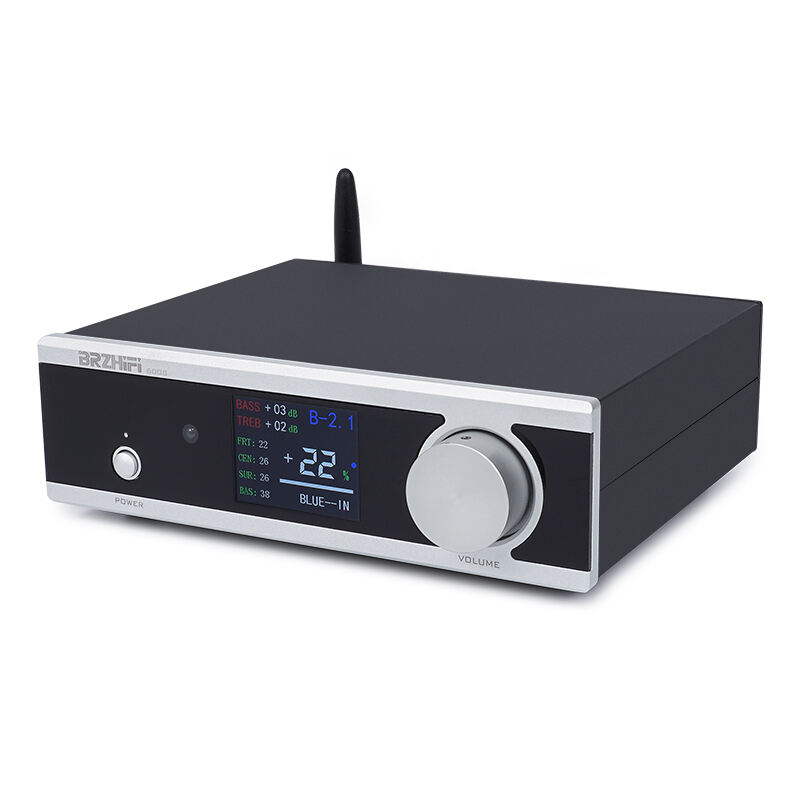
In today's rapidly evolving audio technology landscape, understanding what defines a superior digital players factory has become crucial for manufacturers, distributors, and end-users alike. A digital players factory encompasses far more than basic assembly operations, requiring sophisticated production capabilities that span from component sourcing to quality assurance protocols. These specialized manufacturing facilities must demonstrate expertise in precision engineering, advanced testing methodologies, and scalable production systems to meet the demanding requirements of modern digital audio equipment. The complexity of manufacturing high-fidelity digital players demands a comprehensive approach that integrates cutting-edge technology with proven manufacturing excellence.
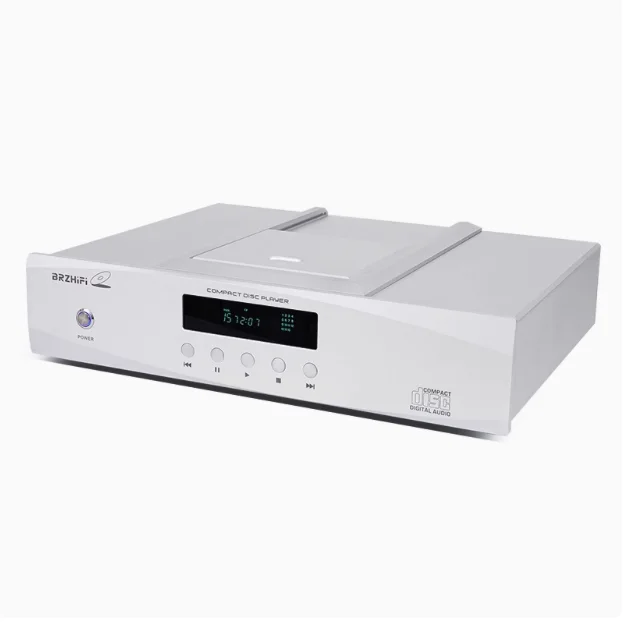
Advanced Manufacturing Infrastructure Requirements
Clean Room Environment Standards
A professional digital players factory must maintain stringent environmental controls throughout its production areas. Clean room facilities with controlled particle counts, temperature regulation, and humidity management are essential for manufacturing sensitive electronic components. These controlled environments prevent contamination that could compromise the delicate circuitry found in high-end digital audio players. The infrastructure investment required for maintaining ISO-certified clean room standards represents a significant commitment to product quality and manufacturing precision.
State-of-the-art air filtration systems, static electricity control measures, and specialized flooring materials all contribute to creating the optimal manufacturing environment. Personnel working within these facilities must follow strict protocols including specialized clothing, equipment sterilization procedures, and contamination prevention training. The maintenance of these environmental standards requires continuous monitoring and regular validation to ensure consistent production quality across all manufacturing batches.
Precision Assembly Equipment
Modern digital players factory operations rely heavily on automated precision assembly equipment to achieve the tight tolerances required for high-performance audio devices. Surface mount technology machines, automated optical inspection systems, and robotic assembly lines enable consistent placement of miniaturized components with microscopic precision. These sophisticated manufacturing tools reduce human error while increasing production throughput and maintaining exceptional quality standards throughout the assembly process.
Pick-and-place machinery equipped with computer vision systems can handle components as small as 0201 resistors and capacitors with positioning accuracy measured in micrometers. Reflow soldering ovens with precise temperature profiles ensure proper joint formation without thermal damage to sensitive components. In-line testing equipment validates functionality at each assembly stage, identifying potential issues before they propagate through the manufacturing process.
Quality Control and Testing Protocols
Comprehensive Audio Testing Capabilities
Exceptional digital players factory facilities implement comprehensive audio testing protocols that evaluate every aspect of device performance. Anechoic chambers, precision audio analyzers, and specialized measurement equipment ensure that manufactured units meet or exceed specified performance parameters. Testing protocols must cover frequency response, total harmonic distortion, signal-to-noise ratio, and dynamic range measurements across the entire audio spectrum.
Advanced testing equipment including Audio Precision analyzers, spectrum analyzers, and oscilloscopes enable detailed characterization of audio performance. Each digital players factory must establish statistical process control methodologies to track performance variations and identify potential production issues before they affect product quality. Automated test equipment reduces testing time while providing comprehensive data logging for traceability and continuous improvement initiatives.
Reliability and Durability Validation
Long-term reliability testing represents a critical capability for any serious digital players factory operation. Environmental stress screening, accelerated aging tests, and mechanical durability evaluations ensure that manufactured products will perform reliably throughout their intended service life. Temperature cycling, vibration testing, and humidity exposure tests simulate real-world operating conditions to validate product robustness.
Burn-in testing procedures identify early-life failures before products reach end customers. Statistical analysis of failure modes and effects helps optimize design parameters and manufacturing processes. Comprehensive documentation of test results enables continuous improvement and provides valuable feedback for future product development initiatives within the digital players factory environment.
Supply Chain Management Excellence
Strategic Component Sourcing
Successful digital players factory operations require sophisticated supply chain management capabilities to ensure consistent component availability and quality. Establishing relationships with tier-one component suppliers, implementing vendor qualification programs, and maintaining strategic inventory levels are essential for uninterrupted production. Component obsolescence management and alternative sourcing strategies protect against supply disruptions that could impact manufacturing schedules.
Advanced procurement systems enable real-time visibility into component availability, pricing trends, and quality metrics. Supplier scorecards track performance across multiple dimensions including delivery reliability, quality consistency, and technical support capabilities. The digital players factory must maintain approved vendor lists with qualification documentation and regular performance reviews to ensure ongoing supplier competency.
Inventory Control and Logistics
Efficient inventory management systems optimize working capital while ensuring component availability for continuous production. Just-in-time delivery systems, automated inventory tracking, and demand forecasting algorithms help balance inventory costs with production flexibility. Warehouse management systems provide real-time visibility into component locations, quantities, and aging to support efficient material flow through the digital players factory.
Advanced logistics capabilities including expedited shipping arrangements, customs clearance expertise, and international freight management ensure timely component delivery from global suppliers. Risk mitigation strategies including dual sourcing, safety stock calculations, and alternative transportation methods protect against supply chain disruptions that could impact production schedules.
Research and Development Capabilities
Product Innovation Infrastructure
Leading digital players factory facilities maintain dedicated research and development laboratories equipped with the latest design tools and prototype development capabilities. Computer-aided design software, simulation tools, and rapid prototyping equipment enable iterative design optimization before committing to production tooling. Collaborative engineering environments support cross-functional team development of innovative audio products.
Advanced measurement equipment including network analyzers, impedance analyzers, and specialized audio measurement tools support detailed characterization of new designs. Digital signal processing development platforms and embedded software development tools enable creation of sophisticated audio processing algorithms. The digital players factory R&D capabilities must stay current with emerging technologies to maintain competitive advantage in the marketplace.
Continuous Improvement Programs
Systematic continuous improvement methodologies drive ongoing enhancement of manufacturing processes and product quality within the digital players factory environment. Lean manufacturing principles, Six Sigma methodologies, and statistical process control techniques identify optimization opportunities and eliminate waste. Regular process audits and capability studies ensure that manufacturing systems continue to meet evolving quality requirements.
Employee training programs, suggestion systems, and improvement project management ensure that enhancement initiatives are properly implemented and sustained. Data analytics platforms provide insights into process performance trends and enable predictive maintenance scheduling. The digital players factory must foster a culture of continuous improvement to maintain competitiveness in the dynamic audio equipment market.
Regulatory Compliance and Certification
International Standards Adherence
Professional digital players factory operations must maintain compliance with numerous international standards and regulatory requirements. ISO 9001 quality management systems, IEC audio equipment standards, and regional safety certifications ensure that manufactured products meet global market requirements. Comprehensive documentation systems track compliance activities and provide evidence of conformance during regulatory audits.
Electromagnetic compatibility testing, safety evaluations, and environmental compliance assessments require specialized equipment and trained personnel. The digital players factory must maintain current knowledge of evolving regulatory requirements and implement necessary process changes to ensure ongoing compliance. Certification maintenance activities including periodic audits and renewal processes represent ongoing operational requirements.
Traceability and Documentation Systems
Comprehensive traceability systems enable tracking of components, manufacturing processes, and quality data throughout the production lifecycle. Electronic batch records, serial number tracking, and component genealogy databases provide detailed history for each manufactured unit. These systems support product recalls, warranty analysis, and continuous improvement initiatives within the digital players factory.
Document control systems ensure that manufacturing instructions, specifications, and procedures remain current and accessible to production personnel. Version control, change management processes, and training records demonstrate adherence to established quality systems. Digital document management platforms provide secure storage and retrieval of critical manufacturing information.
FAQ
What equipment investments are essential for a digital players factory startup
Essential equipment investments for a new digital players factory include surface mount technology assembly lines, automated optical inspection systems, precision measurement equipment, and environmental testing chambers. The initial capital investment typically ranges from several hundred thousand to multiple millions of dollars depending on production volume requirements and technology sophistication. Additional investments in clean room infrastructure, quality management systems, and employee training programs are necessary for successful operations.
How do digital players factory quality standards compare to general electronics manufacturing
Digital players factory quality standards typically exceed general electronics manufacturing requirements due to the demanding performance expectations of audio enthusiasts and professional users. Audio equipment requires superior signal-to-noise ratios, minimal distortion, and exceptional reliability that necessitates tighter manufacturing tolerances and more comprehensive testing protocols. The digital players factory must implement specialized audio testing equipment and measurement procedures not commonly found in general electronics manufacturing facilities.
What role does automation play in modern digital players factory operations
Automation plays a crucial role in achieving the precision and consistency required for high-quality digital audio player manufacturing. Automated assembly equipment reduces human error, increases production throughput, and enables consistent placement of miniaturized components. Robotic systems handle delicate operations while automated testing equipment provides comprehensive performance validation. The digital players factory benefits from automation through improved quality control, reduced labor costs, and enhanced production scalability.
How important is supplier relationship management for digital players factory success
Supplier relationship management represents a critical success factor for digital players factory operations due to the specialized nature of high-performance audio components. Strong supplier partnerships ensure access to premium components, technical support, and supply chain stability. Effective supplier management includes vendor qualification programs, performance monitoring, and collaborative development initiatives. The digital players factory must maintain strategic relationships with component suppliers to ensure consistent quality and availability of critical materials required for production excellence.
Table of Contents
- Advanced Manufacturing Infrastructure Requirements
- Quality Control and Testing Protocols
- Supply Chain Management Excellence
- Research and Development Capabilities
- Regulatory Compliance and Certification
-
FAQ
- What equipment investments are essential for a digital players factory startup
- How do digital players factory quality standards compare to general electronics manufacturing
- What role does automation play in modern digital players factory operations
- How important is supplier relationship management for digital players factory success