
 EN
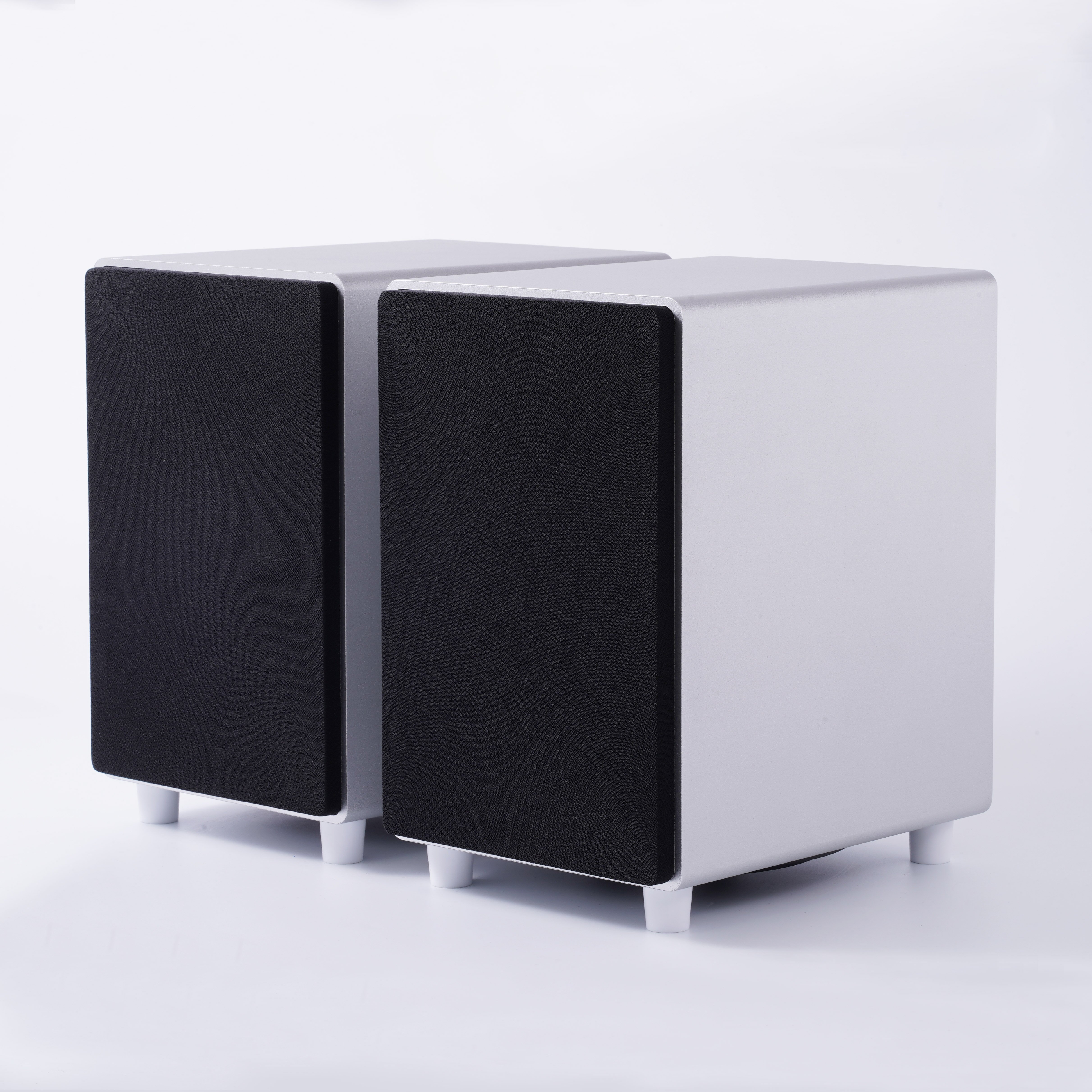
Dealers sourcing reliable bookshelf speakers manufacturers need more than a compelling product photo or an attractive wholesale price. Reliability depends on whether a manufacturer can demonstrate consistent build quality, supply clear technical information, communicate realistic lead times, and support repeat orders. A disciplined sourcing process helps buyers check these factors before inventory commitments put cash flow and customer trust at risk. Treat product evaluation and supplier qualification as connected tasks, not separate decisions.
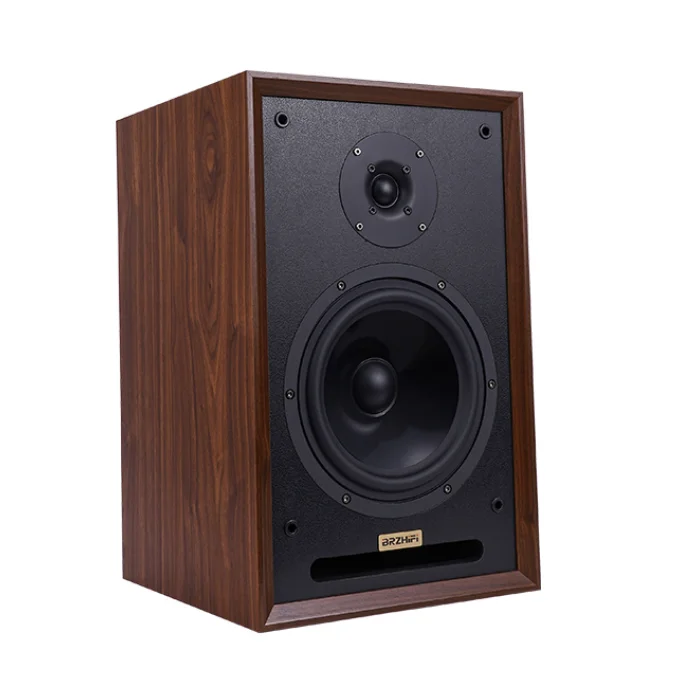
Reliable bookshelf speakers manufacturers should be able to explain how a product is designed, tested, packed, and replenished. Dealers can verify those claims through samples, written specifications, and direct questions about production. The goal is not to find a supplier that promises perfection; it is to identify a partner whose evidence, process, and commercial terms match the risks of the intended market. The steps below create a practical route from initial inquiry to a controlled first order.
Define product and supplier requirements
Translate customer needs into specifications
Before contacting bookshelf speakers manufacturers, define the customer and installation setting. A compact desktop model may need different enclosure dimensions, input arrangements, and placement guidance than a passive speaker intended for a living room system. Set requirements for cabinet finish, driver configuration, impedance, sensitivity, frequency response, connection type, and included accessories. These details give dealers a consistent basis for comparing proposals rather than relying on broad descriptions such as premium sound or versatile use.
Ask bookshelf speakers manufacturers to provide a current specification sheet and explain how each value is measured. Confirm whether listed dimensions include terminals, whether a pair or single unit is priced, and what packaging is standard. Request clarification wherever a specification seems incomplete or inconsistent. A supplier willing to resolve details before an order is more useful than one that leaves assumptions for the dealer to discover after goods arrive.
Match the design to the sales channel
The right bookshelf speakers manufacturers understand where the product will be sold and how buyers will use it. Dealers serving home audio customers may prioritize finish choices and system compatibility, while office or project buyers may focus on installation, durability, and repeatable configuration. Discuss the intended channel, target price band, and expected order pattern. The response helps reveal whether the manufacturer can support the product position instead of simply offering an existing model without context.
For shortlisted bookshelf speakers, check how the cabinet, grille, terminals, and finish appear in person. Review sample construction under ordinary handling, and note any sharp edges, loose fittings, uneven coatings, or confusing connections. Ask whether requested customizations affect minimum order quantities or production timing. Manufacturers that explain trade-offs clearly enable dealers to choose a specification they can sell consistently, rather than accepting changes that complicate replenishment.
Verify quality and operating capability
Inspect representative samples and test evidence
A sample gives dealers a first-hand reference for assessing bookshelf speakers manufacturers, but it should be treated as one checkpoint rather than proof of every production run. Listen for obvious channel imbalance, distortion at normal use levels, rattling, or intermittent connections, and inspect the physical finish. Where possible, compare samples from more than one unit or batch. Record observations so the eventual production goods can be assessed against an agreed reference.
Ask bookshelf speakers manufacturers what checks are performed during assembly and before packing. Useful details include driver and connection inspection, cabinet and finish review, functional testing, and how defects are recorded and corrected. Request available test documentation, while distinguishing a sample test from routine controls applied to each batch. Dealers should agree in writing how nonconforming units are reported, what evidence is needed, and how corrective action is handled.
Check production consistency and order readiness
Reliable bookshelf speakers manufacturers can describe the sequence from confirmed order to finished goods, including material planning, assembly, inspection, and packing. Ask how they manage component substitutions and whether any change will be communicated for approval. Clarify normal production lead time, capacity constraints, seasonal schedules, and the notice required for repeat orders. Specific answers allow dealers to plan stock more responsibly than an informal estimate without milestones.
When qualifying bookshelf speakers manufacturers, discuss packaging as part of product quality. Confirm carton dimensions, protective materials, labeling, accessory placement, and whether cartons are suitable for the planned freight route and warehouse handling. Ask for sample packaging details or photographs, then check the first shipment for transit damage and packing accuracy. A clear process for reporting shortages or damage helps both parties identify whether the cause is production, packing, or transport.
Set commercial controls before scaling
Agree on communication, terms, and documentation
Dealers should evaluate bookshelf speakers manufacturers by the quality of their business communication as well as the product. Confirm who handles quotations, technical questions, order updates, and after-sales issues. Written quotations should identify the exact model, configuration, quantity, unit pricing, packaging, payment schedule, and validity period. Make sure revisions are dated and that all parties are working from the same approved specification before production begins.
Ask bookshelf speakers manufacturers for the documents relevant to the destination market and the product configuration, then verify applicability rather than assuming a generic file covers every version. Keep product specifications, approved sample notes, packaging details, and order terms together. This record supports consistent purchasing and gives staff a reliable reference when customers ask about compatibility or contents. It also reduces ambiguity if a later batch differs from the original order.
Use a controlled first order to confirm fit
A first order should test the assumptions made during qualification. Start at a quantity that lets the dealer assess demand and inspect delivery quality without taking on unnecessary stock exposure. Before shipment, confirm the model and quantity, agreed packaging, dispatch timing, and available shipping documents. On receipt, compare the goods with the approved sample and record defects, missing accessories, carton condition, and any specification differences.
After the initial sale period, review whether bookshelf speakers manufacturers met the agreed expectations for product consistency, responsiveness, and replenishment. Share specific findings, including recurring customer questions or returns, and agree on practical corrective steps. A larger commitment is justified when the process works across actual orders, not merely during a sample review. Continue monitoring later batches, because reliable sourcing is an ongoing operating discipline rather than a one-time approval.
FAQ
What should dealers request before ordering bookshelf speakers?
Request a current specification sheet, quotation, sample, packaging details, production lead time, and information about quality checks. Dealers evaluating bookshelf speakers should also clarify order quantities, payment terms, available documentation, and the process for handling defects or shortages. Keep written confirmation of the agreed model and configuration.
How can a dealer assess a sample fairly?
Use the same inspection approach for each candidate: verify the stated configuration, examine the cabinet and connections, and listen under ordinary operating conditions. For bookshelf speakers, record observations and compare production goods with the approved reference. A sample is useful evidence, but it cannot replace batch inspection or clear quality procedures.
When is it reasonable to increase order quantities?
Increase quantities after initial deliveries meet documented expectations and sales data supports replenishment. Dealers should confirm that bookshelf speakers manufacturers can maintain the approved specification, provide realistic lead times, and respond to issues before scaling. Review cash flow, storage capacity, and customer demand alongside supplier performance.