
 EN
EN
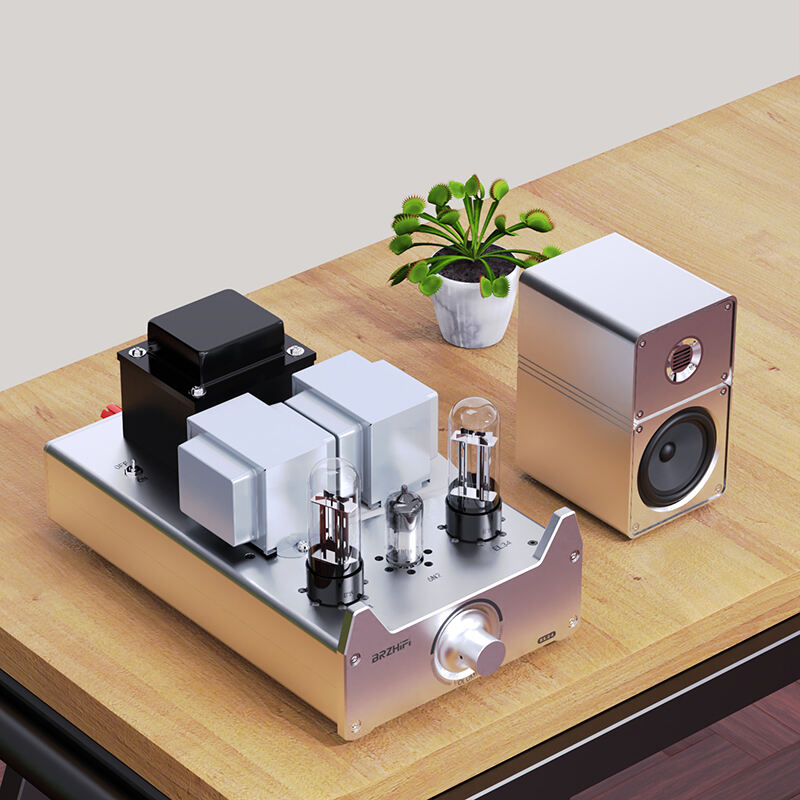
Во светот на аудио опрема за висока верност, дебатата помеѓу различните класи на усилувачи продолжува да ги фасцинира страстените слушачи и професионалците. Разбирањето кога интегриран усилувач од класа А остварува подобри перформанси во споредба со усилувачите од класа АВ бара разгледување на фундаменталните разлики во нивната работа, карактеристиките на ефикасноста и звучните квалитети. Овие технологии за појачување претставуваат различни пристапи кон репродукција на сигналот, при што секоја нуди уникатни предности во зависност од специфичните захтеви за примена и личните предпочитанија во слушање.
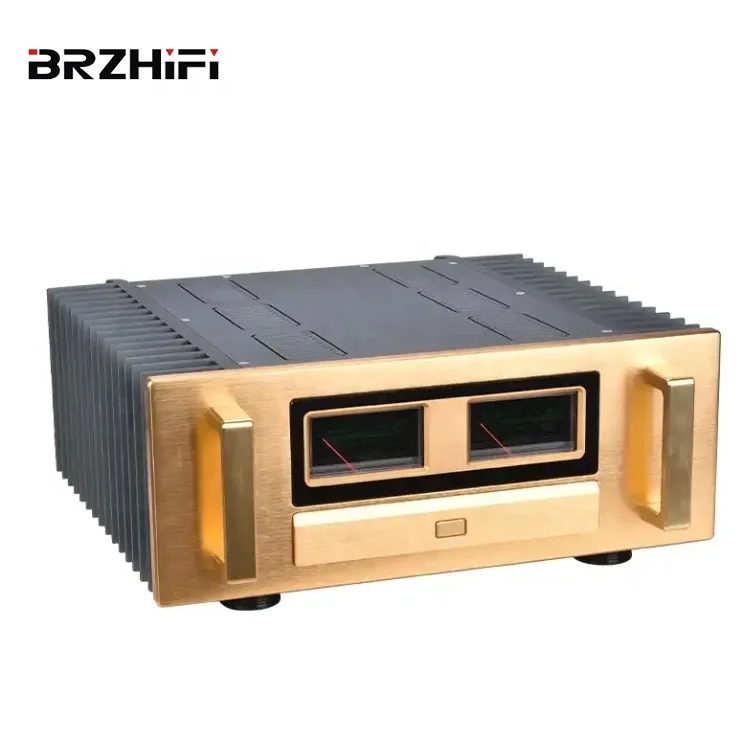
Принципите на работа кои лежат во основа на овие дизајни на појачала директно влијаат врз нивните перформанси и соодветност за различни аудио примени. Појачалата од класа А го одржуваат континуираното протекување на струјата низ нивните излезни уреди во текот на целиот сигнален циклус, осигурувајќи дека и позитивниот и негативниот дел од брановиот облик се третирани идентично. Оваа континуирана работа целосно елиминира прекршувачката дисторзија, бидејќи излезните уреди никогаш не се исклучуваат во нормален режим на работа, што резултира со извонредно чиста репродукција на сигналот.
Амплификаторите од класа AB, обратно на тоа, работат со компромисен пристап кој се обидува да го балансира чистото квалитетно звучно сигнализирање на класата А со подобрувана ефикасност. Овие дизајни овозможуваат минимален тек на струја кога нема сигнал, при што излезните уреди водат струја за малку повеќе од половина од циклусот на сигналот. Иако овој пристап намалува потрошувачката на енергија и генерирањето на топлина во споредба со чистата работа на класа А, тој воведува потенцијална прекршна дисторзија на точките на премин помеѓу позитивните и негативните делови на сигналот.
Технички предности на интегрираните амплификатори од класа А
Линеарна работа и интегритет на сигналот
Континуираната карактеристика на проводност на интегриран усилувач од класа А осигурува дека излезните уреди работат во нивниот најлинеарен регион низ целиот опсег на сигналот. Оваа линеарна работа се претставува со исклучителна верност на сигналот, со минимално хармониско искривување и артефакти од интермодулација кои можат да го намалат квалитетот на звукот. Отсуството на премини во состојба на вклучување/исклучување елиминира кросовер искривувањето присутно кај усилувачите од класа АВ, особено забележливо при слаби сигнали каде што тонките музички детали стануваат највидливи.
Покрај тоа, термичката стабилност на експлоатацијата од класа А значително придонесува за конзистентни карактеристики на перформансите. Бидејќи излазните уреди ја одржуваат постојаната температура поради континуиран ток, нивните оперативни параметри остануваат стабилни без оглед на промените на нивото на сигналот. Оваа термичка конзистенција обезбедува дека карактеристики на појачување не се движат со менување на материјалот на програмата, одржувајќи конзистентна тонална рамнотежа и динамичен одговор во сите услови на слушање.
Динамички одговор и работа со префрлници
Интегрираните појачувачи од класа А се одликуваат во динамичните способности за одговор поради нивната континуирана подготвеност да се справат со варијации на сигналот. За разлика од дизајните од класата АБ кои мора да ги активираат спијатните излазни уреди за време на транзициите на сигналот, интегрираниот појачувач од класата одржува целосна оперативна состојба во секое време. Оваа постојана подготвеност овозможува моментален одговор на брзи промени на сигналот, сочувајќи ги карактеристиките на напад и распаѓање на музичките транзиенти кои придонесуваат за реалистична репродукција на инструментот.
Исклучителниот премински одговор на усилувачите од класа А станува особено забележлив кај комплексни музички пасуси што содржат повеќе истовремени инструменти. Атаките на пијаното, ударите на тапаните и оркестралните кресцендо имаат корист од незабавната одговорна способност, со што се одржуваат природните временски односи помеѓу различните музички елементи. Ова одржување на временската точност придонесува за тримензионалната презентација на звучниот простор што ги разликува усилувачите од класа А високоградежни од другите технологии.
Сценарија на примена каде што класа А има предност
Примени за критичко слушање
Професионалните студии за снимање и мастеринг често избираат интегрирани појачала од класа А за нивните референтни мониторски системи поради неповрзаната точност на сигналот што го обезбедуваат овие дизајни. Отсуството на прекршувачко искривување осигурува дека инженерите можат да откријат благи артефакти при миксирање и мастеринг кои би можеле да бидат замаскирани од вградените искривувања на појачалата од класа АВ. Оваа точност станува критична при донесување важни одлуки за финалниот баланс на микс и динамичка обработка кои ќе влијаат врз конечното комерцијално објавување.
И аудиофилските средини за слушање значително имаат корист од интегриран усилувач класа А технологија кога точноста на репродукцијата има предност пред ефикасноста. Линеарните карактеристики на работата го запазуваат оригиналниот тонски баланс и просторната информација на записот, овозможувајќи на слушачите да го доживеат музичкиот материјал така како што го замислиле артистите и звучните инженери. Овој предност во верноста станува најочигледна при репродукција на записи со висока резолуција и при акустички комплексни музички жанрови кои бараат прецизна репродукција на хармониските односи.
Сценарија на слушање со ниска потрошувачка на енергија
Интегрираните појачала од класа А покажуваат особени предности при слушање на ниски нивоа на јачина каде што појачалата од класа АВ можат да имаат проблеми со прекршувачката дисторзија. На намалени нивоа на јачина, континуираната проводност на технологијата од класа А го запазува целосното интегритет на сигналот, со што се задржува музичката деталираност и динамичкиот контраст кои инаку би биле изгубени. Оваа карактеристика прави интегрираното појачало од класа А идеално за слушање во подоцнежни часови или во средини каде што се бараат умерени нивоа на јачина.
Нискиот ниво на линеарност на усилувањето класа А исто така им користи на слушателите кои ги предпочитаат интимните акустични изведби и соло инструменталните дела. Класичната гитара, вокалните снимки и камерната музика го откриваат својот целосен изразен опсег преку репродукцијата без дисторзија што ја овозможува технологијата класа А. Способноста да се одржи квалитетот на сигналот на нивоа на шепот овозможува уживање во суптилните музички нијанси кои придонесуваат за емоционална ангажираност со изведбата.
Сообразувања за ефикасност и практични ограничувања
Потрошувачка на енергија и управување со топлината
Постояната струја што овозможува премиум квалитет на сигналот во интегрираните појачала од класа А исто така резултира со значителна потрошувачка на енергија и генерирање на топлина, независно од нивото на излез.
Потребите за расејување на топлината при работа во класа А често бараат солидни системи за отстранување на топлината и принудно воздушно ладење кај апликации со поголема моќност. Овие потреби за термално управување можат да влијаат врз можностите за поставување на појачалото и може да бидат потребни посебни размислувања за вентилација при дизајнирањето на просторијата за слушање. Постояната топлинска емисија исто така влијае врз долговечноста на компонентите, што бара внимателно следење на термичките циклуси и факторите за долготрајна поуверливост кои влијаат врз вкупните трошоци за сопственост.
Ограничувања на излезната моќ
Практичните ограничувања на излезната моќност на интегрираните појачала од класа А потекнуваат од термалните ограничувања што ги наметнува работата со непрекината максимална струја. Иако интегрираното појачало од класа А може да обезбеди исклучително квалитетно звучење во рамките на неговиот моќенски опсег, постигнувањето на високи излезни нивоа бара значителна способност за расеање на топлина, што станува сè потешко и поскапо со зголемување на бараната моќност. Ова ограничување прави технологијата од класа А најпогодна за примени каде што умерените нивоа на моќност се доволни за предвидената слушна средина.
Факторот на ограничување на моќноста станува особено релевантен при погон на неефикасни високо-звукови звучници или при исполнување на големи простори за слушање со адекватни нивоа на звук. Во овие сценарија, премиум ефикасноста на дизајните од класа AB може да надмине звучните предности на работата во класа A, особено кога ограничувањата во буџетот го прават невозможно имплементирањето на високо-моќни решенија од класа A. Разбирањето на ефикасноста на звучниците и акустиката на просторијата помага да се одреди дали интегрираниот појачувач од класа A може да ги задоволи специфичните барања за моќност.
Апликација -Специфични споредби на перформансите
Системи со висока ефикасност на звучниците
Високоефикасните звучници претставуваат идеално совпаѓање за технологијата на интегрираниот појачувач од класа А, бидејќи нивните карактеристики на осетливост ги минимизираат захтевите за моќност, додека максимизираат слушните предности на појачување без искривувања. Системите со рупорно оптоварување, високоефикасните двоканални монитори и конструкции со единечен драјвер можат да постигнат задоволителни нивоа на слушање со релативно скромен влезен сигнал на моќност, што овозможува целосна искористеност на звучните предности на класа А без да се соочат со ограничувања во моќноста.
Комбинацијата на ефикасни звучници со интегриран појачувач од класа А создава синергетска врска каде линеарните карактеристики на појачувачот се дополнуваат со способноста на звучниците да ги откријат благите варијации во сигналот. Ова спојување станува особено ефикасно со винтажни дизајни на високоефикасни звучници кои првобитно биле замислени за употреба со појачувачи со помала моќност базирани на вакуумски цевки, бидејќи тврдотелната технологија на класа А обезбедува слични звучни карактеристики со подобра сигурност и постојаност.
Примени за надзор во блиска област
Сценариите за надзор во блиска област, дали тоа е во професионални или домашни средини, претставуваат оптимални примени за технологијата на интегрирани појачувачи од класа А. Кратките растојанија за слушање карактеристични за поставките во блиска област го намалуваат потребниот излезен напојување, додека нагласуваат важноста на точноста на сигналот и разрешувањето на деталите. Десктоп аудио-системите, личните станици за слушање и мали студиски монитори значително се подобруваат со зголеменото разрешување што го овозможува појачувањето без деформации.
Контролираната акустична средина на слушањето во близина овозможува да се оцениат благите подобрувања што ги нуди интегрираниот појачувач од класа А во споредба со алтернативите од класа АВ. Намалените ефекти од интеракцијата со просторијата значат дека карактеристиките на појачувачот стануваат повеќе слушливи, што прави инвестицијата во пософистицирана технологија за појачување поизразена за слушачите. Ова директна корелација помеѓу квалитетот на појачувачот и перципираната перформанса ја оправдува дополнителната комплексност и цена поврзани со имплементацијата на класа А.
Долготрајна сигурност и размислување за одржување
Напрегање на компонентите и долговечност
Постояната работа потребна за усилување од класа А ги подложува излезните уреди и поврзаните компоненти на постојан термален и електричен стрес што може да влијае врз долготрајната поузданиост. Сепак, оваа стационарна работа исто така елиминира термалниот циклусен стрес кој се јавува кај усилувачите од класа АВ во услови на променливи сигнали. Разбирањето на овие компромиси во поглед на поузданиоста помага при донесувањето на информирани одлуки за избор на усилувачи за различни примени и начини на користење.
Соодветниот дизајн и избор на компоненти кај интегриран усилувач од класа А всушност може да го подобри неговиот квалитет на поузданиост, со тоа што уредите работат во рамките на нивните максимални спецификации и се одржуваат стабилни термални услови. Квалитетните производители применуваат конзервативни маргини во дизајнот и избираат компоненти специјално оценети за непрекината работа на високи температури, што резултира со системи кои можеби ќе траат подолго од нивните соодветници од класа АВ, иако работните услови изгледаат потежоки.
Потребности за одржување и интервали за сервисирање
Континуираната работа на интегрирани појачувачи од класа А обично бара почести интервали за одржување во споредба со дизајните од класа АВ, особено во врска со чистењето на системот за управување со топлината и инспекцијата на компонентите. Натрупувањето на prašina на топлинските отводни плочи значително може да влијае врз топлинската перформанса, што бара редовни распореди за чистење за да се одржат оптималните работни услови. Додека тоа, постојаното топлинско напрегање може да бара почеста замена на кондензатори и процедури за прилагодување на струјата на мировање.
Превентивното одржување на интегриран усилувач од класа А треба да вклучува редовно следење на температурата, проверка на струјата на поларизација и замена на термичкиот интерфејсен материјал според потреба. Овие захтеви за одржување, иако се поинтензивни од оние за усилувачите од класа АВ, помагаат да се осигури последовителна перформанса и да се спречи прематурно оштетување на компонентите. Установувањето на соодветни протоколи за одржување од моментот на почетната инсталација го максимизира долготрајното вредносно предлог за инвестицијата во усилувачи од класа А.
ЧПЗ
На кои нивоа на моќност интегрираните усилувачи од класа А се најпрактични?
Интегрираните појачала од класа А обично обезбедуваат оптимална вредност и перформанси во опсегот од 5 до 50 вати, каде што звучните предности надминуваат загриженоста за ефикасност. Повисоките нивоа на моќност бараат експоненцијално поголеми системи за расејување на топлина и потрошуват значителна количина електрична енергија, поради што се помалку практични за повеќето примени. Оптималниот опсег за интегрирано појачало од класа А често се движи помеѓу 15 и 30 вати, обезбедувајќи доволна моќност за повеќето високо-ефикасни звучници, при тоа задржувајќи разумни трошоци за експлоатација и барања за термално управување.
Како влијае импедансата на звучниците врз перформансите на појачалата од класа А
Импедансот на звучниците значително влијае врз перформансите на усилувачите од класа А, при што товарите со повисок импеданс воопшто овозможуваат подобар пренос на моќност и намалуваат напрегањето врз излезните компоненти. Интегриран усилувач од класа А обично работи оптимално со звучници од 8–16 оми, бидејќи повисокиот импеданс го намалува барањето по струја и генерирањето на топлина. Звучниците со понизок импеданс, иако се совместливи, можат да ограничат максималниот излезен број на моќност и да зголемат топлинското напрегање, па затоа може да бидат потребни дополнителни мерки за ладење или намалување на нивоата на слушање за да се осигура доверлива работа.
Дали усилувачите од класа А можат да обработуваат комплексни музички пасуси подобро од усилувачите од класа АВ
Да, усилувачите од класа А се истакнуваат со сложени музички пасажи поради нивната постојана линеарна работа и отсуството на прекинување на дисторзијата. Постояната спремност на излезните уреди во интегриран усилувач од класа А овозможува превосходно справување со едновремено свирење на повеќе инструменти, запазувајќи го одвојувањето помеѓу канали и одржувајќи прецизни временски односи. Ова предност најмногу се забележува кај оркестарски дела, џез ансамбли и густо слоени снимки каде што тонките музички интеракции бараат точна репродукција.
Кои услови во просторијата оптимизираат работата на усилувачите од класа А
Амплификаторите од класа А најдобро работат во добро проветрени простории со стабилна температура и доволно простор за расеање на топлината. Постояното топлинско испуштање на интегриран амплификатор од класа А бара соодветна циркулација на воздух за одржување на оптималните работни температури и спречување на термалното исклучување. Додека тоа, акустички третираните простории кои минимизираат рефлексиите овозможуваат подобро уживање во премиум квалитетот на сигналот што го оправдува сложеноста и трошоците за работа поврзани со технологијата од класа А.
Содржина
- Технички предности на интегрираните амплификатори од класа А
- Сценарија на примена каде што класа А има предност
- Сообразувања за ефикасност и практични ограничувања
- Апликација -Специфични споредби на перформансите
- Долготрајна сигурност и размислување за одржување
-
ЧПЗ
- На кои нивоа на моќност интегрираните усилувачи од класа А се најпрактични?
- Како влијае импедансата на звучниците врз перформансите на појачалата од класа А
- Дали усилувачите од класа А можат да обработуваат комплексни музички пасуси подобро од усилувачите од класа АВ
- Кои услови во просторијата оптимизираат работата на усилувачите од класа А