
 EN
EN
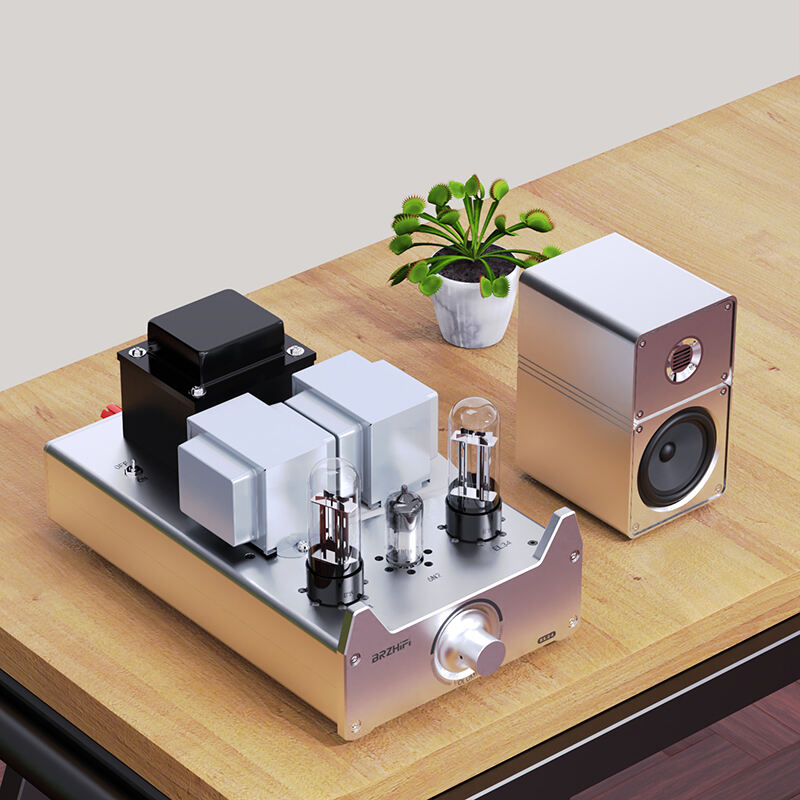
Кога се размислува за премиум инвестиции во аудио опрема, разбирањето на критичните фактори поврзани со купувањето на класа А појачало на продажба станува неопходно за постигнување извонредна репродукција на звукот. Овие висококвалитетни појачала претставуваат врвот на аудио инженерството и овозможуваат неповлекливо перформанс со нивната уникатна топологија на кола која одржува постојан тек на струја без оглед на присуството на сигнал. Одлуката да се инвестира во таква софистицирана опрема бара внимателна проценка на повеќе технички и практични аспекти кои директно ќе влијаат врз вашето слушно искуство и задоволство во долготрајен план.
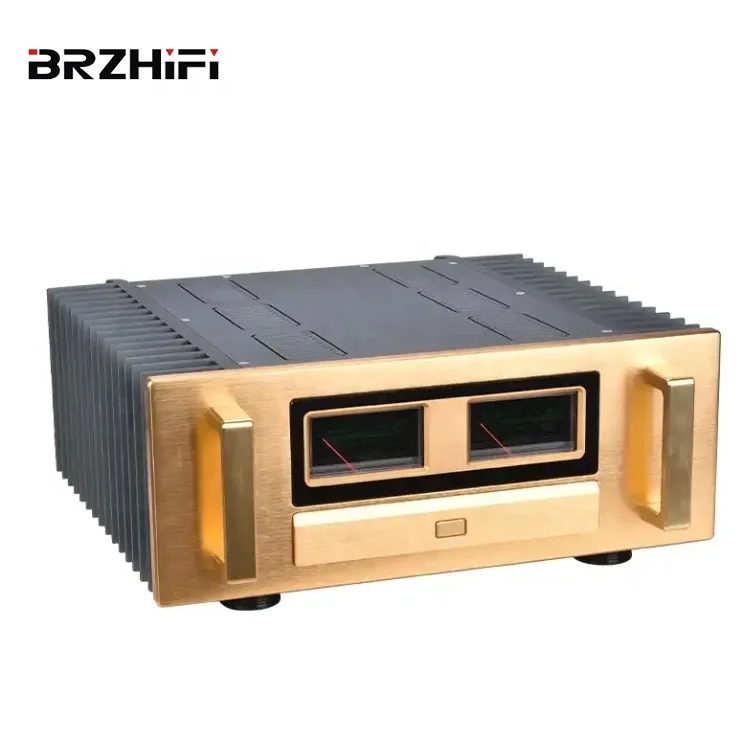
Пазарот за посилувачка опрема високог квалитет продолжува да се проширува, бидејќи аудиофилите и професионалните звучни инженери баратаат подобри карактеристики на перформансите што можат да се постигнат само со чиста класа А топологија. Овие посилувачи работат со непрекинато проводење на двата излезни транзистори, што елиминира прекршувачко искажување и овозможува најглатката можно репродукција на сигналот. Овој начин на работа прави секој посилувач од класа А достапен на продажба значаен инвестициски предмет кој бара детално истражување и разбирање пред донесување одлука за купување.
Разбирање на технологијата за посилувачи од класа А
Топологија на колото и начин на работа
Фундаменталната архитектура на класа А појачување ги разликува овие уреди од конвенционалните дизајни на појачувачи преку нивниот континуиран пристап на спроведување. За разлика од појачувачите од класа АВ или класа D, кои вклучуваат и исклучуваат транзистори, појачувачите од класа А одржуваат постојан тек на струја низ излезниот стадиум, осигурувајќи дека репродукцијата на сигналот се врши без артефакти од превклучување или кросовер-дисторзија. Оваа континуирана работа бара значителна потрошувачка на енергија и генерира значителна топлина, фактори кои мора да се земат предвид при проценката на кој било појачувач од класа А за продажба.
Линеарниот работен карактеристик на усилувачите од класа А произведува извонредно ниски вредности на хармониска дисторзија, типично помали од 0,01 % во целиот фреквенциски опсег. Ова техничка надмоќ се претставува во извонредно природна репродукција на звукот, која ги запазува благите нијанси и просторната информација присутни во записите од високо качество. Професионалните звучни инженери често ги предпочитаат овие усилувачи за критични мониторски примени каде што апсолутната верност е од најголемо значење.
Размислување за моќноста и ефикасноста
Секој усилувач од класа А што се продава работи со вродена ниска ефикасност, типично постигнувајќи само 20–25 % ефикасност на конверзија на електрична енергија поради постојаното влечење на струја што е потребно од топологијата на колото. Оваа карактеристика значи дека усилувач од класа А со моќност од 50 W ќе потрошуваше приближно 200–250 W електрична моќност постојано, без оглед на нивото на излезната моќност. Разбирањето на овие захтеви за моќност е критично за соодветно електрично планирање и пресметување на трошоците за експлоатација.
Спецификациите за излезна моќност на усилувачите од класа А често изгледаат скромни во споредба со другите типови усилувачи, но нивните способности за достава на струја и карактеристиките на динамичниот одговор често надминуваат очекувањата. Овие усилувачи обично осигуруваат исклучителна контрола врз захтевните звучници, овозможувајќи стабилна работа со комплексни криви на импеданса кои би можеле да ги предизвикаат конвенционалните дизајни. Комбинацијата од висока капацитетност за струја и линеарна работа прави дури и релативно слабите усилувачи од класа А способни да ги погонуваат захтевните системи на звучници ефикасно.
Технички спецификации за проценка
Мерења на деформација и фреквентен одговор
При испитување на кој било класичен А појачувач за продажба, мерките на вкупната хармониска деформација нудат клучно сознание за линеарноста и интегритетот на сигналот на појачувачот. Појачувачите од професионална класа А обично покажуваат вредности на THD под 0,005 % при номиналниот излез, со уште пониски вредности при умерени нивоа на слушање. Овие извонредни спецификации за деформација директно придонесуваат за природното и безнапорно квалитетно звучење што го карактеризира појачувањето од висок класичен А.
Карактеристиките на фреквенцискиот одговор го открива способноста на појачалото да воспроизведува целосниот аудио спектар без бојање или нагласување. Премиум појачала од класа А обично покажуваат рамен фреквенциски одговор што се протега од под 10 Hz до над 100 kHz, осигурувајќи точна воспроизведување како на субсоничната информација, така и на хармонискиот содржин кој придонесува за просторната перцепција и точноста на тембром.
Однос сигнал-шум и динамички опсег
Спецификацијата за односот сигнал-шум укажува на способноста на појачалото да ги воспроизведува деталите на музиката со ниска јачина без забележливо меѓудејство на позадиски шум. Примерите на појачала од која било класа А, кои се во продажба и имаат високо квалитет, обично постигнуваат мерки на односот сигнал-шум над 100 дБ, обезбедувајќи тишина во позадината што овозможува јасно појавување на благите музички информации. Ова исклучителна перформанса во однос на шумот потекнува од едноставната, линеарна топологија на колото, која минимизира компонентите што генерираат шум и артефактите од превклучување.
Способностите за динамичен опсег го одредуваат способноста на појачалото да ги обработува изведните врвови и сложените музички пасуси без компресија или деформација. Појачалата од класа А се истакнуваат во оваа област поради нивниот постојан струен предизвор и линеарна работа, што им овозможува моментален одговор на динамичното музичко содржание. Комбинацијата од високи односи сигнал-шум и исклучителен динамичен опсег создава прозрачна, неискривена репродукција на звукот која аудиофилите ја поврзуваат со појачало од референтно квалитет.
Квалитет на изработка и избор на компоненти
Дизајн и регулација на напојниот извор
Дизајнот на напојувањето значително влијае врз карактеристиките на перформансите на секој класичен А појачувач за продажба, бидејќи овие кола баратаат стабилни, добро регулирани извори на напон за одржување на оптималните услови за предиспотставување. Висококвалитетните појачувачи од класа А обично користат премногу големи трансформатори и солидни банки на филтер кондензатори за да осигурат чисто и стабилно напојување под сите работни услови. Регулацијата на напојувањето директно влијае врз способноста на појачувачот да одржува последовителни перформанси независно од варијациите на наизменичната мрежа или динамичките барања на товарот.
Премиум имплементациите на напојници често вклучуваат посебни намотки за различни делови на колото, со што се изолираат чувствителните влезни стадиуми од стадиумите со висока струја на излез за минимизирање на интеракцијата и одржување на чистотата на сигналот. Некои производители вградуваат софистицирани кола за регулација на напонот кои активно компензираат варијации во товарот и промени во температурата, осигурувајќи конзистентни услови за преднапрегање во текот на продолжени сесии на слушање. Овие напредни техники за напојување значително придонесуваат за вкупната перформанса и поуздаемост на професионалните класа А појачувачи.
Квалитет на компонентите и термално управување
Изборот на компоненти од висок квалитет станува критичен при проценка на секој класа A амплификатор за продажба бидејќи овие уреди работат под непрекинати услови на висок струен товар што го напрега секој компонент во патот на сигналот. Производителите на премиум класа користат спарени транзистори, прецизни отпорници од метален филм и кондензатори од високо качество специјално избрани поради нивната стабилност и ниско-шумски карактеристики. Квалитетот на компонентите директно влијае врз долготрајната поуздаемост и звучната перформанса.
Системите за термално управување мора да ефикасно расипуваат значителната топлина генерирана од непрекинатата работа во класа А, при тоа одржувајќи стабилни работни температури за оптимална перформанса на компонентите. Професионалните дизајни вклучуваат масивни топлински отводи, системи за принудно воздушно ладење или дури и течни решенија за ладење за ефикасно управување со термалните товари. Соодветниот термален дизајн осигурува последователна перформанса и го проширува векот на траење на компонентите, што го прави критичен критериум за проценка во сериозни примени.
Совместливост и интеграција во систем
Спецификации за влез и излез
Разбирањето на спецификациите за влезна осетливост и импеданса помага да се осигури соодветно совпаѓање на системот кога се разгледува било кој усилувач од класа А за продажба за вашиот аудио систем. Повеќето усилувачи од класа А нудат повеќе влезни опции, вклучувајќи балансиран XLR и небалансиран RCA приклучоци, со влезни осетливости што обично се движат од 1 до 3 волти за максимален излез. Карактеристиките на влезниот импеданс влијаат врз интеракцијата со изворните компоненти и можат да го засегнат вкупното работно време на системот.
Излезните спецификации, вклучувајќи совместливост со импеданса на звучниците и квалитетот на терминалните постови, ја одредуваат способноста на усилувачот ефикасно да го поттикне вашиот специфичен систем од звучници. Усилувачите од класа А високоградежни обично овозможуваат стабилна работа со товари на импеданса дури и до 2 ома, а некои дизајни се способни да го удвојат излезната моќ кога импедансата ќе се преполови. Премиум терминалните постови осигуруваат сигурни врски и минимизираат контактното отпорност што би можело да го деградира трансферот на сигналот кон поврзаните звучници.
Контролни функции и опции за поврзување
Современите примероци на посилувачи од класа А за продажба често вклучуваат напредни контролни функции, при што се одржува чистотата на патеката на сигналот преку внимателно проектирање на колата. Контролите за јачина, кога се присутни, обично користат прецизни стапенски атениатори или потенциометри високог квалитет кои го одржуваат балансот помеѓу каналите и минимизираат деградација на сигналот. Некои дизајни нудат можност за далечинско управување или дигитални влезни опции за подобра флексибилност во интеграцијата на системот.
Вклучувањето на функции како што се превключувачки влезови, прилагодување на засилувањето или контроли на тонот бара внимателна проценка за да се осигура дека овие функции не ја компромитираат основната перформанса на посилувачот. Премиум производителите често нудат опции за заобиколување или ги имплементираат овие функции во посебни делови на колото за да се одржи чистотата на сигналот во критичните фази на засилување. Разбирањето кои функции се неопходни за вашата примена помага при донесувањето на одлуки за избор.
Потврда на перформансите и тестирање
Мерна опрема и постапки за тестирање
Соодветната проценка на секој усилувач од класа А кој се продава бара комплексно тестирање со соодветна мерна опрема за потврдување на објавените спецификации и идентификување на можни проблеми со перформансите. Професионалните аудио анализатори, осцилоскопи и спектрални анализатори обезбедуваат објективни можностии за мерење кои ги откриваат вистинските карактеристики на перформансите на усилувачот во различни работни услови и отпорности на товарот.
Стандардизираните постапки за тестирање вклучуваат мерење на вкупната хармониска дисторзија на различни нивоа на моќност, линеарност на фреквенциската одговорност, однос сигнал-шум и максимална излезна моќност во различни отпорности на товарот. Овие мерења треба да се извршат на повеќе фреквенции и нивоа на моќност за да се осигура конзистентна перформанса низ целиот работен опсег на усилувачот. Топлинското тестирање во продолжен временски период ја потврдува стабилноста и идентификува било какви варијации во перформансите поврзани со температурата.
Тестови на слушање и субјективна проценка
Додека техничките мерења обезбедуваат објективни податоци за перформансите, внимателните тестови на слушање со познат материјал за референца го откриваат субјективниот карактер што ги разликува извонредните класа А посилувачи за продажба од само задоволителните дизајни. Критичните сесии на слушање треба да вклучуваат различни музички жанрови и квалитети на снимки за да се процени способноста на посилувачот да репродуцира различни типови содржини точно и ангажирани.
Споредувачките тестови на слушање со идентичен изворен материјал и звучници помагаат да се идентификуваат уникатните звучни карактеристики што секој посилувач ги додава на вкупната перформанса на системот. Факторите како што се широчина и длабочина на звучниот простор, точност на тембром, динамичен контраст и откриување на детали на ниски нивоа стануваат јасни преку продолжени сесии на слушање со снимки висок квалитет и референтни звучници со стандарден квалитет.
Размислување за долгорочно поседување
Потреби за одржување и сервисна поддршка
Постојаната работа со висока струја на секој усилувач од класа А кој се продава создава специфични барања за одржување кои се разликуваат од конвенционалните дизајни на усилувачи. Редовното чистење на топлинските отстранувачи и воздушните канали осигурува оптимална термичка перформанса, додека периодичните прилагодувања на предизвикот може да бидат неопходни за одржување на соодветните работни услови со стареењето на компонентите. Разбирањето на овие барања за одржување помага да се осигури долготрајна поузданиост и последователна перформанса.
Достапноста на поддршка од производителот, вклучувајќи документација за сервисирање, резервни делови и овластени сервисни центри, станува критична за професионални примени каде што простојот мора да биде минимален. Престижните производители обично нудат комплексна сервисна поддршка, вклучувајќи детална техничка документација, лесно достапни резервни компоненти и фабрички сервисни капацитети. Оваа инфраструктура за поддршка обезбедува доверба за долготрајно поседување и професионални примени.
Потенцијал за надградба и идна компатибилност
Вреднувањето на потенцијалот за надградба на секој класичен А појачувач кој се продава помага да се осигура инвестицијата останува релевантна додека се менуваат барањата за системот или се зголемуваат стандардите за перформанси. Некои производители нудат услуги за надградба, вклучувајќи ажурирање на компоненти, модификации на кола или подобрување на напојувањето, што може да ги подобри перформансите без потреба од целосна замена. Овие опции за надградба обезбедуваат патека за одржување на водечки перформанси во продолжен период на сопственост.
Со оглед на идната компатибилност, треба да се разгледаат стандардите за спојници, интерфејсите за контрола и можностите за интеграција со новите аудио технологии. Појачувачите со модуларни влезни делови или системи за контрола што можат да се ажурираат нудат поголема флексибилност за адаптација на менувачките барања за системот или новите аудио формати. Разбирањето на овие фактори за компатибилност помага да се осигура дека инвестицијата во појачувачот останува вредна додека технологијата продолжува да напредува.
ЧПЗ
Што ги прави класичните А појачувачи различни од другите типови појачувачи
Амплификацијата од класа А го одржува непрекинатото протекување на струјата низ излезните стадиуми, отстранувајќи ја дисторзијата предизвикана од превклучување која е присутна кај амплификацијата од класа АВ или класа D. Ова непрекинато работно состојба произведува исклучително линеарна репродукција на сигналот со минимална хармониска дисторзија, иако тоа се постигнува на сметка на поголема потрошувачка на енергија и генерирање на топлина. Резултатот е забележително природно квалитет на звукот што ги запазува музичките нијанси и просторната информација со исклучителна точност.
Колку енергија потрошуват амплификациите од класа А во текот на работата?
Амплификациите од класа А обично работат со ефикасност од 20–25 %, што значи дека непрекинато потрошуват приближно четири до пет пати повеќе од нивната номинална излезна моќ. Амплификација од класа А со моќност од 50 вати за продажба би потрошувала приближно 200–250 вати електрична енергија, независно од нивото на слушање, бидејќи излезните транзистори секогаш остануваат целосно проводни. Оваа потрошувачка на енергија е постојана, дали се свири музика тихо или на високи нивоа на гласност.
Дали усилувачите од класа А се соодветни за захтевни товари на звучниците
Иако обично имаат скромни ознаки за моќност, усилувачите од класа А се исклучително добри во погон на захтевни товари на звучниците поради нивната висока способност за достава на струја и линеарни карактеристики на работата. Постојаната струја за предварително поларизирање и стабилната работна точка обезбедуваат одлична контрола врз комплексните варијации на импеданса, што ги прави овие усилувачи ефикасни со звучници кои претставуваат тешки електрични товари. Многу дизајни на усилувачи од класа А можат да погонуваат импеданси дури и до 2 оми, при што задржуваат стабилна работа.
Што треба да очекувам дека ќе платам за квалитетен усилувач од класа А
Амплификаторите од квалитетна класа А обично имаат премиум цена поради нивниот софистициран круговен дизајн, компоненти од висок квалитет и значителните барања за напојување. Моделите за почетници во областа на аудиофилството можат да почнат од неколку илјади долари, додека референтните професионални единици можат да надминат десетици илјади долари. Цената го одразува инженерскиот комплекситет, квалитетот на компонентите и прецизноста во производството потребни за постигнување на исклучителните стандарди за перформанси кои се очекуваат од секој сериозен амплификатор од класа А кој се продава.