
 EN
EN
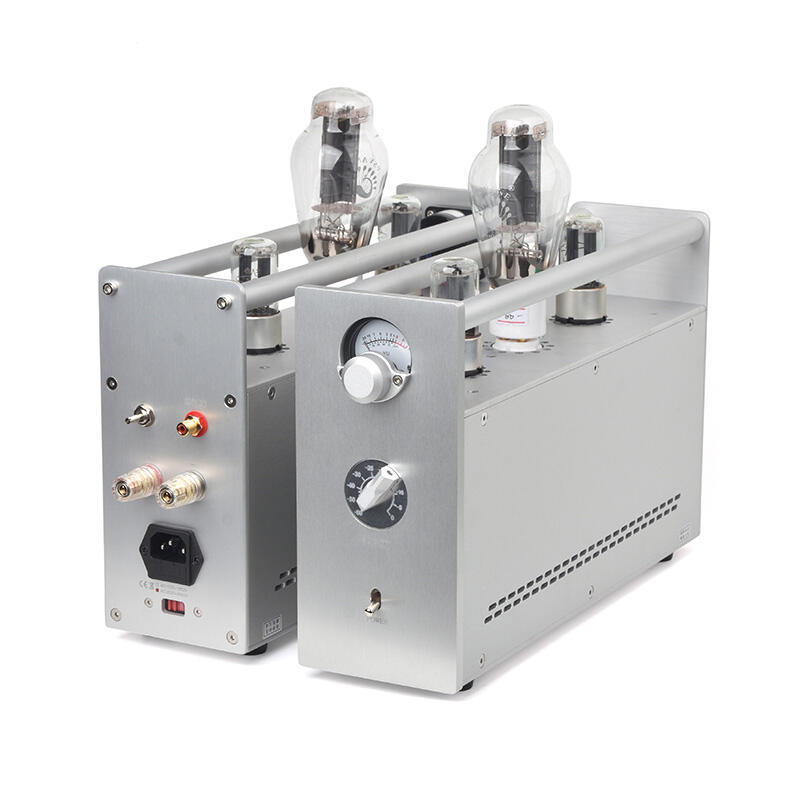
Аудио предпојачувачите претставуваат критична основа на секој професионален звучен систем, зголемувајќи ги слабите сигнали од микрофони и инструменти до ниво пригодно за понатамошна обработка. Без оглед дали користите Presonus предпојачувач или друг модел со висок квалитет, правилната пракса за одржување директно влијае на долготрајноста, конзистентноста на работата и општата верност на аудио сигналот. Разбирањето како да се грижите за овие прецизни инструменти осигурува години со сигурна употреба и ја заштитува вашата инвестиција во професионална аудио опрема.
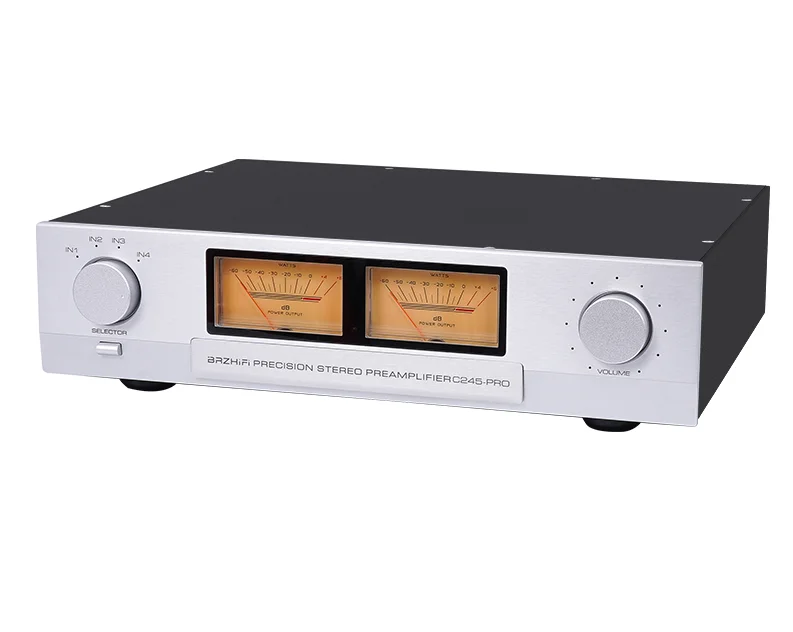
Современите предпојачала содржат софистицирани електронски компоненти кои бараат специфични услови на околината и редовно внимание за одржување на оптималната перформанса. Деликатната рамнотежа помеѓу цевки, транзистори, кондензатори и отпорници ги прави овие уреди особено чувствителни на prašina, влажност, температурни флуктуации и нередовности во напојувањето. Воведувањето на комплексен распоред за одржување спречува чести проблеми како што се деградација на сигналот, воведување на шум, неуспех на компонентите и прематурно стареење на критичните делови.
Контрола на околината и работни услови
Управување со температурата за оптимална перформанса
Одржувањето на стабилни работни температури претставува еден од најважните аспекти на грижата за предпојачало. Електронските компоненти во предпојачалото на Presonus генерираат топлина во текот на работата, а прекумерните температури можат да предизвикаат цурење на кондензаторите, отстапување на вредноста на отпорниците и прематурно деградирање на полупроводничките споеви. Држете го вашето предпојачало во добро проветрувано место со околна температура помеѓу 60 и 80 степени Фаренхајт, осигурувајќи доволен проток на воздух околу сите страни на уредот.
Избегнувајте поставување на предпојачалата директно под сценските светла, до отворите за загревање или во затворени ракли без соодветни вентилатори за проветрување. Циклирањето на температурата од екстремно високи до ниски услови предизвикува ширење и склупчување на компонентите, што води до напрегање на лемените врски и потенцијални неуспеси на врските. Размислете за инсталирање на вентилатори за ладење монтирани во ракла за постојани инсталации каде што повеќе уреди генерираат значително зголемување на топлината.
Контрола на влажноста и спречување на влагата
Нивоата на влажност значително влијаат врз внатрешните компоненти на аудио предпојачувачите, при што оптималниот опсег е помеѓу 30–50% релативна влажност. Прекумерната влага предизвикува оксидација на металните контакти, корозија на следите на печатената плоча и можни кратки споеви помеѓу компонентите кои се блиску поставени едни до други. Во влажните клими, користете дехумидификатори во просториите за складирање и избегнувајте брзи промени на температурата кои предизвикуваат кондензација внатре во уредот.
Обратно, екстремно сушните услови предизвикуваат натрупување на статичка електричност што може да ја оштети чувствителните полупроводнички компоненти при неочекувано отпуштање. Складирајте предпојачувачите во средини со контролирана клима, доколку е можно, и дозволете им постепено да се адаптираат на новите околински услови пред да ги вклучите. Ова практика спречува топлинскиот шок и намалува напрегањето врз внатрешните компоненти.
Редовно чистење и управување со prašinata
Процедури за надворешно чистење
Надворешните површини на вашиот Presonus предамплитудер бараат редовно чистење за да се одржи соодветното расејување на топлината и да се спречи внесувањето на prašина во внатрешните компоненти. Користете мека, безвлакнеста крпа благо навлажнета со изопропил алкохол за чистење на контролни површини, отстранувајќи отпечатоци од прсти, prašина и остатоци од копчиња, прекинувачи и дисплеј екрани. Избегнувајте абразивни чистачи или излишна влага која може да продре во контролните механизми.
Обратете посебно внимание на решетките за вентилација и топлинските отводи, каде што натрупувањето на prašина значително намалува ефикасноста на ладењето. Користете стиснат воздух во кратки испуштања за отстранување на отпадоците од овие области, држејќи го уредот под агли кои овозможуваат честичките да паднат надвор, а не да бидат потиснати подлабоко во шасијата. Редовното надворешно чистење не само што ја одржува изгледот, туку и осигурува оптимално термално управување.
Отстранување на внатрешна prašина и грижа за компонентите
Внатрешното чистење бара поголема внимателност и треба да се врши еднаш годишно или кога ќе се забележи видливо натрупување на прашина. Исклучете го уредот целосно и откачете ги сите кабли пред да го отстраните покривачот на шасито. Применете мерки против статички електрицитет, вклучувајќи заземјување со ленти, за да се спречи оштетување на чувствителните компоненти во текот на чистењето.
Фокусирајте го чистењето со компресиран воздух на областите околу трансформаторите, цевкестите држачи и печатените плочки каде што се натрупува прашина. Избегнувајте да насочувате воздушен поток кон деликатни компоненти како што се скребачи на потенциометри или цевкести елементи. За постојан отпад користете меки четки специјално дизајнирани за чистење на електроника, при што внимавајте да не ги поместите позициите на компонентите или распоредот на каблите.
Одржување и заштита на напојниот извор
Мониторинг на состојбата на кондензаторите
Електролитските кондензатори во делот за напојување претставуваат најчесто оштетуваните компоненти во секоја проекција на предпојачалник. Овие компоненти постепено губат капацитет со текот на времето и на крајот се расипуваат, што предизвикува брановитост во напојувањето, намалување на резервниот капацитет и потенцијална штета на други елементи од колото. Набљудувајте го Вашиот PreSonus предпојачалник за знаци на деградација на кондензаторите, вклучувајќи зголемен шум, намален динамички опсег или видливо издување на горните делови на кондензаторите.
Превентивната замена на кондензатори обично се врши секој 10–15 години, во зависност од условите на работа и квалитетот на компонентите. Професионалните техничари можат да тестираат вредностите на кондензаторите и струјата на цурење за да го утврдат потребниот момент за замена пред целосен неуспех. Кондензаторите од висок квалитет кои се користат како замена често овозможуваат подобри перформанси во споредба со оригиналните компоненти, со што се проширува вкупниот век на траење на уредот.
Условување на напојувањето и заштита од пренапрегнатости
Чиста и стабилна напојна напонска напојува значително го продлжува векот на компонентите на предпојачувачот со намалување на напрегнатоста врз внатрешните кола за регулација на напон. Инсталирајте посебни уреди за кондиционирање на струјата кои филтрираат електромагнетни сметни, регулираат флуктуации на напонот и обезбедуваат заштита од прекомерен напон за скапа аудио опрема. Напонските импулси од светкавици или комутација од стопанството можат моментално да уништат полупроводнички компоненти во чувствителни кола на предпојачувачи.
Размислете за единици за непрекинато напојување за критични апликации каде што изведнажно губење на струја би можело да ја оштети опремата или да предизвика губење податоци кај дигитални предпојачувачи. Овие системи обезбедуваат филтрирана струја при нормална работа и резервна батерија во време на прекин, осигувајќи благородни процедури за исклучување кои ја заштитуваат внатрешната меморија и спречуваат оштетување на компонентите од несоодветно вклучување/исклучување.
Грижа и калибрација на механички компоненти
Грижа за потенциометри и прекинувачи
Механичките контроли како што се копчиња за појачување, регулации на еднаквост и влезните прекинувачи бараат периодична одржување за да се осигури непречено функционирање и прецизно управување со параметрите. Потенциометрите со јаглеродни траки постепено развиваат бучава и мртви точки додека механизмот за бришење се трга против отпорниот елемент. presonus предзамп единиците обично користат контроли од високо качество, но дури и компонентите од премиум класа имаат корист од повремено чистење и подмазување.
Нанесете чистач за контакти специјално формиран за аудио опрема на оските на потенциометрите и контактите на прекинувачите, при што движењето на контролите низ целиот опсег на движење служи за распрснување на чистечката течност. Избегнувајте универзални чистачи кои можат да остават остатоци или да ја оштетат пластиката. Професионалните чистачи за контакти често вклучуваат подмазки кои го намалуваат триењето и ја продолжуваат трајноста на компонентите.
Одржување на конекторите и интегритет на сигналот
Влезните и излезните конектори претставуваат редовни циклуси на поврзување и одврзување што постепено го носат површината на контактот и воведуваат деградација на сигналот. XLR, TRS и RCA конекторите се собират оксидација и отпадоци што зголемуваат отпорноста на контактот и воведуваат бучава во аудио-сигналите. Редовното чистење на конекторите ја одржува целоста на сигналот и спречува прескокливи проблеми со поврзувањето.
Користете чистач за контакти и фини абразивни падови дизајнирани за аудио-конектори за отстранување на оксидацијата од како табелските монтажни џакови така и од кабелските конектори. Применете диелектрична мастило на навоите и површините на контактот на конекторите за спречување на идната корозија и осигурување на постојани електрични врски. Квалитетното управување со кабели намалува механичкиот напор врз врските на конекторите и го проширува нивниот оперативен век.
Замена на цевки и прилагодување на поларизацијата
Управување со векот на траење на вакуумските цевки
Предпојачалниците врз основа на цевки бараат редовна пажњавост кон состојбата на вакуумските цевки и поставувањата на преднапонот за да се одржат оптималните перформанси. Цевките во предпојачалникот обично траат 2000-5000 часа работа, во зависност од типот, квалитетот и работните услови. Набљудувајте ги перформансите на цевките преку слушни тестови и повремени мерења на преднапонот за да ја утврдите соодветната времева рамка за замена, пред да дојде до целосен отказ.
Држете резервни цевки под рака за критични применувања, осигурајќи дека тие се совпаѓаат со електричните карактеристики на оригиналните компоненти. Новопроизведените цевки често бараат период на употреба за стабилизација на параметрите на перформансите, додека старите цевки можеби нудат подобри звучни карактеристики, но со непознат преостанат век на траење. Документирајте ги датумите на инсталирање и часовите на работа за да ги следите интервалите на замена.
Калибрација на преднапонот и оптимизација на перформансите
Правилниот напон на поларизација осигурува тревите да работат во рамките на нивните конструкциски параметри за максимална линеарност и минимални дисторзии. Одмавањето на поларизацијата се јавува постепено со стареењето на тревите и промената на вредностите на компонентите со температурата и времето. Годишни проверки на поларизацијата од страна на квалификувани техничари ја одржуваат оптималната перформанса и спречуваат премерно трошење на тревите предизвикано од неточни работни точки.
Некои конструкции на предпојачувачи вклучуваат кориснички регулирачки контроли за поларизација, додека кај други се бараат внатрешни прилагодувања кои треба да се изведуваат само од страна на искушани техничари со соодветна испитна опрема. Неточни поставувања на поларизацијата можат моментално да ја оштетат скапата трева или да предизвикаат постепено влошување кое ги намалува како перформансите така и животниот век на компонентите. Професионална калибрација осигурува вашиот Presonus предпојачувач да работи според фабричките спецификации.
Најдобри практики за складирање и транспорт
Соодветни услови за складирање
Долгорочното складирање бара специфични контроли на животната средина и постапки за подготовка за да се спречи деградацијата на компонентите во периодите на неактивност. Чувајте претпојачувачи во средини со контролирана клима, со стабилна температура и влажност, заштитувајќи ги уредите од екстремни услови кои би можеле да ја оштетат внатрешната компонента. Отстранете ги батериите од сите безжични или дистанц-компоненти за да спречите корозија предизвикана од истекување на батериите.
Повремено вклучувајте ги складираните уреди за да ги одржите напоните на формирање на кондензаторите и да спречите закосување на механичките компоненти поради долга неупотреба. Оваа пракса, позната како третирање на опремата, им помага на внатрешните компоненти да се одржуваат во добар состојба и идентификува потенцијални проблеми пред тие да станат критични кварови. Документирајте ги условите за складирање и повремените тестови за да ја одржите важечката гаранција и вредноста при продаја.
Стратегии за заштита при транспорт
Мобилните апликации подложуваат предпојачала на вибрации, тресење и промени во температурата што можат да ја оштетат деликатната внатрешна компонента. Користете соодветни системи за прицврстување против тресење во леталки или транспортни рацци за да го изолирате опремата од вибрациите на патот и ударите при манипулација. Задржете ги сите отстранливи компоненти и кабли за да се спречи оштетување поради движење за време на транспорт.
Дозволете им на уредите да се аклиматизираат на температурата на локацијата пред да ги вклучите за да се спречи формирањето на кондензација внатре во куќиштето. Постепените премини во температурата го намалуваат термичкиот стрес врз компонентите и ги спречуваат проблемите поврзани со влажноста што би можеле да предизовикаат моментално оштетување кога се вклучи струјата. Документирајте ги сите инциденти поврзани со транспортот што би можеле да влијаат на перформансите на опремата или покриењето со гаранција.
Професионална служба и калибрација
Планширани професионални одржувачки услуги
Професионалните техничари за сервис обезбедуваат стручност и тест-опрема неопходни за комплексно одржување на предпојачувачите надвор од основните постапки за корисници. Годишните интервали за сервис овозможуваат на техничарите да извршат детални мерења на перформансите, тестирање на компоненти и калибрациски прилагодувања кои ги одржуваат фабричките спецификации. Овие услуги често ги откриваат развивањето на проблеми пред да предизвикаат погрешно функционирање на опремата или намалување на перформансите.
Професионалниот сервис вклучува детална инспекција на лемени врски, поставување на компоненти и внатрешни кабли кои со време можат да развиват проблеми. Техничарите можат проактивно да заменат стареечки компоненти, да ажурираат фермвер во дигиталните единици и да извршат модификации кои ја подобруваат сигурноста или додаваат нови функции. Одржувањето на записите за сервис демонстрира соодветна нега за целите на гаранцијата и осигурувањето.
Потврда на перформансите и документација
Редовното тестирање на перформансите потврдува дека вашиот Presonus предамплификациски стадиум продолжува да ги исполнува објавените спецификации за фреквентен опсег, ниво на шум, нивоа на дисторзија и максимална излезна моќност. Професионалната тест-опрема обезбедува точни мерења кои ги откриваат суптилните промени во перформансите пред да станат слушливи проблеми што влијаат врз квалитетот на снимањето или на живата звучна продукција.
Документирајте ги сите резултати од тестирањето и активностите за одржување за да следите го состојбата на опремата со текот на времето и да ги идентификувате шаблоните што можеби укажуваат на развивање на проблеми. Ова документација е од голема вредност при поднесување барања за гаранција, осигурителна покриеност и определување на реверзната вредност. Потврдата на перформансите исто така осигурува дека вашиот предамплификациски стадиум продолжува да ги исполнува професионалните стандарди потребни за критични аудио примени.
ЧПЗ
Колку често треба да го чистам предамплификацискиот стадиум од внатрешна страна
Внатрешното чистење треба да се врши еднаш годишно во нормални студиски услови или почесто во прашни услови како што се живи настани или индустријски локации. Знаци дека е потребно чистење вклучуваат видливо накупување на прашина на печатените платки, намалена ефикасност на ладењето или необичен шум од вентилаторите за ладење. Секогаш целосно исклучете ја напојувањето и применувајте мерки против статички електрицитет кога пристапувате до внатрешните компоненти.
Кога треба да се заменат предпојачувачките цевки
Предпојачувачките цевки обично мора да се заменуваат на секои 2000-5000 работни часови, во зависност од типот на цевка и работните услови. Знаци на стареење на цевките вклучуваат зголемена основна бучава, намален добивок, микрофонска осетливост или видливи промени во светлењето на цевката. Држете резервни цевки под рака и бележете ги датумите на поставување за да може ефикасно да ги следите интервалите за замена.
Кои околински услови најмногу штетат на предпојачувачите
Екстремните температури, високата влажност и брзите промени во околината претставуваат најголемиот ризик за долговечноста на предусилувачот. Циклирањето на температурата предизвикува напрегнатост на компонентите и умор на лемените врски, додека влагата го поттикнува корозијата и електричното цурење. Одржувајте стабилни услови помеѓу 15–27°C и 30–50% влажност за оптимален животен век на компонентите и постојаност на перформансите.
Дали можам сам да извршам прилагодување на смената?
Прилагодувањето на смената бара специфична испитна опрема и техничко знаење за безбедно и точно извршување. Иако некои предусилувачи вклучуваат контроли за прилагодување на смената кои се достапни за корисниците, повеќето бараат внатрешни прилагодувања кои треба да се извршат само од квалификувани техничари. Неточните поставки на смената можат веднаш да ја оштетат скапите цевки или да предизвикаат постепено деградирање на перформансите со текот на времето.