
 EN
EN
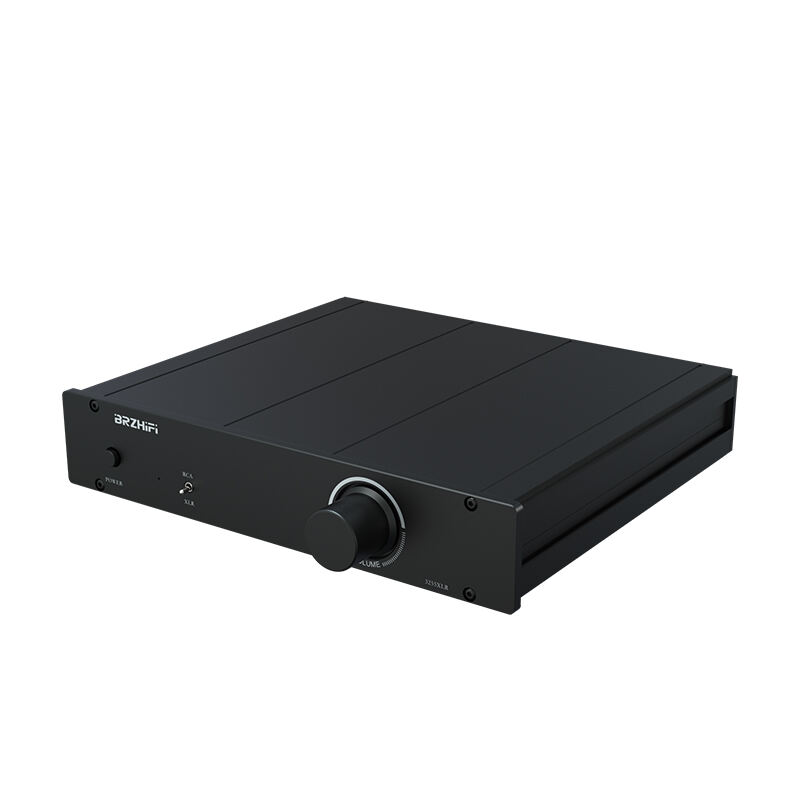
Изборот на најдобриот фоно предпојачувач со ограничена буџетска рамка бара внимателно разгледување на повеќе технички и практични фактори кои директно влијаат врз вашето искуство при слушање на винил. Иако премиум фоно предпојачувачите можат да струпат стотици или илјадници долари, денешниот пазар нуди извонредни опции со ограничена буџетска рамка кои обезбедуваат изненадувачки високо-квалитетна аудио перформанса. Разбирањето кои карактеристики навистина се важни при проценка на најдобриот фоно предпојачувач со ограничена буџетска рамка ќе ви помогне да донесете информирана одлука која ќе го максимизира вашиот инвестиционен потенцијал, додека истовремено ќе осигура оптимална репродукција на звукот од вашата турнетабла поставката.
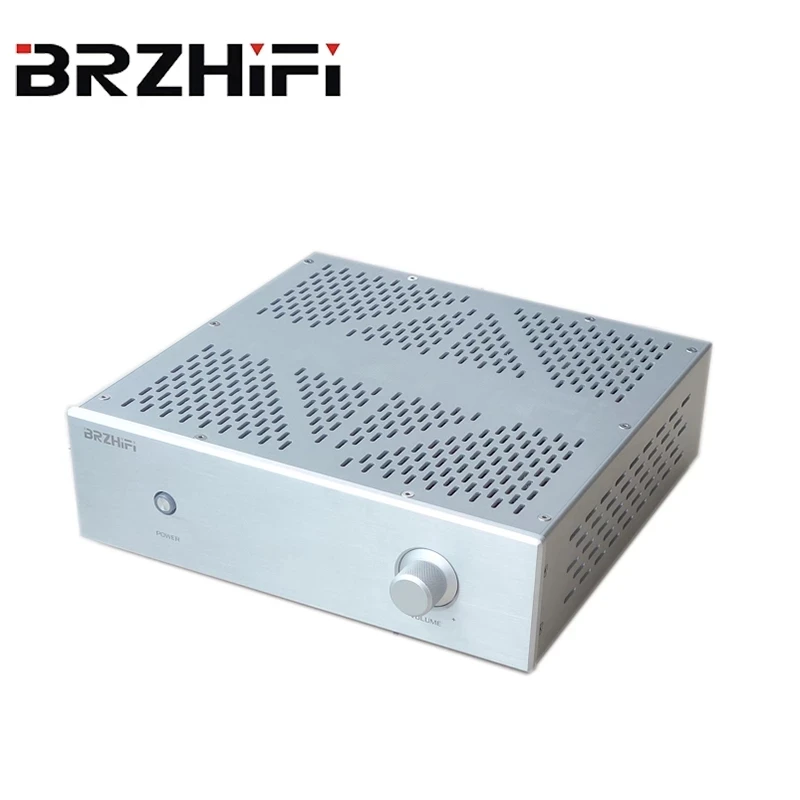
Основни технички спецификации за фоно предпојачувачи со ограничена буџетска рамка
Однос сигнал-шум
Односот сигнал-шум претставува една од најкритичните спецификации при проценка на кој било од најдобрите фоно предамплификатори со ниска цена. Оваа мерка укажува колку непожелен шум предамплификаторот внесува во однос на посакуваниот аудио сигнал. Повисока вредност на односот сигнал-шум значи почисто и поизвонливо воспроизведување на звукот со помалку позадиски шиптеж или сметки. Повеќето квалитетни фоно предамплификатори со ниска цена треба да постигнат однос сигнал-шум од најмалку 70 дБ, иако премиум моделите со ниска цена можат да достигнат 80 дБ или повеќе.
Аудиофилите кои се загрижени за буџетот треба да ги стават на прво место предамплификаторите со превосходни карактеристики на шумскиот праг, наместо уредите со пофлешер функции, но пониски перформанси во однос на односот сигнал-шум. Разликата помеѓу 65 дБ и 75 дБ однос сигнал-шум станува веднаш забележлива при слушање на тихи музички пасуси или акустични снимки. Производителите често истакнуваат оваа спецификација на видно место, бидејќи таа директно корелира со воспримената аудио квалитетност и задоволството на слушачот.
Точност на фреквенцискиот одговор
Точниот одговор на фреквенциите осигурува дека вашиот најдобар фоно предамплитудер со буџет ја воспроизведува целата слушлива фреквентна опсег без непожелена боја или нагласување. Идеалниот одговор на фреквенциите треба да остане рамен во опсегот од 20 Hz до 20 kHz со минимално отстапување. Предамплитудерите со буџет кои покажуваат значителни неравномерности во одговорот на фреквенциите можат да направат музиката да звучи заматено, премногу светло или да има недостаток на одредени фреквентни опсези.
Многу предамплитудери со буџет постигнуваат извонредно рамен одговор на фреквенциите, што се натпреварува со поскапите уреди. Потражете спецификации кои покажуваат одговор во опсег од ±1 dB во критичниот среден фреквентен опсег каде што се наоѓа повеќето музички содржина. Некои предамплитудери со буџет намерно вградуваат благи прилагодувања на одговорот на фреквенциите за компензација на честите ограничувања на плочките или картуши, што всушност може да го подобри вкупното работно време на системот.
Опции за поврзување на влез и излез
Повеќекратни конфигурации на влез
Современите најдобрите модели на фоно предпојачала со ниска цена сѐ повеќе нудат разновидни влезни опции за да се приспособат кон различните типови на картриџи и конфигурации на плочкени проигрувачи. Влезовите за движење на магнетот (MM) остануваат најчести и се погодни за мнозинството картриџи со ниска и средна цена. Сепак, многу современи предпојачала со ниска цена исто така вклучуваат влезови за движење на бобината (MC) или поставки за промена на засилувањето за да се справат со картриџи со ниско излезно напонско ниво (MC).
Вклучувањето на влезови како MM и MC значително го проширува опсегот на совместливост на вашето фоно предпојачало, што ви овозможува подоцна да го надградите картриџот без потреба од ново предпојачало. Некои модели со ниска цена имаат опции за отпорно оптоварување или прилагодување на капацитетот кои прецизно тунелираат електричните карактеристики на предпојачалот за да се совпаднат со специфичните барања на картриџот. Овие функции порано биле ексклузивни за висококвалитетните предпојачала, но сега стануваат стандардни во квалитетните модели со ниска цена.
Флексибилност на излезните врски
Излезната поврзаност го одредува колку лесно можете да ја интегрирате вашата најдобра фоно предамплификациска поставкa со ограничена буџетска можност во постојните аудио системи. Стандардните RCA линиски излези остануваат универзални, но многу предамплификациски поставки со ограничена буџетска можност сега вклучуваат дополнителни опции за излез, како што се балансирани XLR врски или USB излези за дигитално снимање. Овие проширени опции за поврзаност обезбедуваат поголема флексибилност при интеграција во системот без потреба од скапи адаптери или дополнителна опрема.
Некои фоно предамплификациски поставки со ограничена буџетска можност имаат повеќе едновремени излези, што овозможува поврзување и со главниот стерео систем и со опремата за снимање или со амплификатори за слушалки. Оваа можност за паралелен излез елиминира потребата од кабели-сплитери или прекинувачки кутии кои потенцијално можат да ја намалат квалитетот на сигналот. Размислете за вашите тековни и идни потреби од поврзаност при проценка на различните опции за фоно предамплификациски поставки со ограничена буџетска можност.
Квалитет на изработка и избор на компоненти
Дизајн на напојување
Дизајнот на напојниот извор значително влијае врз перформансите на секој од најдобрите фоно претпојачувачи со ниска цена, бидејќи чист, стабилен напојување директно корелира со низок шум и постојано квалитетно звучење. Линеарните напојни извори обично обезбедуваат подобри перформанси во споредба со преклопувачките извори, иако зголемуваат трошоците за производство. Многу претпојачувачи со ниска цена користат надворешни адаптери за да ги намалат трошоците, но внатрешните регулирани извори често обезбедуваат подобра изолација од надворешни сметања.
Квалитетни фоно претпојачувачи со ниска цена вклучуваат соодветно филтрирање и регулација на напојниот извор за минимизирање на шумот и осигурување стабилна работа при различни услови на оптоварување. Побарувајте претпојачувачи кои користат квалитетни кондензатори и стабилизатори на напон наместо основни нерегулирани извори. Некои производители истакнуваат дека дизајнот на напојниот извор е клучен фактор за разликување, признавајќи го неговото значење за општите аудио перформанси.
Квалитет на компонентите и трајност
Буџетските ограничувања не значат автоматски компромитирање на квалитетот на компонентите, бидејќи многу производители постигнуваат одлична перформанса преку интелигентен дизајн наместо преку скапи делови. Квалитетните буџетски фоно предпојачувачи користат внимателно избрани операциони појачувачи, прецизни отпорници и кондензатори со ниско ниво на шум кои обезбедуваат доверлива долготрајна перформанса. Клучот лежи во балансиран избор на компоненти што оптимизира перформансата рамки на буџетските ограничувања.
Испитувајте ја квалитетот на физичката изградба при проценката на потенцијалните покупки. Добро изградените буџетски предпојачувачи имаат чврста конструкција на каркосот, безбедно монтирање на компонентите и врски од квалитетен материјал кои се отпорни на носење и оксидација. Иако буџетските предпојачувачи може да користат поевтини материјали за каркосот во споредба со премиум моделите, тие сепак треба да покажуваат чврста изградба и внимание на деталите во критичните области.
Кориснички интерфејс и работни карактеристики
Достапност и функционалност на контролите
Дизајнот на корисничкиот интерфејс на вашиот најдобар фоно предпојачувач со буџет треба да има баланс помеѓу едноставност и неопходната функционалност. Основни контроли вклучуваат прекинувачи за избор на влез, прилагодувања на засилувањето и прекинувачи за напојување кои остануваат лесно достапни во текот на нормална работа. Некои предпојачувачи со буџет имаат контроли на предната панел за параметри кои често се прилагодуваат, додека други ги поставуваат сите прекинувачи на задната панел за да се одржи чист естетски изглед.
Размислете колку често ќе ви бидат потребни различните контроли при проценка на дизајните на интерфејсот. Ако често преминувате помеѓу различни плочканици или картриџи, изборот на влез на предната панел станува многу корисен. Обратно, ако вашата поставката останува статична, преминувањето преку задната панел може да биде сосема доволно и може да ги намали трошоците за производство, истовремено одржувајќи чист изглед на предната панел.
Визуелни индикатори на состојба
Јасни визуелни индикатори помогнуваат да се осигури правилно работење и поставувања при користење на вашиот најдобар фоно претпојачувач за мал буџет. LED индикатори кои покажуваат состојба на напојување, избор на влез и поставувања на добивка обезбедуваат моментален повратен информации за моменталната работна состојба. Некои претпојачувачи за мал буџет вградуваат повеќе статусни LED диоди кои прикажуваат различни бои за различни поставувања, што овозможува лесно потврдување на точната конфигурација од прв поглед.
Иако проширени дисплеи не се неопходни за основна операција на фоно претпојачувач, минималниот статусен показател е корисен за целите на отстранување на неисправности и верификација. Едноставни индикатори за напојување и приказ на избор на влез додаваат минимална цена, но значително ја подобруваат корисничката искуство и сигурноста во работењето.
Функции за оптимизација на перформансите
Структура на добивка и главница
Правилната структура на засилување осигурува дека вашиот најдобар буџетен фоно предзасилувач обезбедува доволно засилување на сигналот без воведување на искривување или пресекување (клипинг) во динамичните музички пасуси. Повеќето картриџи со движење на магнетот бараат приближно 40 dB засилување, додека картриџите со движење на намотката обично бараат 60 dB или повеќе. Буџетните предзасилувачи што нудат избирачка поставка на засилувањето овозможуваат поголема флексибилност за различни типови картриџи.
Доволното резервно ниво спречува пресекување (клипинг) на сигналот во лудите музички пасуси и го одржува чистото воспроизведување низ целиот динамички опсег. Квалитетните буџетни фоно предзасилувачи содржат доволни маргини на резервно ниво за да ги справат дори најдинамичните снимки без искривување. Оваа потреба од резервно ниво влијае како на дизајнот на структурата на засилувањето, така и на спецификациите на напојниот извор.
Способности за усогласување на импедансата
Правилното усогласување на импедансата помеѓу вашето звучно тело и предпојачувачот ја оптимизира преносната сила и карактеристиките на фреквенциски одзив. Многу пристапни фоно предпојачувачи сега вклучуваат опции за отоварување на импеданса кои порано се наоѓаа само во поскапи уреди. Овие опции овозможуваат прецизно прилагодување на електричниот интерфејс за постигнување на оптимални перформанси со специфични модели на звучни тела.
Некои най-добар фono предзамп во буџетот моделите имаат повеќе поставки за импеданса или дури и регулирачки отоварувања преку внатрешни скокови или надворешни контроли. Оваа флексибилност осигурува компатибилност со широк спектар на звучни тела и овозможува идни ажурирања на системот без потреба од замена на предпојачувачот.
Разгледување на вредноста и стапката на рентабилност
Анализа на односот перформанси-цена
Вреднувањето на односот помеѓу перформансите и цената бара споредба на вистинските предности во аудио перформансите со финансискиот вложување за вашата најдобра изборна буџетска фono претпојачувач. Анализата треба да ги земе предвид како измерените спецификации, така и субјективните подобрувања во квалитетот на слушање во споредба со вградените фono степени или почетните алтернативи. Многу буџетски претпојачувачи обезбедуваат перформанси кои значително ја надминуваат нивната скромна цена.
Разгледајте го целокупниот системски контекст при вреднувањето на понудите за вредност. Буџетски фono претпојачувач со умерена цена кој совршено одговара на комбинацијата од вашиот плочар и картуч може да обезбеди подобра општа вредност од поевтин модел кој бара компромиси или дополнителна опрема. Целта е оптимизација на целиот ланец за воспроизведување, а не минимизирање на трошоците на поединечни компоненти.
Перспектива на долгорочно вложување
Фонски предпојачувачи од среден клас би требало да обезбедат години со сигурна употреба, заедно со можност за разумни ажурирања и промени на системот. Размислете дали вашиот избран најдобар фонски предпојачувач од среден клас ќе остане соодветен доколку ги ажурирате другите компоненти како што се плочари, картриџи или појачувачи. Моделите со флексибилни опции за влез и доволно перформанско резерво обично нудат подобра долгорочна вредност.
Имајте предвид и можната ресална вредност при правењето на изборот. Познатите фонски предпојачувачи од среден клас од познати производители обично задржуваат разумна ресална вредност, со што ефективно се намалуваат трошоците за долгорочно поседување. Оваа смисла станува особено важна доколку го гледате вашиот предпојачувач како скок-камен кон поскапи компоненти во иднина.
Размислување за инсталација и интеграција
Захтеви за физичко поставување
Физичките димензии и захтевите за поставување на вашиот најдобар фоно предамплификациски уред со ниска цена влијаат како на перформансите, така и на удобноста. Компактните уреди нудат поголема флексибилност во поставувањето, но може да се жртвуваат некои перформанси или опции за поврзување. Поголемите предамплификациски уреди со ниска цена може да вклучуваат поопширни функции, но бараат посебно пространство на полица и соодветна вентилација.
При проценката на различните модели, размислете за захтевите за близина до вашата плочкана игла и главниот аудио систем. Поскратките меѓусврзни кабели обично осигуруваат подобра интегритет на сигналот, па затоа предамплификацискиот уред што може да се постави близу до вашата плочкана игла нуди потенцијални предности во перформансите. Некои предамплификациски уреди со ниска цена вклучуваат решенија за монтирање или дизајни прилагодени за работна површина, што олеснува оптимално поставување.
Совместливост со интеграција на системот
Успешната интеграција бара осигурување дека избраниот најдобар фоно предамплификациски уред со ниска цена одговара на влезните захтеви и карактеристиките на вашиот постојан аудио систем. Нивоата на излез треба да се совпаѓаат со влезовите на вашиот амплификациски уред или приемник, а карактеристиките на импедансата треба да обезбедат соодветно споредување за оптимален пренос на сигналот. Повеќето предамплификациски уреди со ниска цена користат стандардни излези со линиско ниво што лесно се интегрираат со конвенционалните аудио компоненти.
Размислете за секоја специјална захтевана интеграција, како што се совместливоста со далечинско управување, тригер превклучување или специфични типови на конектори кои може да се бараат од вашиот постојан систем. Иако овие функции не се неопходни за основна работа, тие значително можат да го подобрат удобството и корисничкото искуство во повеќе софистицирани аудио поставки.
Често поставувани прашања
Колку треба да потрошам за фоно предамплификациски уред со ниска цена?
Оптималниот буџет за квалитетен фоно предамплитудер обично се движи од 100 до 400 американски долари, во зависност од вашите специфични барања и контекстот на системот. Во овој распон може да се пронајдат одлични уреди кои значително надминуваат вградените фоно стадиуми, при што нудат функции како повеќе влезови, прилагодлива појачување и подобри технички спецификации. Потрошувачката над 400 американски долари почнува да излегува од вистинската буџетска категорија, додека уредите под 100 американски долари често барaat значителни компромиси во перформансите или функциите.
Дали ми е потребен посебен фоно предамплитудер ако мојот ресивер веќе има вграден?
Иако вградените фоно предпојачала нудат удобност, посебното најдобро фоно предпојачало со буџет почти секогаш обезбедува подобри перформанси, помал шум и подобри функции. Вградените предпојачала често жртвуваат спецификации поради ограничени простори, споделени напојни извори и оптимизација на трошоците во дизајнот на приемникот. Квалитетното надворешно фоно предпојачало обично нуди подобра изолација од дигитални сметки, подобар дизајн на напојниот извор и поголема флексибилност за различни типови на картриџи.
Дали фоно предпојачало со буџет може да работи со MM и MC картриџи
Многу современи фоно предпојачала со буџет вклучуваат превклучливи влезови или поставки за засилување кои се прилагодени за двата типа картриџи — за движење на магнет и за движење на намотка. Оваа универзалност овозможува користење на различни типови картриџи без потреба од купување на повеќе предпојачала или дополнителни трансформатори за зголемување. Потражете модели со јасно обележани превклучувачи за MM/MC и со соодветни поставки за засилување за секој тип картриџ за да се осигура оптимална перформанса во различни конфигурации.
Какви врски ми се потребни помеѓу плочарката и фоно предпојачувачот
Стандардните врски вклучуваат RCA аудио кабели од вашата плочарка до влезовите на фоно предпојачувачот, како и жица за заземје за минимизирање на бучењето и шумот. Повеќето од најдобрите модели на пристапни фоно предпојачувачи вклучуваат посебни терминали за заземје за правилно заземјување на системот. Квалитетни RCA кабли со добра заштита ја зачувуваат интегритетот на сигналот, иако скапите аудиофилски кабли не се неопходни за пристапни конфигурации. Осигурете се дека избраниот предпојачувач има соодветни влезни конектори и терминали за заземје за специфичната конфигурација на вашата плочарка.
Содржина
- Основни технички спецификации за фоно предпојачувачи со ограничена буџетска рамка
- Опции за поврзување на влез и излез
- Квалитет на изработка и избор на компоненти
- Кориснички интерфејс и работни карактеристики
- Функции за оптимизација на перформансите
- Разгледување на вредноста и стапката на рентабилност
- Размислување за инсталација и интеграција
- Често поставувани прашања