
 EN
EN
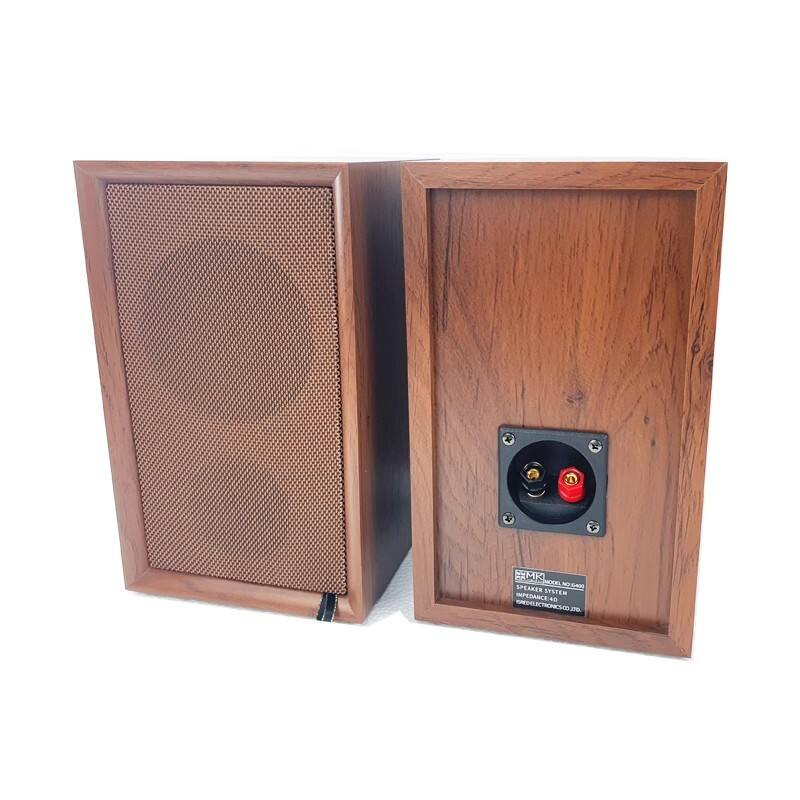
Слушачите на аудио кои барaat неповрзана со звучната квалитетност секогаш се обраќаат кон класа А појачала поради нивната легендарна звучна чистота и музичка природност. Најдоброто интегрирано појачало од класа А претставува врвот на аудио инженерството, комбинирајќи софистицирана коловска топологија со внимателен избор на компоненти за да обезбеди неповторливо слушно искуство. Овие појачала целосно елиминираат прекинувачко искривување со одржување на континуиран тек на струја низ излезните уреди, што резултира со извонредно гладка и линеарна репродукција на звукот која го фиксира секој нюанс на оригиналната снимка.
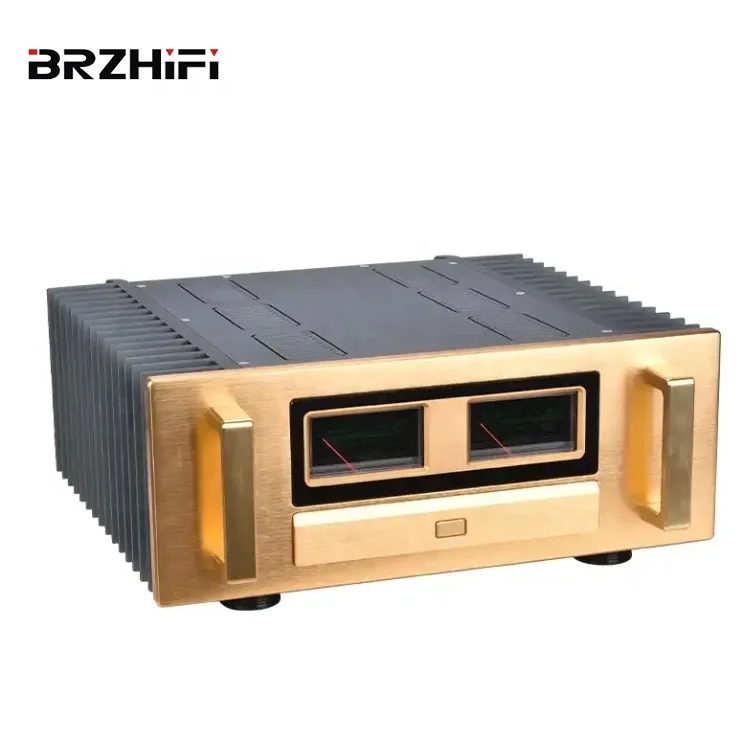
Разбирањето на фундаменталните принципи зад работата во класа А открива зошто високоисклучените аудиофили ги сметаат овие појачала за златен стандард за критични примени при слушање. За разлика од другите класи појачување, каде што излезните уреди се вклучуваат и исклучуваат, класа А одржува постојан струен напон, осигурувајќи дека транзисторите или цевките работат во нивниот најлинеарен регион низ целиот сигнален циклус. Оваа континуирана работа елиминира артефакти предизвикани од преминување и прекршно искажување (crossover distortion), произведувајќи извонредно чисто и прозрачно воспроизведување на звукот кое ги открива благите детали кои често се маскирани од конвенционалните појачала.
Философија и имплементација на коловската конструкција
Еднострана (single-ended) спротиву на потисна (push-pull) архитектура
Најдобрите класи интегрирани појачувачи обично користат или еднонасочни или потисно-влечни коловски топологии, при што секоја нуди посебни звучни карактеристики и предности во перформансите. Еднонасочните конфигурации користат по едно излезно устройство по канал, што овозможува исклучителна линеарност и хармониска богатина, поради што многу аудиофили ги сметаат за музички ангажирани. Овие дизајни се особено добри во репродукцијата на текстурите во средниот опсег и интимноста на гласовите, па затоа се особено погодни за акустична музика и џез снимки каде што природната репродукција на тембровите е од првостепено значење.
Имплементациите на класа А со тегни-бутни работат со комплементарни парови излезни уреди кои работат во совршена рамнотежа, обезбедувајќи поголема излезна моќ додека се одржува звучната чистота поврзана со работата во класа А. Оваа топологија овозможува на производителите да создаваат појачувачи способни да ги задвижуваат захтевните товари на звучниците без жртвување на деликатните музички детали што ја дефинираат премиум аудио репродукцијата. Зголемената комплексност бара внимателно спарување на излезните уреди и прецизна прилагодба на преднапрега за одржување на оптималната перформанса во сите работни услови.
Избор на компоненти и стандарди за квалитет
Изборот на премиум компоненти го разликува исклучителните усилувачи од класа А од посредствените имплементации, при што производителите значително инвестираат во специјализирани делови кои подобруваат звучната перформанса и долготрајната сигурност. Кондензатори високоградуски, прецизни отпорници и внимателно избрани полупроводници формираат основа за надворедна перформанса на колата, додека трансформаторите и индукторите со посебна намотка оптимизираат интегритетот на сигналот низ целиот ланец на појачување. Овие компоненти мора да издържат термичкиот стрес кој е присутен кај работата во класа А, истовремено задржувајќи ги своите електрични карактеристики во должен временски период.
Најдобрата класа интегрирани усилувачи често се произведуваат со компоненти кои ги набавуваат од специјализирани доставувачи кои ги разбираат уникатните барања на аудио-примени високоградежен квалитет. Отпорниците со воена спецификација обезбедуваат исклучителна стабилност и ниски шумски карактеристики, додека филмските кондензатори нудат подобри диелектрични својства во споредба со електролитните алтернативи. Посебно дизајнираните полупроводнички уреди, кои понекогаш се произведуваат исклучиво за аудио-примени, овозможуваат оптимизирана транскондуктанца и намалена деформација во споредба со стандардните индустриски компоненти.
Топлинско управување и инженерство на поузданост
Стратегии за распрснување на топлината
Ефикасното топлинско управување претставува една од најкритичните инженерски предизвици во дизајнирањето на класа А појачала, бидејќи овие кола генерираат значителна топлина дури и во состојба на мировање. Постојаната струја што тече низ излезните уреди создава значително расејување на моќност, кое мора да се управува со софистицирани стратегии за ладење за да се одржи оптимална перформанса и долговечност на компонентите. Големите топлински отводи, ладењето со принуден ваздух или дори течни системи за ладење стануваат неопходни елементи во високо-моќните имплементации на класа А.
Напредниот термички дизајн вклучува внимателно поставување на компонентите што генерираат топлина, стратегиско управување со воздушниот проток и избор на материјали со оптимални термички проводни својства. Најдобрите интегрирани аудио-појачувачи имаат повеќе точки за мониторинг на температурата и термички заштитни кола кои спречуваат оштетување на компонентите, додека се одржува последовителна звучна перформанса под различни околни услови. Некои производители користат иновативни дизајни на топлински отводи со оптимизирано растојание помеѓу финоците и површински третман за максимизирање на ефикасноста на пренос на топлина.
Долготрајна стабилност и заштитни системи
Современата заштитна кола ги штити како појачувачот, така и поврзаните звучници од потенцијално штетни работни услови, при што се запазува интегритетот на сигналот во нормални работни услови. Детекцијата на DC отстапување, заштитата од прекумерна струја и системите за термално исклучување работат невидливо и интервенираат само кога е неопходно за спречување на оштетување на компонентите или небезбедни работни услови. Овие заштитни системи мора да бидат внимателно дизајнирани за да се избегне лажно активирање кое би можело да го прекине уживањето во музиката во динамичните делови.
Колата за стабилност на отстапувањето автоматски компензираат температурни промени и стареење на компонентите, одржувајќи оптимални работни точки низ целиот век на траење на појачалото. Имплементацијата на овие системи бара софистицирани механизми за обратна врска кои ги следат клучните параметри на колата и прават адаптации во реално време за да се запазат стандардите за перформанси. Оваа внимателност кон долготрајната стабилност осигурува дека звучните карактеристики остануваат конзистентни во текот на години на работа, што го оправдува инвестицијата во премиум појачала од класа А.
Дизајн и имплементација на напојување
Линеарна регулација и филтрирање
Секцијата за напојување претставува темелот на секој исклучителен класа А појачувач, обезбедувајќи чисти, стабилни еднонасочни напони кои директно влијаат врз звучната перформанса и динамичките можностии. Топологијата со линеарна регулација нуди подобро отстранување на шумот и подобар одговор на премини во споредба со алтернативите со превклучување, поради што е предизбран избор за аудио апликации високог квалитет. Повеќекратните регулациони фази, секоја оптимизирана за специфични делови на колото, осигуруваат дека чувствителните влезни фази добиваат ултра-чисто напојување, додека излезните фази имаат пристап до високоструен потенцијал.
Интензивната филтрација со користење на кондензатори и индуктори високог квалитет отстранува променливоста на наизменичен струјен напон (AC ripple) и шумот на високи фреквенции кој инаку би модулирал аудио сигналот и би го намалил звучната чистота. най-добар клас А интегриран памп дизајните користат трансформатори и филтерски кондензатори со поголеми димензии кои обезбедуваат исклучително складирање на енергија и динамички резервен капацитет, овозможувајќи на појачувачот да ги репродуцира неочекуваните музички премини без компресија или дисторзија.
Дизајн на трансформатори и магнетни сообраќајни размислувања
Трансформаторите со посебен дизајн, оптимизирани специфично за примена во класа А, претставуваат основа за извонредна звучна перформанса преку внимателно одбирање на материјалите за јадрото, техниките на намотување и управувањето со магнетниот флукс. Трансформаторски челик високог квалитета со минимални губитоци поради хистерезис осигурува ефикасен пренос на енергија, додека ги намалува магнетните деформации што би можеле да влијаат врз квалитетот на аудиото. Специјализираните конфигурации на намотување минимизираат индуктивноста на протекување и меѓуслојната капацитетност, со што се запазува целоста на сигналот низ целиот фреквенциски опсег.
Магнетната екранираност спречува магнетните полиња на трансформаторите да влијаат врз чувствителните влезни кола, додека соодветното механичко поставување елиминира шумот предизвикан од вибрации, кој би можел да го наруши соничната чистота. Физичкото позиционирање на трансформаторите во однос на другите компоненти бара внимателно разгледување на ефектите од магнетното спрегање и потенцијалните земјени јазли кои би можеле да внесат непожелен шум или деформација. Премиум имплементациите често користат повеќе помали трансформатори наместо еден голем, за да се оптимизира регулацијата и да се намали магнетната интерференција.
Дизајн на влезната фаза и обработка на сигналот
Диференцијална амплификација и отстранување на заедничкиот мод
Високопроизводителните влезни стадиуми го формираат звучниот темел на целиот верига за појачување, што бара исклучителна линеарност, ниски нивоа на шум и превосходни способности за отстранување на заедничкиот мод. Диференцијалните конфигурации на појачувачи со внимателно усогласени транзистори или вакуумски цевки обезбедуваат одлично отстранување на шумот од напојувањето и електромагнетните сметки, додека се одржува прецизна рамнотежа на сигналот помеѓу каналите. Изборот на влезни компоненти значително влијае врз вкупниот звучен карактер, при што различните типови на полупроводници нудат посебни хармониски профили и динамички карактеристики.
Напредните дизајни на влезниот стадиум вклучуваат извори на постојана струја и конфигурации со активно оптоварување кои го оптимизираат линеарноста, додека минимизираат механизми на дисторзија што би можеле да ја намалат квалитетот на сигналот. Колата за компензација на температурата ја одржуваат постојаната преднаспрега во различни амбиентални температури, осигурувајќи стабилни карактеристики на перформансите независно од работната средина. Најдобрите имплементации на интегрирани појачувачи од класа А често користат дискретни компонентни дизајни наместо интегрирани кола за постигнување на премиум перформанси и овозможување прецизна оптимизација на секој елемент од колото.
Контрола на гласноста и насочување на сигналот
Премиум системите за контрола на гласноста го запазуваат интегритетот на сигналот додека обезбедуваат прецизна регулација на нивото низ целиот опсег на намалување, користејќи висококвалитетни потенциометри или софистицирани електронски атенуатори кои го одржуваат балансот помеѓу каналите и минимизираат воведувањето на шум. Степенуваните атенуатори кои користат прецизни мрежи од отпорници овозможуваат подобро следење на каналите и пониска дисторзија во споредба со конвенционалните потенциометри, иако бараат по-комплексни механизми за превклучување и внимателен избор на компоненти.
Колата за насочување на сигнали мора да го одржуваат безупречното квалитетно ниво на сигналот што е воспоставено од влезните стадиуми, додека обезбедуваат потребна функционалност за превклучување за повеќе извори и опции за излез. Најдобрите интегрирани звучни појачувачи од класа А минимизираат сложеноста на патеката на сигналот и избегнуваат непотребни активни елементи кои би можеле да предизвикаат деформација или шум. Системите за превклучување базирани на релеи нудат подобро изолирање и подолг век на траење во споредба со механичките прекинувачи, иако бараат внимателно проектирање на колата за управување за да се спречат преминските појави при превклучувањето да стигнат до аудио патеката.
Оптимизација на излезната фаза и кола за управување
Постапки за избор и совпаѓање на уредите
Изборот на излезно устройство претставува една од најкритичните дизајнерски одлуки при развојот на усилувачи од класа А, бидејќи овие компоненти директно се поврзуваат со звучниците и мора да го поднесат значителниот топлински товар, при тоа задржувајќи линеарна работа. Моќните транзистори или вакуумските цевки мора да покажуваат одлична термална стабилност, висока струјна способност и минимални карактеристики на дисторзија низ целиот работен опсег. Постапките за совпаѓање на уредите осигуруваат постојан перформанс помеѓу каналите и во пуш-пул паровите, што бара софистицирана испитна опрема и статистичка анализа за постигнување оптимални резултати.
Современите полупроводнички уреди нудат подобри перформанси во споредба со поранешните генерации, со подобрени топлински карактеристики и намалени механизми на дисторзија што се корисни за апликации од класа А. Сепак, најдобрите производители на интегрирани појачувачи од класа А често користат специјализирани уреди за аудио-примена кои обезбедуваат оптимизирани криви на транскондуктанца и намалена генерација на шум во споредба со стандардните моќностни полупроводници. Прецизното топлинско спојување помеѓу уравнотежени уреди осигурува следење низ температурните варијации, додека софистицираните кола за предварително поларизирање ја одржуваат оптималната работна точка.
Спојување на стадијот на управување и оптимизација на ширината на пропусниот опсег
Драјверските стадиуми обезбедуваат интерфејс помеѓу влезните сигнали на ниско ниво и излезните уреди со висока моќност, при што е потребна исклучителна широчина на опсегот, линеарност и способност за испорака на струја за да се одржи интегритетот на сигналот во текот на постапката на појачување. Овие меѓустепени стадиуми мора да обезбедат доволен напон и струјен засилок за целосно искористување на можностите на излезните уреди, при што се запазува деликатната хармониска структура која го дефинира музичкото воспроизведување. Прецизното прилагодување на импедансата помеѓу драјверските и излезните стадиуми оптимизира преносот на моќност и минимизира артефакти од рефлексии кои би можеле да ја намалат перформансите.
Оптимизацијата на ширината на опсегот гарантира дека појачувачот ги одржува постојаните карактеристики на перформансите низ целиот аудио спектар, додека обезбедува доволни маргини на стабилност за да се спречи осцилација или други непожелни појави. Компензационите мрежи кои користат внимателно избрани кондензатори и отпорници го воспоставуваат соодветниот фреквенциски одговор, при што ги одржуваат фазните врски кои го запазуваат музичкото време и просторната информација. Имплементацијата на овие кола бара напредни аналитички алатки и проширена проценка со слушање за постигнување оптимални звучни резултати.
Методи за мерење и верификација на перформансите
Анализа на дисторзија и хармониски содржин
Комплексните постапки за мерење потврдуваат дека усилувачите од класа А ги исполнуваат нивните проектни спецификации, додека истовремено обезбедуваат вглед во звучните карактеристики што влијаат на квалитетот на музичката репродукција. Мерките на вкупната хармониска дисторзија на повеќе нивоа на моќност и фреквенции го откриваат линеарниот карактер на усилувачот, додека спектралната анализа ги идентификува специфичните хармониски компоненти што придонесуваат за вкупниот звучен потпис. Најдобрите интегрирани усилувачи од класа А обично покажуваат извонредно ниски нивоа на дисторзија со благи хармониски структури што ја подобруваат, а не ја намалуваат, музичката уживање.
Тестирањето на интермодулационата дисторзија со користење на комплексни тест-сигнали го открива начинот на кој појачалото ги обработува повеќе едновремени фреквенции, што дава влез во неговата способност да репродуцира сложени музички пасуси без создавање на непожелени артефакти. Мерките на динамичниот опсег квантифицираат способноста на појачалото да ги справува изведните промени на ниво додека се одржува чистата репродукција на детали со ниско ниво. Овие мерки мора да се спроведат под контролирани услови со користење на прецизно тест-опрема калибрирана според проследливи стандарди.
Фреквентен одговор и фазни карактеристики
Мерките на фреквенциската одговорност низ аудио спектарот и над него го откриваат опсегот на пропусноста на појачалото и идентификуваат било какви резонанции или неправилности што можат да влијаат врз звучната перформанса. Анализата на фазниот одговор осигурува дека појачалото ги одржува соодветните временски односи помеѓу различните фреквенциски компоненти, со што се запазуваат просторните и временските карактеристики на оригиналната снимка. Мерките на проширениот опсег на пропусност помагаат да се идентификуваат потенцијалните проблеми со стабилноста и потврдуваат дека појачалото се однесува предвидливо под сите работни услови.
Тестовите со стапен одговор и квадратен бран обезбедуваат дополнителен влог во преминското однесување на појачалото и неговата способност да ги воспроизведува изведбите на музиката без прекумерно отклонување или осцилирање. Овие мерки во временската домена дополнуваат анализа во фреквенциска домена за да се добие целосна слика за карактеристиките на перформансите на појачалото. Корелацијата помеѓу измерените параметри и субјективните впечатоци од слушање помага при воспоставувањето на критериумите за дизајн на идни производи, како и при потврдувањето на теоретските предвидувања за звучните перформанси.
Примена и интеграција во системи
Совместливост со звучниците и соодветни размислувања за импедансата
Аmplifikаторите од класа А се истакнуваат со високо-ефикасни звучници кои можат целосно да ги искористат нивните преврсни звучни карактеристики без потреба од прекумерни способности за излезна моќност. Вродената ниска дисторзија на работата во класа А станува особено забележлива кога се погонуваат чувствителни звучници, откривајќи тонки музички детали кои би можеле да бидат замаскирани од повисоките нивоа на дисторзија кај конвенционалните амплификатори. Стабилноста на импедансата низ фреквенцискиот опсег осигурува постојана достава на моќност независно од реактивните карактеристики на звучниците.
Најдобрите класи интегрирани појачувачи вклучуваат софистицирани излезни мрежи кои го оптимизираат факторот на приспособување и фреквенцискиот одговор кога се поврзани со различни товари на звучниците. Мрежите на Зобел и други компензациони кола спречуваат осцилација на високи фреквенции, додека го одржуваат стабилното работно состојба при капацитивни или индуктивни товари. Защитните кола го следат излезниот струен и напонски тек за да се спречи штета предизвикана од кратки споеви или други погрешни состојби, при што овозможуваат нормална работа со сите стандардни импеданси на звучниците.
Интерфејс на изворни компоненти и синергија на системот
Висококвалитетните влезни кола осигуруваат совместливост со различни изворни компоненти, при што се запазуваат деликатните карактеристики на сигналот кои го дефинираат премиум-воспроизведувањето на аудио. Повеќекратните влезни опции овозможуваат прилагодување на различни типови извори и нивоа на сигнал, при што секој влез е оптимизиран за својата предвидена примена. Карактеристиките на влезната импеданса и поставките за осетливост овозможуваат соодветно прилагодување со различни изворни компоненти за постигнување оптимални односи сигнал-шум и ефикасно користење на динамичниот опсег.
Системските сообраќајни размислувања вклучуваат соодветен избор на кабли за поврзување, стратегии за заземјување и кондиционирање на наизменичната струја за минимизирање на надворешниот сметање и максимизирање на вградените перформансни способности на појачалото. Најдобрите инсталирани појачала од класа А имаат корист од посебни кола за наизменична струја и опрема за висококвалитетно кондиционирање на струјата што осигурува чисто и стабилно доведување на енергија. Соодветната изолација на опремата и контролата на вибрациите дополнително ја подобруваат перформансите со минимизирање на механиските влијанија врз чувствителните електронски компоненти.
ЧПЗ
Што прави појачалата од класа А подобри од другите типови појачување
Класа А појачала целосно елиминираат прекинувањето на преодот со одржување на континуираната струја низ излезните уреди, што резултира со исклучително линеарна работа и превосходна сонорна чистота во споредба со другите класи на појачување. Постояната струја на предварително поларизирање осигурува дека излезните уреди секогаш работат во нивниот најлинеарен регион, произведувајќи извонредно чисто и природно воспроизведување на звукот. Иако се помалку ефикасни од другите дизајни, најдобрите имплементации на интегрирани појачала од класа А го ставаат во фокус сонорното исклучително квалитетно изведување наместо енергетската ефикасност, доставувајќи неповрзано музичко изведување за побарувачки слушачи.
Колку излезна моќ е типична за интегрираните појачала од класа А
Интегрираните појачала од класа А обично произведуваат помеѓу 8 и 50 вати по канал, при што точниот излез зависи од топологијата на колото и можностите за термално управување. Постојаната струјна протека потребна за работа во класа А генерира значителна топлина, што ограничува практичните нивоа на моќност во споредба со другите типови појачала. Сепак, извонредното звучно квалитет на најдобрите дизајни на интегрирани појачала од класа А често прави умерената моќност доволна кога се комбинираат со соодветни звучници, бидејќи превисоката линеарност и отсуството на дисторзија го максимизираат перципираниот динамички опсег и музичкиот импакт.
Дали појачалата од класа А бараат посебна одржувачка или грижа
Амплификаторите од класа А имаат корист од редовно одржување, вклучувајќи периодична прилагодувања на преднапрегнатоста, термално следење и инспекција на компонентите за осигурување на оптимална перформанса и долговечност. Постојаната работа и генерирањето на топлина бараат внимание кон чистотата на системот за ладење и соодветна вентилација за спречување на деградацијата на компонентите. Професионалното сервисирање секои неколку години помага да се одржат прецизните работни параметри што го дефинираат најдобриот перформанс на интегриран амплификатор од класа А, додека внимателното ракување и соодветните работни услови го прошируваат векот на траење на компонентите и ги запазуваат звучните карактеристики.
Што треба да разгледам кога избирам интегриран амплификатор од класа А
Клучни содржини за размислување вклучуваат совместливост на излезната моќ со вашите звучници, достапен простор за соодветна вентилација, електрична ефикасност и нејзините импликации за трошоците на долгорочна експлоатација, како и сонични предпочитанија во однос на хармониски карактеристики и музичка презентација. Најдобрата класа интегриран усилувач се избира според синергијата на системот, акустиката на просторијата и музичките предпочитанија, а не само според техничките спецификации. Професионална консултација и проширено слушање помагаат да се осигура оптимален избор за вашата специфична примена и слушачки барања, додека се максимизира инвестицијата во премиум технологијата за усилување.
Содржина
- Философија и имплементација на коловската конструкција
- Топлинско управување и инженерство на поузданост
- Дизајн и имплементација на напојување
- Дизајн на влезната фаза и обработка на сигналот
- Оптимизација на излезната фаза и кола за управување
- Методи за мерење и верификација на перформансите
- Примена и интеграција во системи
- ЧПЗ