
 EN
EN
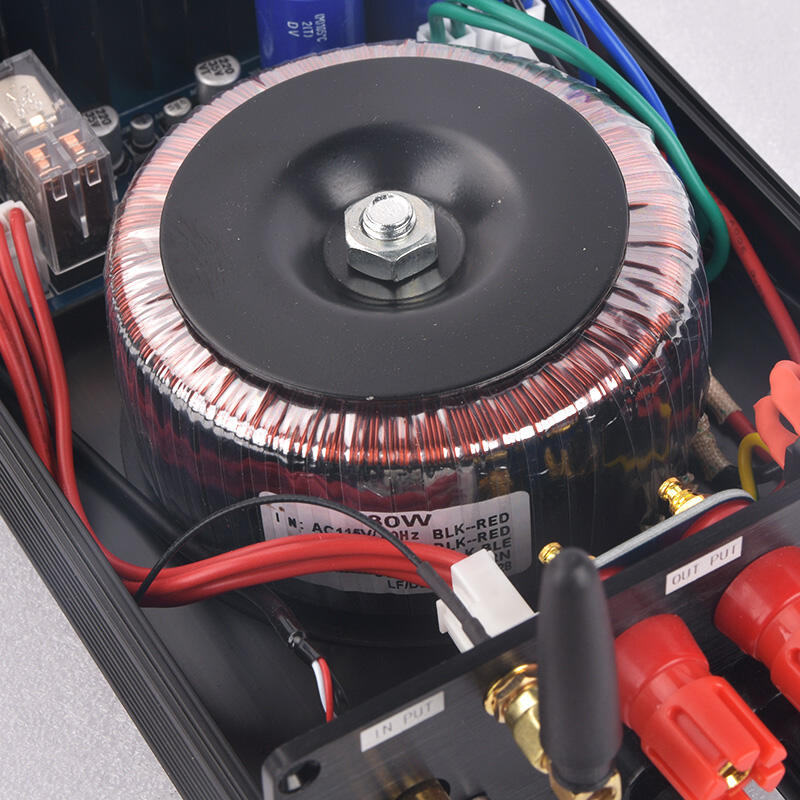
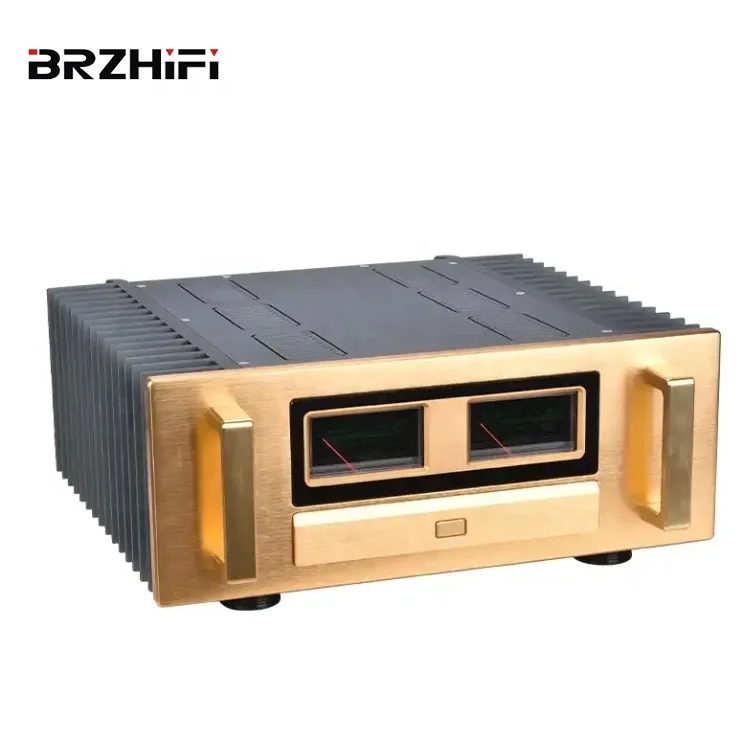
Кога барате најдобар интегриран амплификациски клас А, разбирањето на термалното управување станува критично за постигнување на врвна перформанса и долговечност. Амплификациските класи А се познати по нивното извонредно квалитетно звучење, но при работа генерираат значителна топлина, што прави термалната проценка критичен фактор при вашето купување. Овие амплификациски уреди работат со транзистори кои постојано проводат струја, што резултира со премиум аудио верност, но и со зголемена потрошувачка на енергија и генерирање на топлина. Соодветниот термален дизајн осигурува дека вашето инвестирање ќе обезбеди постојана перформанса, додека компонентите ќе останат доверливи во текот на години работно време.
Разбирање на генерирањето на топлина кај амплификациските класи А
Физиката зад производството на топлина кај класа А
Амплификаторите од класа А генерираат топлина како вградена карактеристика на нивниот дизајн. За разлика од амплификаторите од класа АВ или класа D, најдобрите интегрирани амплификатори од класа А одржуваат постојан тек на струја низ излезните уреди независно од присуството на сигнал. Оваа постојана работа создава постојана термална товарност која мора ефикасно да се управува. Генерирањето на топлина се должи на тоа што излезните транзистори никогаш не се исклучуваат целосно, па дисипираат моќност дури и во тихите делови на музиката или во тишината. Разбирањето на овој основен принцип помага на аудиофилите да го ценат зошто управувањето со топлината е од најголемо значење кај дизајнот на амплификаторите од класа А.
Врската помеѓу излезната моќ и генерирањето на топлина кај усилувачите со класа А следи предвидливи шеми. Обично, усилувачот со класа А претвора само 25–50 % од потрошуваната моќ во корисен аудио-излез, додека остатокот се претвора во топлина. Оваа карактеристика на ефикасност значи дека усилувач со класа А од 50 вати може да потроши 200–300 вати постојано, што бара солидни решенија за ладење. Топлинскиот отпад останува релативно постојан независно од нивото на слушање, поради што управувањето со топлината е постојан проблем, а не проблем само при врвни товари.
Влијание на топлината врз аудио-перформансите
Прекумерната топлина директно влијае врз звучните карактеристики поради кои интегрираните појачала од најдобрата класа се желени. Промените во температурата предизвикуваат отстапување на компонентите, што ги менува точките на поларизација и влијае врз шемите на хармониска дисторзија. Кога појачалата работат надвор од оптималниот термален опсег, може да забележите промени во длабочината на звучниот простор, компресија на динамичниот опсег и варијации во фреквентниот одговор. Овие термални ефекти можат да го замаскираат безупречната јаснотија и природниот тон што аудиофилите ги барaat од појачалата со класа А топологија.
Старењето на компонентите значително се забрзува под топлинско напрегање, што потенцијално може да го намали животниот век на скапите излезни уреди и помошните компоненти. Кондензаторите, посебно, имаат деградирана перформанса кога се изложени на продолжени повисоки температури. Најдобрите производители вградуваат кола за топлинска заштита и отпорни системи за ладење за да се одржи постојана работна температура, што ја заштитува како моменталната перформанса, така и долготрајната поузданост. Оценката на овие функции за управување со топлина станува неопходна при изборот на вашиот појачувач.
Неопходни функции за управување со топлина
Дизајн и големина на топлинскиот отводник
Ефикасниот дизајн на топлинскиот отводник претставува основата на термалното управување кај секој интегриран појачувач од највисока класа. Големите алуминиумски или бакарни топлински отводници со rebra обезбедуваат површината неопходна за ладење со природна конвекција. Димензионирањето на топлинските отводници треба да е во корелација со излезната моќност на појачувачот и очекуваната термална оптовареност. Престижните производители често користат прекумерно големи топлински отводници за да се осигура работа далеку под максималните термални граници, што овозможува резервен капацитет за продолжени сесии на слушање и различни амбиентални услови.
Поставувањето и ориентацијата на топлинскиот отвод значително влијаат врз ефикасноста на ладењето. Вертикално поставените ребра го поттикнуваат природниот конвекциски тек, додека хоризонталната монтирање може да бара принудна циркулација на воздух. Најдобрите дизајни вклучуваат повеќе зони за топлински отвод, распределувајќи ги термичките товари низ различни делови на шасијата. Некои висококвалитетни појачувачи имаат топлински отводи кои се протегаат над границите на шасијата, максимизирајќи ја површината за распршување на топлината. При проценка на појачувачите, проверете го големината на топлинскиот отвод во однос на ознаките за излезна моќ и размислете за општата филозофија на термичкиот дизајн.
Вентилација и дизајн на воздушен тек
Правилната вентилација осигурува доволен проток на воздух околу критичните компоненти во вашите най-добар клас А интегриран памп стратегиски поставени вентилационни процепи, решетки или отвори олеснуваат природна конвекција, додека спречуваат натрупување на prašина. Вентилациониот дизајн треба да се усогласи со поставувањето на топлинските отстранувачи, создавајќи топлински патеки кои одведуваат топлиот воздух од чувствителните компоненти. Некои производители вградуваат ефект на „димник“, користејќи вертикални воздушни канали за подобрување на нагорниот топлински тек без потреба од механички вентилатори.
Дизајнот на шасијата значително влијае врз ефикасноста на термалното управување. Перфорираните горни плочи, бочните вентилациони отвори и просторот под дното сите придонесуваат за термалната перформанса. Најдобрите дизајни на појачувачи го балансираат естетскиот аспект со функционалните барања за вентилација. При проценката на адекватноста на вентилацијата, разгледајте ја инсталационата средина, особено во затворени кабинети или тесни простори каде што струењето на воздух може да биде ограничено. Доволен простор околу вентилационите области осигурува оптимална термална перформанса низ целиот временски период на работа на појачувачот.
Проценка на системите за термална заштита
Мониторинг и контрола на температурата
Напредните системи за термална заштита ги разликуваат премиум примероците на најдобрата класа интегрирани појачувачи од основните дизајни. Сензорите за температура ги следат температурите на критичните компоненти и активираат заштитни мерки пред да настани штета. Овие системи можат да го намалат излезниот снага, да активираат индикатори за предупредување или да започнат целосни низи за исклучување кога ќе бидат надминати предодредените термални прагови. Софистицираните имплементации обезбедуваат повеќе точки за мониторинг на температурата низ целиот коловод на појачувачот.
Топлинската заштита треба да работи транспарентно во текот на нормалната работа, додека истовремено обезбедува сигурна заштита во услови на напрегнатост. Најдобрите системи нудат кориснички прилагодливи термални прагови и јасна индикација на термалниот статус преку LED индикатори или дисплеј панели. Некои појачала вградуваат меко термално ограничување, кое постепено го намалува излезниот сигнал со зголемување на температурата, наместо изведување на изведувачко исклучување. Овој пристап го одржува задоволството од слушање, додека заштитува скапоценните компоненти од топлинска штета.
Стабилност на предизвикот и термална компензација
Стабилноста на сместувањето под менувачки топлински услови влијае како на перформансите, така и на поузданоста кај најдобрите интегрирани звучни појачувачи. Сместувањето што зависи од температурата може да ги промени карактеристиките на хармониска дисторзија и балансот на излезната фаза. Премиум појачувачите вградуваат кола за термална компензација кои ја одржуваат оптималната точка на сместување низ работниот температурен опсег. Овие кола користат компоненти чувствителни на температурата за автоматско прилагодување на струјата на сместување, со што се запазуваат звучните карактеристики и се спречуваат условите на термален неуспех.
Топлинското следење помеѓу излезните уреди осигурува балансирана работа под сите топлински услови. Усогласените топлински карактеристики спречуваат еден канал или уред да работи значително потопло од другите, што може да доведе до неурамнотежени перформанси или прематурно оштетување. Најдобрите производители избираат излезни уреди со строги топлински спецификации и имплементираат коловски топологии кои го поттикнуваат еднаквото топлинско распределување. Проценката на спецификациите за стабилност на предизвикот и функциите за топлинска компензација помага при идентификувањето на појачувачи со премиум топлинско управување.
Инсталација и околински размислувања
Поставување и барања за вентилација
Правилната инсталација значително влијае врз термалната перформанса на вашиот инвестиционен интегриран појачувач од највисок клас. Доволна празнина околу сите страни, особено над и зад уредот, осигурува ефикасно работање на природната конвекција за ладење. Минималните спецификации за празнина варираат според производителот, но обично барaat 10–15 см празнина околу сите страни и 20–30 см над појачувачот. Затворените шкафови може да бидат потребни дополнителна вентилација или принудна циркулација на воздух за одржување на приемливи работни температури.
Температурата на собата значително повливае врз топлинската перформанса на појачалото, повеќе од што многу корисници си претставуваат. Високите температури во околината намалуваат топлинскиот градиент неопходен за ефикасно расеање на топлината, што потенцијално може да предизвика активирање на топлинската заштита дури и при умерени нивоа на слушање. Размислете за инсталирање на клима-уред или посебна вентилација во просториите за слушање каде што појачалата работат подолго време. Некои инсталации имаат предност од опрема со стоец со интегрирани вентилатори за ладење или системи за топлинско управување специјално дизајнирани за аудио компоненти кои генерираат голема топлина.
Долготрајно топлинско управување
Одржувањето на оптималната термална перформанса бара постојано внимание кон еколошките фактори и состојбата на компонентите. Насобирањето на prašina врз топлинските расејувачи и областите за вентилација со време го намалува ефикасноста на ладењето, што бара периодично чистење и одржување. Најдобрите инсталации на интегрирани појачувачи вклучуваат распореди за редовни проверки за да се осигура дека системите за термално управување остануваат ефикасни. Професионалното чистење и замената на термалната паста може да бидат неопходни за појачувачите кои работат во прашни или захтевни околини.
Сезонските топлински размисли влијаат врз перформансите на појачувачот низ целиот година. Во летни услови обично се јавуваат најголемите топлински предизвици, додека зимските услови можат да овозможат повисоки излезни нивоа без топлинско ограничување. Разбирањето на овие сезонски варијации помага да се оптимизираат искуствата од слушање и спречува неочекуваното активирање на топлинската заштита во критични сесии за слушање. Некои ентузијасти ги прилагодуваат своите навики за слушање според сезоната, резервирајќи продолжени сесии со високо ниво за постудените месеци, кога топлинскиот резерв е максимален.
Методи за тестирање и проценка на перформансите
Техники за мерење на температурата
Вреднувањето на топлинската перформанса бара систематски пристапи за мерење кои го откриваат начинот на кој најдобрата класа интегриран амплификаор ефикасно управува со топлината под различни работни услови. Инфрацрвената термометрија обезбедува безконтактно мерење на температурата на топлинските спроводници, површините на шасито и областите на компонентите. Топлинските камери овозможуваат целосно мапирање на температурата, откривајќи горещи точки и шеми на топлинска дистрибуција кои се невидливи со конвенционалните методи за мерење. Овие алатки помагаат да се идентификуваат потенцијални топлински проблеми пред да влијаат врз перформансите или поузданоста.
Тестирањето на постојана работа го открива топлинското однесување под реални услови на слушање. Проширениот репродукциски период на умерени нивоа на моќност имитира типични домашни сценарија за слушање, додека тестирањето под високонасочен стрес го проценува ефектот на термалната заштита. Најдобрите протоколи за проценка вклучуваат и стационарно и динамично топлинско тестирање, со мерење на времената на пораст на температурата, точките на стабилизација и карактеристиките на вратување во првобитната состојба. Професионалните прегледи често вклучуваат тестирање со циклирање на температурата кое ја проценува перформансата преку повеќе циклуси на загревање и ладење.
Оценка на звучниот импакт
Врската помеѓу топлинските услови и звучната перформанса бара внимателна проценка при изборот на најдобра класа интегрирано појачало. Тестовите со слушање извршени во различни топлински состојби откриваат како температурата влијае врз хармонискиот дисторзион, динамичниот опсег и карактеристиките на фреквенцискиот одговор. Некои појачала покажуваат благи звучни промени додека се загреваат, достигнувајќи оптимална перформанса само по продолжена работа. Разбирањето на овие топлински ефекти помага да се формираат реалистични очекувања и оптимални постапки за работа.
Споредното топлинско тестирање помеѓу различни модели на појачала открива разлики во ефикасноста на дизајнот и философијата на топлинското управување. Оценките едно до друго под идентични топлински оптоварувања покажуваат кои дизајни одржуваат постојана перформанса низ опсегот на температури. Најдобрите појачала покажуваат минимална звучна варијација помеѓу студеното стартување и целосно загреаната работа, што укажува на премиум топлинска компензација и стабилност на биасот. Овие споредни проценки ги водат одлуките за купување кај сериозните аудиофили кои ги ставаат во прв план постојаните перформанси.
ЧПЗ
Колку долго треба да оставам го моето појачало од класа А да се загрее пред критичко слушање?
Повеќето квалитетни појачувачи од класа А бараат 30-60 минути работа за да се постигне топлинска рамнотежа и оптимална звучна перформанси. Најдобрата класа на интегрирани појачувачи може веднаш да звучи добро, но обично го постигнува својот целосен потенцијал откако компонентите ќе достигнат стабилна работна температура. Некои аудиофили претпочитаат 2-3 часа загревање за најкритичните сесии на слушање, иако значајни подобрувања обично се случуваат во текот на првиот час од операцијата.
Кој опсег на температурата на околината е оптимален за работа на појачачот од класа А
Идеалниот опсег на температурата на околината за повеќето појачатели од класа А паѓа помеѓу 65-75 ° F (18-24 ° C). Работењето на температури над 85°F (29°C) може да предизвика кругови за топлинска заштита или да ја намали достапната изходна моќност. Најдобриот тип на интегрирани појачувачи вклучува доволно топлински простор за ефикасно да работат во типична домашна средина, но екстремните температури треба да се избегнуваат за да се обезбеди оптимална перформанси и долга траење на компонентите.
Дали можам да користам надворешни ладни вентилатори со мојот класа А појачувач
Надворешните ладни вентилатори можат да ја дополнат природната конвекција за ладење, особено во предизвикани топлински услови или во затворени инсталации. Сепак, вентилаторите треба да бидат доволно тихи за да не го нарушуваат уживањето во слушањето и да бидат поставени така што ќе ги подобрат природните шеми на воздушниот тек, а не ќе создадат турбуленција. Најдобриот пристап е да се консултирате со производителот за да се осигура дека поставувањето на вентилаторите нема да ги наруши дизајнираните топлински патеки ниту ќе предизвика акустично нарушување во тихите делови.
Како да знам дали мојот појачувач доживува топлинско напрегање
Знаци на топлинско напрежување вклучуваат намален динамички опсег, зголемена деформација во текот на силни пасуси, неочекувани намалувања на јачината на звукот или активирање на индикатори за топлинска заштита. Најдобрите интегрирани амплifikатори од класа А обезбедуваат јасна индикација за топлинската состојба преку LED-дисплеи или предупредувачки светла. Ако забележите деградација на звучната квалитета во текот на продолжени сесии на слушање или во топли средини, топлинските проблеми можеби влијаат врз перформансите, што бара проценка на условите на инсталирање или професионална техничка проценка.
Содржина
- Разбирање на генерирањето на топлина кај амплификациските класи А
- Неопходни функции за управување со топлина
- Проценка на системите за термална заштита
- Инсталација и околински размислувања
- Методи за тестирање и проценка на перформансите
-
ЧПЗ
- Колку долго треба да оставам го моето појачало од класа А да се загрее пред критичко слушање?
- Кој опсег на температурата на околината е оптимален за работа на појачачот од класа А
- Дали можам да користам надворешни ладни вентилатори со мојот класа А појачувач
- Како да знам дали мојот појачувач доживува топлинско напрегање