
 EN
EN
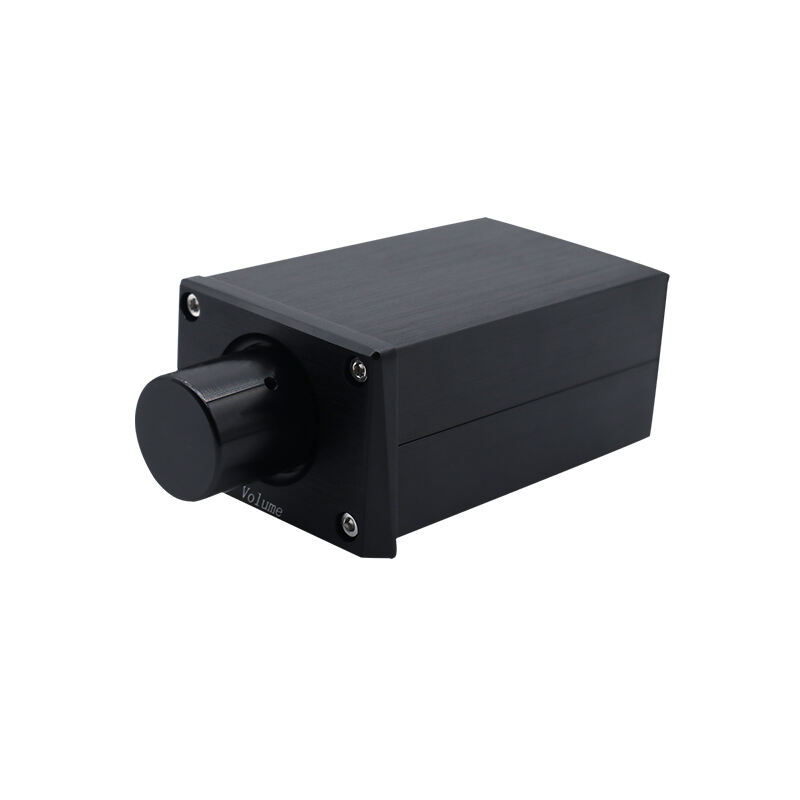
Светските студиа за снимање се осврнуваат на софистицирана аудио опрема за снимање на нјансите од вокалните перформанси, при што вокалниот претпојачник е еден од најважните компоненти во ланецот на сигнал. Професионалните инженери разбираат дека квалитетот на вокалните снимки во голема мера зависи од тоа како иницијално се процесира и појачува сигналот од микрофонот пред да стигне до основниот интерфејс за снимање. Вокален претпојачник дејствува како мост помеѓу сировиот излез од микрофонот и дигиталниот систем за снимање, формирајќи го карактерот и присутноста на вокалите на начини кои можат драматично да го трансформираат конечен производ. Влијанието на висококвалитетен вокален претпојачник иде далеку повеќе од едноставно појачување, влијаејќи врз сè, од тонска колорација до динамичен одговор и општа вокална јасност во професионални снимки.
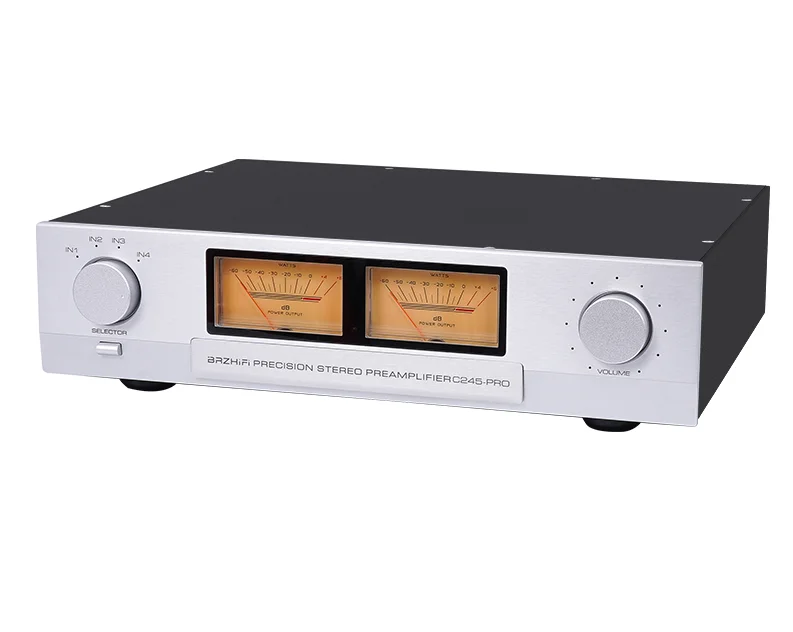
Разбирање на основите на вокалниот претпојачник
Појачување на сигнал и структура на добивка
Основната функција на секој вокален предамплификационен стадиум е засилување на релативно слабот сигнал што го создаваат микрофоните до ниво на линија, што е суштинско за правилно снимање и обработка. Микрофоните обично произведуваат сигнали во миливолтниот опсег, додека професионалната снимачка опрема работи оптимално со сигнали измерени во волти, што создава значителна празнина која бара внимателно засилување. Квалитетен вокален предамплификационен стадиум обезбедува чисто засилување со ниско ниво на шум кое го запазува интегритетот на оригиналното вокално изведување, додека го доведува до соодветни нивоа за понатамошна обработка. Структурата на засилувањето во вокалниот предамплификационен стадиум одредува колку засилување се применува на секоја фаза, при што подобриот уреди нудат повеќе фази на засилување кои го задржуваат јасниот сигнал дури и при поголеми нивоа на засилување.
Современите дизајни на вокални предусилнители вклучуваат софистицирана коловска постројка која минимизира непожелен шум и деформација, додека максимизира желаните карактеристики на сигналот. Односот сигнал-шум станува особено важен кај вокалните примени каде што треба да се запишат со исклучителна јаснота благите дишни звуци, согласните звуци и емоционалните нијанси. Професионалните инженери често ги проценуваат перформансите на вокалните предусилнители врз основа на спецификации како еквивалентен влезен шум, вкупна хармониска деформација и карактеристики на фреквентниот одговор, кои директно влијаат врз квалитетот на вокалната репродукција. Разбирањето на овие технички аспекти помага на професионалците во снимањето да изберат најсоодветниот вокален предусилнител за специфични примени и услови на снимање.
Прилагодување на импедансата и интегритет на сигналот
Соодветното усогласување на импедансата помеѓу микрофоните и влезовите за предпојачувач за вокали има клучна улога во одржувањето на интегритетот на сигналот и оптимизирањето на карактеристиките на фреквенциски одзив. Различните типови на микрофони прикажуваат различни товари на импеданса на влезовите за предпојачувач, при што динамичките микрофони обично нудат пониска импеданса во споредба со кондензаторските микрофони кои можеби бараат различни разгледувања за влез. Добро дизајниран предпојачувач за вокали обезбедува соодветна влезна импеданса која се дополнува со поврзаниот микрофон, додека одржува постојана перформанса низ целиот фреквенциски спектар. Интеракцијата меѓу излезната импеданса на микрофонот и влезната импеданса на предпојачувачот може значително да ја влијае тонската боја и општите перформанси на веригата за снимање на вокали.
Зачувувањето на интегритетот на сигналот низ предпојачувачката фаза осигурува дека оригиналните акустички карактеристики на вокалната изведба стигнуваат до системот за снимање без деградација или непожелна промена. Компоненти од високо качество во колото на вокалниот предпојачувач, вклучувајќи прецизни отпорници, оперативни појачувачи со низок шум и внимателно одбрани кондензатори, придонесуваат за зачувување на чистотата на сигналот во текот на процесот на појачување. Физичката конструкција и екранирањето на вокалниот предпојачувач исто така влијаат на неговата способност да отфрла електромагнетни сметни и да одржува чисти патеки на сигналот, дури и во студии со електрични предизвици.
Влијание врз вокалниот карактер и тон
Хармониско подобрување и обојување
Тоналниот карактер што го даваат различните дизајни на вокални предусилувачи може драматично да го промени перципираното топлинство, присуство и општиот карактер на снимените вокали. Коловите на вокални предусилувачи засновани на цевки често внесуваат блага хармониска дисторзија која многу инженери и продуценти ја сметаат за музички пријатна, додавајќи богатство и длабочина на вокалните снимки, што може да го засили емоционалниот импакт на изведбите. Дизајните на вокални предусилувачи засновани на полупроводници обично нудат поголема линеарност и точност, запазувајќи ги оригиналните вокални карактеристики без значителна боја, додека истовремено обезбедуваат исклучителен динамички опсег и фреквенциски одговор. Изборот помеѓу различните технологии за вокални предусилувачи често зависи од посакуваниот уметнички резултат и специфичните барања на проектот за снимање.
Формирањето на фреквенцискиот одговор во коловите на вокалниот предусилувач може да нагласи или да намали специфични фреквенциски опсези кои се критични за вокалното присуство и разбирливост. Многу професионални гласовен предузгравник единиците вклучуваат благи EQ-криви или трансформатори кои природно ги подобруваат средните фреквенции каде што се наоѓаат основните тонови и важните хармоници на гласот. Овие вградени тонски карактеристики можат да намалат потребата од интензивна еквализација во текот на мешањето, додека истовремено обезбедуваат поизгладен и професионален гласен звук директно од фазата на снимање. Разбирањето како различните дизајни на предпојачувачи за глас влијаат врз фреквентниот одговор помага на инженерите да прават информирани одлуки за избор на опрема според специфичните стилови и жанрови на глас.
Динамичен одговор и карактеристики на компресија
Динамичните карактеристики на одговорот на вокалниот претпојачувач значително влијаат врз тоа како се справува со природните варијации во гласноста што се присутни во вокалните изведби. Некои дизајни на вокални претпојачувачи вклучуваат блага компресија или лимитирање кои помагаат да се контролираат врвните нивоа, при што се задржуваат природните динамики на вокалната изведба. Ова вградена динамична контрола може да биде особено корисна при снимање на енергични вокални стилови или при работа со изведувачи кои имаат широк динамичен опсег, што инаку би можело да го предизвика системот за снимање. Карактеристиките на нападот и ослободувањето на секоја вградена компресија во вокалниот претпојачувач мора да бидат внимателно дизајнирани така што ќе се усогласат со вокалниот материјал без да се појават непожелни артефакти како „пумпање“ или „дишење“.
Способностите за преминување одредуваат колку прецизно вокалниот предпојачувач ја воспоставува оштрата атака и брзите промени карактеристични за многу вокални звуци, особено согласките и перкусивните вокални елементи. Квалитетните кола на вокален предпојачувач одржуваат извонреден одзив при преминувањето низ целиот фреквенциски спектар, осигурувајќи ги природната членка и јасноста на снимените вокали. Брзината на стапкање (slew rate) и спецификациите за широчина на опсегот на вокалниот предпојачувач директно влијаат на неговата способност точнo да ги воспроизведе овие брзо менувачки се сигнали кои се неопходни за разбирливоста и присутноста на вокалите во финалниот микс.
Технички спецификации и перформанс метрики
Перформанси на шум и јасност на сигналот
Перформансот на предпојачалот за глас директно влијае врз квалитетот и употребливоста на снимените вокални траки, особено во тихите пасуси или кога е потребно значително појачување поради оддалечена поставеност на микрофонот. Мерките за еквивалентен влезен шум (EIN) обезбедуваат стандардизиран начин за споредба на вродените шумски карактеристики на различните дизајни на предпојачала за глас, при што пониските вредности укажуваат на подобар перформанс. Професионалните единици за предпојачало за глас обично постигнуваат EIN вредности значително под -125 dBu, осигурувајќи дека шумот од предпојачалот останува неприметен дури и кога се применува големо појачување врз слабите микрофонски сигнали. Истовремено, важна е и фреквентната распределба на овој шум, бидејќи некои дизајни на предпојачала за глас можат да покажат подобар шумски перформанс во критичните вокални фреквентни опсези.
Спецификациите за односот сигнал-шум помагаат на инженерите да разберат колку употреблива динамична опсег може да обезбеди еден вокален претплата пред да стане слушлив шумот во снимката. Современите дигитални системи за снимање нудат исклучителни способности за динамичен опсег, што прави неопходно вокалниот претплата да обезбеди соодветна перформанса за целосно искористување на достапната резолуција. Факторите како што се дизајнот на напојувањето, топологијата на структурата и изборот на компоненти сите придонесуваат за вкупната шумска перформанса на еден вокален претплата. Редовната калибрација и правилното поставување на засилувањето помагаат да се осигура дека шумската перформанса на вокалниот претплата задоволува професионални стандарди низ целиот временски период на неговата работа.
Размислување за фреквенциски одговор и лентен пропус
Карakterистиките на фреквенциската одзивност на предпојачувач за вокали ја определуваат верноста со која се воспоставува целокупниот спектар на вокални фреквенции, од најниските резонанци во градито до највисоките хармониски тонови. Професионалните спецификации за предпојачувачи за вокали обично укажуваат на рамна фреквенциска одзивност низ целиот аудио опсег од 20 Hz до 20 kHz, при што некои уреди имаат опсег далеку надвор од овие граници за да осигураат извонредно воспроизводство на префрлни процеси. Секакви отстапувања од рамната одзивност во критичните вокални фреквенциски опсези можат значително да влијаат на восприеманата квалитет и карактер на снимените вокали, што ја прави фреквенциската одзивност една од најважните спецификации за предпојачувачи за вокали во професионални применi.
Ограничувањата на ширината на опсегот во колата за предусилнување на глас може да влијаат врз репродукцијата на високочестотните хармоници кои придонесуваат за јаснотија и присуство на гласот. Проширената способност за широчина на опсегот осигурува дека сите благи детали од вокалните изведби точно се запишуваат, од дишањето во шепотливи пасуси до светлите хармоници во моќните вокални кулминација. Карактеристиките на фазниот одговор исто така играат улога во одржувањето на временските односи помеѓу различните фреквентни компоненти на вокалните сигнали, што придонесува за вкупната кохерентност и природност на забележаниот звук. Современите дизајни на предусилнувачи за глас вклучуваат широки можности за широчина на опсегот кои значително надминуваат номиналниот аудио опсег за да се осигури оптимална перформанса со сите типови вокален материјал.
Примена во различни сценарија на снимање
Примена во студио снимање
Во контролирани студиски средини, изборот на предпојачалник за вокали често зависи од специфичните уметнички цели и од вкупниот соник карактер што се бара за проектот. Професионалните снимачки студија обично поседуваат колекции од различни типови на предпојачалници за вокали за да можат да се приспособат кон разни вокални стилови и производствени потреби. Акустичната средина на студиото, вклучувајќи фактори како големина на просторијата, третман и нивоа на околен шум, влијае врз оптималните карактеристики на предпојачалникот за вокали за конкретни снимања. Инженерите може да изберат единици за предпојачалник со специфични тонски карактеристики за да ги дополнат природните акустики на просторот за снимање или да ја надоместат било каква акустична недостаточност.
Сценариите за мулти-трак запис често баратаат предпојачувачки единици за вокал кои обезбедуваат конзистентна перформанса преку повеќе канали при снимање на групни вокали или слоевити вокални аранжмани. Способноста да се усогласат нивоата и тонските карактеристики помеѓу различните канали на предпојачувачи за вокал станува критична при создавање на комплексни вокални продукции што барaat безпрекорно мешање на повеќе вокални елементи. Некои системи за предпојачувачи за вокал нудат поврзани контроли или автоматски функции за усогласување кои помагаат да се одржи конзистентност преку повеќе канали во текот на истовремени сесии за снимање. Интеграцијата на предпојачувачките единици за вокал со дигиталните системи за снимање исто така бара размислување за синхронизација на часовникот, латентност и квалитет на дигитална конверзија за да се одржат професионалните стандарди.
Снимање и емитување во живо
Примените во живо поставуваат уникатни изазови за перформансите на предпојачалот за вокали, вклучувајќи ја потребата од сигурна работа во различни работни услови и можноста да се справи со неочекувани варијации на сигналот. Предпојачалот за вокали мора да обезбеди доволно хедрум за да го отстрани динамичниот карактер на живите настапи, при тоа задржувайќи чисто, бездисторзиско појачување дури и во пики на вокалните моменти. Извонредна конструкција и сигурни перформанси стануваат најважни во живи ситуации каде што квар на опремата би можел да ги стави под знак на прашање критичните можности за снимање или обврските за емитување.
Примените во емитувањето често бараат единици за предусилнување на гласот кои задоволуваат специфични технички стандарди за фреквентен одговор, изобличување и перформанси во поглед на шумот, за да се осигура соодветност со захтевите за пренос. Предусилнувачот за глас може да треба да комуницира со различна опрема за емитување и да одржува постојани перформанси во различни работни услови и нивоа на сигнал. Сценаријата за снимање на далечина исто така можат да бараат преносливи решенија за предусилнување на гласот кои можат да обезбедат професионални перформанси додека работат на батерии или во предизвикани електрични средини каде што квалитетот на напојувањето може да биде компромитиран.
Избор на соодветен предусилнувач за глас
Согласување на предусилнувачите со типовите на микрофони
Изборот на соодветен вокален предпојачувач значително зависи од карактеристиките на микрофоните што се користат и од специфичните барања на апликацијата за снимање. Динамичките микрофони обично бараше повеќе засилување отколку кондензаторските микрофони, поради што дизајните на вокалните предпојачувачи со високо чисто засилување се особено важни за примена со динамички микрофони. При проценката на совместливоста на вокалниот предпојачувач и оптималните параметри за перформанси мора да се земат предвид нивото на излезен сигнал и импедансните карактеристики на различните типови микрофони.
Кондензаторските микрофони често имаат корист од предпојачувачи за вокал кои обезбедуваат фантомско напојување и влезни кола оптимизирани за повисоките нивоа на излез и различните карактеристики на импеданса типични за дизајнот на кондензаторски микрофони. Некои единици за предпојачување на вокал нудат преклопливи влезни конфигурации кои можат да примијат како динамички, така и кондензаторски микрофони со оптимални перформанси за секој тип. Можноста за прецизно прилагодување на влезните карактеристики помага на инженерите да постигнат најдобри можни перформанси од комбинацијата микрофон и предпојачувач во различни снимачки сценарија.
Буџет и размислување за перформансите
Професионалните предамплifikатори за вокал обфаќаат широк спектар на цени, при што карактеристиките на изведбата воопшто растат со нивото на инвестиција, иако извонредна вредност може да се пронајде во различни ценовни категории. Опциите за влезни предамплifikатори за вокал можат да обезбедат доволна изведба за основни апликации за снимање, додека уредите од повисок клас можат да понудат посупериорни спецификации и квалитет на изработка за барањата на професионалните апликации. Намената на употреба и барањата за изведба треба да ги водат одлуките за избор на предамплifikатор за вокал, при што треба да се земат предвид фактори како очекуваните нивоа на употреба, потребните функции и барањата за интеграција со постојната опрема.
Долготрајната сигурност и поддршката од производителот стануваат важни размислувања при инвестиција во опрема за вокални предпојачувачи, особено за професионални примени каде што неуспех на опремата може да резултира со значителни забави во проектите или финансиски загуби. Достапноста на техничка поддршка, услуги за поправка и резервни делови треба да се земе предвид при изборот на вокални предпојачувачи, заедно со чистите спецификации за перформанси. Многу професионални инженери ги предпочитаат брендовите на вокални предпојачувачи со установени репутации за сигурност и клиентска поддршка, дури и ако почетните трошоци за купување се повисоки од алтернативните опции.
ЧПЗ
Што е разликата помеѓу вокален предпојачувач и обичен предпојачувач?
Вокалниот предамплитудер е специјално оптимизиран за сигнали на ниво на микрофон и вокални фреквенциски опсези, со посебни влезни кола, структури на засилување и често со специфични тонски карактеристики кои го дополнуваат вокалното снимање. Обичните предамплитудери можат да бидат дизајнирани за различни типови на сигнали, вклучувајќи инструменти, линиски извори или општи примени, со различни приоритети во оптимизацијата. Дизајнот на вокалните предамплитудери обично нагласува ниско ниво на шум, соодветни опсези на засилување за микрофони и карактеристики на фреквенциски одговор кои ја подобруваат вокалната присутност и разбирливоста во снимките.
Колку засилување ми е потребно од вокален предамплитудер?
Потребниот добивок од вокален претпојачувач зависи од типот на микрофон, растојанието при снимање и јачината на вокалите на изведувачот, но за повеќето професионални применувања се потребни помеѓу 40-70 dB чист добивок. Динамичките микрофони обично имаат поголема потреба од добивок во споредба со кондензаторските микрофони поради нивните пониски излезни нивоа, додека кај поставувањето на микрофон на поголемо растојание или кај тие што пеат тивко може да биде потребен максималниот достапен добивок. Квалитетен вокален претпојачувач треба да обезбеди најмалку 60 dB чист добивок со низок шум за да може да се справи со најбаремните сценарија при снимање.
Дали вокален претпојачувач може да го подобри звукот на микрофон со низок квалитет?
Иако висококвалитетен микрофонски претпојачувач може да ја оптимизира перформансите на било кој микрофон обезбедувајќи чисто појачување и соодветно условување на сигналот, тој не може фундаментално да ги промени основните карактеристики или ограничувањата на самиот микрофон. Микрофонскиот претпојачувач може да помогне за минимизирање на шумот, обезбедување на оптимално засилување и можеби додавање на корисна тонска обојување, но микрофонот останува првичниот одредувач на квалитетот на снимениот звук. Инвестирањето како во квалитетни микрофони, така и во опрема за микрофонски претпојачувачи обезбедува најдобар темел за професионални вокални снимки.
Дали ми треба посебен микрофонски претпојачувач ако мојот аудио интерфејс има вградени претпојачувачи?
Многу современи аудио интерфејси вклучуваат моќни вградени предпојачувачи кои можеби се доволни за основни потреби од снимање, но посветените уреди за предпојачување на вокали често нудат поизразена перформанса, дополнителни карактеристики и специфични тонски особини што можат да го подобрат квалитетот на вокалните снимки. Одлуката зависи од вашите барања за квалитет, буџет и специфични звучни цели за вашите вокални снимки. Професионалните инженери често користат надворешни уреди за предпојачување на вокали, дури и кога нивните интерфејси имаат вградени предпојачувачи, за да пристапат до компоненти со повисок квалитет, подобри спецификации или специфична тонска обојување што им се допаѓа на нивниот стил на снимање.
Содржина
- Разбирање на основите на вокалниот претпојачник
- Влијание врз вокалниот карактер и тон
- Технички спецификации и перформанс метрики
- Примена во различни сценарија на снимање
- Избор на соодветен предусилнувач за глас
-
ЧПЗ
- Што е разликата помеѓу вокален предпојачувач и обичен предпојачувач?
- Колку засилување ми е потребно од вокален предамплитудер?
- Дали вокален претпојачувач може да го подобри звукот на микрофон со низок квалитет?
- Дали ми треба посебен микрофонски претпојачувач ако мојот аудио интерфејс има вградени претпојачувачи?