
 EN
EN
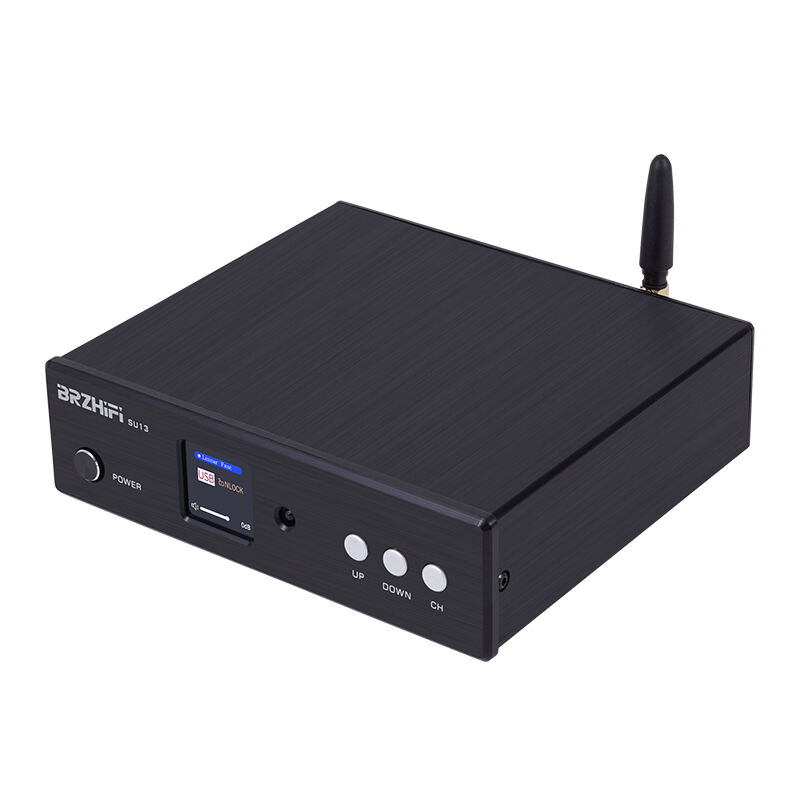
התכונות הקוליות המובחנות של מגבר צינור מסוג A תפסו את הדמיון של אודיו-אנתוסיאסטים ותמכי מוזיקה במשך עשורים, והניעו דיון מתמשך על ההבדלים בין טכנולוגיות הגברה מבוססות צינורות ואלקטרונים מוצקים. כדי להבין מה גורם למגבר צינור מסוג A להישמע שונה ממגברי האלקטרונים המוצקים המתאימים לו, יש לבחון את העקרונות הבסיסיים שמאחורי הדרך שבה שיטות ההגברה הללו מעבדות אותות קול ופועלות יחד עם רכיבי מעגל שונים.

הבסיס הטכני שעומד מאחורי תכנון מגבר צינור מסוג A יוצר דפוסי עיוות הרמוני ייחודיים שמספר רב של מאזינים מוצאים נעימים מוזיקלית. בניגוד למגברי אלקטרונים מוצקים שיוצרים הרמוניות מסדר אי-זוגי כאשר הם נטענים יתר על המידה, מגברי הצינור מייצרים בעיקר הרמוניות מסדר זוגי שנדמות יותר טבעיות לאוזן האנושית. ההבדל הבסיסי הזה במבנה ההרמוניות תורם באופן משמעותי לחתימה הקולית החמה והאורגנית שמגדירה את החוויה של מגבר צינור מסוג A.
מאפייני עיוות הרמוני
יצירת הרמוניות מסדר זוגי
כאשר מגבר צינור מדרגה א' מגיע לגבולותיו, הוא מייצר בעיקר עיוותים הרמוניים שניים ורבעיים, אשר קשורים מתמטית בתדר היסודי בדרך שמערכת השמיעה שלנו מרגישה כמוזיקלית ונעימה. הרמוניות מסדר זוגי אלו מופיעות באופן טבעי בכלים אקוסטיים ובקולות האנושיים, מה שהופך את הגברה על ידי צינורות לצליל אורגני יותר וחיוני יותר. ההגעה הדרגתית לעיוות זה יוצרת את מה שמאזיני המוזיקה מכנים לעיתים קרובות 'חיתוך חן', שבו הצליל נשאר מוזיקלי גם כאשר המגבר מודחק מעבר לטווח הפעולה הנקי שלו.
דחיסה והתגובה הדינמית
התכונות המובנות של צינורות ריקוי יוצרים אפקטים טבעיים של דחיסה שתרומתם לצליל המובהק של מגבר צינורות מסוג A. ככל ש уровני האות עולים, הצינורות מפגינים הרוויה הדרגתית שדוחסת בעדינות את הפיקות תוך שמירה על הדינמיקה המוזיקלית. התנהגות הדחיסה הזו שונה באופן מהותי ממגברי חומרה, אשר נוטים לחתוך בפתאום כאשר הם מופעלים מעבר ליכולתם, ויוצרים הרמוניות מסדר אי-זוגי שצוללות ויכולים לגרום לעייפות שמעית במהלך ישיבות האזנה ממושכות.
טופולוגיה של מעגל ואינטראקציה בין רכיבים
השפעת הממיר היצוא
המשנה היצואית באmplיפייר טריזיסטי מדרגה A משמשת לא רק כמכשיר התאמת אימפדנס; היא משנה באופן משמעותי את תגובת התדרים ואת ההתנהגות הטרנזיטיבית של האmplיפייר. משנות אלו מוסיפות צבעוניות עדינה באמצעות תכונותיהן המגנטיות, חומרי הליבה וטכניקות הلف שלהן. האינטראקציה בין אימפדנס היציאה של הטרנזיסטור לבין מאפייני המשנה יוצרת קשרי פאזה ייחודיים ושינויים בתגובת התדרים שתרומתם לחתימה הקולית של האmplיפייר.
השפעת תכנון ספק הכוח
מגברי צינור מדרגה א' משתמשים בדרך כלל במקורות כוח בעלי מתח גבוה וזרם נמוך, אשר מגיבים באופן שונה לפסגות מוזיקליות בהשוואה למקורות כוח מבוססי חומר מוצק. יכולת אחסון האנרגיה של מקורות הכוח במגברי צינור, בשילוב עם התנגדות היחסית הגבוהה של הצינורות הריקים, יוצרת אינטראקציות דינמיות המשפיעות על תגובת המגבר לפסוקים מוזיקליים מורכבים. מאפייני מקורות הכוח הללו תורמים לתחושה של רחבה ותלת-ממדיות בתמונה הקולית, אותה מזדהים רבים מה מאזינים עם מגברי צינור.
תגובת תדר ורוחב פס
הרחבה בגבישים גבוהים וצניחת תדרים
מאפייני תגובת התדר של מגביר צינורות מסוג א לעיתים קרובות מפגינים ירידה עדינה בתדרים גבוהים שמרבית השומעים מוצאים טבעית יותר ופחות מעייפת בהשוואה לטווח התדרים המורחב של מערכות סוליד-סטייט. הירידה האופיינית הזו, שמתחלת בדרך כלל בתדרים העליונים של האודיו, עוזרת להיפטר מאפקטים דיגיטליים חדים ומייצרת הצגה דומה יותר לאנלוגית. האופי ההדרגתי של עיצוב תגובת התדר הזו תורם לאיכות השמע חלקה ומעודנת שמאפיינת את הגברת השפופרות המתקדמת.
תגובת הבאס ובקרה
השכפול בתדרים נמוכים באmplיפיקטור טרנזיסטורי מדרגה א' מציג מאפיינים שונים בהשוואה לחלופות הטרנזיסטוריות, במיוחד במונחי שליטה על הבס והרחבה שלו. ההשפעה של הממיר הפלטי על תגובת התדרים הנמוכים יוצרת קשרי פאזה ייחודיים שיכולים להשפיע על תחושת העומק והשליטה בבס. אם כי כמה עיצובים של amplיפיקטורים טרנזיסטוריים מדרגה א' עלולים להקריב את ההרחבה המוחלטת בתדרים הנמוכים לזכות המוזיקליות, איכות השכפול בבס נוטה להפגין חום רב יותר ומאפייני דעיכה טבעיים שמתאימים ליישומים אקוסטיים ולקולות.
שקולים תרמיים וקביעת נקודת העבודה
השפעות של טמפרטורת הפעלה
התכונות התרמיות של צינורות ריקוי משפיעות באופן משמעותי על איכות השמע של מגבר צינורות מסוג A לאורך מחזור הפעולה שלו. כאשר הצינורות מגיעים לטמפרטורת הפעלה אופטימלית, התכונות החשמליות שלהם מתייצבות, מה שמביא לרוב לשיפור בביצועי השמע לאחר זמן חימום מספיק. תלות תרמית זו יוצרת שינויים עדינים במבנה ההרמוניות ובתגובת הדינמיקה, אשר תורמים לאיכות 'חיה ונושמת' שהאזנים רבים מקשרים לטכנולוגיית מגברי צינורות.
יציבות האיזון והזדקנות
עיצובי מגברי צינורות מסוג A דורשים תשומת לב מיוחדת להגדרות האיזון ולהתאמה של הצינורות כדי לשמור על ביצועים אופטימליים לאורך הזמן. ככל שצינורות הריקוי מזדקנים, התכונות שלהם משתנות בהדרגה, ומשפיעות על חתימת השמע של המגבר בדרך שמשתמשים רבים מוצאים נחמדה יותר מאשר בעייתית. תהליך הזדקנות זה יכול להוסיף אופי וחום לשמע, ויוצר טביעת אצבע שמעית ייחודית שמתפתחת יחד עם ההיסטוריה הפעולה של המגבר.
אינטראקציה עם עומס ותאימות רמקולים
מאפייני התנגדות הפלט
התנגדות הפלט היחסית הגבוהה של מגבר צינוריות מדרגה A יוצרת אינטראקציה משמעותית עם עקומות ההתנגדות של הרמקולים, מה שמביא לשינויים בתגובת התדרים שיכולים להגביר או לשנות את המאפיינים הטבעיים של הרמקול. אינטראקציה זו של התנגדויות תורמת לעיתים קרובות לתפיסת עומק שדה השמע משופר והפרדת כלים מוסיקליים, כשמגבר ורמקול פועלים יחדיו כמערכת מאוחדת יותר, ולא כרכיבים נפרדים ונבדלים.
גורם דämpינג ובקרה
הגורם המפחית הנמוך יותר, הקיים בדרך כלל בעיצובי מגברים מסוג צינור מדרגה א', מאפשר רמת חופש גדולה יותר לדייקים, במיוחד באזורים של התנודות הנמוכות, שם תופעות ההתנודדות של הקונוס והתכונות הרזוננטיות הופכות בולטות יותר. הפחתת הפיקוד החשמלי הזה עלולה להוביל להצגת תדרים נמוכים טבעית יותר ופחות מבוקרת, מה שמעדיף קהל רב של מאזינים בסוגי מוזיקה אקוסטית, שבה הרזוננס הטבעי של הכלים משחק תפקיד מרכזי בחווית המוזיקה הכוללת.
גורמים פסיכו-אקוסטיים
חום והמוזיקליות כפי שנרגשים
השילוב של דפוסי עיוות הרמוני, מאפייני תגובת התדר והדחיסה הדינמית במגבר שמן הסוג A יוצר אפקטים פסיכואקוסטיים שמרבית המאזינים מפרשת כחמים וכמוסיקליות. האיכות הסובייקטיביות הללו נובעות מהאינטראקציה המורכבת של מספר גורמים טכניים שמתאימים באופן הדוק לאופן שבו מערכת השמיעה שלנו מעבדת מידע אקוסטי טבעי, מה שהופך מוזיקה שמוגברת על ידי מחווטים לצליל יותר דומה לחיים ולמרגש רגשית יותר עבור מרבית המאזינים.
תמונה מרחבית ומרחב קול
עיצובי מגברים מסוג A מבוססי מחווטים מצליחים לעיתים קרובות ביצירת מרחבים קוליים מרחיבים עם מיקום מדויק של כלים ויחסים מרחביים טבעיים. השילוב של מאפייני הפאזה שנוצרים על ידי ממירים יציאה, אפקטי הדחיסה הטבעיים של מחווטים ריקיים והמבנה ההרמוני המורכב תורמים לתמונה תלת־ממדית משופרת שיכולה להפוך הקלטות לצליל מרהיב וריאלי יותר מאשר אלטרנטיבות סוליד-סטייט.
שאלות נפוצות
למה מגבר צינורות מסוג A נשמע חם יותר ממגברי סוליד-סטייט
התחושה החמה שקשורה לקולו של מגבר צינורות מסוג A נובעת בעיקר מתבנית עיוותי ההרמוניות מסדר זוגי שמייצרים צינורות ריק, בשילוב עם ירידת תדרים גבוהים עדינה ומאפייני דחיסה טבעיים. גורמים טכניים אלו פועלים יחד כדי ליצור הצגה קולית שמרבית המאזינים מרגישה כטבעית יותר וכפוחת עייפות יותר לעומת הקול הבהיר יותר והאנליטי יותר בדרך כלל של מגברי סוליד-סטייט.
האם מגברי צינורות מסוג A דורשים תחזוקה רבה יותר מאשר מערכות סוליד-סטייט
כן, מגבר טריזודים מסוג A בדרך כלל דורש תחזוקה רבה יותר בשל אופיו הניתן לצריכה של צינורות ריק, אשר נ wears out בהדרגה עם הזמן ודורשים החלפה מחודשת. בנוסף, מגברי טריזודים עשויים לדרוש התאמות ביאס ותחזוקה תכופה יותר כדי לשמור על ביצועים אופטימליים, אף על פי שרבים מהמשתמשים מתייחסים לעיסוק הזה כחלק מהחוויה הנעימה של בעלות והפעלה של ציוד טריזודים.
האם מגבר טריזודים מסוג A מסוגל להניע רמקולים מודרניים באופן יעיל?
למרות שעיצובי מגברי טריזודים מסוג A יכולים להניע בהצלחה רמקולים מודרניים רבים, התאמה זהירה היא חיונית בשל הפליטה הנמוכה יחסית וההתנגדות הפנימית הגבוהה יותר בהשוואה לחלופות המבוססות על חצאי מוליכים. רמקולים בעלי דירוג יעילות גבוה ועקומות התנגדות יציבות עובדים בדרך כלל הכי טוב עם הגברה על בסיס טריזודים, אף על פי שמאפייני הקול הייחודיים של מגברי טריזודים יכולים לשפר משמעותית את הביצועים של מערכות רמקולים תואמות.
מה הופך את עיצובי המגברת הלולבית מחלק א' למשונים מאחרי תצורות מגברות לולביות אחרות
הפעולה של מגברת לולבית מחלק א' מבטיחה שצינורות הפלט לעולם לא נחתכים במהלך מחזור האות, מה שמוביל להפרעה נמוכה יותר ומאפייני הרמוניות חלקים יותר בהשוואה לעיצובי מגברות לולביות מחלק אב'. מצב ההולכה הקבוע הזה דורש צריכה גבוהה יותר של הספק והפקת חום רבה יותר, אך מספק ליניאריות עליונה ואיכות צליל טהורה ביותר של הגברה לולבית, אשר ידועה כמעוררת הערכה רבה בקרב חובבי השמעה איכותית ליישומים דרמטיים.